


19th Century Cabinet Cup
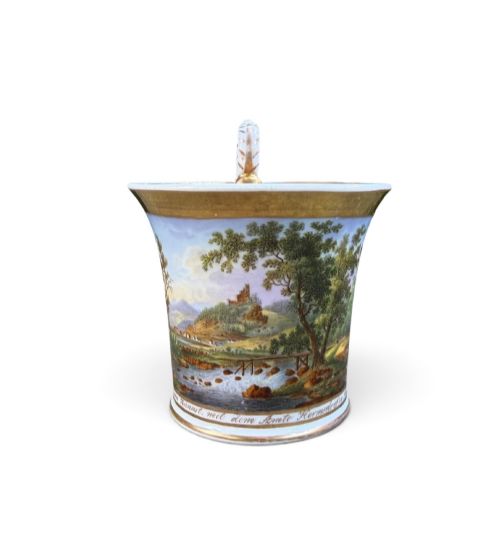
These 19th century cabinet cup items are decorative porcelain vessels made for display rather than everyday dining.
19th Century Cabinet Cup
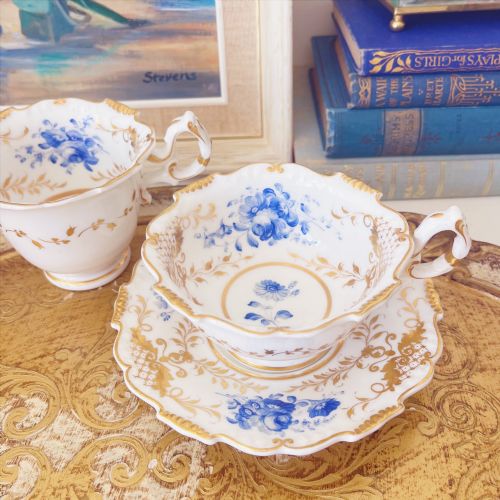
When you search for a 19th century cabinet cup, you are looking at small porcelain vessels that were created for ornamental display in a cabinet rather than for daily tea or coffee service.
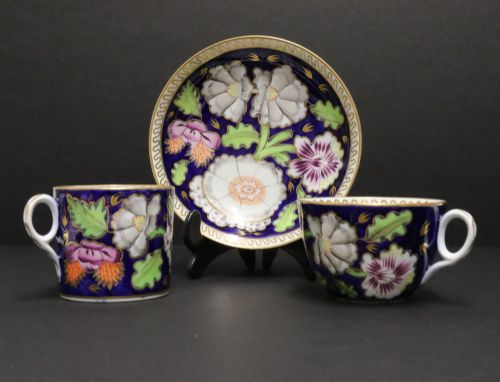
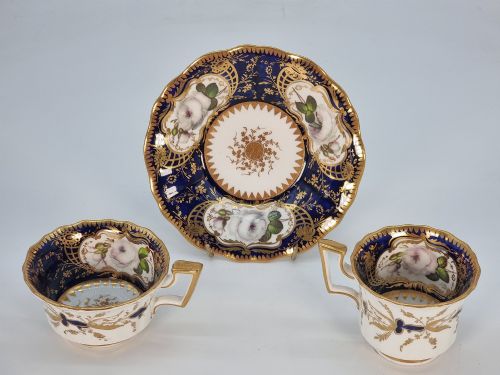
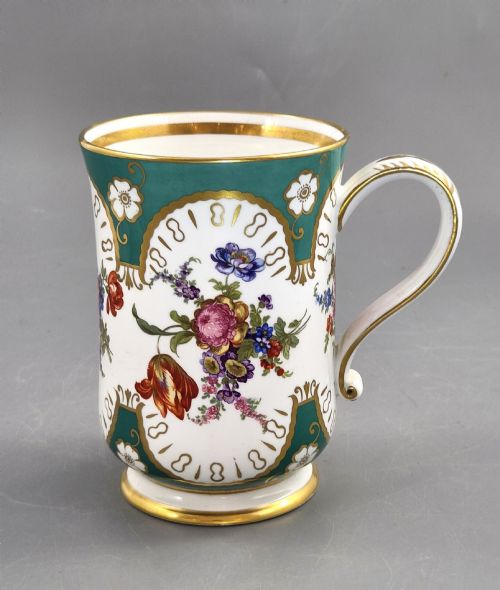
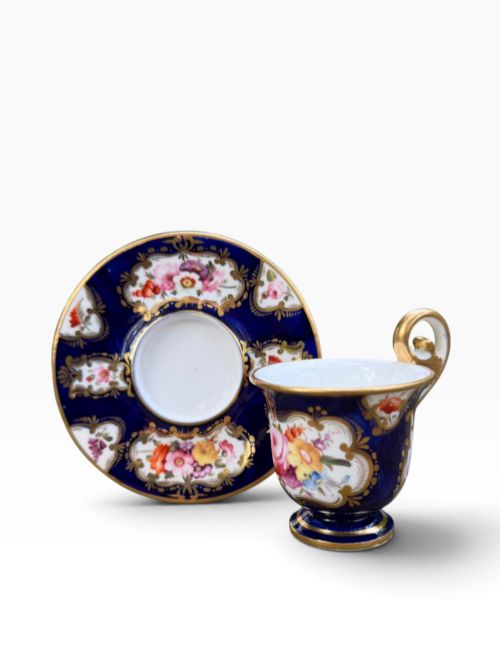
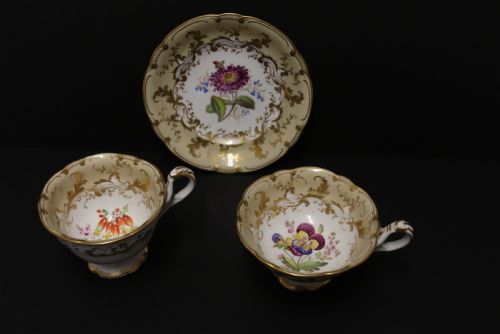
The pieces on this page span the 19th century, including Regency, Georgian, and Victorian periods, and take forms such as teacups and saucers, trios, beakers, and chocolate cups.
English and continental potteries produced these items, featuring shapes like French Empire, Rococo Revival, and Biedermeier.
How they were made
Makeries utilised hard-paste porcelain as the primary body for these decorative vessels, shaping them into cups, mugs, and saucers.
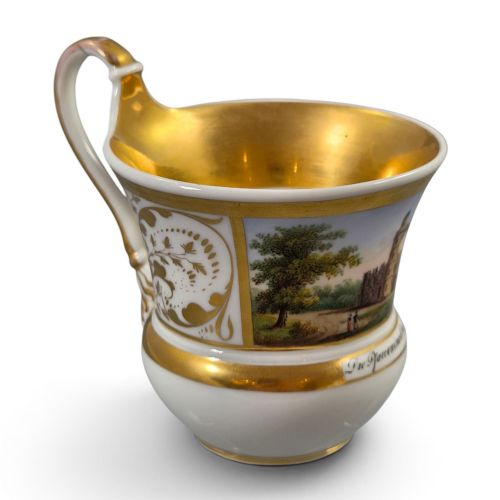
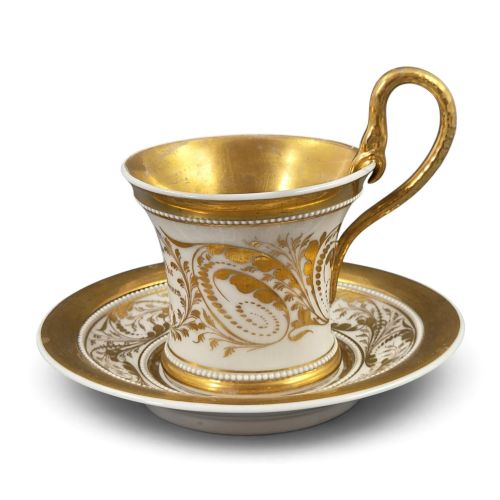
Decoration relied heavily on handpainted scenes, gold leaf, and extensive gilding applied across various European ceramic bodies.
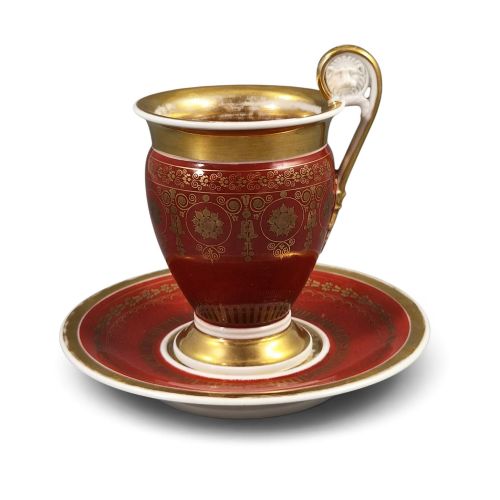
Some cups feature fierce lion mask handles, glaring out from the display cabinet like tiny porcelain guardians.
What varies in quality
The distinction between tiers rests upon the precision of the handpainted topographical, allegorical, or botanical artwork applied to the porcelain surface.
Elaborate handle formations, such as lion mask motifs, and the richness of the gold leaf application elevate certain examples above simpler production pieces.
H and R Daniel·Newhall·Coalport John Rose·Sèvres·KPM Berlin·Royal Vienna·Meissen·Spode·Barr Flight Barr Worcester·Davenport·Ridgeway
The 19th Century Cabinet Cup Glossary
- Hard-paste porcelain
- A durable, vitrified ceramic material composed of kaolin and petuntse fired at high temperatures. It forms the solid body of many continental and English cabinet cups.
- Cabinet cup
- A decorative porcelain cup intended for display in a cabinet or vitrine rather than functional use. These often feature elaborate painting and gilding.
- Trio
- A matching set consisting of a teacup, a coffee cup, and a saucer. They frequently appear in early 19th-century English porcelain.
- Gilding
- The application of gold leaf or powdered gold to the ceramic surface. This technique highlights rims, handles, and painted panels.
19th Century Cabinet Cup: Frequently Asked Questions
What is a 19th century cabinet cup used for?
These pieces were designed specifically for display within a glass-fronted cabinet or on a mantelpiece. They served as ornamental objects to showcase wealth, taste, and fine ceramic artistry.
Unlike utility tea wares, they were rarely put to practical use at the table.
How do I identify a Regency period piece?
Regency examples often feature neoclassical motifs, crisp gilding, and specific handle shapes characteristic of early 19th-century English manufacturers.
Examining the paste and painting style helps distinguish these from later Victorian productions.
What is a porcelain trio?
A trio comprises a teacup, a coffee cup, and a matching saucer. This combination was popular among early 19th-century English makers.
It allowed households to serve different hot beverages in matching porcelain.
How do I care for antique porcelain?
Keep these items out of direct sunlight to prevent fading on handpainted surfaces and gold gilding. Dust them gently with a soft, dry brush.
Avoid washing them in water, especially pieces with delicate enamel work or gold leaf.