


Gold Porcelain Cabinet Cup
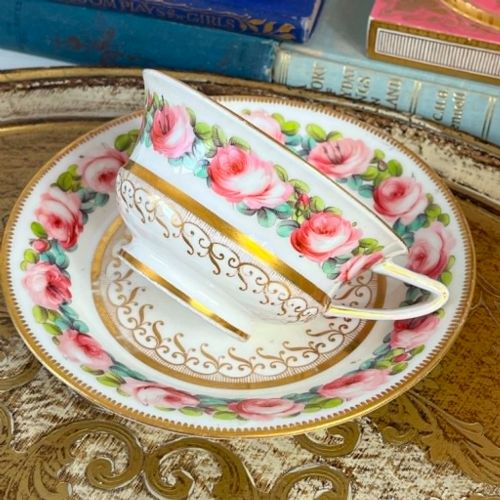
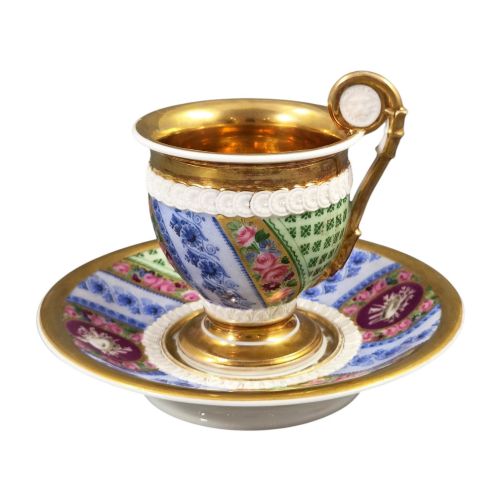
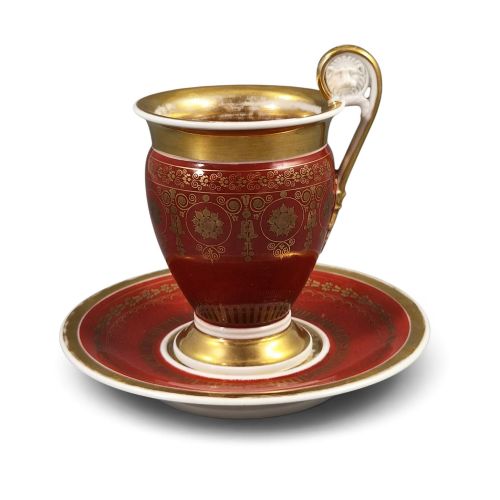
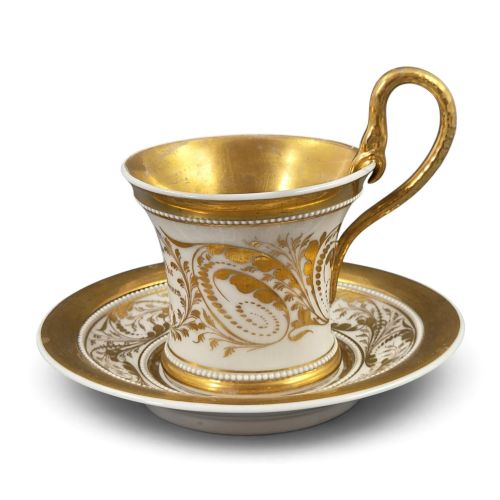
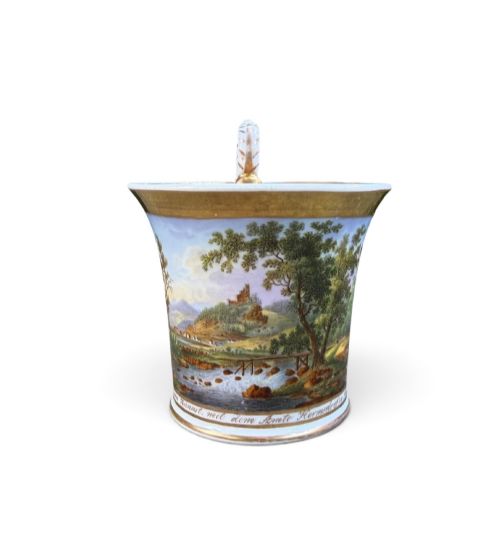
These gold porcelain cabinet cups are ornamental vessels created for display rather than ordinary tea service, prized for their rich gilding and hand-painted scenes.
Gold Porcelain Cabinet Cup
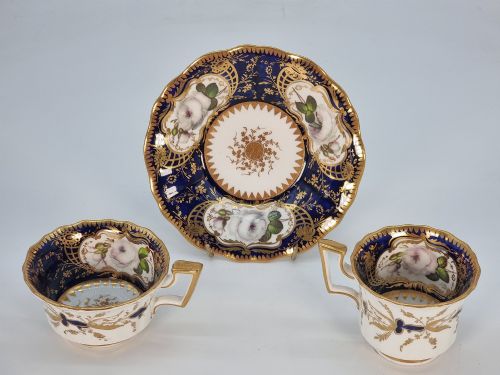
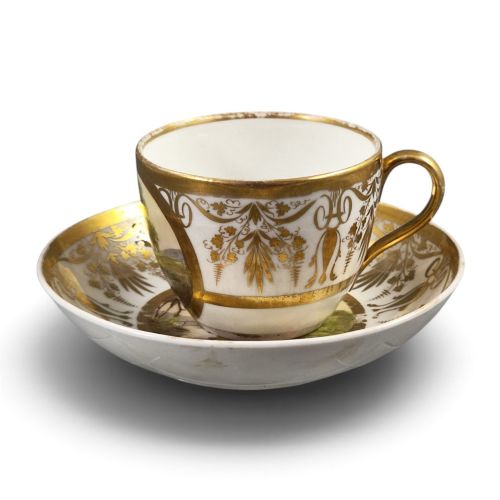
A gold porcelain cabinet cup is an ornamental vessel designed primarily for display rather than daily tea service, often appearing as a duo or trio complete with a matching saucer. These pieces take various forms including demitasse, chocolate cups, and miniature versions, reflecting their status as decorative cabinet pieces rather than functional tableware.
The specimens encountered here span several distinct periods from the Georgian era through the Victorian period and into the twentieth century, with origins ranging from English potteries to continental European manufactories. Buyers frequently meet items shaped by specific historical styles such as Rococo Revival, Neoclassical, and Empire, demonstrating the diverse aesthetic preferences of past makers.
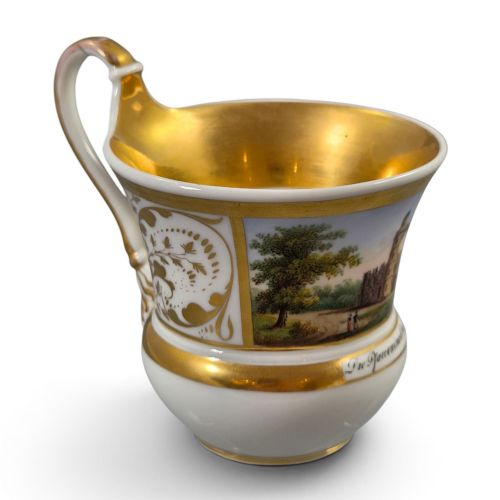
Makers utilised hard-paste porcelain and bone china to construct these delicate forms, applying elaborate gilding and hand-painted topographical or allegorical motifs. The selection available on this page captures the enduring appeal of these ornate objects, which were originally intended to showcase the wealth and taste of collectors in domestic interiors.
Materials and Techniques
Potters formed these vessels using hard-paste porcelain or bone china, firing the clay bodies at high temperatures to achieve a durable and refined substrate. This dense ceramic base provided an ideal surface for subsequent decorative treatments, particularly rich applications of gold leaf and gilding.
Craftsmen applied intricate enamel colours by hand, frequently depicting floral studies, landscapes, and allegorical scenes within reserved panels on the porcelain body. Burnished gold gilding then defined the rims, handles, and borders, framing the painted imagery and accentuating the sculptural forms of the cups.
Listings for this phrase span the Georgian, Victorian, Edwardian, and later periods, employing materials such as hard-paste porcelain, bone china, gold leaf, and enamel.
Quality and Execution
The standard of a gold porcelain cabinet cup rests on the precision of its hand-painted detail and the depth of its gilding. Superior examples display finely rendered landscape miniatures or botanical studies executed with distinct brushwork, whereas simpler pieces rely more heavily on standard transfer prints or heavier, unrefined gold applications.
Artistic execution also extends to the modelling of the form itself, where handles shaped as lion masks or pedestals demonstrate greater sculptural ambition. The crispness of the porcelain paste and the clean definition of the fired enamel colours distinguish the most accomplished works from standard factory output.
Davenport·Coalport John Rose·KPM Berlin·Spode·Royal Worcester·Hutschenreuther·Hirsch Dresden
The Gold Porcelain Cabinet Cup Glossary
- Cabinet cup
- An ornamental vessel produced for display in a cabinet rather than for regular use at the table. These pieces usually feature elaborate gilding and hand-painted decoration.
- Demitasse
- A small cup used for serving strong black coffee or espresso. In porcelain collecting, the term denotes these reduced-scale vessels which often accompany matching saucers.
- Gilding
- The application of gold leaf or gold powder to the surface of porcelain. This technique highlights rims, handles, and decorative borders.
- Hard-paste porcelain
- A durable ceramic composition fired at very high temperatures, composed of kaolin and petuntse. It provides a dense body well suited to intricate painting and heavy gilding.
- Duo
- A set comprising a single teacup and its matching saucer. Collectors frequently look for these paired items together.
Gold Porcelain Cabinet Cup: Frequently Asked Questions
What is a gold porcelain cabinet cup?
A gold porcelain cabinet cup is an ornamental ceramic vessel designed primarily for display in a cabinet rather than everyday tea service. These pieces typically feature elaborate gilding and hand-painted decoration.
Such items were produced by major European and English manufactories across the Georgian, Victorian, and later periods to showcase technical and artistic skill.
How were cabinet cups used?
These vessels were created for visual display in domestic interiors, reflecting the refined tastes and wealth of their owners. They formed part of cabinet collections rather than functional table settings.
While some take the form of standard teacups, others are chocolate cups or demitasse vessels intended to be admired for their miniature artistry and precious materials.
How do I care for gold porcelain?
Gold porcelain requires careful handling due to the delicate nature of the enamel painting and the applied gilding. These pieces should be washed by hand in lukewarm water using mild detergent when cleaning is necessary.
Avoid abrasive sponges or harsh chemicals that can wear away the gold leaf or damage the fragile ceramic body over time.
How do I distinguish periods of porcelain?
Distinguishing periods involves examining the ceramic paste, the style of decoration, and any factory marks stamped or painted on the base. Georgian and Regency pieces often exhibit neoclassical or early revival motifs.
Later Victorian and Edwardian examples frequently incorporate denser gilding or different enamel palettes, aligning with the manufacturing standards of those decades.