


Kpm Berlin Porcelain
Kpm berlin porcelain pieces are finely painted hard-paste ceramic works from the royal manufactory, sought after for exquisite hand-painted scenes and classical forms.
Kpm Berlin Porcelain
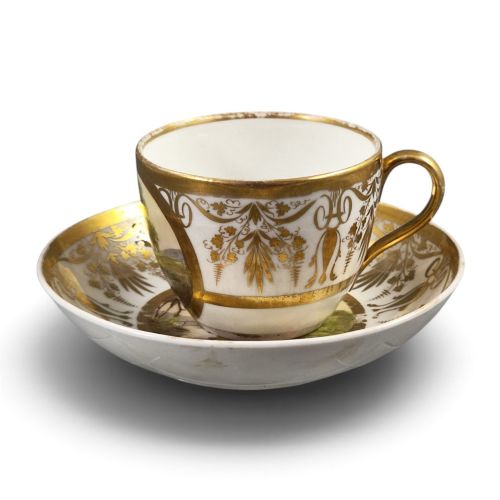
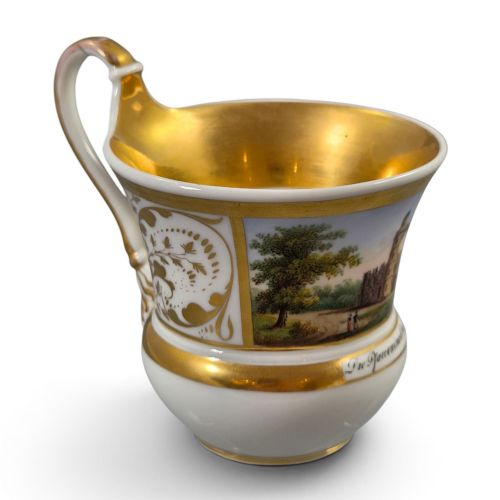
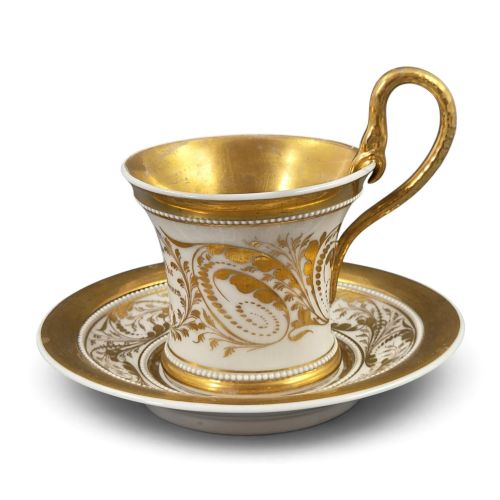
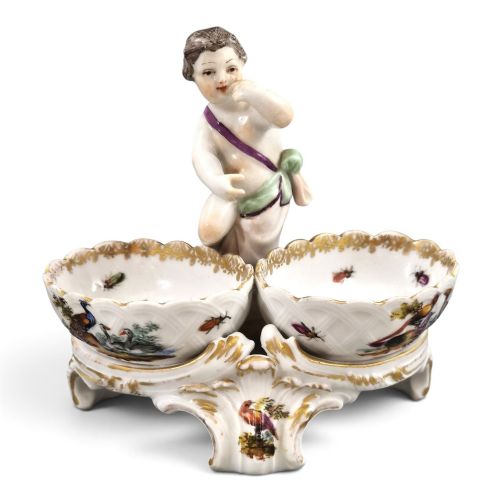
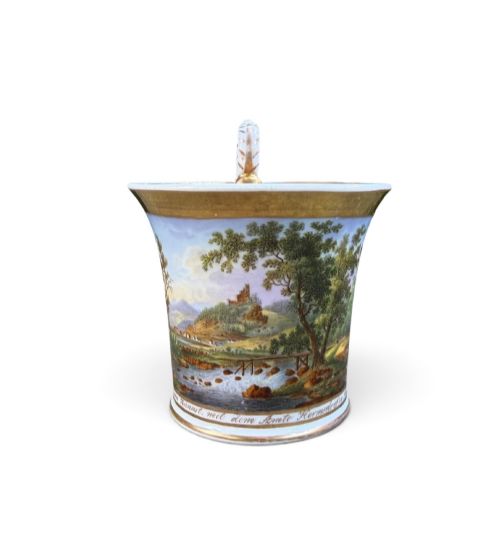
When you search for kpm berlin porcelain, you encounter a range of nineteenth-century decorative and functional items produced by the royal Prussian manufactory. The selection on this page centres on cabinet cups, decorative plaques, figural salts, and large lidded vases.
The objects span varied aesthetic movements including Neoclassical, Rococo Revival, and Biedermeier styles. Pieces frequently feature detailed hand-painted topographical views, figural subjects, and ornithological studies.
How they were made
Makers utilised hard-paste porcelain fired at high temperatures to create durable, bright white bodies suitable for detailed miniature painting. Enamel pigments were applied by hand and fired repeatedly to fix the polychrome decoration onto the glazed surface.
Gilding with gold leaf and burnished gold accents was frequently added to borders, handles, and frames to enhance the ornamental finish of plates, cups, and plaques.
A porcelain egg on legs sits in the archive alongside winged cherubs and a porcelain month figurine of a young boy.
What varies in quality
The distinction between standard production and the finest work lies primarily in the skill of the hand-painted execution. Superior examples display meticulously rendered facial expressions, precise topographical detail, and delicate brushwork on portraits and figurative scenes.
The application and tooling of gold leaf also indicate grade, with finer items featuring rich, hand-chased gilding that complements the painted central composition.
KPM Berlin
The Kpm Berlin Porcelain Glossary
- Hard-paste porcelain
- A dense, vitrified ceramic compound composed of kaolin and petuntse fired at high temperatures. It forms the durable white body characteristic of these German manufactory pieces.
- Cabinet cup
- A specialised small cup and saucer intended for display in a cabinet rather than for regular dining use. They often feature hand-painted landscapes or portraits.
- Porcelain plaque
- A flat, glazed ceramic panel painted with a pictorial subject and mounted for hanging or framing. These panels typically reproduce fine art or historical portraits.
- Neuzierat
- A specific moulding style associated with German porcelain production. It designates a relief-moulded border pattern common on nineteenth-century tableware.
- Gilding
- The application of gold leaf or gold paint to ceramic surfaces. It is used to accent rims, handles, and frames.
Kpm Berlin Porcelain: Frequently Asked Questions
What is kpm berlin porcelain?
Kpm berlin porcelain refers to items produced by the Royal Porcelain Factory in Berlin, marked by high-grade hard-paste ceramic bodies and detailed hand-painted decoration.
The manufactory produced everything from cabinet cups and sugar shakers to large decorative wall plaques throughout the nineteenth century.
How were porcelain plaques used?
Porcelain plaques served as portable works of art designed to be hung on walls or displayed within protective ormolu frames in domestic interiors.
They often depicted romantic literature scenes, classical figures, or historical portraits painted with enamel colours.
How do I identify a cabinet cup?
Cabinet cups are smaller decorative vessels accompanied by saucers, intended primarily for display in cabinets rather than functional tea service.
They frequently showcase topographical views or finely executed portraits framed by extensive gold leaf gilding.
What styles influence these pieces?
The pieces reflect several distinct design movements including Neoclassical, Rococo Revival, and Biedermeier aesthetics spanning the nineteenth century.
These influences appear in the moulded shapes, scroll handles, and classical motifs framing the painted imagery.