


Vintage Porcelain Teacup
A vintage porcelain teacup brings the weight of past dining rooms to the hand, carrying enamels and gold leaf from the eighteenth century onward.
Vintage Porcelain Teacup
A vintage porcelain teacup represents domestic rituals spanning centuries, appearing across this page as single cabinet cups, matched trios, and complete afternoon tea sets. The selection ranges from eighteenth-century English tea bowls to twentieth-century bone china services, reflecting changing forms of hospitality.
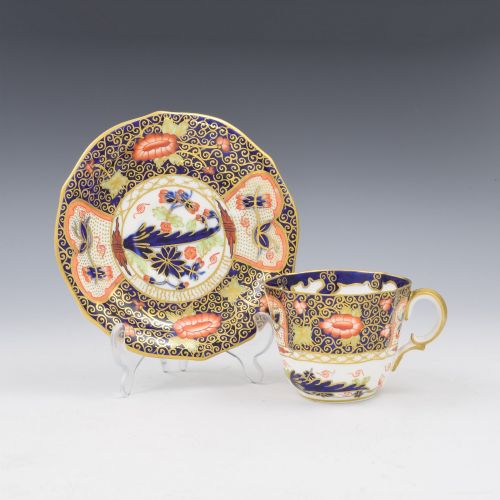
The most frequent examples on this page date from the nineteenth and early twentieth centuries, encompassing Edwardian floral designs and Victorian imari patterns. These pieces trace developments in ceramic manufacturing from soft-paste compositions to refined bone china.
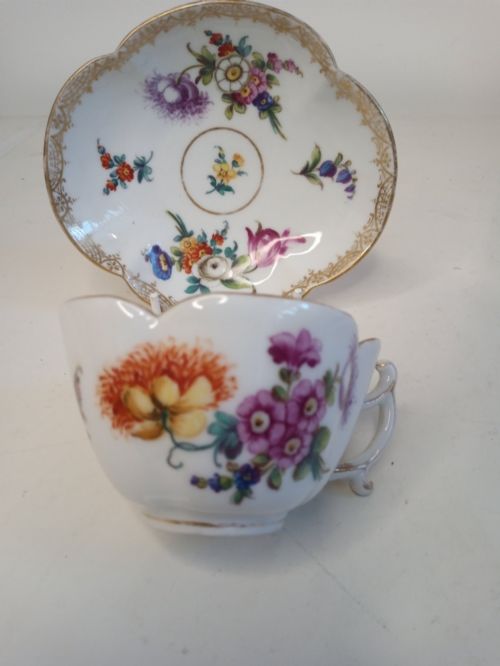
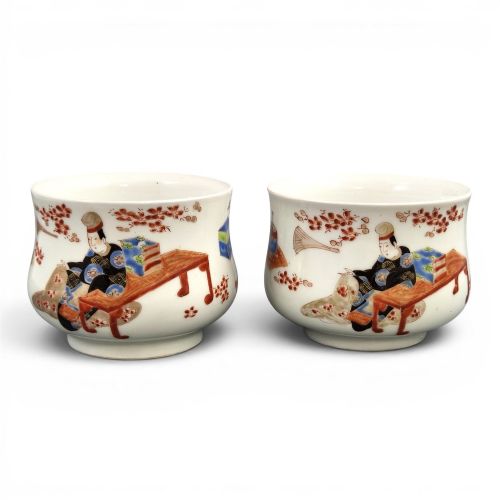
Origin points stretch from English potteries like Worcester and Coalport to continental factories including KPM Berlin and Old Paris, alongside Japanese export wares. Each piece records the aesthetic preferences of its period, from rococo revival curves to art deco geometric patterns.
How they were made
Potters shaped these vessels using porcelain and bone china bodies, firing them at high temperatures to achieve vitrification. Early pieces often utilised soft-paste porcelain, while later factories adopted harder mineral pastes or bone ash mixtures.
Decoration relied on hand-painted enamels, transfer printing, and applied gold leaf or gilding. Artisans fixed these pigments through subsequent kiln firings, creating durable surfaces that survived daily use.
Listings feature porcelain forms spanning the eighteenth, nineteenth, and twentieth centuries, including pieces from English, French, German, Russian, and Japanese makers.
What varies in quality
Quality rests upon the delicacy of the potting and the precision of the hand-painted or transfer-printed decoration. Thinner walls and crisp, translucent bodies distinguish finer cabinet pieces from thicker utilitarian wares.
The application of gold leaf and enamel work separates standard production items from master-painted examples. Artisans who executed detailed motifs with steady brushwork produced pieces with lasting visual depth.
Royal Crown Derby·Royal Worcester·Shelley·KPM Berlin·Spode·Lowestoft Porcelain·Gardner Moscow Factory
The Vintage Porcelain Teacup Glossary
- Soft-Paste Porcelain
- An early artificial ceramic composition made from glass frit and white clay. It fires at lower temperatures than true hard-paste porcelain and shows a warm, creamy tone under the glaze.
- Bone China
- A type of porcelain incorporating animal bone ash. This material permits thinner potting and high translucency while maintaining structural strength.
- Imari
- A decorative style originating in Japan and later copied in Europe. It typically employs a palette of underglaze blue, iron red, and abundant gold gilding.
- Cabinet Cup
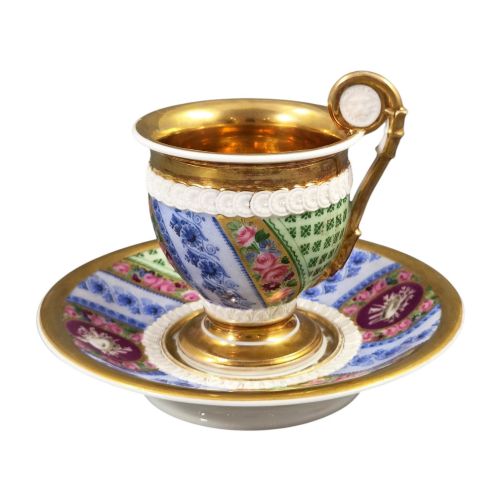
- A decorative cup made primarily for display rather than drinking. These pieces often feature elaborate handles, transfer prints, or hand-painted pastoral scenes.
- Bat Print
- A transfer-printing technique using stipple engraving transferred via a glue bat. This method produced delicate, greyish-brown monochrome images on porcelain surfaces.
- Gilding
- The application of gold leaf or gold paint to ceramic rims and handles. It provides a decorative border that highlights the contours of the cup and saucer.
Vintage Porcelain Teacup: Frequently Asked Questions
How do I date a porcelain teacup?
Dating relies on factory marks stamped or painted on the base, stylistic indicators like handle shapes, and the composition of the ceramic body. Examining the glaze and wear patterns also helps determine the approximate period of manufacture.
Earlier pieces from the eighteenth century often lack factory marks entirely, requiring stylistic attribution based on paste characteristics and painting techniques. Twentieth-century items frequently feature registration numbers or specific maker ciphers.
Can I use antique teacups for daily tea?
Most antique and vintage porcelain teacups remain structurally sound for occasional use, provided they do not have visible cracks or unstable repairs. Hand washing protects the delicate enamels and gold gilding from modern detergents.
Pieces containing soft-paste porcelain or delicate overglaze enamels benefit from gentle handling and avoidance of sudden temperature shifts. Cabinet cups designated for display are generally best kept off the dining table.
What is the difference between a teacup and a tea bowl?
Tea bowls lack handles entirely, reflecting earlier East Asian drinking customs adopted by European trade in the seventeenth and eighteenth centuries. They require cradling in the hands to sip hot liquids safely.
Teacups incorporate applied handles for convenience, a development that gained popularity as tea-drinking habits evolved in the Georgian period. Both forms appear frequently in early ceramic collections.
Why do some cups have saucers with no indentations?
Early saucers functioned as shallow bowls intended for cooling hot tea before consumption. The central well or indentation common in modern saucers did not become standard until the nineteenth century.
Using a flat saucer allows the cup to rest flexibly in various positions. This historic design reflects a different etiquette surrounding tea consumption in past centuries.