

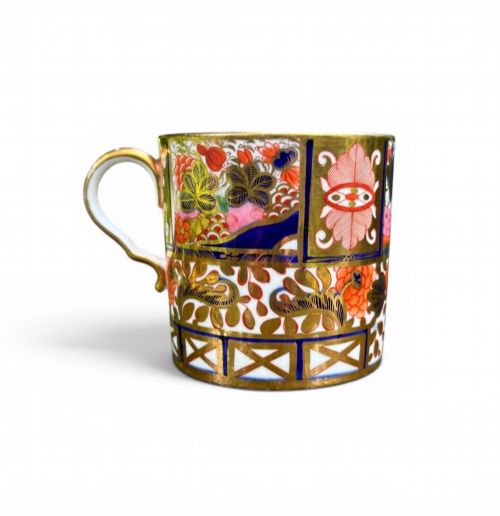


English Bone China Cup
When you handle an english bone china cup, you hold a tangible piece of Georgian and Victorian social history crafted for daily elegance.
English Bone China Cup
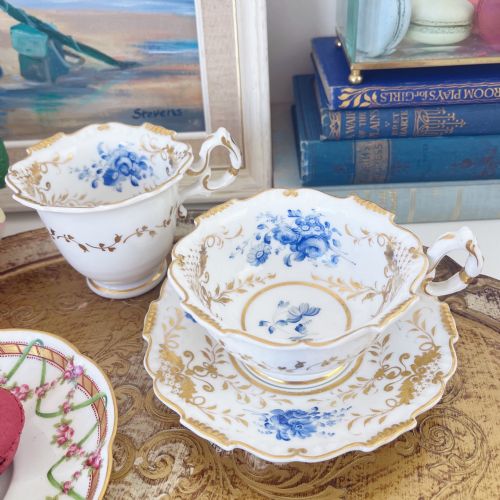
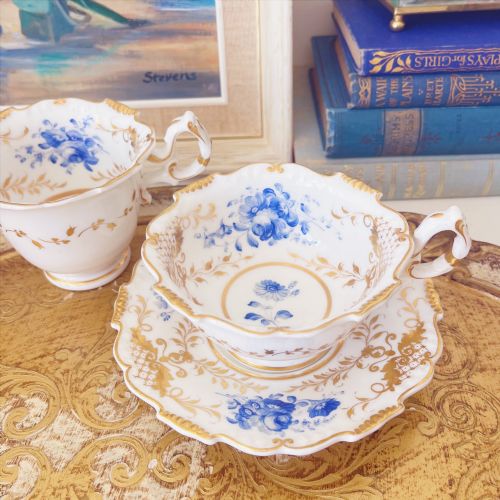
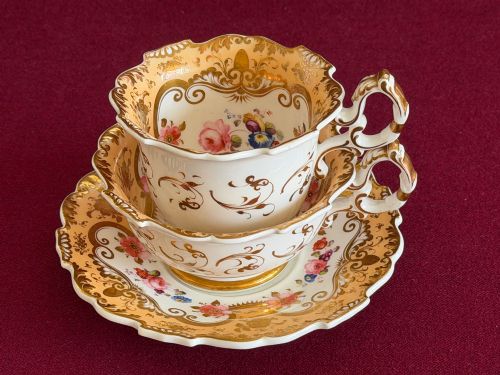
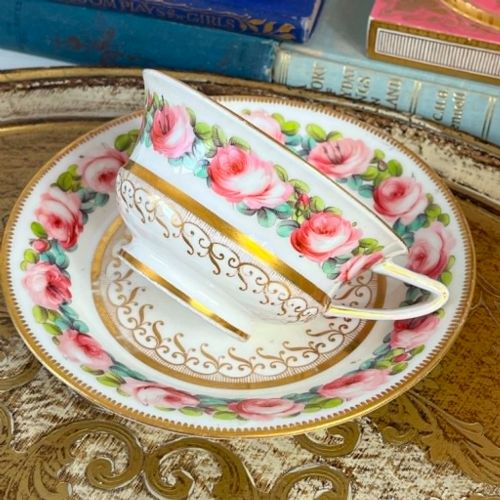
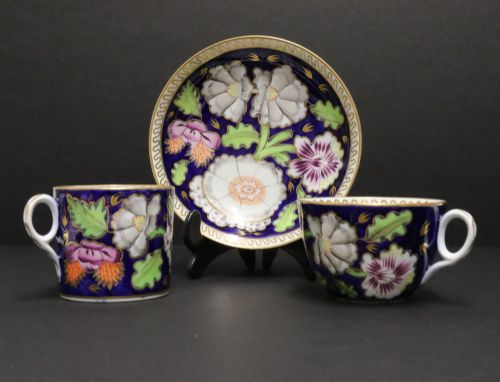
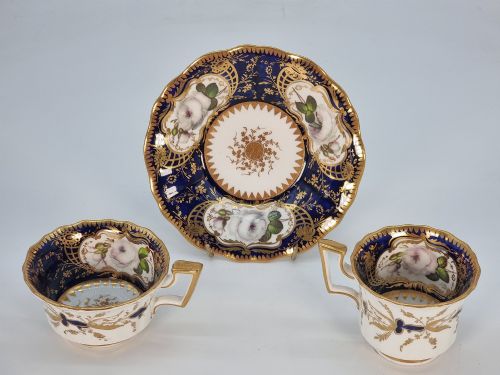
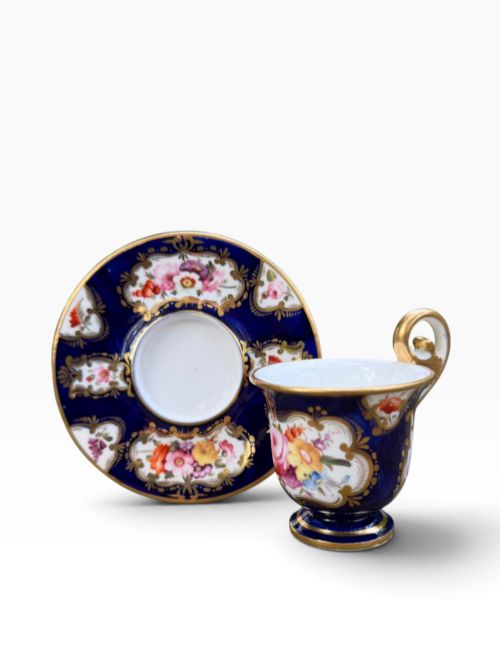
An english bone china cup search brings up tea and coffee wares spanning the Georgian, Regency, and Victorian periods, along with early twentieth-century examples. The selection includes individual duos, trios with matching side plates, and full afternoon tea services designed for formal entertaining.
You will frequently encounter cabinet pieces, coffee cans, and demitasse sets originating from historic potteries such as Spode, Coalport, and Royal Worcester. These items range from simple domestic tableware to elaborately painted cabinet specimens meant for display.
The periods represented stretch from the eighteenth century into the 1930s, showing shifts in domestic dining habits from morning chocolate cups to large afternoon tea services. Each form reflects the social rituals of its decade, utilising traditional shapes like the Shrewsbury or the cabinet cup.
Assessing Quality
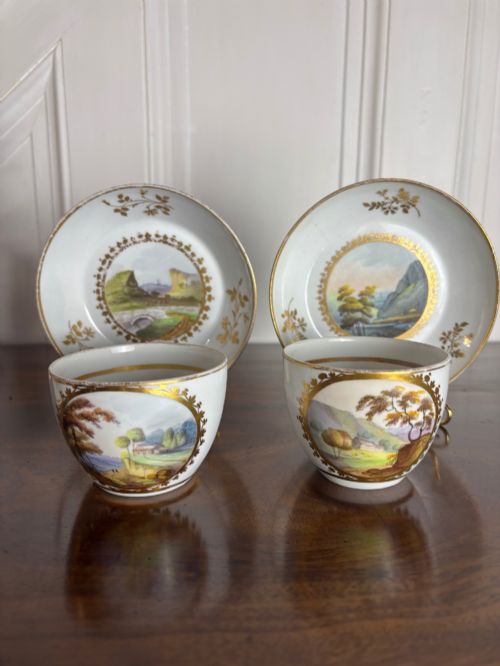
The distinction between standard domestic ware and high-end cabinet pieces rests primarily on the ambition of the handpainting and the precision of the gilding. Superior examples display meticulous miniature painting of subjects like botanical studies or landscapes, executed by skilled artisans rather than standard factory hands.
Body thickness and translucency also separate the grades, with finer pieces offering a lighter weight and greater clarity when held to the light. The prestige of the maker and the complexity of the pattern, such as Imari palettes or raised gold work, further elevate a piece within the range.
Listings feature traditional English pottery periods ranging from Georgian and Regency production up to mid twentieth-century Royal Worcester.
H & R Daniel·Davenport·Coalport·Minton·Spode·Flight, Barr & Barr·Royal Worcester·Newhall·Hicks, Meigh & Johnson·Doric China
The English Bone China Cup Glossary
- Bone China
- A type of porcelain composed of clay, feldspar, and bone ash. This formula creates a strong, white, and slightly translucent body.
- Cabinet Cup
- A decorative vessel intended for display in a china cabinet rather than everyday use. These pieces often feature elaborate handpainted scenes.
- Coffee Can
- A small, straight-sided cylindrical cup designed specifically for drinking strong black coffee in the eighteenth and nineteenth centuries.
- Trio
- A matching set comprising a teacup, a saucer, and a corresponding side plate. They became standard for formal afternoon tea service.
- Demitasse
- A small cup used for serving espresso or Turkish coffee. The name translates literally to half cup in French.
English Bone China Cup: Frequently Asked Questions
How do I use antique cups safely?
Most historic tea wares are robust enough for gentle use, provided you wash them by hand in warm water.
Avoid thermal shock by not pouring boiling water directly into a cold cup.
What is the difference between a duo and a trio?
A duo consists of a matching cup and saucer designed for hot beverages.
A trio adds a matching salad or bread-and-butter plate to complete the set for light meals.
How do I date an antique porcelain cup?
Datings rely on maker marks stamped or painted on the base, stylistic clues, and pattern numbers.
Comparing the shape and floral motifs to known factory production periods helps narrow the year.
Why are some cups called cabinet cups?
Cabinet cups were made primarily for display behind glass rather than functional dining.
They often feature delicate gilding and intricate handpainted scenes that would suffer from regular handling.