
Hand Painted Teacup Saucer
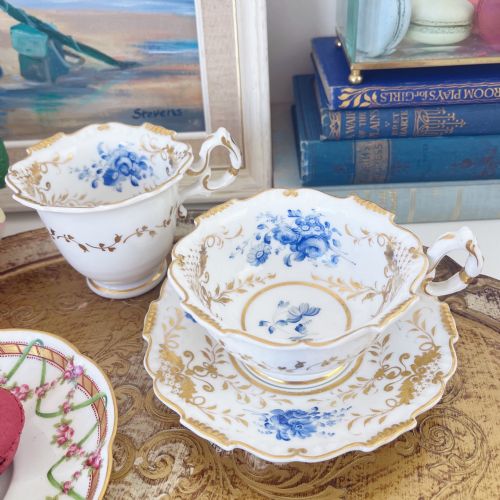
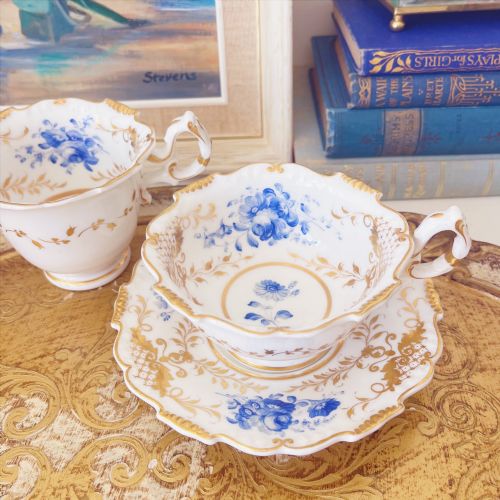
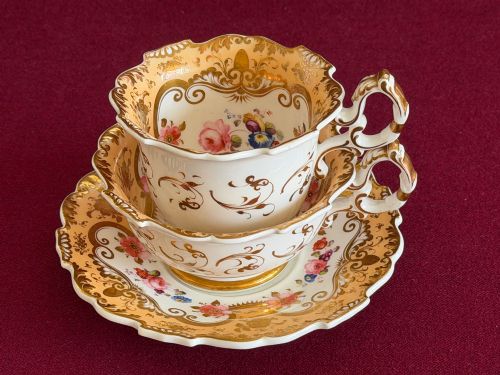
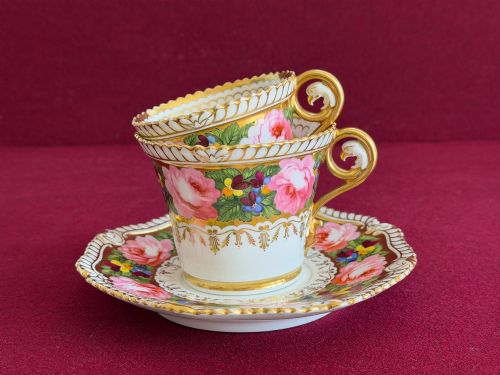
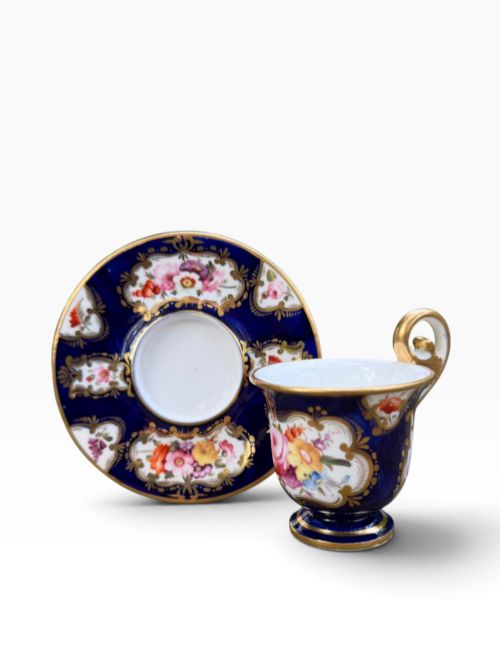
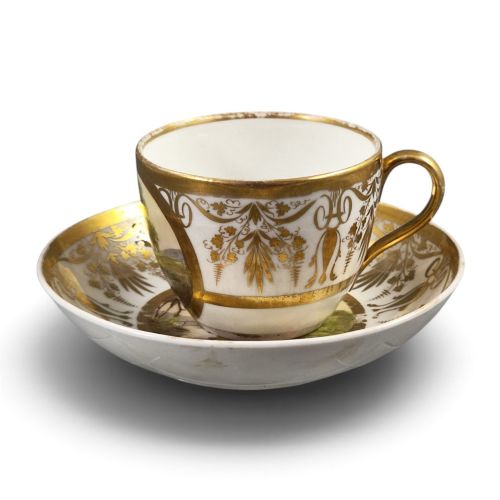
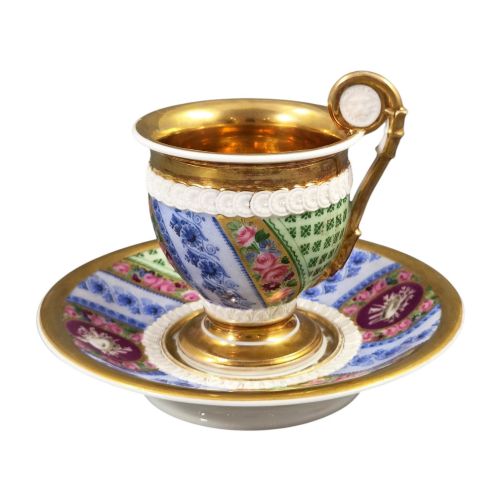
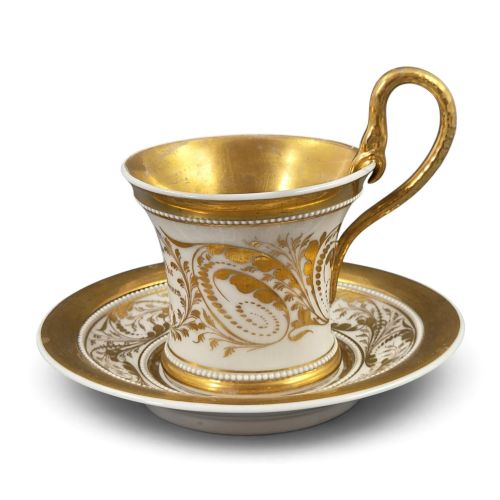
These hand painted teacup saucer sets bring Georgian porcelain and Regency style straight to the table.
Understanding hand painted teacup saucer sets
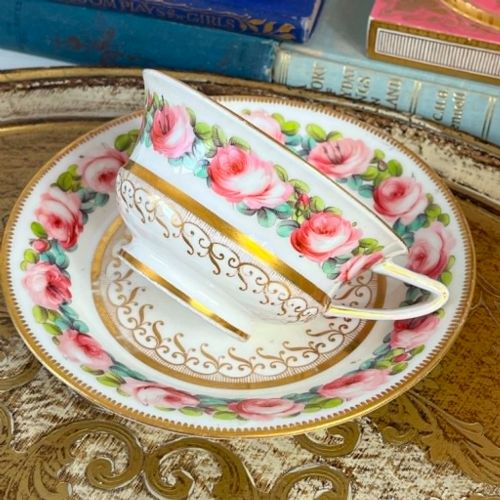
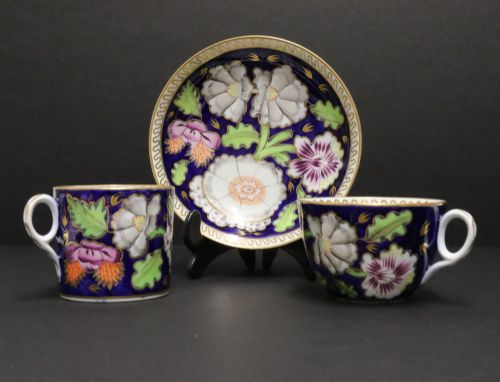
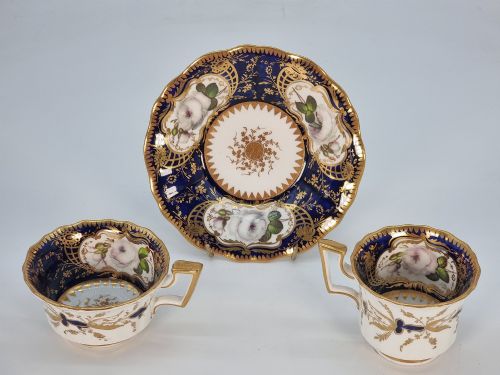
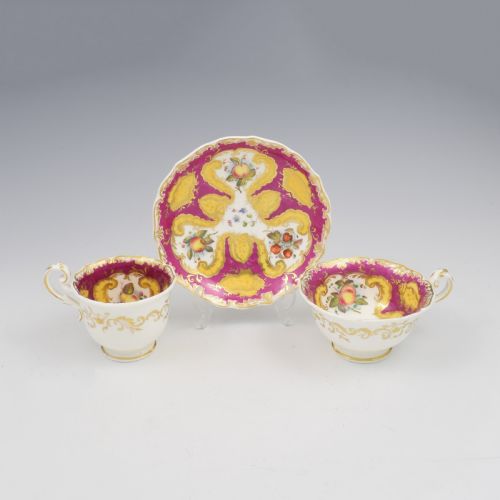
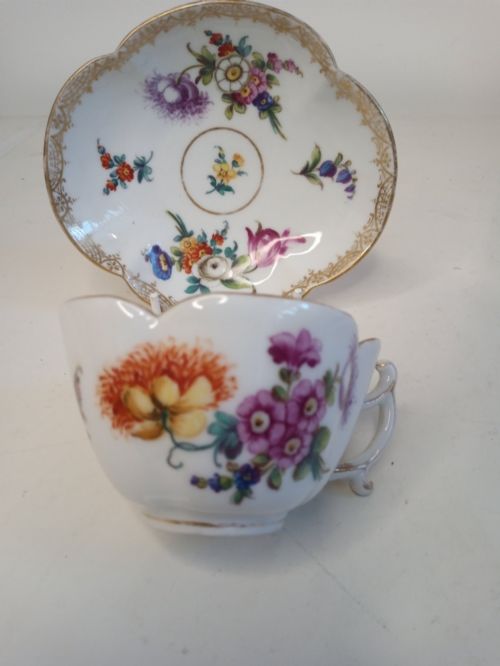
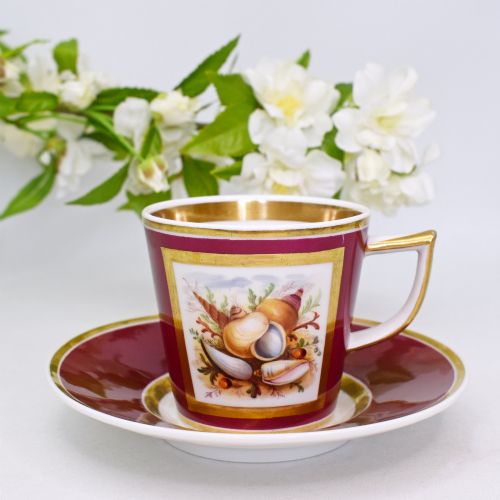
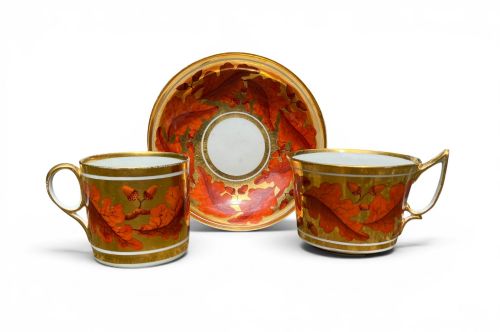
A hand painted teacup saucer set represents the refined porcelain drinking vessels of the Georgian and Regency periods. These pieces combine delicate ceramics with detailed hand-painted decoration, capturing the domestic elegance of the early nineteenth century.
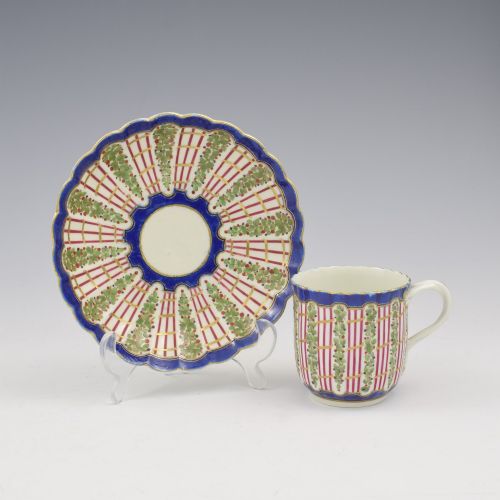
The selections available include duos and trios featuring botanical motifs, exotic birds, and gilded finishes. Forms range from standard teacups to shaped vessels such as Adelaide, foliage, and shell designs.
Buyers searching for a hand painted teacup saucer will find items originating from notable English potteries of the era. Each pairing demonstrates the traditional forms utilised during the height of British ceramic artistry.
Materials and manufacture
Potters of the period utilised fine porcelain as the foundational body for these wares, shaping them either by hand or in specialised moulds to create distinct forms like shell and foliage outlines. This ceramic base provided a smooth, white surface ideal for subsequent decoration.
Artisans applied enamel colours by hand to create intricate floral and animal subjects across the surface of the cup and saucer. Gold leaf was frequently added by hand to highlight rims, handles, and borders, completing the decorative scheme through careful firing.
Materials recorded across these pieces are strictly limited to porcelain, enamel, and gold leaf.
Judging quality in early ceramics
The standard of execution in the hand-painted details dictates the distinction between ordinary and superior examples. Finer pieces display precise brushwork and nuanced shading in subjects like floral sprays and avian motifs, whereas simpler items show more repetitive or hurried application.
The application of gold leaf and the crispness of moulded porcelain forms further separate the grades. Pieces retaining bright, burnished gilding and sharply defined shapes represent the higher tier of production from this era.
Flight Barr and Barr·Coalport·Ridgway·H and R Daniel
The Hand Painted Teacup Saucer Glossary
- Porcelain
- A fine, white, vitrified ceramic material fired at high temperatures, forming the primary body of Georgian teawares.
- Enamel
- Opaque vitreous coloured compositions painted onto the glazed surface of the ceramic before a secondary low-temperature firing.
- Gold leaf
- Extremely thin sheets of beaten gold applied to the porcelain to accent rims, handles, and painted panels.
- Regency style
- The prevailing British aesthetic during the early nineteenth century, characterised by classical restraint and rich decorative detailing.
- Duo
- A matched set consisting solely of a teacup and a saucer, excluding any accompanying side plate.
Frequently Asked Questions
What is a teacup and saucer duo?
A duo consists strictly of a matched teacup and saucer. This pairing leaves out the third piece found in a traditional trio.
Such sets were standard for serving tea in polite society during the Georgian period.
How do I identify a Georgian teacup?
Georgian teacups typically feature porcelain bodies paired with handle shapes and decorative motifs specific to the late eighteenth and early nineteenth centuries. Makers of this era often utilised hand-painted enamels and gold leaf.
Examining the shape of the cup and the style of the hand-painted flora or fauna helps confirm the period.
Were these cups used daily?
These delicate porcelain vessels were primarily created for formal tea service among the wealthier classes. Their fine construction meant they required careful handling during social gatherings.
Today, they are largely collected for display rather than robust daily use.
What does shell shape mean?
Shell shape refers to ceramic pieces moulded to mimic the fluted contours of natural sea shells. This decorative moulding was popular among Regency period potteries.
It added sculptural interest to otherwise standard teacup and saucer forms.