
Antique Porcelain Tea Cup
An antique porcelain tea cup brings domestic history to the hand, offering fragile artistry from the eighteenth and nineteenth centuries.
Antique Porcelain Tea Cup
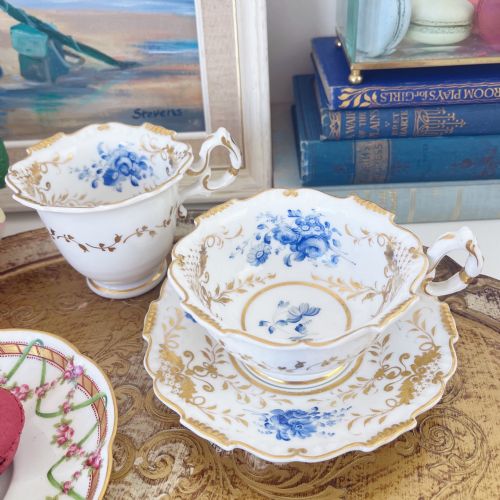
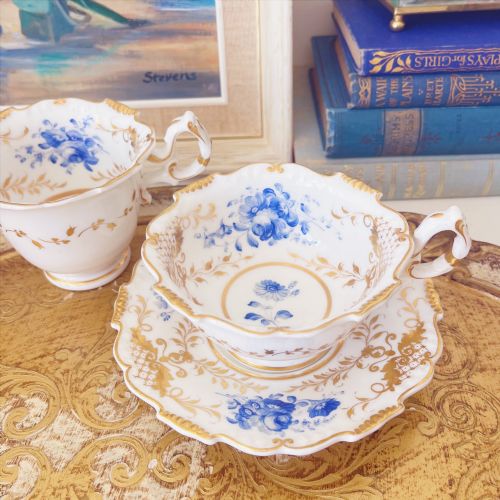
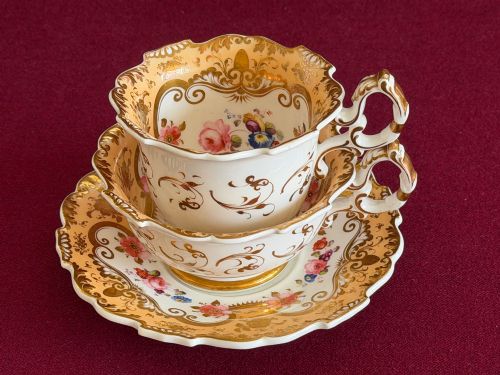
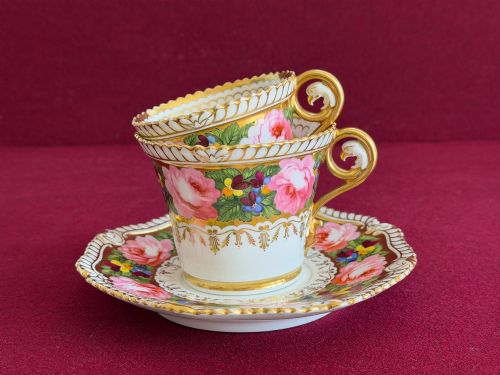
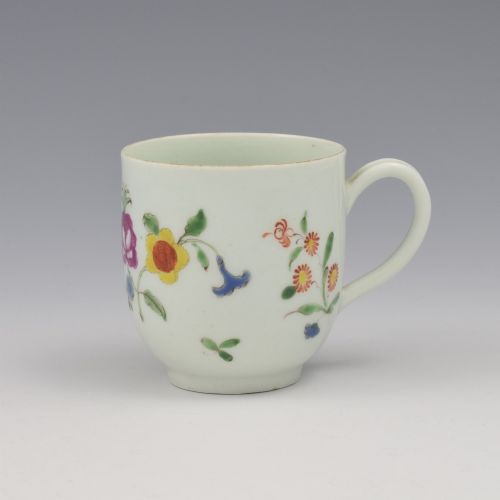
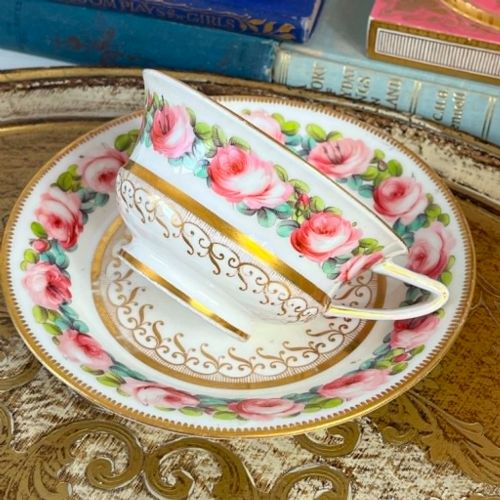
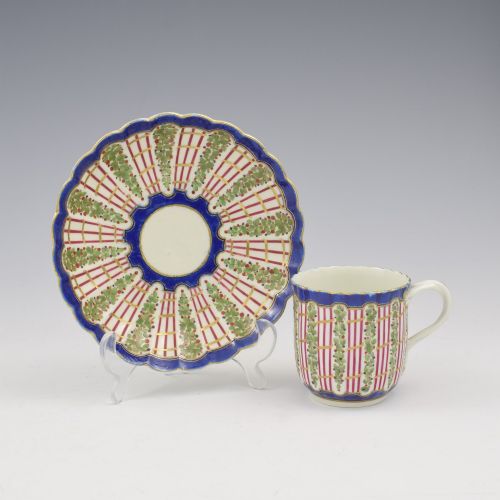
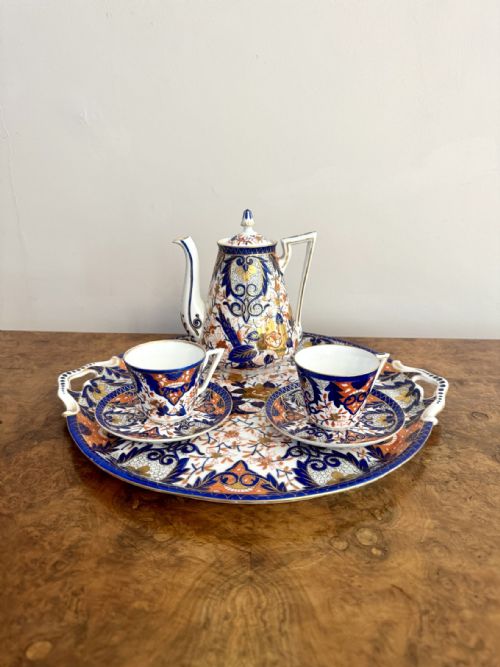
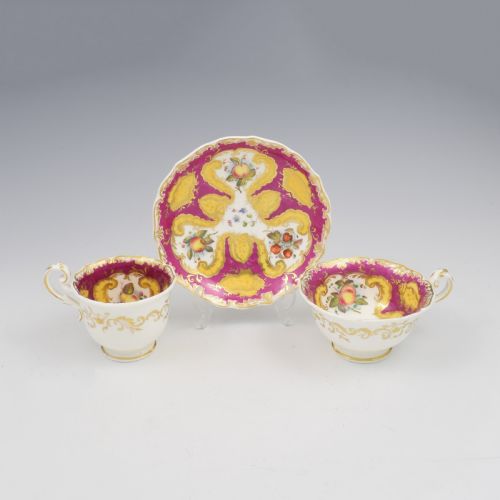
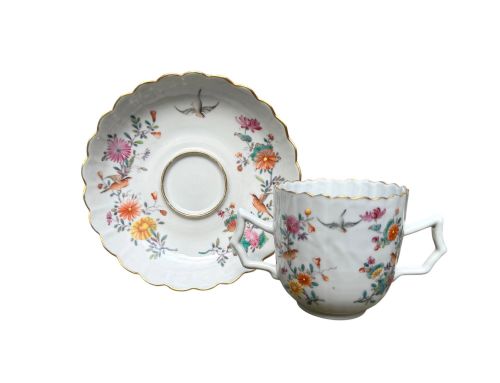
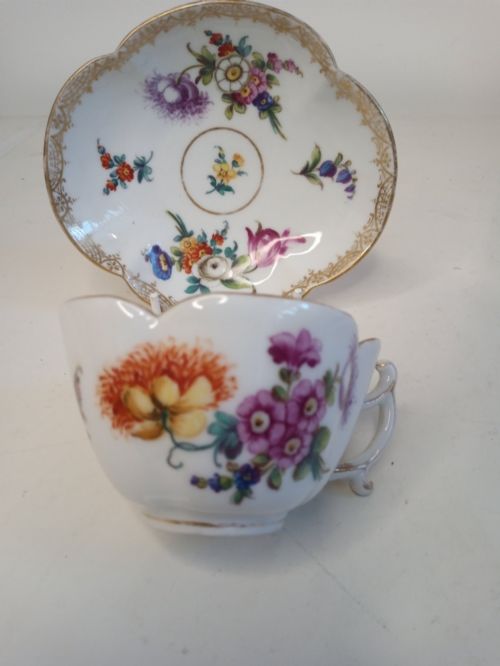
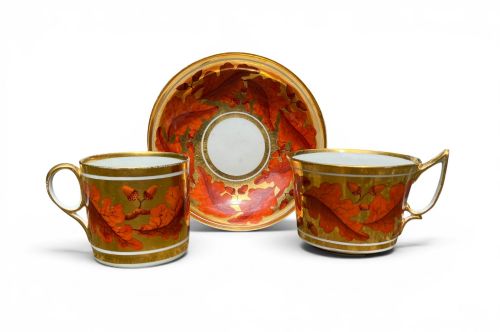
An antique porcelain tea cup represents a centuries-old tradition of ceramic drinking vessels, often accompanied by matching saucers, trios, or entire tea services.
Buyers encountering this phrase will find diverse regional forms, ranging from English factories like Worcester and Coalport to continental producers such as KPM Berlin and Sevres, alongside Chinese export wares.
The objects span Georgian, Regency, and Victorian periods, manifesting as delicate tea bowls without handles in the eighteenth century or footed cups with intricate handles by the nineteenth.
Materials and Manufacture
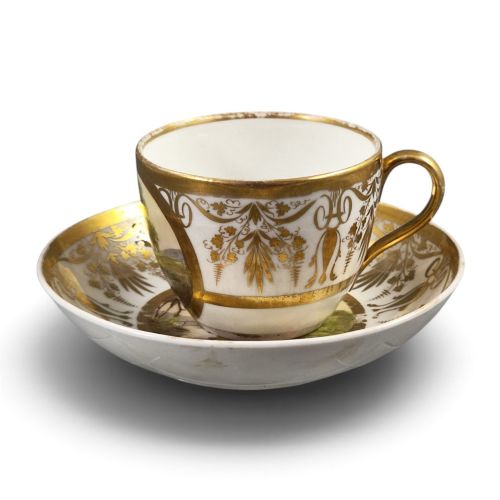
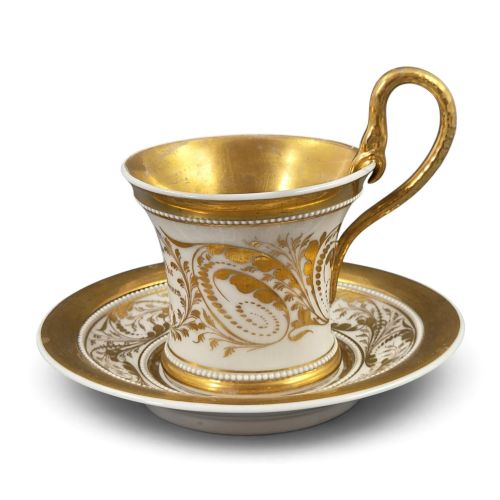
Potters shaped these vessels using hard-paste and soft-paste porcelain, as well as bone china, applying rich enamels and gold leaf for surface decoration.
Many pieces display handpainted scenes, underglaze blue painting, or transfer printing, finished with extensive gilding that required precise kiln firing.
Some nineteenth-century cups feature hidden painted frogs inside the base, designed to startle unsuspecting drinkers as they finished their tea.
Assessing Quality and Execution
Quality rests in the crispness of the porcelain body, the translucency of the paste, and the skill evident in handpainted botanical, landscape, or avian motifs.
Superior examples exhibit refined potting, controlled gilding application, and artistic precision from notable manufactories rather than standard commercial output.
H and R Daniel·Chamberlain Worcester·Richard Chaffers·Newhall·Coalport·KPM Berlin·Derby·Minton·Sevres·Royal Worcester·Flight Barr and Barr·Hicks Meigh and Johnson
The Antique Porcelain Tea Cup Glossary
- Soft-paste porcelain
- An early ceramic composition fired at lower temperatures, prized by collectors for its creamy texture and warm glaze pooling.
- Trio
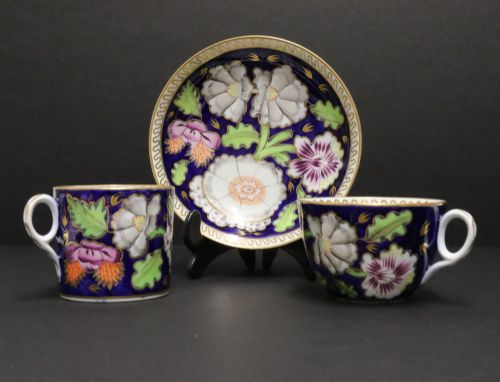
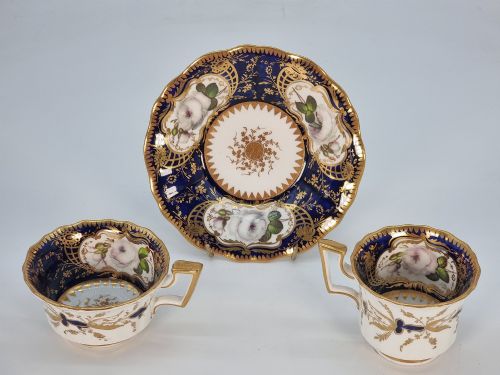
- A matched set comprising a tea cup, coffee cup, and saucer, frequently found in Regency and Georgian cabinet sets.
- Underglaze blue
- A decorative technique where cobalt pigment is applied to the raw clay body before glazing and firing, ensuring permanence.
- Gilding
- The application of gold leaf or powdered gold to rims, handles, and borders to accentuate the luxury of the porcelain.
- Tea bowl
- A handleless drinking vessel derived from Chinese prototypes, common in eighteenth-century British and Asian ceramic production.
Antique Porcelain Tea Cup: Frequently Asked Questions
What is the difference between a tea cup and a tea bowl?
Eighteenth-century tea bowls lack handles, reflecting the direct influence of imported Chinese prototypes from the Qing Dynasty. By the nineteenth century, handles became standard on English and European teacups for comfort.
Collectors appreciate both forms, though tea bowls demand a specific two-handed grip that links the user directly to Georgian tea rituals.
How do I date an antique porcelain tea cup?
Dating relies on factory marks, paste composition, shape evolution, and decorative styles such as handpainted floral panels or bat-printing. Georgian pieces often feature distinct soft-paste translucency, while Victorian items show heavier gilding.
Comparing pattern numbers with factory archives provides further chronological accuracy for Regency and nineteenth-century examples.
What does a cabinet trio include?
A cabinet trio consists of a matching teacup, coffee cup, and saucer, designed to display the versatility of a ceramic manufactory's painting skills. These sets were often purely decorative items housed in drawing-room display cabinets.
Finding a complete, undamaged trio from the Regency period remains a rewarding discovery for dedicated porcelain collectors.