
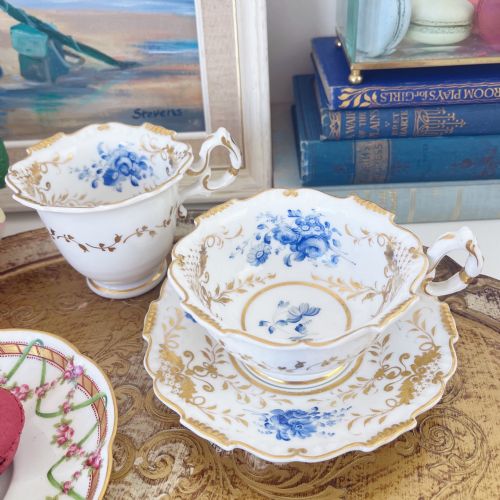
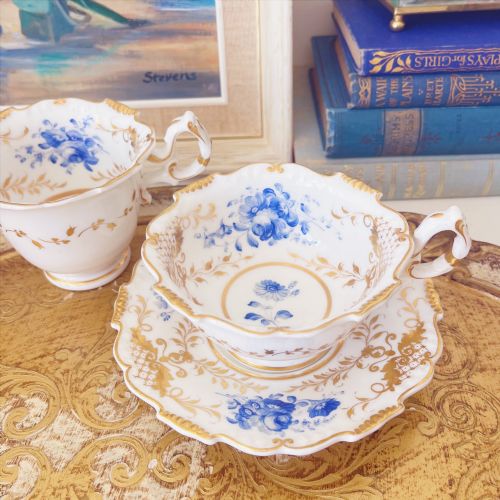
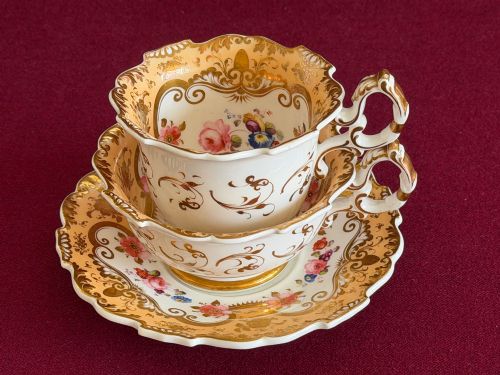
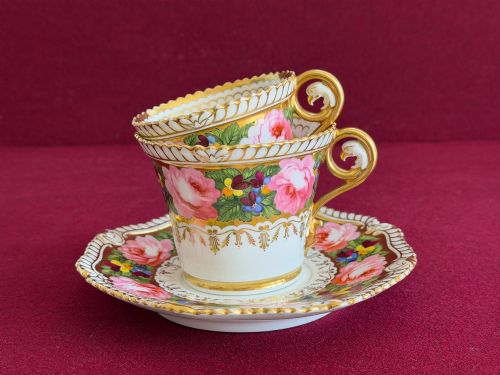


Regency Porcelain Tea Set
A regency porcelain tea set brings the elegance of the early nineteenth century to the table, offering refined forms that collectors prize for their intricate handpainted decoration.
Regency Porcelain Tea Set
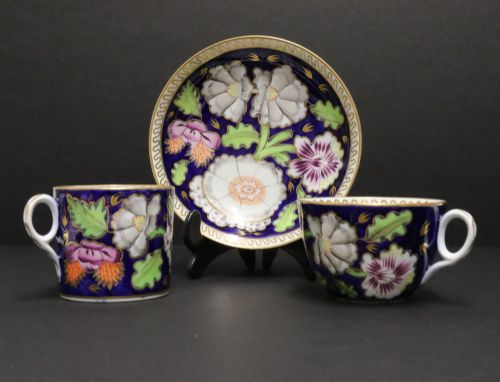
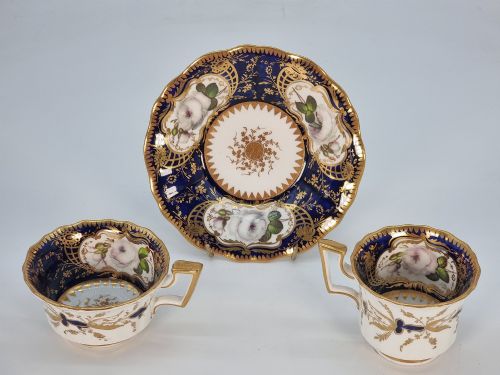
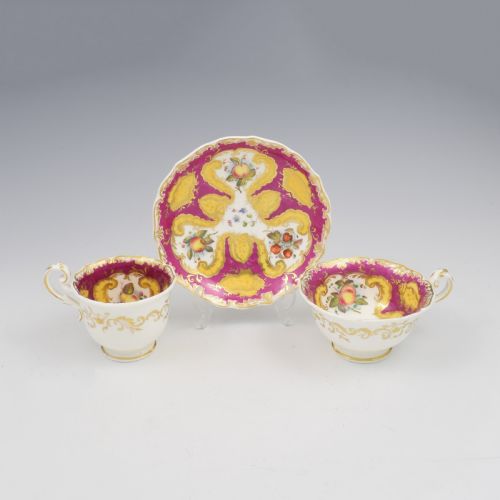
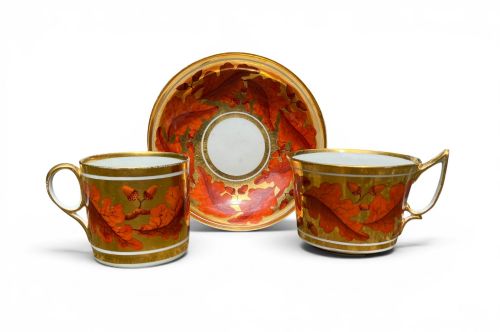
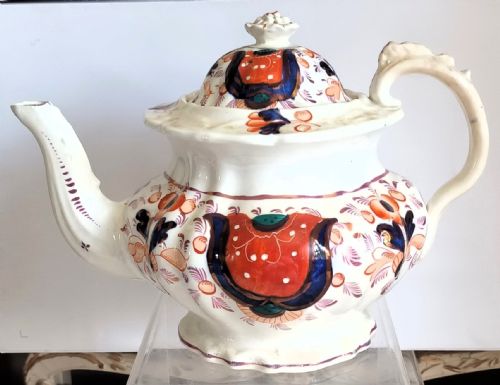
A regency porcelain tea set comprises grouped components designed for social dining, spanning the Georgian, Regency, and nineteenth-century periods. Buyers searching this phrase most frequently encounter trios of teacups, coffee cups, and saucers, alongside individual teapots, sugar bowls, and tea services.
The objects originate from notable English factories and potteries active during the early eighteen-hundreds. Pieces manifest in stylistic variations ranging from standard Regency forms to Georgian Neoclassical and Regency Chinoiserie.
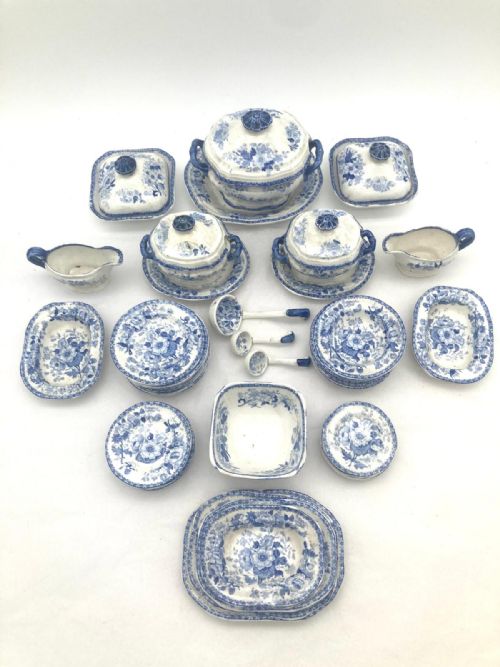
Compositions extend to specialised items such as cabinet trios and child-sized services. Surviving elements reflect the domestic habits of elite households during the early decades of the nineteenth century.
Distinctions in craftsmanship
The standard of a set rests upon the precision of the handpainted details and the crispness of the porcelain body. Superior examples display intricate, expertly applied enamel work and careful gilding that remains intact.
Factory attribution also influences standing, with products from established names commanding specific interest for their distinct forms and pattern execution. The preservation of original matching components within a service elevates the overall integrity of the grouping.
Listings feature porcelain, bone china, earthenware, and stone china decorated with handpainted enamels and gold leaf from the 19th Century, Regency, and Georgian periods.
H & R Daniel·Chamberlain Worcester·Newhall·Coalport·Minton·Derby·Flight Barr & Barr·Hicks Meigh & Johnson·Ridgway·Spode·Davenport
The Regency Porcelain Tea Set Glossary
- Trio
- A set consisting of a teacup, a coffee cup, and a saucer. These three pieces form the standard unit found in many early nineteenth-century services.
- Cabinet trio
- A decorative set intended for display in a cabinet rather than for daily use. Such pieces often feature particularly elaborate painting and gilding.
- Sucrier
- A covered sugar bowl designed to match the teacups and teapot. This vessel forms an essential component of a complete tea service.
- Bone china
- A type of porcelain incorporating animal bone ash into the paste. This composition produced a strong, slightly translucent ceramic body favoured by English potteries.
- Stone china
- A durable, heavy earthenware body developed during the nineteenth century. It offered greater resilience while maintaining the appearance of fine porcelain.
Regency Porcelain Tea Set: Frequently Asked Questions
What pieces make up a tea set?
A standard service includes teacups, coffee cups, and saucers, often accompanied by a teapot, sugar bowl, and additional plates. Trios combine the three cup and saucer elements for individual use.
Larger services provide matching vessels to accommodate multiple guests during formal gatherings.
How do I date these ceramics?
Dating relies on factory marks, pattern numbers, and stylistic markers characteristic of the early nineteenth century. Georgian and Regency designs exhibit specific neoclassical or chinoiserie traits.
Comparative analysis of paste types and painting styles further narrows the period of manufacture.
Can I use these for tea?
These antique ceramics are generally reserved for display or careful collection due to their age and delicate nature. Handpainted enamels and gold leaf require gentle handling to prevent wear.
Most owners treat them as cabinet pieces rather than functional tableware.
What is a cabinet trio?
A cabinet trio is a matched teacup, coffee cup, and saucer set created primarily for display in a cabinet. These items usually feature superior painting and generous gilding.
They represent the finest decorative output of early nineteenth-century porcelain factories.
How do I care for porcelain?
Maintenance involves gentle cleaning with lukewarm water and mild soap when necessary, avoiding abrasive materials. Displaying pieces away from direct sunlight protects the enamel colours and gold leaf.
Secure placement prevents accidental impact damage to fragile handles and rims.