


Polychrome Ceramic Saucer
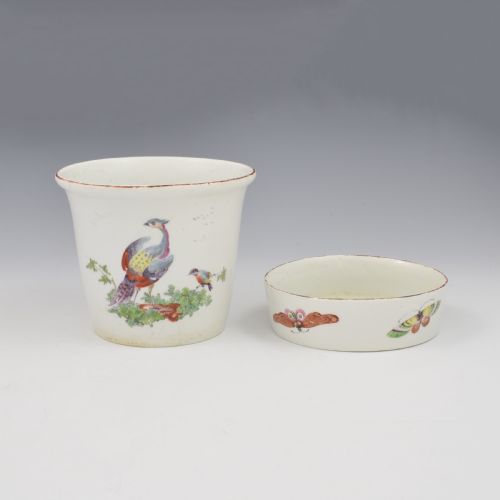
These colourful ceramic saucer examples bring hand-painted enamels and intricate glazes straight to the table from eighteenth-century and nineteenth-century kilns.
Polychrome Ceramic Saucer
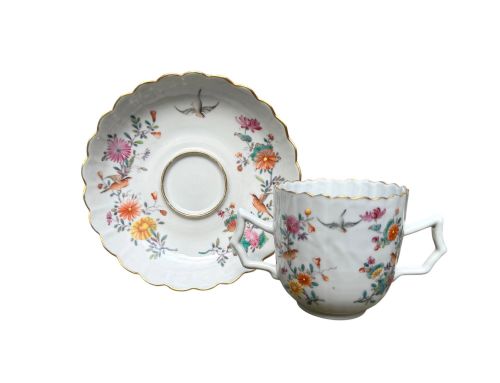
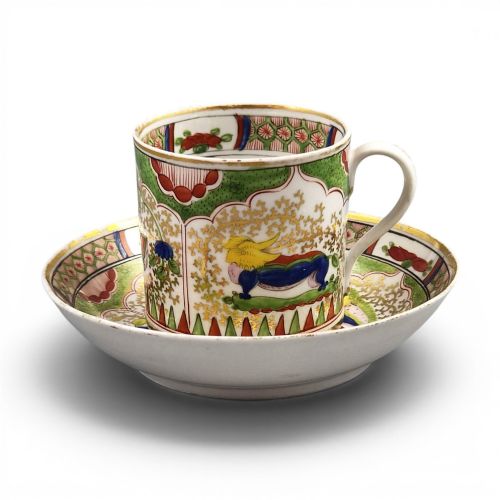
A polychrome ceramic saucer is a small dish designed to hold a cup, featuring multi-coloured painted decoration rather than a single monochrome glaze. You will encounter various forms here, ranging from eighteenth-century Chinese export tea bowls with matching saucers to nineteenth-century English porcelain coffee cups and sets.
The selections span distinct periods, including Georgian, Regency, and Qing Dynasty eras, alongside later pieces from the Meiji period and the early twentieth century. Many items appear as part of matched sets or paired cup and saucer combinations.
Origin points visible across the pieces include English manufactories like Worcester and Derby alongside Chinese export porcelain and Japanese Satsuma ware. Each regional workshop brought its own palette and brushwork traditions to the ceramic surface.
Materials and construction methods
Potters shaped these pieces from porcelain, soft-paste porcelain, and earthenware before applying elaborate painted designs. Many items incorporate enamel pigments that required secondary firing to fuse the colours onto the glazed body.
Gold leaf and gilt details frequently accent the painted motifs, adding reflective highlights to the ceramic surface. Certain items combine these ceramic bodies with fitted presentation cases lined in satin and leatherette.
Some nineteenth-century coffee cups and saucers arrive nestled inside their original fitted satin and leatherette presentation cases.
Assessing craftsmanship and execution
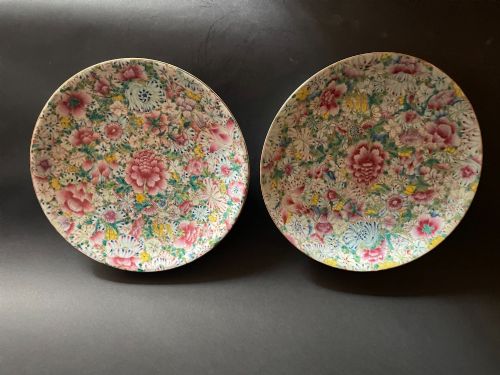
Quality rests in the precision of the hand-painted brushwork, where finer examples display sharp delineation in multi-coloured scenes like famille rose or Mandarin palette patterns. The clarity of the glaze and the successful vitrification of the ceramic body also distinguish high-grade items.
The application of gold leaf and enamels shows distinct variation, with superior pieces maintaining crisp adherence without pooling or fading. Execution of complex motifs, such as figures or detailed floral arrangements, reveals the skill of the original decorator.
Flight, Barr & Barr·Royal Worcester·Meissen·Derby
The Polychrome Ceramic Saucer Glossary
- Polychrome
- Decorated in several colours. This term describes ceramics utilising a diverse enamel palette rather than single-colour underglazes.
- Famille Rose
- A major palette of Chinese ceramic enamels introduced in the Qing Dynasty. It is distinguished by its predominant opaque pink or rose colour derived from colloidal gold.
- Mandarin Pallet
- A style of Chinese export porcelain decoration featuring detailed human figures and narrative scenes. These often depict courtly or domestic activities within colourful borders.
- Soft-Paste Porcelain
- An artificial porcelain made from a mixture of white clay and glass frit. It was widely used by European factories before the discovery of natural hard-paste ingredients.
- Gilt
- Covered thinly with gold leaf or gold paint. This technique provides metallic highlights to ceramic rims and decorative borders.
Polychrome Ceramic Saucer: Frequently Asked Questions
How are these saucers best displayed?
These pieces suit cabinet display or shallow wall mounts where the painted surfaces remain visible. Careful placement away from direct sunlight protects vulnerable enamel colours over time.
Matching cups can sit alongside or rest upon the saucer depending on the display stand used. Individual dishes also function well on small plate stands to showcase central motifs.
Can I use antique saucers for daily dining?
Daily use is generally discouraged for eighteenth-century and nineteenth-century porcelain due to potential wear on delicate hand-painted enamels and historic gilt edges. Hand washing in lukewarm water without harsh detergents preserves the surface.
Modern dishwashers and microwaves will damage the historic glaze and metallic leaf. Treating these items as decorative objects ensures their preservation.
How do I identify the period of a saucer?
Dating relies on examining the paste, glaze characteristics, and painted motifs characteristic of specific reigns or manufacturing eras. Eighteenth-century pieces often display distinct potting traits and specific enamel palettes like the Mandarin style.
Later nineteenth-century and twentieth-century items show different factory marks and standardised potting techniques. Comparing stylistic markers helps narrow the production window.
What does export porcelain mean?
Export porcelain refers to wares manufactured specifically for overseas markets, particularly European and American buyers during the Qing Dynasty. These items combined traditional Eastern manufacturing techniques with shapes and motifs requested by foreign merchants.
Such pieces often reflect a cross-cultural exchange in design. They remain distinct from wares made purely for domestic use within China.