

Floral Chinese Ceramic
Floral chinese ceramic pieces span centuries of skilled firing and painting, offering buyers tangible links to historic workshops through painted botanical motifs.
Floral Chinese Ceramic
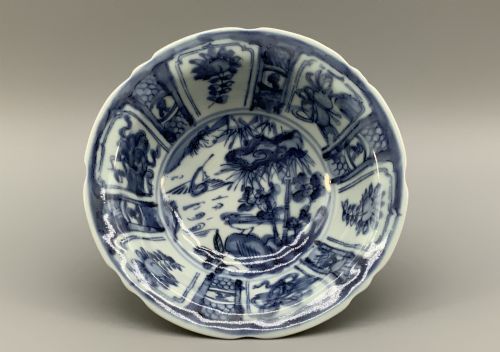
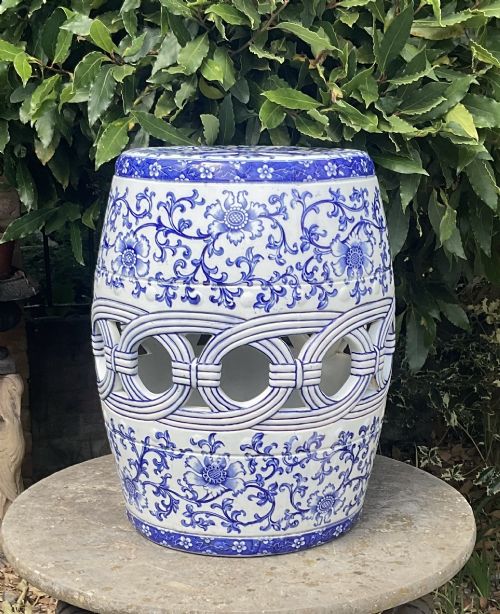
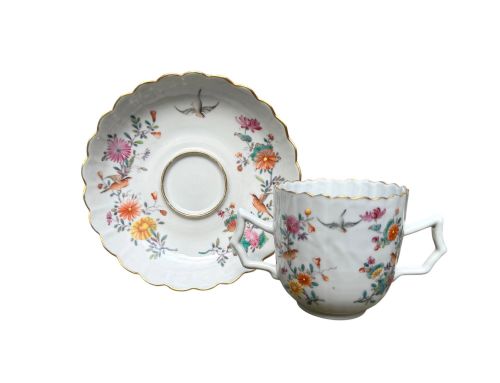
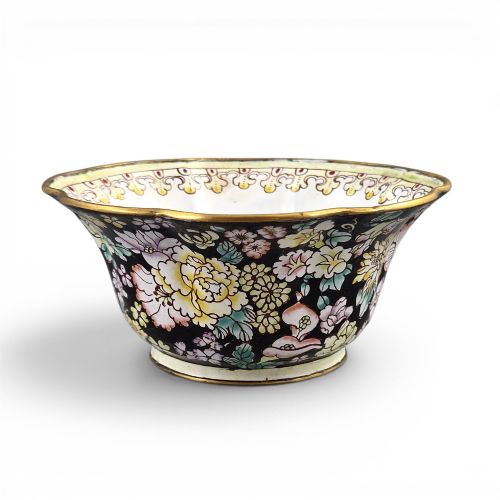
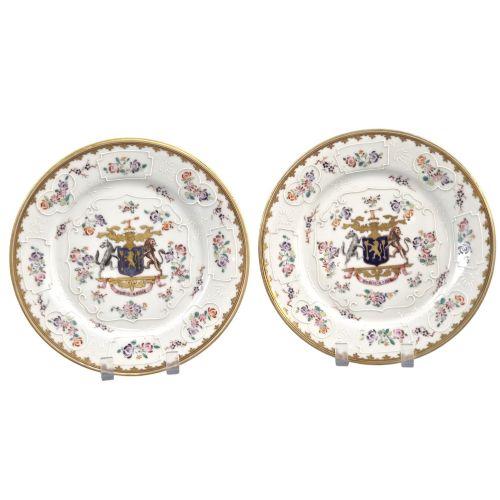
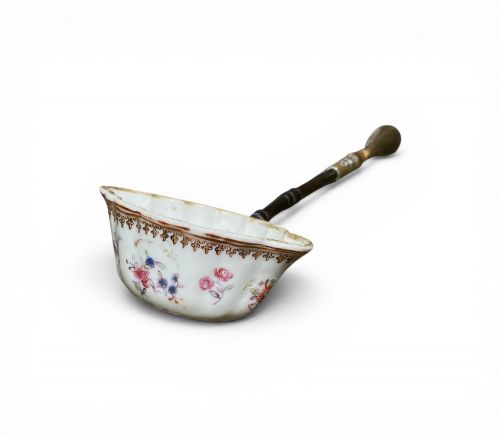
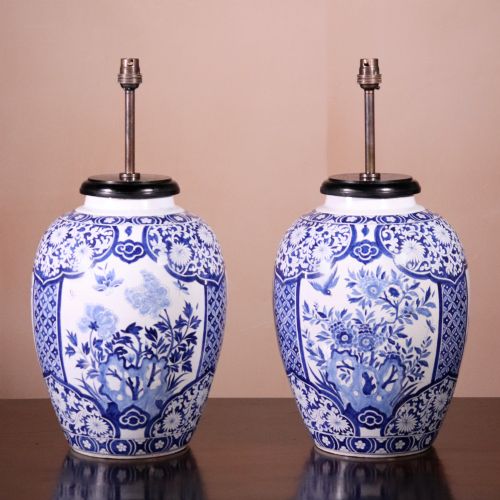
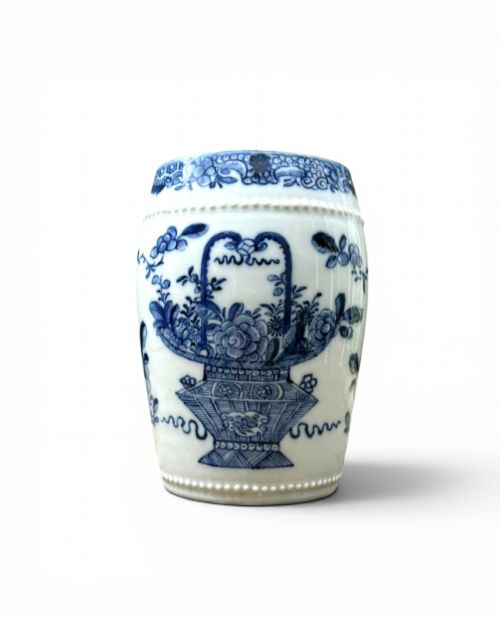
When you search for floral chinese ceramic items, you encounter objects shaped from porcelain, pottery, and copper with painted or moulded plant details. The selection ranges from eighteenth-century export bowls and platters to later nineteenth-century vases, garden seats, and table lamps.
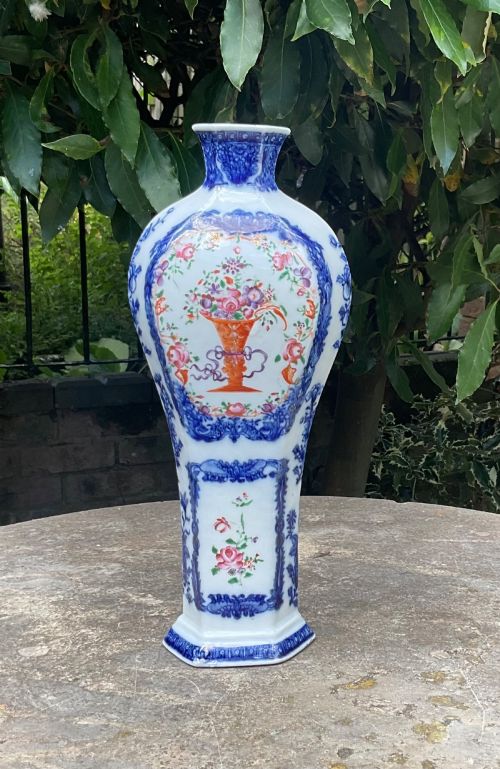
Most examples you meet on this page originate from the Qing dynasty and subsequent periods, displaying traditional forms such as ginger jars, chargers, and hexagonal planters. These utilitarian and decorative items reveal how botanical subjects dominated eastern ceramic decoration for generations.
How they were made
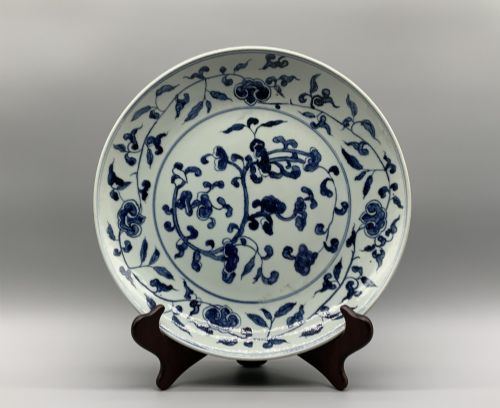
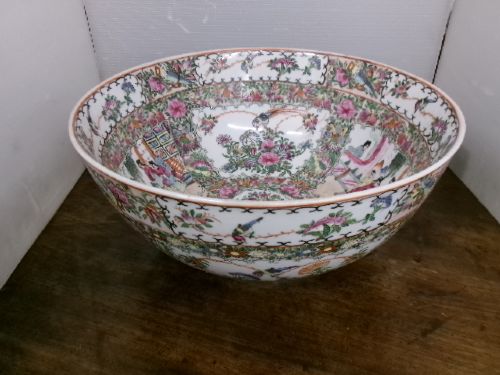
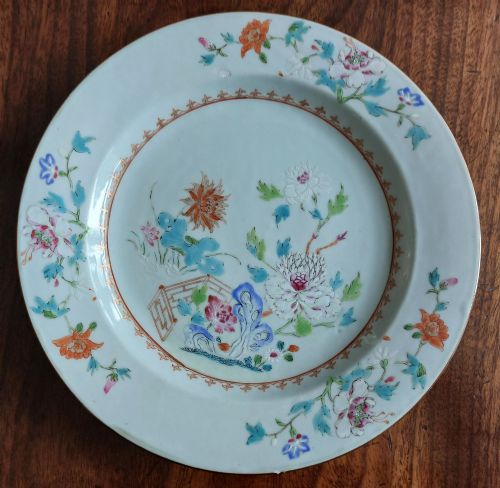
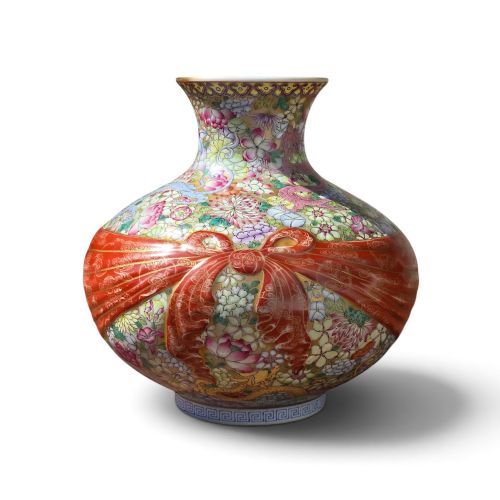
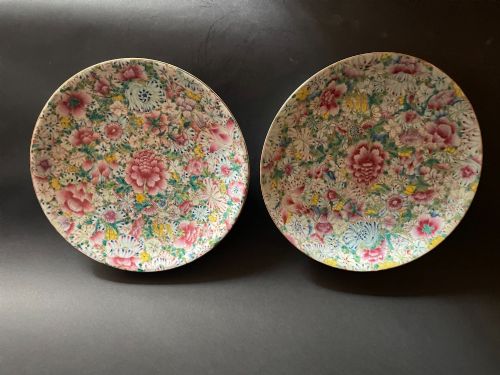
Potters shaped these pieces using fine clays and porcelain pastes, often applying glazes in monochrome, blue and white, or enamel colours like famille rose and famille verte. Artisans utilised hand-painting techniques to render peonies, chrysanthemums, and ribbon-wrapped floral scrolls across bowls, vases, and plates.
Some objects incorporated metal components such as brass or copper bases, alongside gold leaf accents or enamel-on-copper construction. Kiln firings fused the vitreous glazes and pigments to the ceramic body, yielding durable surfaces that retain their pigment over centuries.
A porcelain laughing Buddha sits among the botanical vases and bowls, offering perpetual merriment alongside the floral arrangements.
What varies in quality
The precision and delicacy of the brushwork separate standard production pieces from finer examples. Master painters achieved subtle tonal variations and clean outlines in floral motifs, whereas workshop pieces show hurried strokes and heavier pigment application.
The purity of the porcelain body and the evenness of the glaze finish also determine the tier of an object. Items displaying crisp moulding, well-defined foot rims, and carefully controlled kiln temperatures represent superior craftsmanship.
Edmé Samson & Cie·Minton
The Floral Chinese Ceramic Glossary
- Famille Rose
- A polychrome enamel palette introduced in the eighteenth century, dominated by opaque pink and rose hues. It allowed painters to render subtle gradations on floral and bird designs.
- Famille Verte
- An overarching green-dominant palette used extensively in Qing dynasty ceramics. This style relies on transparent green enamels combined with iron-red, blue, and yellow pigments.
- Celadon
- A type of transparent green or grey-green glaze applied to pottery and porcelain. The finish mimics jade and often covers incised or moulded floral scrolls.
- Imari
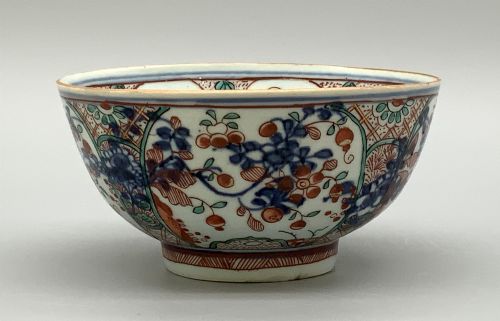
- A style of ceramic decoration featuring underglaze blue combined with iron-red and gold overglaze. European markets imported vast quantities of these wares from eastern kilns.
- Ginger Jar
- A wide-shouldered storage jar with a short neck, traditionally used for spices or tea. These vessels frequently feature prunus blossom or general floral motifs.
- Charger
- A large decorative plate or platter intended for display rather than table service. They provide an expansive surface for complex floral compositions.
Floral Chinese Ceramic: Frequently Asked Questions
How do I date these ceramics?
Dating relies on stylistic shifts in the painted palettes, glaze textures, and reign marks stamped or written on the base. Examining the potting style and foot rim construction also helps place an object within its historical manufacturing period.
Changes in trade patterns and export styles provide further chronological markers. Comparing an individual piece to documented examples from the same era confirms its likely decade of origin.
Were these items meant for export?
Many floral Chinese ceramic objects were manufactured specifically for Western trade markets through ports like Canton. These export pieces often adapted traditional eastern forms and motifs to suit European interior tastes.
Other items remained intended for domestic use or imperial patronage before later entering the collector market. Both domestic and export wares demonstrate exceptional painting standards.
How do I display a charger?
Display large chargers securely using specialised wall hangers lined with protective material to guard the rim. Alternatively, position them on sturdy tabletop plate stands designed to support their substantial weight.
Keep chargers away from direct sunlight and high-traffic areas where accidental knocks might occur. Proper placement protects the painted enamel and porcelain edges from damage.