




Twin Handled Cups
These twin handled cups span centuries of silver and ceramic artistry, offering a tactile connection to historical dining and ceremonial drinking.
Twin Handled Cups
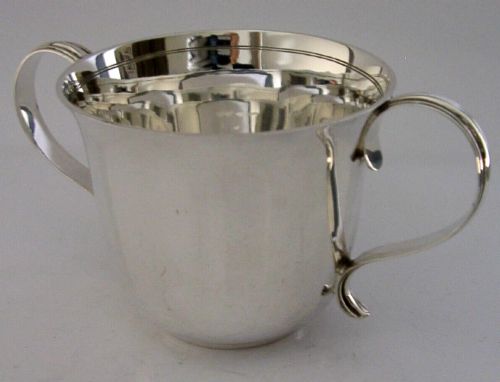
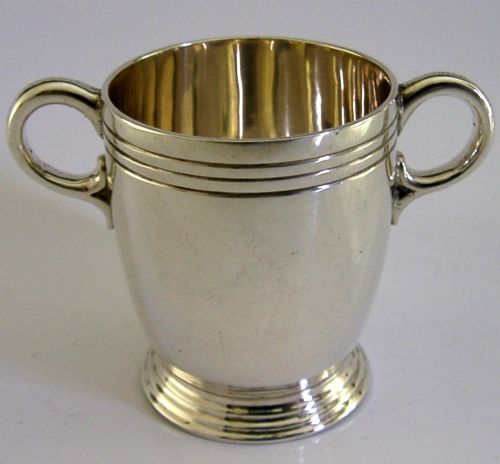
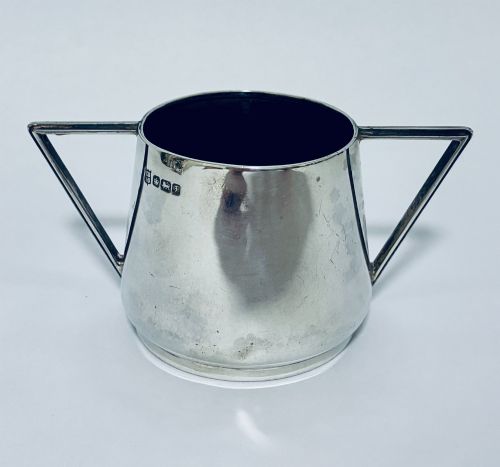
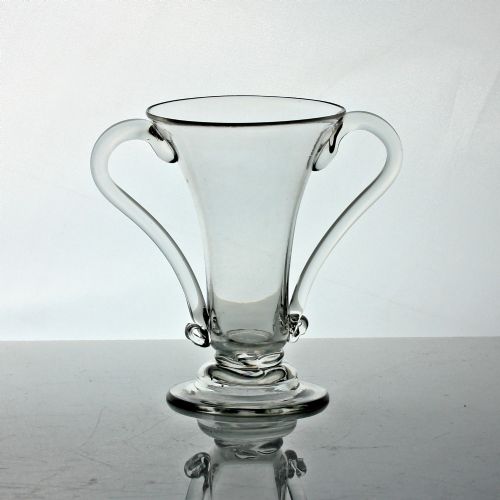
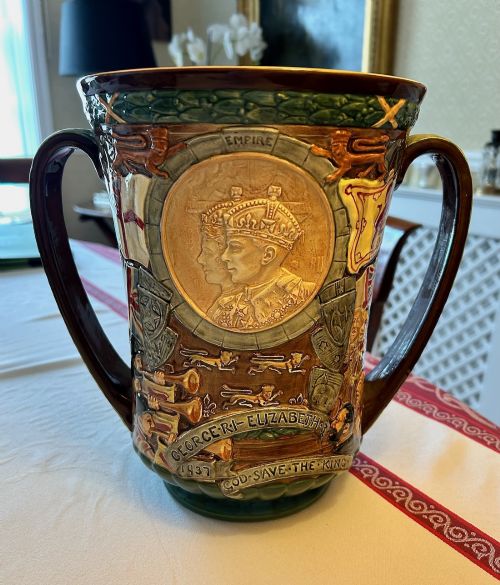
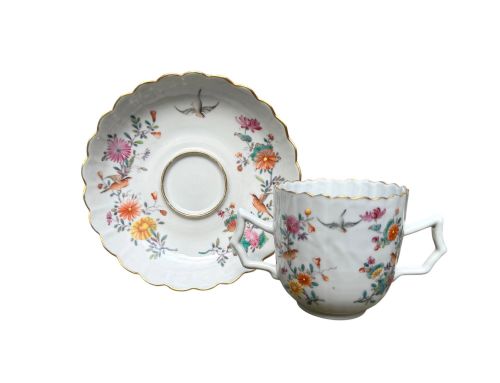
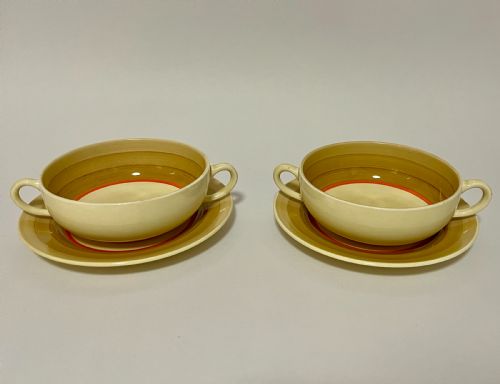
When you search for twin handled cups, you encounter a remarkably diverse group of vessels designed for specific functions, ranging from sugar bowls and porridge porringers to celebratory loving cups and chocolate cups. These pieces cross numerous eras, from the Georgian period through the Victorian age and into Art Deco modernity.
The version you are most likely to meet on this page is either a silver porringer or a ceramic loving cup, reflecting the domestic and celebratory habits of past households. Ceramic examples often feature earthenware or porcelain bodies, while silver items demonstrate substantial weight and traditional silversmithing techniques.
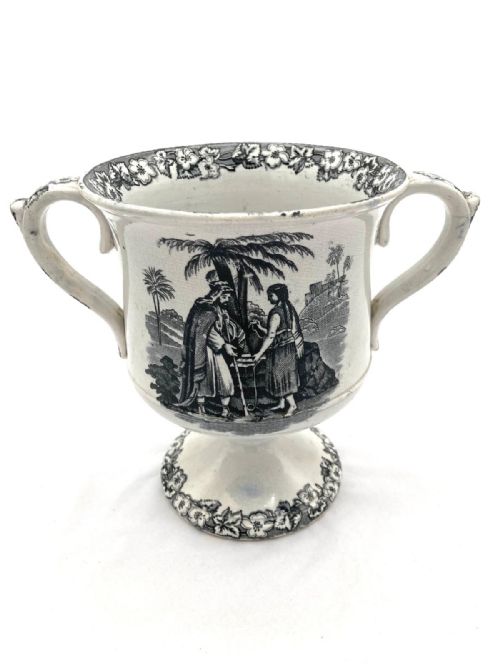
Forms vary from delicate cabinet cups with stands to robust brass trophy vases and transfer-printed earthenware mugs equipped with multiple handles for communal passing. Each object reveals how earlier generations handled liquids and shared toasts during significant events.
What varies in quality
Quality in these vessels rests upon the crispness of the casting in metalwork and the fineness of the painting on ceramics. A heavy gauge of sterling silver indicates a superior piece built to endure, whereas thinner metals lack the same substantial presence in the hand.
In ceramic specimens, the precision of transfer printing, the vibrancy of polychrome glazes, and the delicacy of porcelain walls distinguish standard production wares from exceptional studio and factory outputs. Well-preserved gilding and intact enamel work elevate the stature of older pieces.
Several earthenware loving cups contain small ceramic frogs peering up from the interior base.
Royal Doulton·Clarice Cliff·Royal Worcester·Spode·Coalport
The Twin Handled Cups Glossary
- Porringer
- A small, shallow vessel with two horizontal handles, traditionally used for porridge or broth. These items appear frequently in sterling silver from the eighteenth and twentieth centuries.
- Loving cup
- A large drinking vessel provided with two or more handles, designed to be passed around a group for communal toasts. They often commemorate specific coronations or historic events.
- Posset pot
- A spouted ceramic vessel with handles used for serving posset, a hot spiced milk drink curdled with wine or ale. They frequently feature lids and historical dates.
- Kantharos
- An ancient style of drinking vessel featuring two high-set handles and a deep bowl. Nineteenth-century interpretations replicate classical forms in materials like brass.
- Transfer printing
- A decoration technique where an engraved metal plate transfers a design onto paper, which is then pressed onto pottery before firing. This method created detailed monochrome and coloured scenes on earthenware.
Twin Handled Cups: Frequently Asked Questions
What were twin handled cups used for?
These vessels served various domestic and ceremonial purposes, from eating porritch and drinking chocolate to sharing communal toasts at celebrations and banquets.
Their dual handles allowed stability when passing heavy vessels between guests or holding hot liquids securely.
How do I care for antique silver cups?
Silver vessels require gentle cleaning with specialised polishes to remove tarnish without abrading the metal surface or wearing down hallmarks.
Store them in dry environments away from direct sunlight to maintain their finish.
How can I tell the period of a ceramic cup?
Dating relies on examining the paste, glaze characteristics, factory marks, and decorative styles such as transfer printing or hand-painted polychrome.
Comparing the bottom markings against known registry dates helps narrow down the decade of manufacture.
Why do some loving cups have frogs inside?
Ceramic mugs occasionally featured moulded porcelain frogs or newts sitting near the base as a drinking surprise for the person finishing their beverage.
These whimsical additions were popular in nineteenth-century earthenware drinking vessels.