
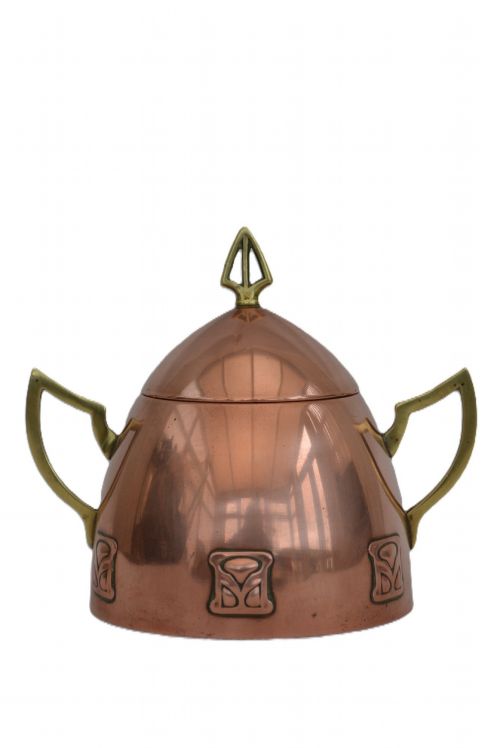


Antique Tea Bowl Set
An antique tea bowl set brings together centuries of porcelain, silver plate, and earthenware designed for service and display.
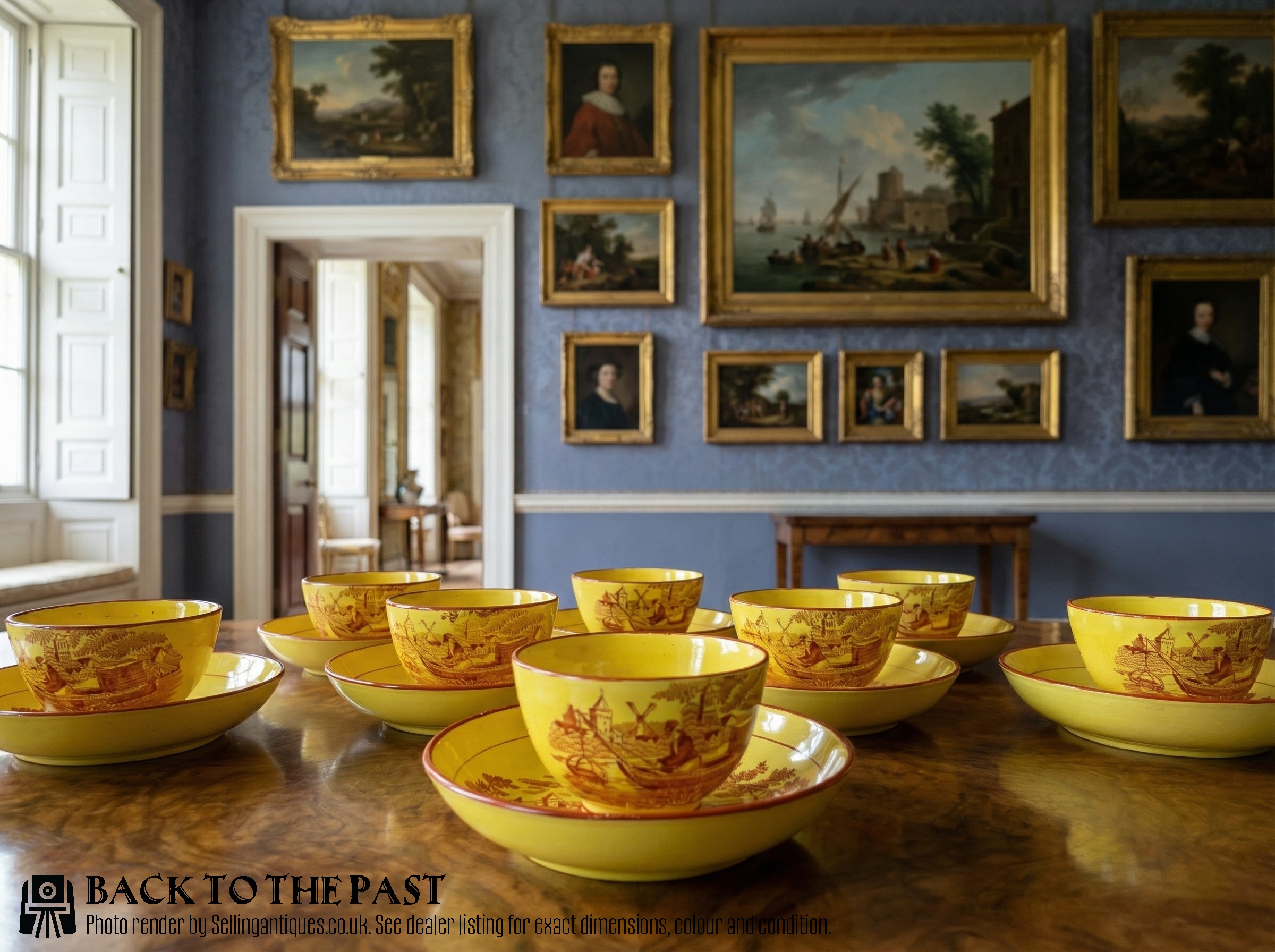
Antique Tea Bowl Set
An antique tea bowl set encompasses diverse drinking vessels, saucers, and sugar bowls originating from the eighteenth, nineteenth, and early twentieth centuries. These collections span English porcelain, Sheffield and sterling silver, and international pieces including Chinese export porcelain and Japanese Satsuma ware.
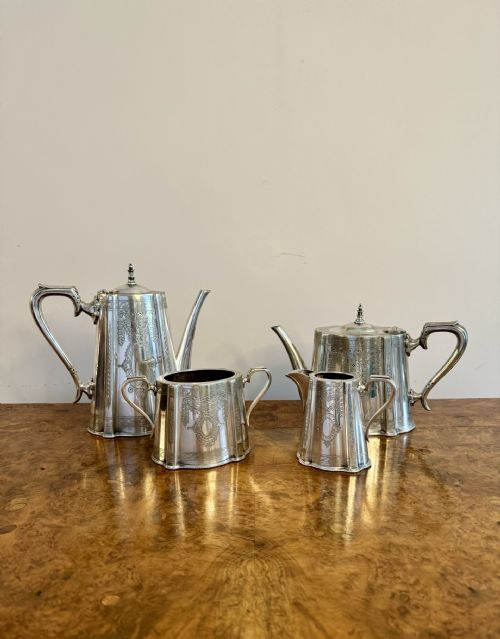
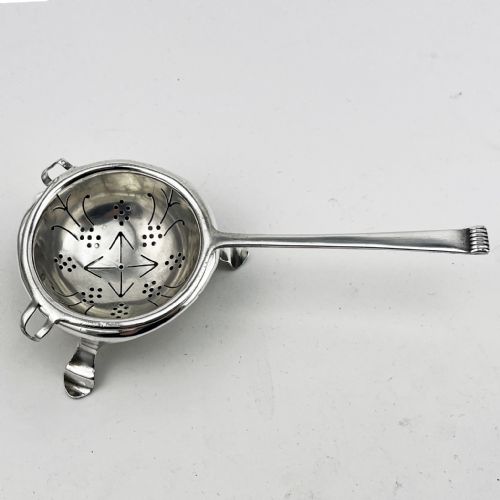
Buyers encountering this phrase will find groupings ranging from simple creamware cups and saucers to extensive Edwardian silver-plated tea and coffee services. Forms include individual trios, sugar bowls with sifter spoons, and multi-piece sets intended for ten or more guests.
The materials reflect changing domestic habits across Georgian, Victorian, and Edwardian periods, moving from delicate hand-painted porcelain to robust silver plate and copper. Pieces carry the stylistic shifts of their eras, from Regency refinement through to Art Nouveau and Art Deco designs.
Materials and production methods
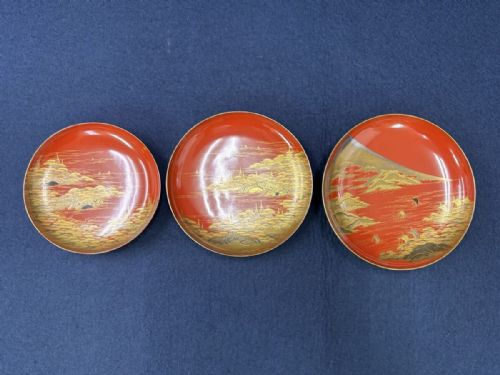
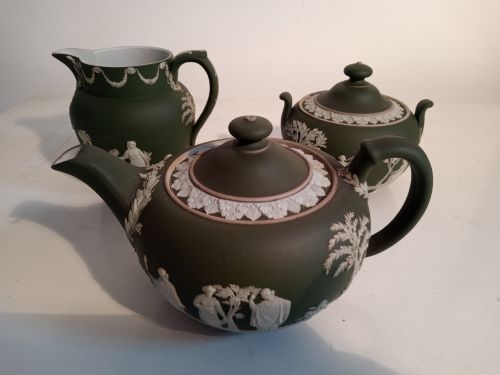
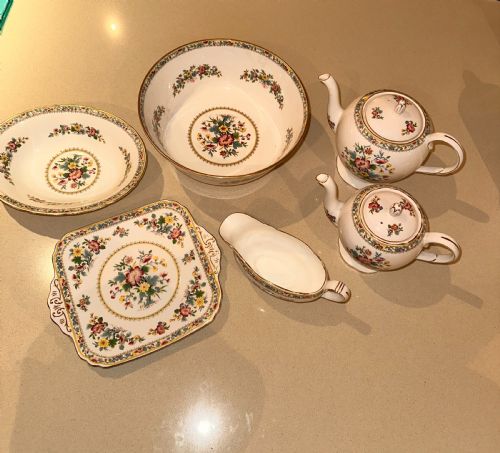
Ceramic pieces rely on traditional potting and porcelain bodies decorated with hand-painted motifs, enamel, and gold leaf gilding. Factories like Worcester, Derby, and Wedgwood utilised specific firing techniques and ground colours to achieve their distinctive finishes.
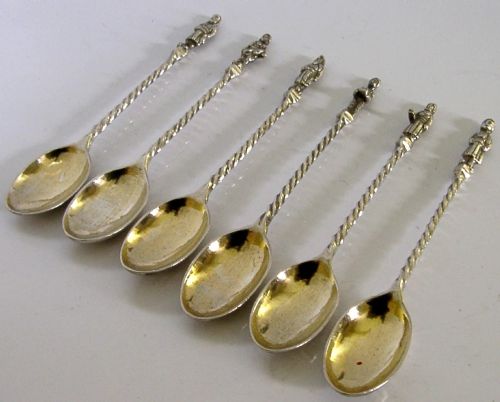
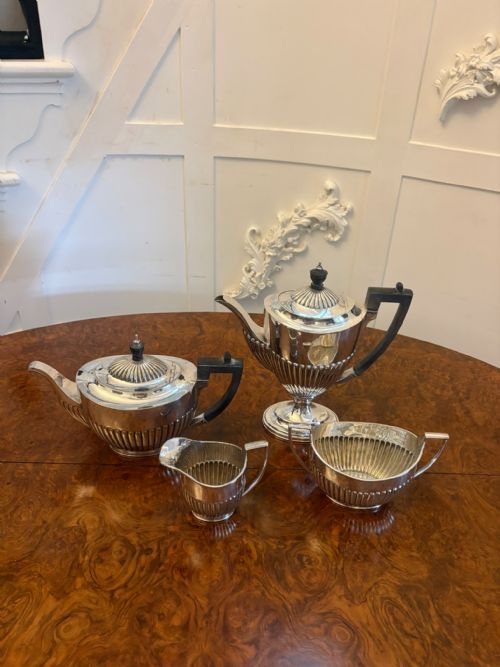
Silver and silver-plated items involve metalworking methods such as plating over a base metal, embossing, and engraving. Craftspeople applied ornate details including grapevine motifs, figural spoons, and ebonised wood handles to build durable yet decorative service items.
Materials represented include sterling silver, gold leaf, enamel, and ebonised wood alongside traditional ceramics.
Judging standard and execution
Quality rests in the crispness of the hand-painted decoration, the evenness of the gold leaf application, and the preservation of the underlying ceramic body or silver plating. Finer porcelain shows precise brushwork and balanced forms without firing distortions.
The weight and balance of metal components, alongside the clarity of maker marks and stamps, distinguish standard production from superior workshop output. Intricate details like chased ornamentation remain sharp and well-defined on better examples.
Walker and Hall·Wedgwood·WMF·Royal Davenport·Joseph Craddock·Benjamin Smith·Mappin and Webb·Sewell
The Antique Tea Bowl Set Glossary
- Sucrier
- A sugar bowl or sugar box with a cover, commonly found in Georgian and Regency tea services. It forms a matching pair with the cream jug.
- Creamware
- A fine earthenware developed in England during the eighteenth century, recognised by its pale yellow or cream tone. It provided a durable alternative to porcelain.
- Gaiwan
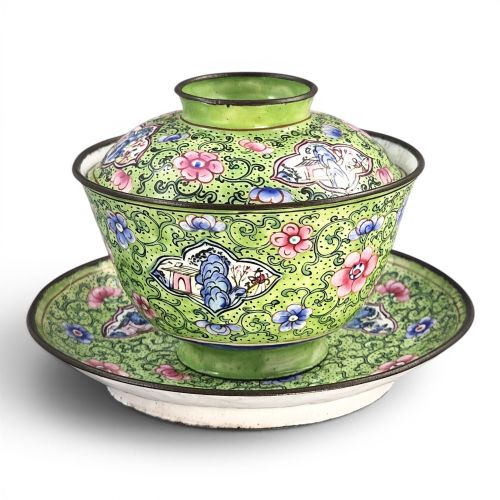
- A traditional Chinese lidded bowl used for steeping and drinking tea. Examples often feature hand-painted enamel decoration.
- Trio
- A matching set consisting of a teacup, a saucer, and a matching side or tea plate. These gained popularity during the Victorian and Edwardian eras.
- Sterling silver
- A silver alloy containing ninety-two point five percent pure silver by mass. It is stamped with hallmarks to indicate purity and origin.
Antique Tea Bowl Set: Frequently Asked Questions
What is included in an antique tea set?
These collections generally comprise teacups, saucers, tea bowls, and matching sugar bowls or cream jugs.
Larger services may also add coffee pots, teapots, and sifter spoons depending on the period.
How do I care for silver plated tea ware?
Silver plate requires gentle cleaning with non-abrasive cloths to preserve the thin metal layer over the base material.
Storing pieces in dry conditions prevents tarnishing and protects delicate applied elements like wooden handles.
Are these sets safe for daily use?
Older ceramics and silver plate demand careful handling due to their age and delicate enamel or gilt decorations.
Many collectors prefer to use them strictly for occasional display or gentle service rather than everyday dining.
How can I tell a Georgian set from a Victorian one?
Georgian porcelain and silver tend to display classical restrained forms, delicate hand-painted motifs, and refined proportions.
Victorian and Edwardian pieces often present heavier silver plating, ornate grapevine details, and larger multi-piece service configurations.