



19th Century Tea Bowls
These 19th century tea bowls bring refined ceramics and period craftsmanship directly to the table.
19th Century Tea Bowls
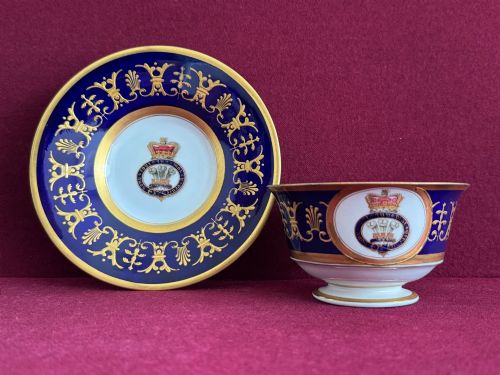
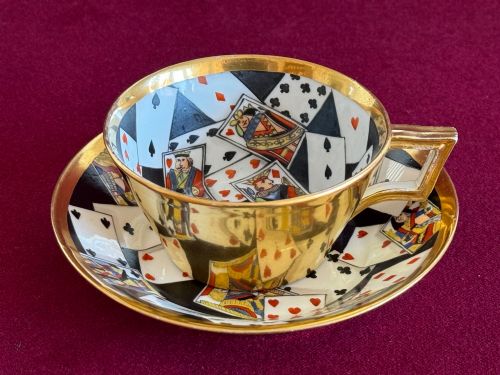
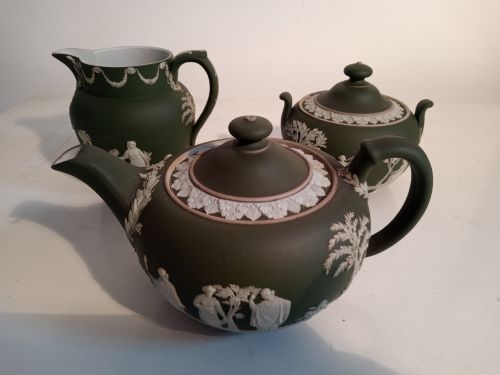
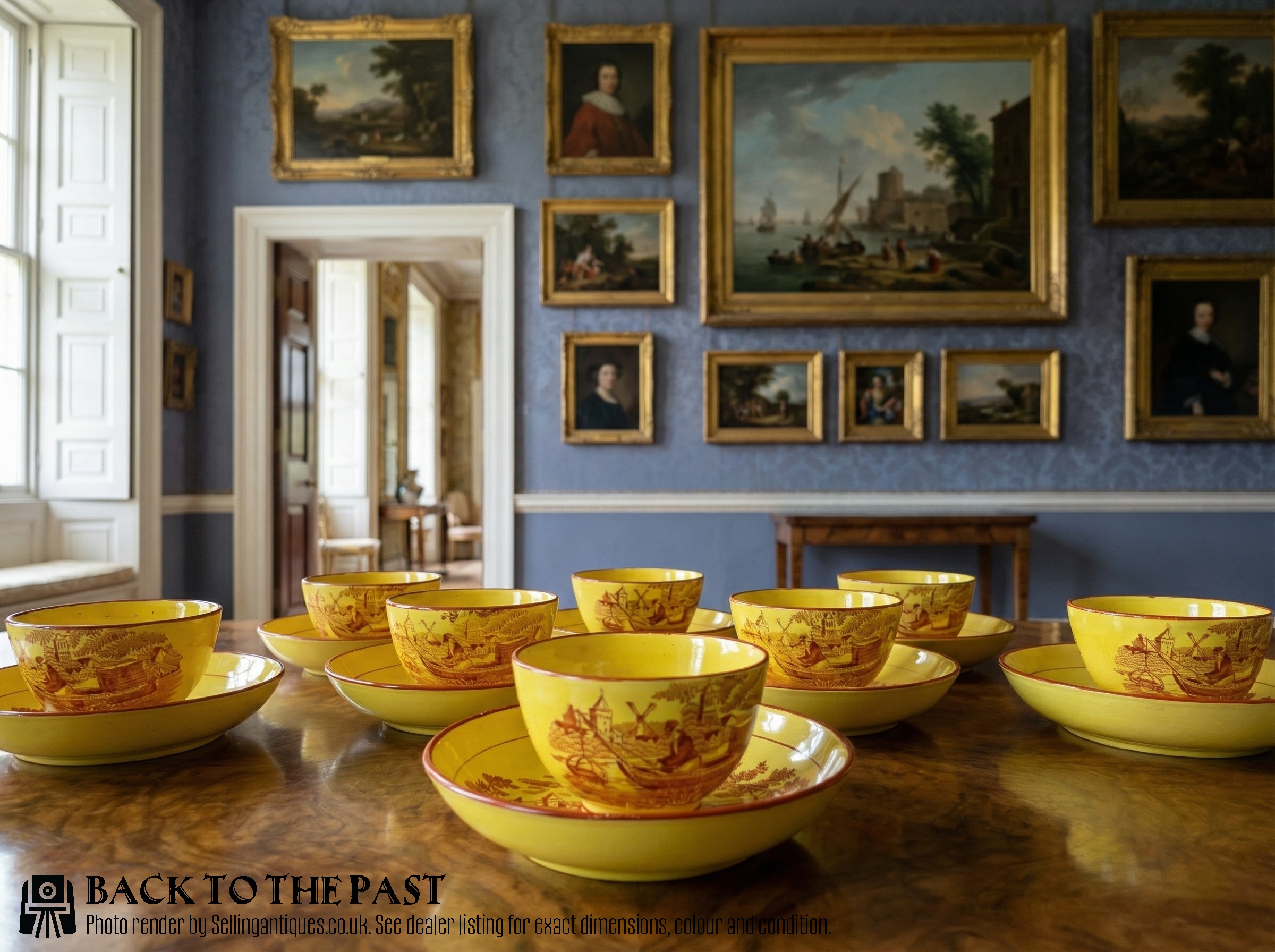
When you search for 19th century tea bowls, you are looking at delicate ceramic vessels designed for drinking tea during the Georgian, Regency, and Victorian eras. These pieces form part of a broader landscape of teaware that includes larger tea sets, caddies, and saucers.
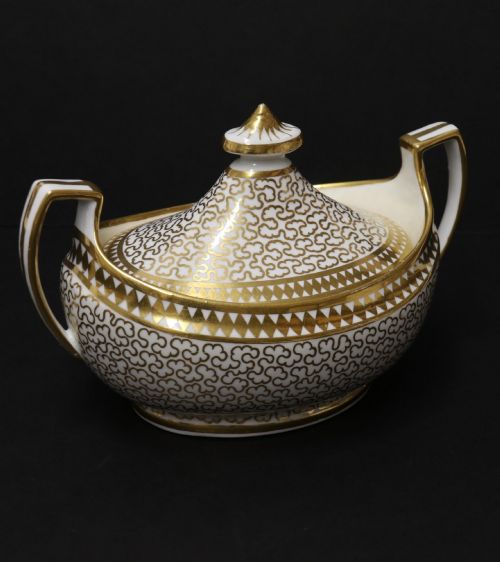
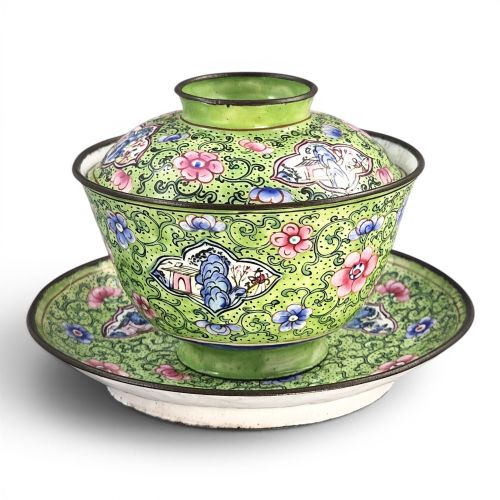
The selections available here reflect the diverse stylistic influences of the nineteenth century, ranging from early English porcelain manufacturers to Qing Dynasty Chinese pieces. They often appear alongside related items like sugar bowls and cups rather than strictly in isolation.
How they were made
The manufacturing techniques rely heavily on traditional ceramic production, utilising fine porcelain shaped and fired in established kilns. Artisans decorated these surfaces using hand-applied enamels, gilding with gold leaf, and intricate painted motifs.
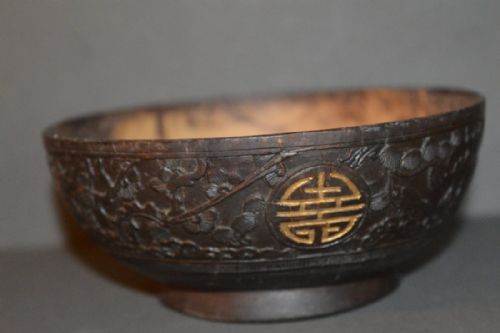
Makers also turned to alternative mediums where appropriate, combining porcelain with precious metals or working with organic materials such as carved coconut embellished with gilt symbols.
Some nineteenth-century tea containers feature hidden compartments for locking away expensive leaves from sticky-fingered servants.
What varies in quality
Quality in these items is determined by the fineness of the ceramic body and the precision of the hand-painted decoration. Superior pieces exhibit crisp, well-preserved enamel work and delicate translucency in the porcelain.
The reputation of the maker and the preservation of any associated gilding or matched saucers further distinguish standard production from exceptional examples.
Wedgwood·Chamberlains Worcester·Royal Davenport·Flight Barr And Barr·Joseph Craddock·Ahrenfeldt And Asalvary·Benjamin Smith·Sewell·Robert Hennel
The 19th Century Tea Bowls Glossary
- Porcelain
- A ceramic material made by heating materials, generally including clay in the form of kaolin, in a kiln. It is known for its strength, translucency, and white body.
- Gilding
- The decorative application of gold leaf or powder to solid surfaces such as porcelain or wood. It adds metallic highlights to the design.
- Sucrier
- A small open bowl or covered container used for holding sugar at the tea table. It typically matches the accompanying teapot and cups.
- Tea Caddy
- A box or jar used for storing tea leaves securely. Nineteenth-century versions often feature fitted compartments and wooden veneers like mahogany or rosewood.
19th Century Tea Bowls: Frequently Asked Questions
Are 19th century tea bowls safe for daily use?
These delicate ceramic and porcelain items are best reserved for display or gentle handling rather than modern dishwasher use.
Their historical nature and age mean that cautious enjoyment preserves the fragile glazes and hand-painted details.
How do I identify a Regency period tea bowl?
Regency pieces often display neoclassical influences, crisp enamel colours, and refined porcelain bodies typical of early nineteenth-century kilns.
Matching them against documented factory patterns from makers like Worcester helps confirm the specific era.
What is the difference between a tea bowl and a teacup?
Traditional tea bowls lack the handles found on standard teacups, following earlier Chinese ceramic forms.
Drinkers held the small bowl directly in the hands to sip the hot tea.
How were tea bowls stored in the 19th century?
Tea leaves and delicate teaware were traditionally kept secure in specialised wooden caddies made from materials like mahogany and rosewood.
These containers often featured fitted interiors and lockable lids to protect valuable provisions.