



Vintage Porcelain Tea Bowl
These vintage porcelain tea bowl examples range from eighteenth century English pieces to nineteenth century Japanese and Chinese items, offering collectors delicate ceramic craftsmanship.
Vintage Porcelain Tea Bowl
When you search for a vintage porcelain tea bowl, you are looking at small ceramic drinking vessels made across the eighteenth and nineteenth centuries. The pieces on this page include individual tea bowls, cups and saucers, paired sets, and components from larger tea services.
The selection encompasses English factories like Worcester and Lowestoft alongside Chinese export pieces, Japanese Imari items, and nineteenth century European wares. You will encounter forms ranging from simple eighteenth century tea bowls to Victorian sets and later twentieth century productions.
These items reflect the shifting domestic habits of tea drinking across different centuries and global markets. They survive as cabinet specimens, tablewares, and collectible ceramic examples from specific historical periods.
Materials and production
The objects on this page are formed from porcelain, soft-paste porcelain, and bone china. These ceramic bodies provide the thin, resonant walls characteristic of early cups and bowls.
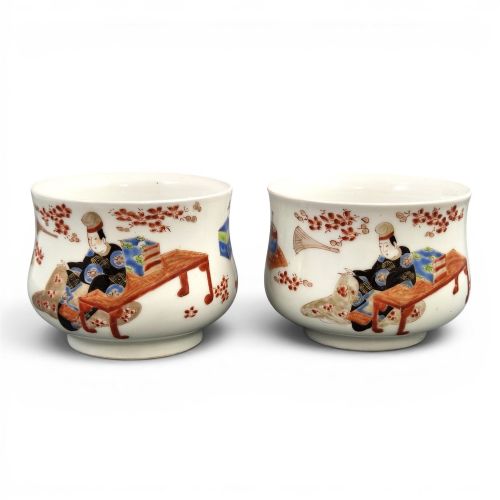
Makers decorated the surfaces using hand-painted designs, enamel colours, and gold leaf or gilt highlights. Some wares utilise traditional blue and white painting under the glaze, while others feature elaborate polychrome schemes and moulded details.
Vintage Porcelain Tea Bowl Retail Price Guide 2026
Typical asking prices for vintage porcelain tea bowl among the pieces listed under this phrase on Sellingantiques today, from the lower quarter to the upper quarter. They describe what is for sale here now, not the wider market.
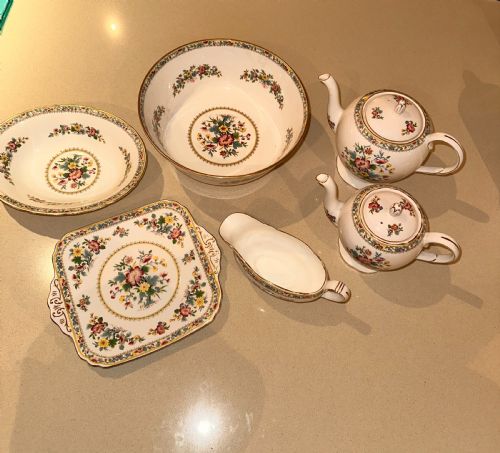
Object forms represented include individual tea bowls, saucers, trios, complete tea services, and dinnerware.
Variations in quality
Quality in these ceramics rests upon the fineness of the porcelain body and the skill of the painting. Early pieces show varying control in the kiln, where potting thickness and glaze purity distinguish standard production from finer cabinet pieces.
The execution of hand-painted motifs, enamel saturation, and the application of gold leaf create clear distinctions across the range. Pieces bearing specific period marks or attributed to notable factories demonstrate greater workshop precision.
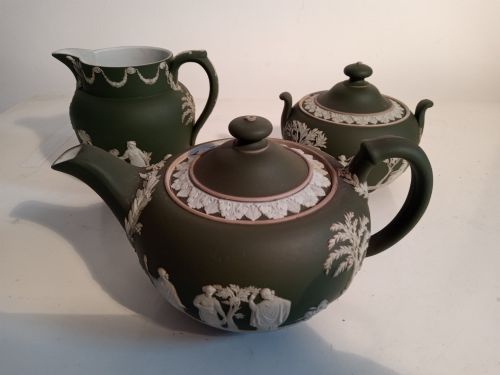
Wedgwood·Spode·Royal Davenport·Worcester·Lowestoft·Gladstone potteries
The Vintage Porcelain Tea Bowl Glossary
- Tea bowl
- A handleless ceramic vessel used for drinking tea before the widespread adoption of cups with handles. They require careful holding when filled with hot liquid.
- Soft-paste porcelain
- An artificial ceramic composition fired at lower temperatures than true hard-paste porcelain. It was widely used by eighteenth century English factories.
- Sucrier
- A covered sugar bowl designed as part of a tea service. They match the aesthetic of the accompanying cups and teapots.
- Bone china
- A type of soft-paste porcelain incorporating bone ash. It produces a strong, brilliantly white ceramic body.
- Imari
- A style of Japanese export ceramics featuring rich underglaze blue and iron red enamel, often highlighted with gold. The aesthetic was widely copied by European factories.
Vintage Porcelain Tea Bowl: Frequently Asked Questions
What is a vintage porcelain tea bowl?
A vintage porcelain tea bowl is a small, handleless drinking vessel produced in ceramic materials during earlier centuries. They were designed for consuming tea before handled cups became standard.
These pieces reflect the ceramic techniques and artistic styles of periods ranging from the Georgian era to the early twentieth century. Collectors prize them for their delicate forms and hand-painted decoration.
How were early tea bowls used?
These bowls were held in both hands to sip hot tea directly from the rim. They formed central components of early domestic tea drinking rituals.
As social habits changed, tea bowls were largely superseded by cups with handles, shifting their role towards display and collection.
How do I date an antique tea bowl?
Dating relies on examining the ceramic body, glaze characteristics, and painting style. Soft-paste porcelain and specific blue and white motifs often point to eighteenth century production.
Factory marks, where present, help narrow down the decade of manufacture. Comparing the potting weight and foot rim to known examples provides further chronological clues.
How should I display tea bowls?
Tea bowls are well suited for display in enclosed cabinets where their delicate forms can be viewed safely. Adequate shelf space prevents accidental knocks.
Keeping them away from direct sunlight protects any enamel colours and gold leaf highlights from fading over time.