



Floral Porcelain Tea Bowl
These floral porcelain tea bowl pieces bring delicate eighteenth and nineteenth-century ceramic artistry to the table.
Floral Porcelain Tea Bowl
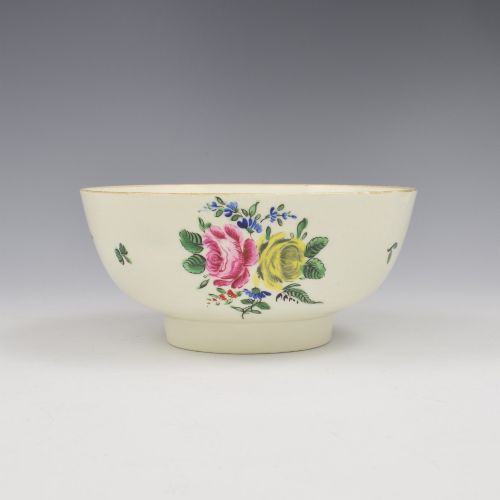
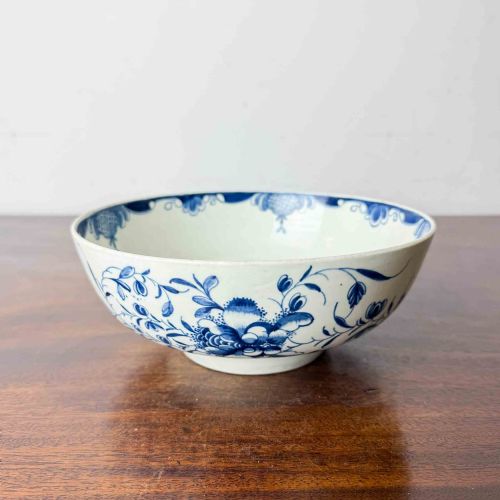
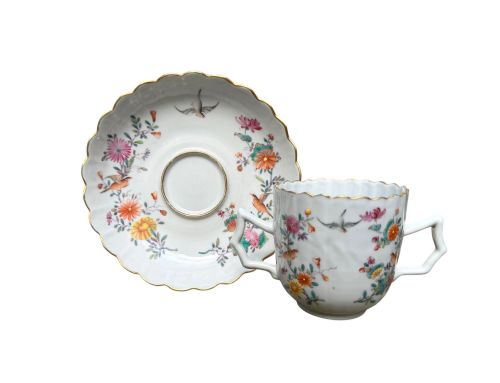
A floral porcelain tea bowl forms part of the wider category of antique teacups and saucers, sugar boxes, and miniature bowls seen in eighteenth and nineteenth-century collections. When searching for a floral porcelain tea bowl, buyers encounter pieces decorated with painted botanical motifs originating from traditional English, Georgian, Regency, and various East Asian traditions.
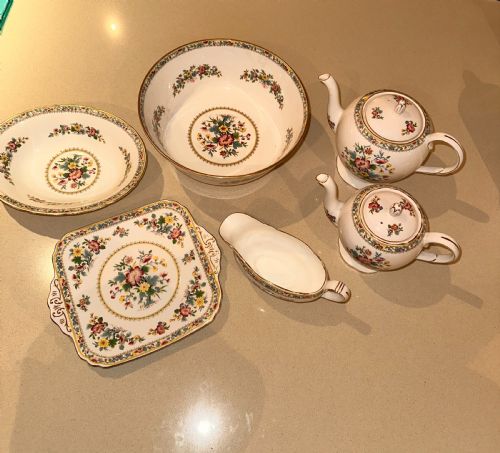
Most examples present painted enamel flowers, gilt highlights, and intricate glazes applied by hand. The forms vary from standard tea bowls and saucers to lidded sucriers and small decorative vessels designed for domestic display and use.
Materials and production methods
Potters shaped fine porcelain, felspar porcelain, and ceramic bodies before applying smooth glaze layers to create the foundational vessel. The addition of enamel colours provided the basis for the detailed floral artwork seen across these pieces.
Artisans applied hand-painted pigments and gold leaf accents to the fired surfaces, often firing the pieces multiple times to set the vibrant enamels and gilding. These techniques allowed for precise botanical decoration and durable finishes on delicate cups and bowls.
Floral Porcelain Tea Bowl Retail Price Guide 2026
Typical asking prices for floral porcelain tea bowl among the pieces listed under this phrase on Sellingantiques today, from the lower quarter to the upper quarter. They describe what is for sale here now, not the wider market.
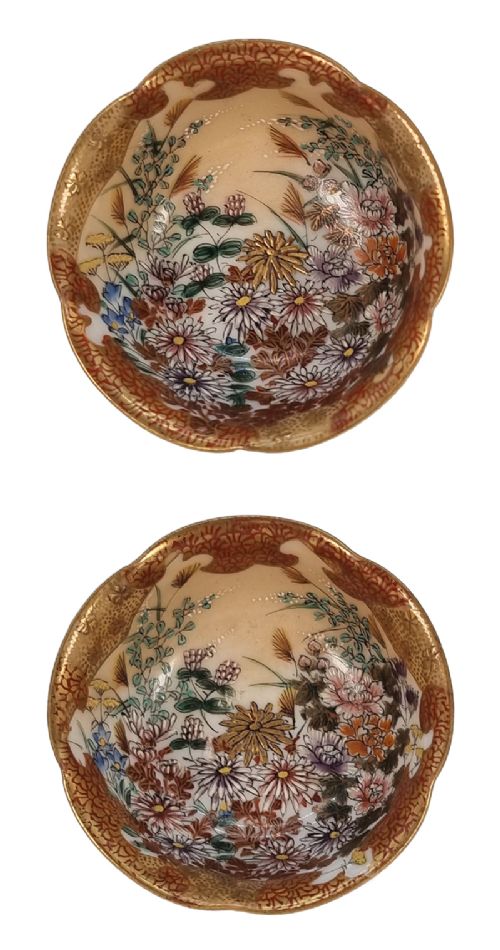
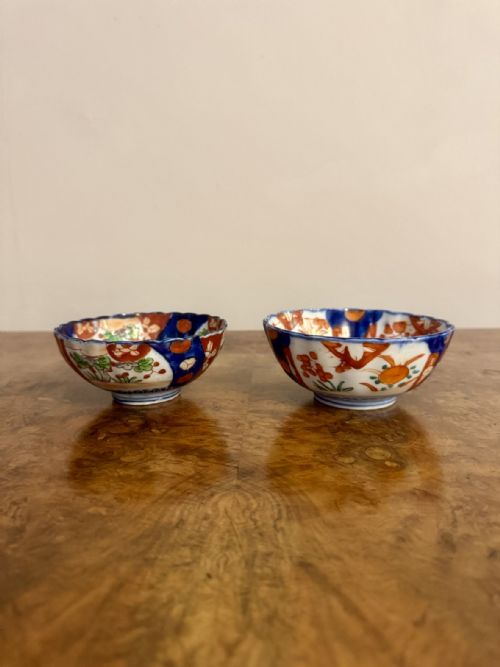
Miniature bowls from the Meiji period prove that historical artisans enjoyed crafting tiny floral worlds for people to hold in the palm of one hand.
Judging the quality of the work
The fineness of the potting and the translucency of the porcelain body distinguish exceptional pieces from heavier, standard wares. Superior examples display thin, even walls and delicate handles or rims that demonstrate advanced ceramic skill.
The precision and detail of the hand-painted enamel flowers and gold leaf application indicate the skill of the decorator. Crisp brushwork and well-preserved gilding reflect the higher tiers of production from established English and international kilns.
Spode·Coalport·Ridgway
The Floral Porcelain Tea Bowl Glossary
- Teabowl
- A small drinking vessel without a handle, typical of early tea drinking customs before standard cups with handles became common.
- Sucrier
- A covered sugar bowl or sugar box designed to hold lumps or granules for tea service.
- Felspar porcelain
- A refined ceramic body containing felspar, developed in the nineteenth century to improve the durability and whiteness of the ware.
- Enamel
- Vitreous coloured glass fused to the surface of the ceramic through firing, used to create detailed painted designs.
- Gilt
- A thin layer of gold applied to the ceramic surface as leaf or liquid paint for decorative highlights.
- Imari
- A style of Japanese export porcelain characterised by underglaze blue and overglaze red, gold, and other enamel colours.
Floral Porcelain Tea Bowl: Frequently Asked Questions
What is a floral porcelain tea bowl?
A floral porcelain tea bowl is a small, handleless drinking vessel decorated with painted botanical motifs, produced during the eighteenth and nineteenth centuries.
These pieces reflect the tea-drinking habits of the period and often survive alongside matching saucers or as part of larger tea services.
How do I care for antique tea bowls?
Antique tea bowls require gentle hand washing in lukewarm water with mild soap, avoiding harsh scrubbing or dishwashers to protect the delicate enamel and gold leaf.
Storing them securely away from edge hazards prevents chipping on the fine ceramic rims.
How can I tell the period?
Dating relies on identifying maker marks, glaze characteristics, and stylistic traits typical of Georgian, Regency, or Meiji production periods.
Comparing the paste composition and painting style with documented examples from factories like Worcester helps narrow down the decade of manufacture.
Were these tea bowls used?
Most of these vessels saw active use in period households for serving tea before transitioning into display collections and decorative objects.
Their survival in varied states of preservation reflects both daily handling and careful preservation by past owners.