

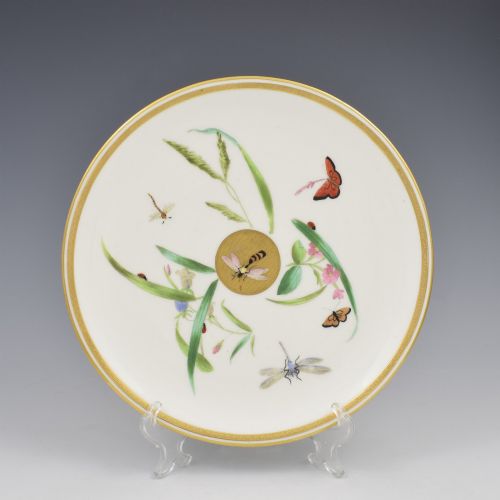


Antique Botanical Display Plate
These antique botanical display plates bring hand-painted flora, ornithology, and garden specimens straight onto ceramic surfaces for visual study and room decoration.
Antique Botanical Display Plate
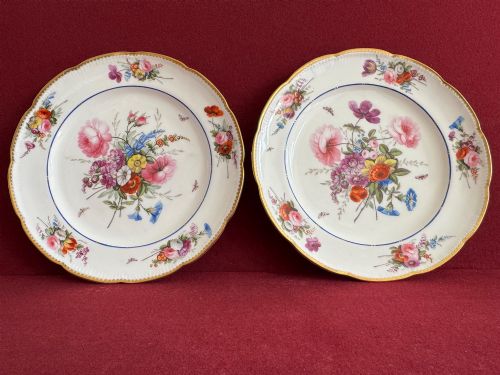
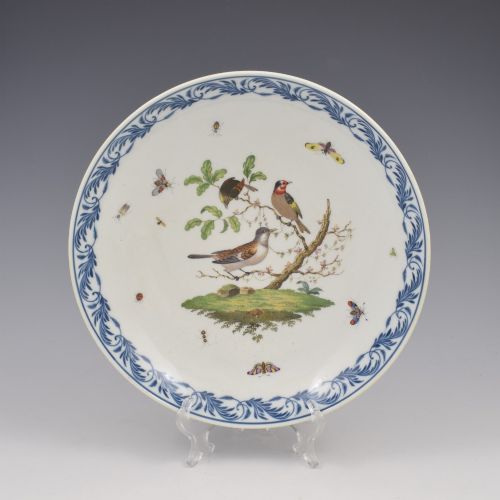
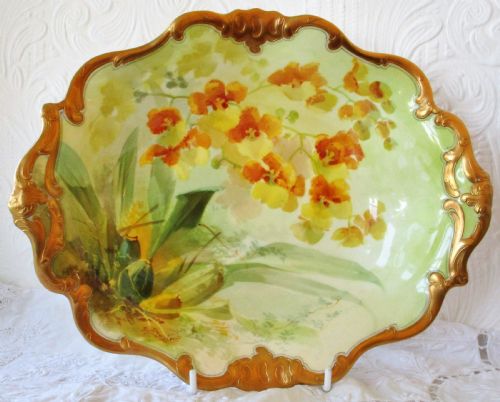
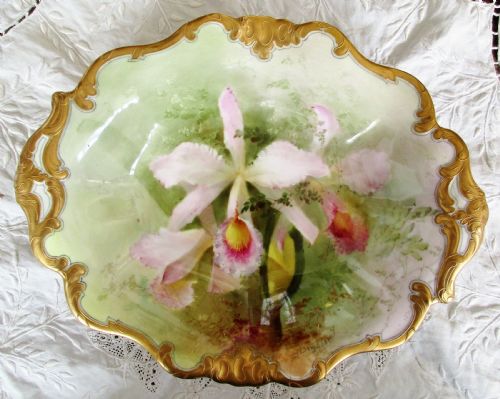
An antique botanical display plate is a ceramic vessel created primarily for cabinet exhibition, side tables, or wall mounting rather than daily dining. These pieces feature hand-painted renderings of flora, birds, and natural specimens across various forms including cabinet plates, decorative dishes, and large chargers.
The pieces seen here stretch across multiple periods, with significant representation from the eighteenth century, the Regency era, and the Victorian period. English and continental potteries produced these items using porcelain, bone china, earthenware, and creamware.
Makers utilised distinct regional styles ranging from English Rococo Revival and Aesthetic Movement motifs to Japanese-inspired designs. Buyers frequently encounter cabinet plates and dessert dishes bearing botanical and ornithological watercolours rendered directly onto the glazed ceramic body.
How they were made
Potters shaped hard-paste porcelain, bone china, creamware, and earthenware bodies before applying white or tinted glazes as a ground for the painters. Artisans then executed botanical and ornithological subjects by hand, often incorporating gold leaf and gilt highlights around the rim and border.
Firing techniques varied according to the body, requiring high temperatures for porcelain and bone china to achieve vitrification, followed by lower kiln runs for enamel colours and gilding. Enamels were fused onto the glazed surface to secure the painted flower studies and bird illustrations.
Antique Botanical Display Plate Retail Price Guide 2026
Typical asking prices for botanical display plate among the pieces listed under this phrase on Sellingantiques today, from the lower quarter to the upper quarter. They describe what is for sale here now, not the wider market.
Listings feature hard-paste porcelain, bone china, earthenware, and creamware across eighteenth, nineteenth, and early twentieth-century periods.
What varies in quality
The refinement of the hand-painted brushwork separates standard production from exceptional works, particularly in the rendering of botanical details, plumage, and insect studies. Superior examples display precise botanical accuracy and delicate shading applied by named artists or skilled factory painters.
The quality of the ceramic body and the richness of the gilding also define the piece, alongside the preservation of the enamel colours against rubbing or fading. Heavier, crisper porcelain bodies and intact gold leaf detailing indicate superior workshop output.
Wedgwood·Meissen·Minton·Royal Doulton·Barr Flight and Barr·Furstenberg·Copeland·Sevres·Coalport·Kornilov Brothers·Fukagawa·New Hall·Rockingham·Bloor Derby
The Antique Botanical Display Plate Glossary
- Cabinet plate
- A decorative ceramic plate intended for display in a cabinet or on a wall rather than for practical table use. These plates usually feature elaborate hand-painted scenes and gilded borders.
- Bone china
- A type of soft-paste porcelain incorporating bone ash, developed in England to create a durable, brilliantly white ceramic body suitable for fine enamel painting.
- Hard-paste porcelain
- A vitrified ceramic composed of kaolin and petuntse fired at high temperatures, producing a dense, translucent body that resists scratching.
- Creamware
- A refined earthenware developed in England featuring a warm cream-coloured lead glaze, widely used for domestic and decorative tableware.
- Gilt
- A thin layer of gold applied to the ceramic surface or rim as a decorative accent, often burnished to a bright finish.
Antique Botanical Display Plate: Frequently Asked Questions
Were these plates used for dining?
Most pieces designated as cabinet plates, chargers, or display dishes were made for visual appreciation rather than heavy dining service. Their painted botanical and ornithological scenes were meant to showcase natural history studies in drawing rooms.
Some dessert service plates saw occasional use at the end of a meal, but the presence of delicate gilding and fine enamel painting generally kept them in display cabinets or mounted on walls.
How do I hang a wall plate safely?
Wall plates and chargers require specialised spring-loaded brass hangers or coated wire display clips that grip the rim securely without causing abrasion to the ceramic or gilt edge.
Ensure the wall fixing anchors securely into masonry or studwork, as porcelain and bone china plates carry substantial weight depending on their diameter.
What is the difference between porcelain and creamware?
Porcelain is a vitrified, translucent ceramic fired at high temperatures, offering a hard, non-porous body that accepts fine enamel painting with great clarity. Bone china is a specific English porcelain variant containing bone ash for added whiteness.
Creamware is a refined earthenware covered in a warm yellow-toned lead glaze, presenting a softer body and a characteristic creamy hue rather than stark white translucency.
How should I clean my display plate?
Dust porcelain and bone china display plates gently with a soft, dry microfibre cloth or a clean ostrich feather duster to prevent particulate buildup on the painted surface.
Avoid submerging antique plates in water, particularly those with overglaze enamels or gilt highlights, as moisture can degrade old adhesives or lift fragile hand-painted details.
How can I identify the maker?
Makers often marked their porcelain and earthenware on the underside using painted factory scripts, impressed ciphers, or transfer-printed symbols. Researching these specific backstamps helps determine the pottery and approximate production era.
Some pieces also bear handwritten botanical titles, artist signatures, or pattern numbers directly on the reverse side of the dish.