


Regency Hand Painted Porcelain
Regency hand painted porcelain brings neoclassical elegance to tea services and cabinet displays through finely detailed botanical and landscape subjects.
Regency Hand Painted Porcelain
When searching for regency hand painted porcelain, a buyer encounters domestic and decorative wares spanning the Regency, Georgian, and wider nineteenth-century periods. The selection focuses on teacups and saucers, cabinet plates, vases, urns, and dessert services originating from major English factories and continental makers.
Most pieces date between eighteen hundred and eighteen thirty, uniting functional shapes with detailed artistic application. Forms range from tea and coffee trios to large serving dishes and jardinières, reflecting the dining and display habits of the period.
Materials and Techniques
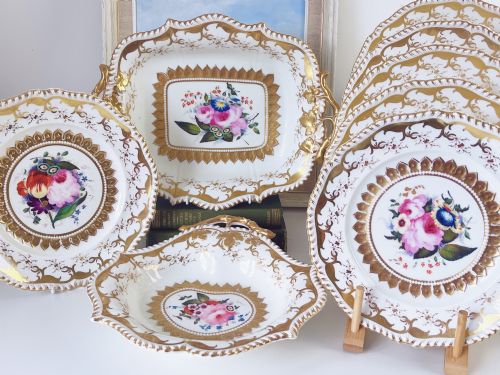
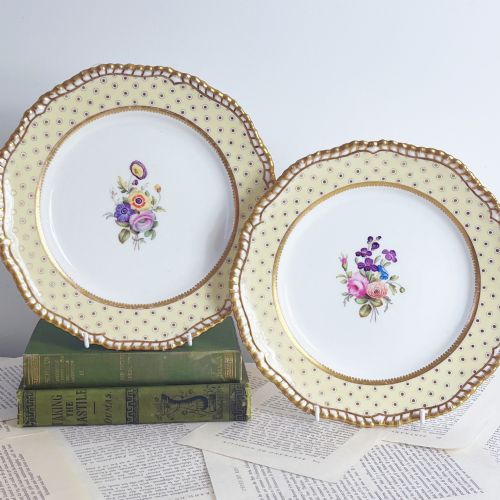
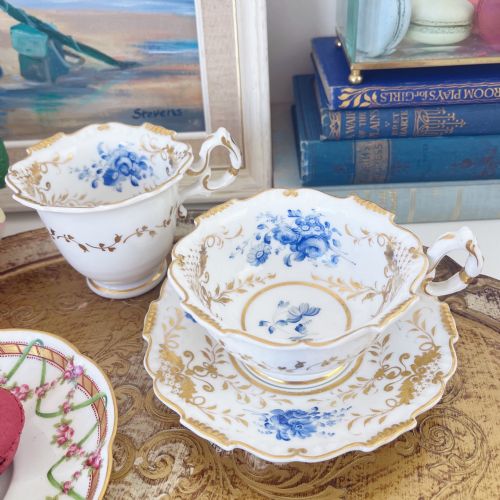
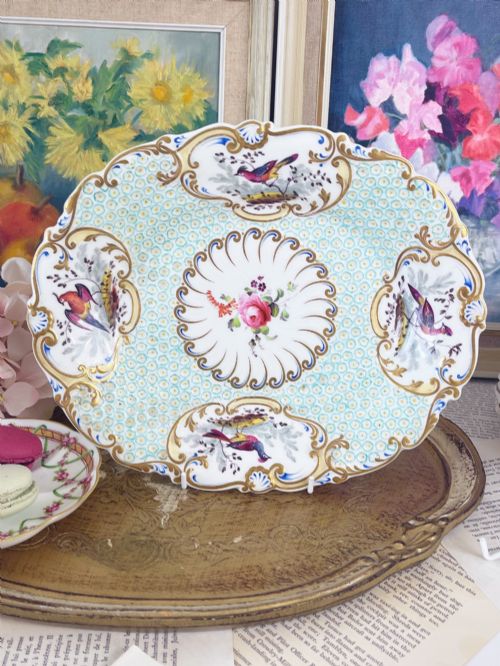
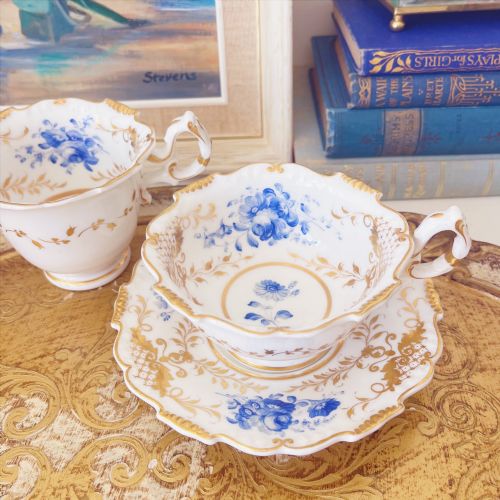
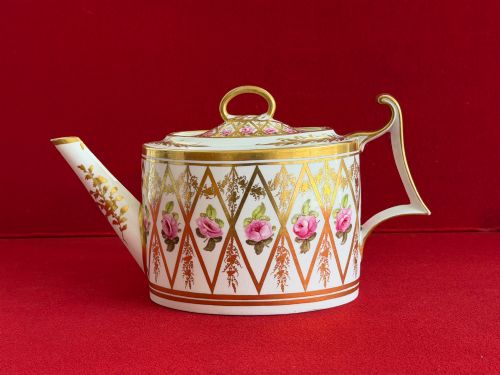
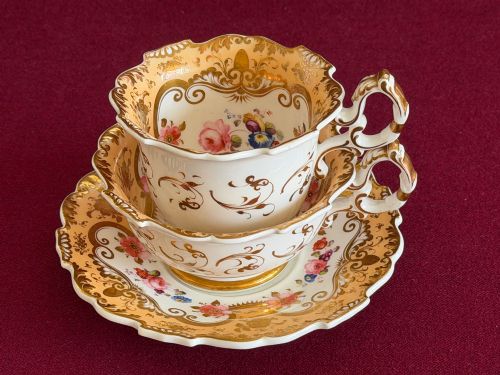
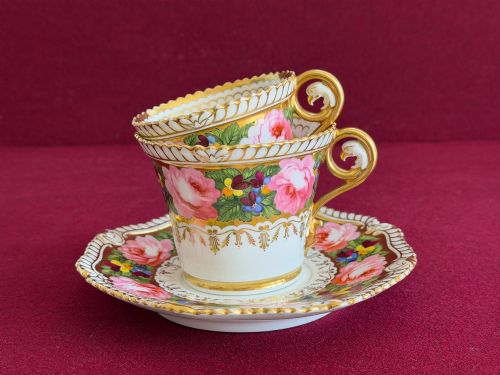
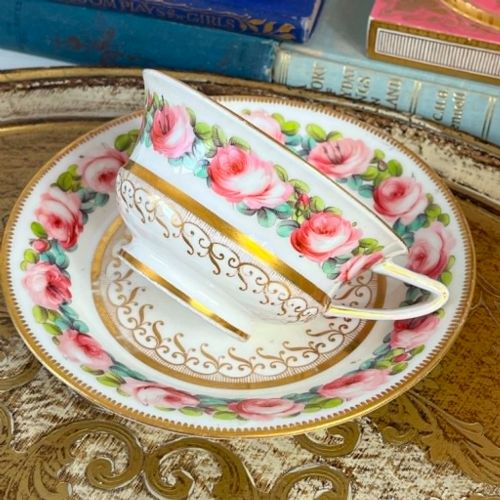
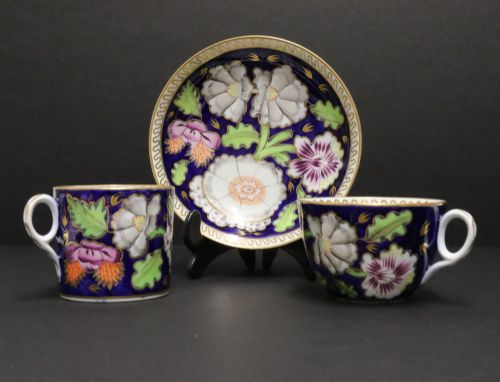
These items utilise porcelain, bone china, ironstone, and ceramic substrates shaped into teapots, cups, and plates. Manufacturers applied enamel pigments by hand to create floral arrangements, birds, butterflies, and topographical scenes.
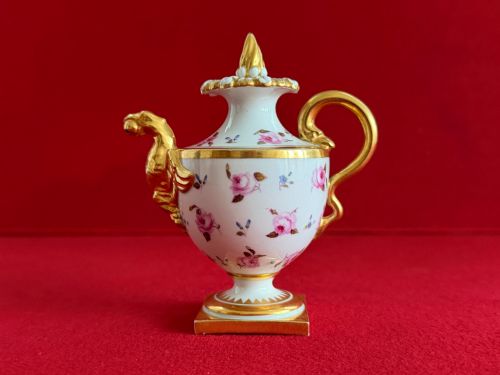
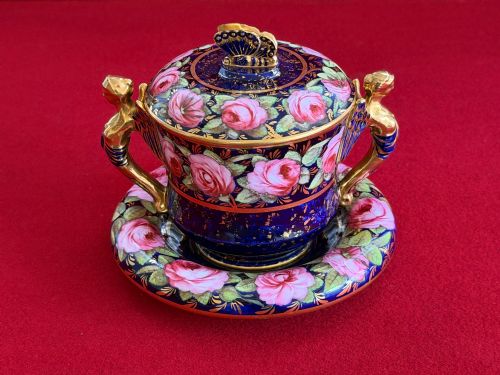
Makers integrated gold leaf, gilding, and gilt accents to highlight borders, handles, and rims. Technical execution combines refined ceramic potting with controlled kiln firing to fix polychrome enamels and metallic leaf.
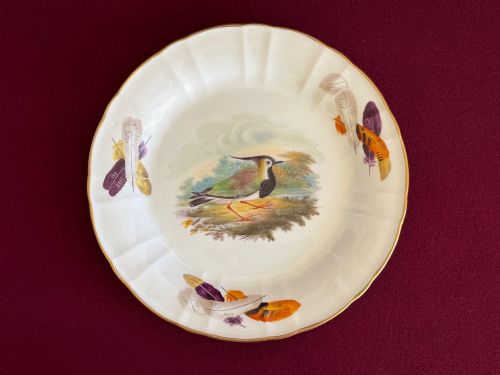
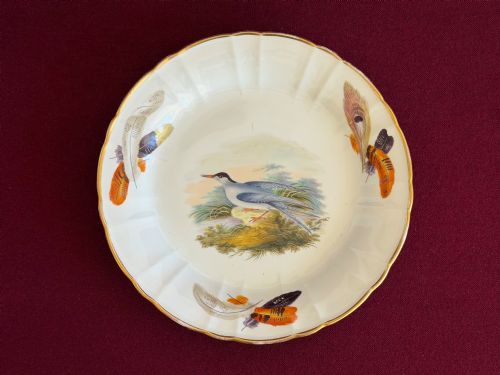
Look closely at the botanical plates: some feature meticulously rendered lapwings and common terns alongside vibrant pink cabbage roses.
Assessing Craftsmanship
Quality in these ceramics rests upon the precision of the hand painting and the crispness of the porcelain body. Expert brushwork on botanical subjects, birds, or landscapes distinguishes superior cabinet pieces from standard production wares.
The application of gilding and the balance of the ceramic form further differentiate standard items from exceptional factory output. Preservation of the original enamel colours and gold leaf determines the desirability of surviving pieces.
Grainger Lee And Co·Flight Barr And Barr·Spode·H And R Daniel·Derby Porcelain·Wedgwood·Chamberlain Worcester·Newhall·Coalport John Rose·Berlin·Barr Flight And Barr·Rockingham·Yates Leeds·Minton·John Davenport·Hicks And Meigh
The Regency Hand Painted Porcelain Glossary
- Cabinet plate
- A decorative plate intended for display in a cabinet rather than for table service. These items often feature detailed hand-painted landscapes or botanical specimens.
- Trio
- A matching set comprising a teacup, a coffee cup, and a saucer. This combination was common in early nineteenth-century tea services.
- Felspar
- A modified porcelain body introduced during the nineteenth century to improve durability and whiteness. Spode utilised this material for dessert plates and bowls.
- Jardinière
- An ornamental pot or stand designed to hold plants or flowers. Examples from this era frequently display rich gilding and painted scenes.
- Coffee can
- A straight-sided cylindrical cup used for drinking coffee before the wider adoption of curved teacup shapes. They often accompanied matching saucers in early tea sets.
Regency Hand Painted Porcelain: Frequently Asked Questions
How do I identify Regency porcelain?
Look for neoclassical shapes, finely painted botanical or topographical motifs, and generous use of gold leaf. Factory marks, when present on the base, help confirm the period and maker.
Weight and translucency of the porcelain body also provide clues, as nineteenth-century paste recipes differed significantly from later ceramic production.
Were these pieces used daily?
Many items, such as tea and coffee trios, were created for formal domestic dining and social gatherings rather than rough everyday use. Finer cabinet plates and vases served primarily decorative functions in drawing rooms.
Surviving examples often show minimal wear because owners treasured them as status items.
How should I clean antique porcelain?
Wash pieces gently by hand in warm water using a mild, non-abrasive detergent. Avoid soaking items with delicate gilt borders or hand-painted enamel decoration.
Dry them immediately with a soft, lint-free cloth to protect the fragile ceramic surfaces and metallic leaf.
What subjects appear on the painted scenes?
Painters frequently depicted botanical studies, pink cabbage roses, fancy birds, butterflies, and named landscape views. Natural history subjects reflected contemporary scientific interests among collectors.
Topographical scenes often recorded specific English or European countryside locations popular with travellers.