




Blue Gold Display Plate
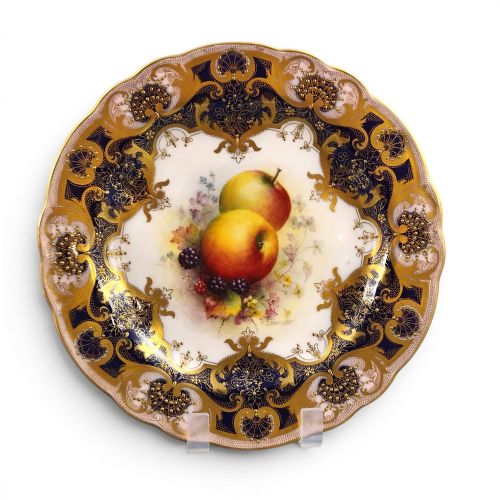
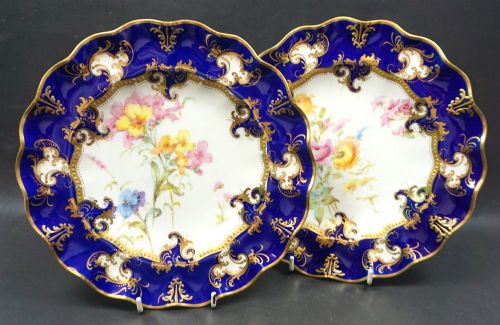
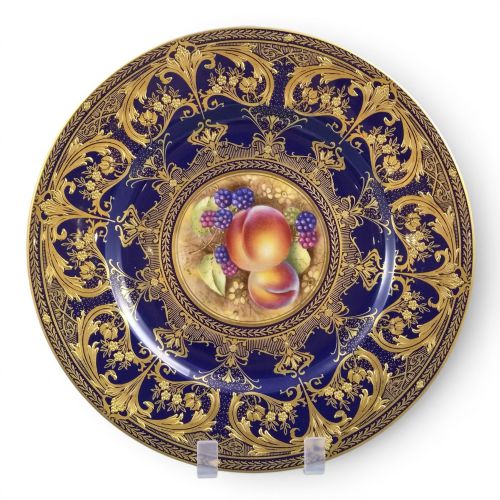
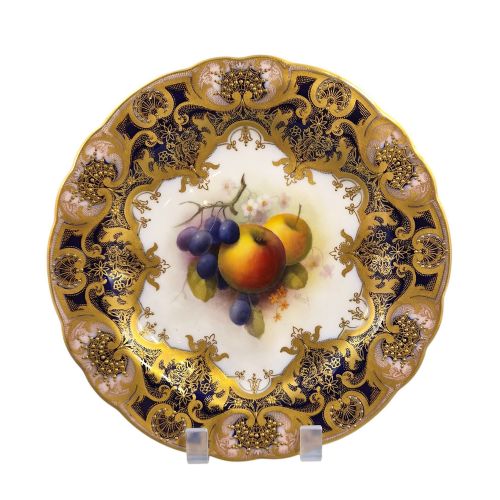
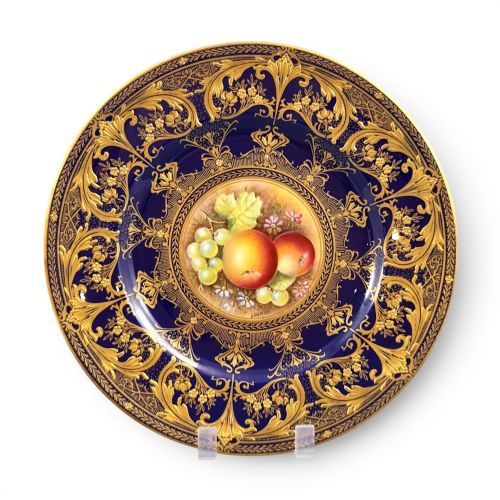
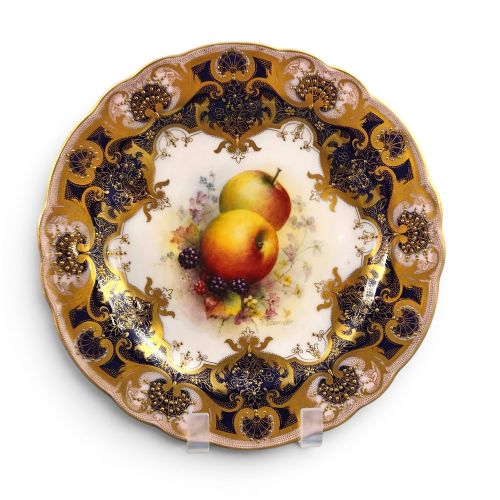
A blue gold display plate brings together rich cobalt grounds and gleaming metallic leaf, offering a decorative centrepiece for cabinets and walls.
Blue Gold Display Plate
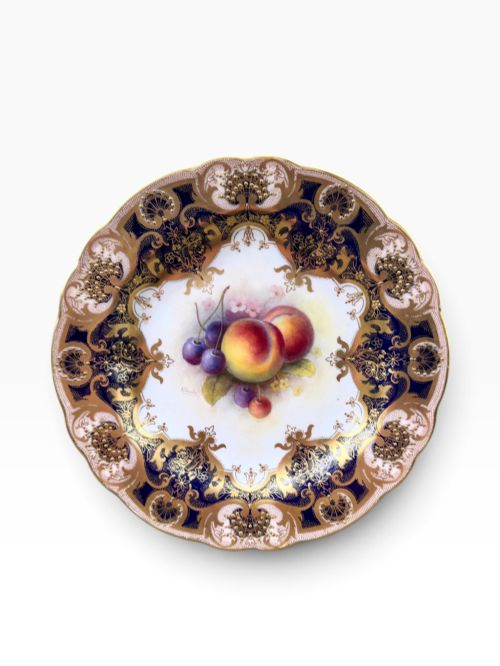
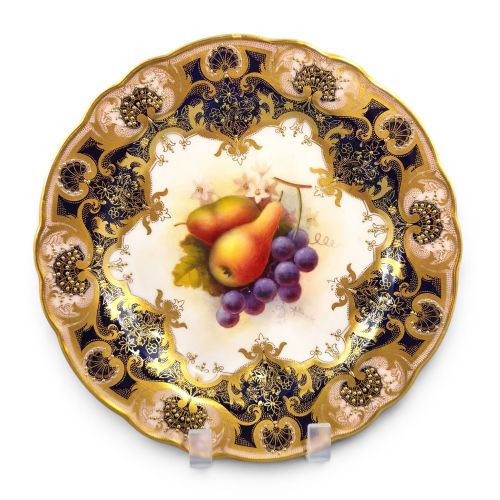
When searching for a blue gold display plate, collectors encounter various ornamental forms including cabinet plates, decorative chargers, and serving dishes. These pieces are designed primarily for visual appreciation rather than daily dining, often exhibited on walls or within dedicated display furniture.
The selections span numerous periods and origins, ranging from nineteenth-century English factories and continental houses to Japanese export wares. Common expressions include floral motifs, classical figural scenes, and intricate hand-painted details set against contrasting rich blue and metallic grounds.
Materials and production methods
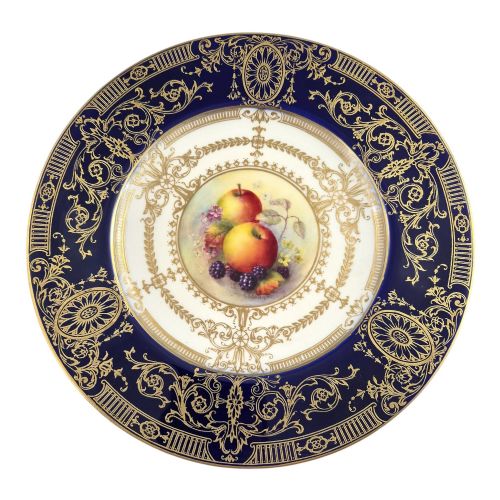
Makers utilised fine porcelain, bone china, and copper foundations, applying cobalt enamel pigments to create deep blue backdrops before introducing detailed hand-painting. Artisans then integrated gold leaf, gilding, and gilt accents to highlight borders, central vignettes, and intricate patterns.
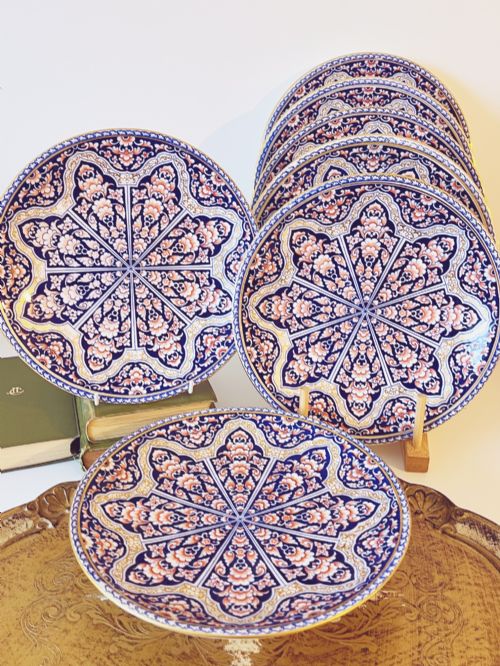
Techniques varied from delicate brushwork on European cabinet pieces to intricate wirework cloisonné and rich Imari glazing on Japanese chargers. Firing processes required precise temperature control to fuse the enamel colours and secure the metallic leaf without marring the ceramic glaze.
Blue Gold Display Plate Retail Price Guide 2026
Typical asking prices for blue gold display plate among the pieces listed under this phrase on Sellingantiques today, from the lower quarter to the upper quarter. They describe what is for sale here now, not the wider market.
Listings feature porcelain, bone china, and copper materials spanning the eighteenth, nineteenth, and twentieth centuries.
Judging quality and execution
The distinction between standard production and exceptional work rests on the skill of the painting and the richness of the gilding. Hand-painted botanical studies, game birds, or mythological scenes executed by named artists elevate a piece far above transfer-printed equivalents.
Depth of colour and precision in the tooling of the gold leaf also determine the standing of an object. Dense, vibrant cobalt grounds paired with heavy, burnished gilding indicate superior craftsmanship from leading porcelain houses.
Royal Crown Derby·Royal Worcester·Coalport·Royal Vienna·Meissen·Aynsley·Sevres
The Blue Gold Display Plate Glossary
- Cabinet plate
- An ornamental ceramic plate intended for display rather than utility. These pieces usually feature elaborate hand-painted decoration and rich gilding.
- Charger
- A large decorative plate or dish used historically for ceremonial service or displayed upright on a sideboard. They offer a wider surface area for complex artistic compositions.
- Gilding
- The application of gold leaf or gold dust onto the surface of porcelain or metal. Skilled artisans burnish the metal to create a reflective finish.
- Cloisonne
- A technique where enamel compartments are formed on a metal base by soldering flat metal wires to the surface. Craftsmen then fill the cells with coloured paste before firing.
- Imari
- A style of Japanese export porcelain characterised by a palette of underglaze blue and iron red, supplemented by extensive gold highlights.
Blue Gold Display Plate: Frequently Asked Questions
What is a blue gold display plate used for?
These pieces function primarily as decorative accents in cabinet displays, on mantlepieces, or mounted upon walls.
Historically, owners used chargers and cabinet plates to showcase wealth and artistic appreciation during formal dining or in drawing rooms.
How do I care for antique porcelain and gilt?
Dust surfaces gently with a soft, dry cloth and avoid harsh chemical cleaners or abrasive scouring pads.
Keep pieces away from direct sunlight to preserve the vibrancy of the hand-painted enamels and prevent fading on the cobalt grounds.
How can I tell English pieces from continental work?
English manufacturers often rely on bone china bodies and factory date ciphers stamped or painted into the ceramic paste.
Continental houses frequently utilise hard-paste porcelain with impressed shield marks or distinct narrative painter signatures on the face.
What distinguishes Japanese import plates from European examples?
Japanese chargers often incorporate traditional techniques like cloisonne on copper or distinct Imari palettes featuring deep cobalt and iron red.
European factories generally focus on porcelain cabinet plates depicting botanical studies, portraits, or classical mythology framed by heavy gilding.