



French Porcelain Charger
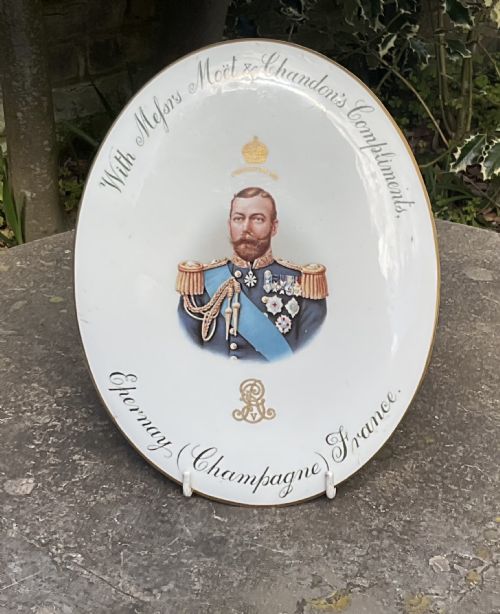
These french porcelain charger pieces are grand decorative dishes spanning the eighteenth to early twentieth centuries, prized for elaborate hand-painted scenes and gilt mounts.
French Porcelain Charger
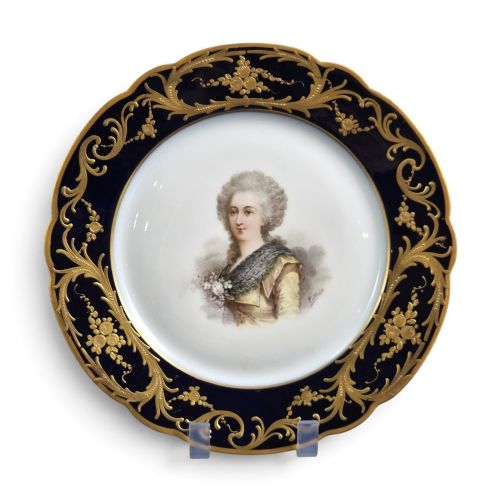
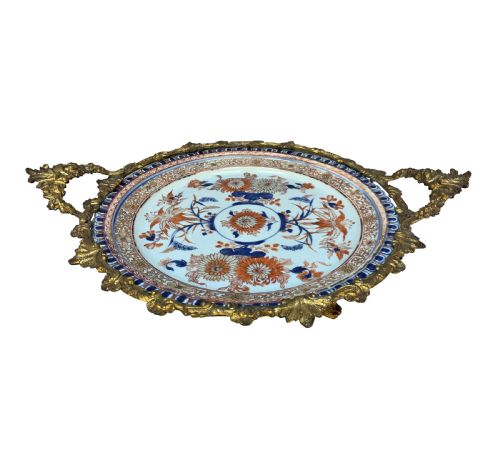
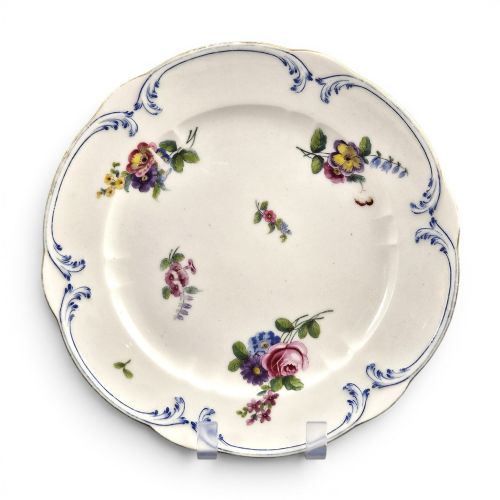
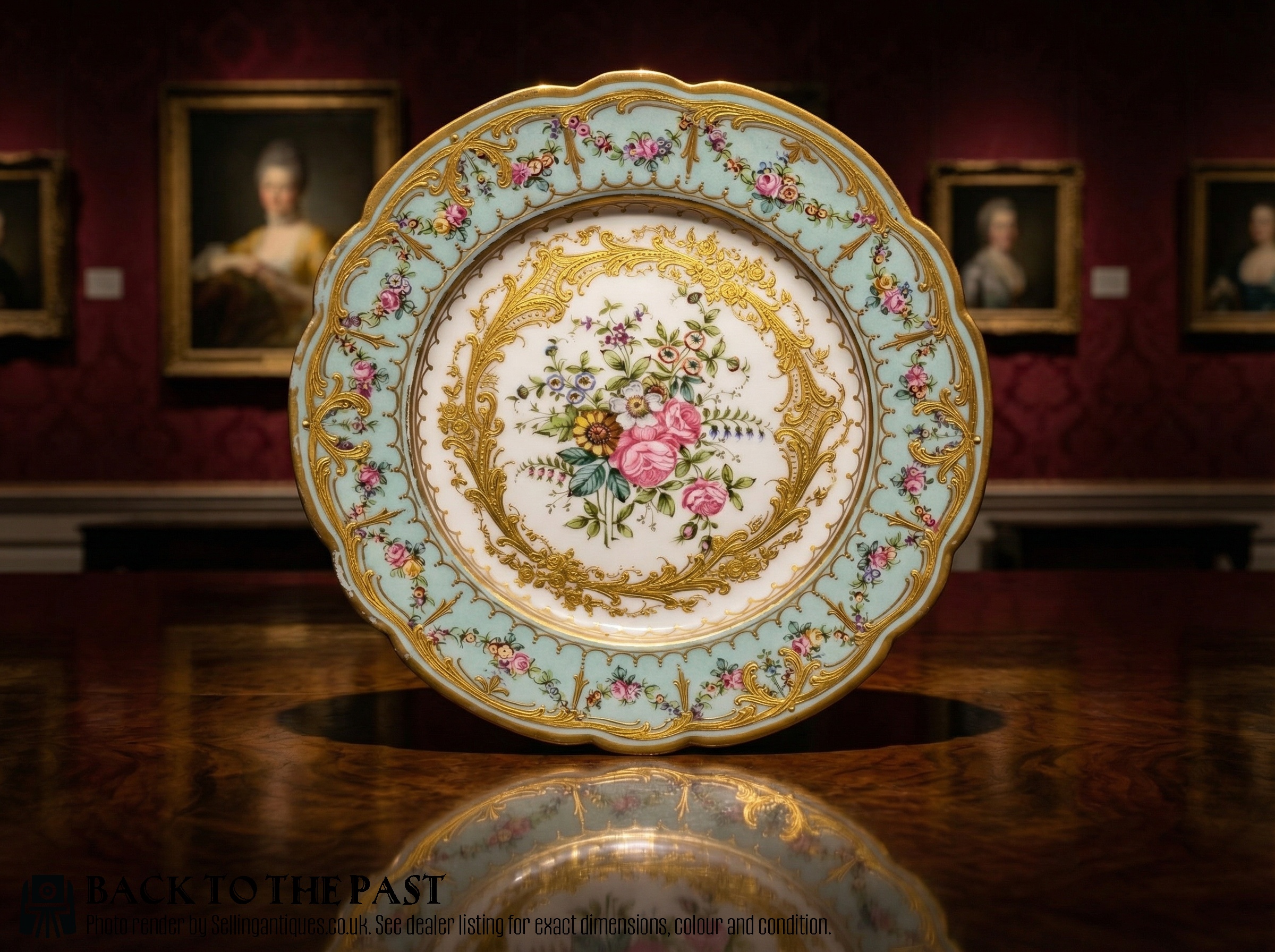
A french porcelain charger is a large display plate, cabinet plate or decorative tray designed for visual impact rather than dining use. The selections here include cabinet pieces, decorative plaques and large serving dishes from various periods.
Most examples date from the nineteenth century, drawing heavily on eighteenth-century revival aesthetics. You will encounter large Paris porcelain chargers, Sèvres-style cobalt pieces and ormolu-mounted items.
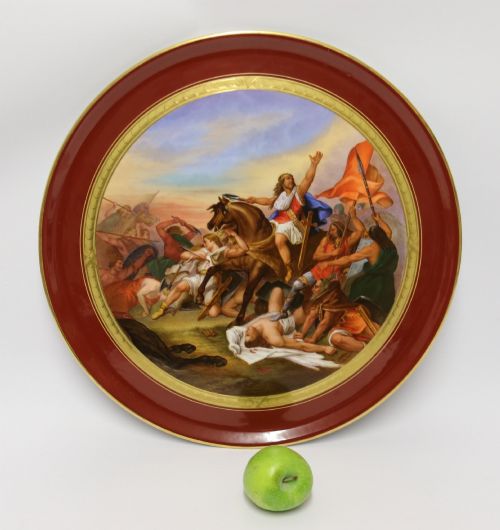
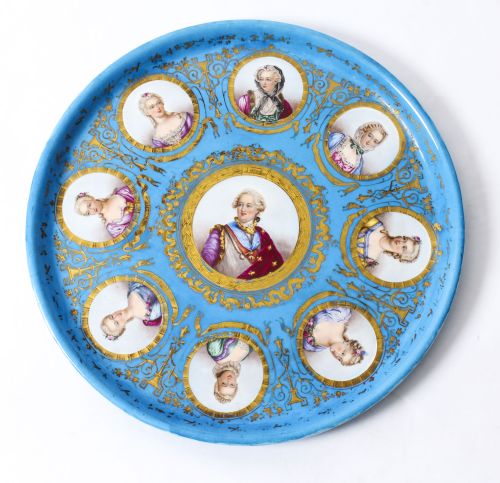
Forms range from circular plates to oval dishes and trays. Many feature hand-painted historical scenes, portraits or Watteau landscapes bordered by rich gilding and cobalt grounds.
How they were made
These items utilise hard-paste and soft-paste porcelain bodies fired at high temperatures before receiving intricate hand-painted decoration. Artisans applied cobalt blue underglazes, polychrome enamel pigments and gold leaf detailing across the surfaces.
Many finer pieces incorporate cast ormolu and gilt bronze mounts fitted securely around the porcelain edge. Makers such as Samson and Paris workshops employed skilled painters to execute detailed historical scenes and portraits by hand.
Listings feature hard-paste and soft-paste porcelain alongside ormolu mounts, enamel and gold leaf from eighteenth and nineteenth-century periods.
What varies in quality
Quality rests primarily on the finesse of the hand-painted artistry and the crispness of the porcelain body. Expertly rendered portraiture and historical battle scenes executed with fine brushwork distinguish superior cabinet pieces from simpler decorative plates.
The integration of metalwork also marks differences in execution. Heavy, finely chased ormolu mounts and substantial gilt bronze framing elevate a piece far above standard porcelain bodies with basic gilt banding.
Ambroise Michel·Pucher Deroche·Samson Paris
The French Porcelain Charger Glossary
- Hard-Paste Porcelain
- A durable ceramic composition fired at high temperatures, invented in Europe during the eighteenth century. It provides a dense, white body that resists scratching.
- Soft-Paste Porcelain
- An earlier, vitrified ceramic composition containing glass frit and clay, fired at lower temperatures. It possesses a warmer, softer glaze texture often found on eighteenth-century pieces.
- Ormolu
- Finely ground high-purity gold applied to a bronze base object through mercury amalgamation. It provides a rich, durable metallic finish for decorative mounts.
- Bleu Céleste
- A brilliant sky-blue ceramic ground colour developed at the Sèvres factory. It serves as a vibrant backdrop for painted panels and gilt decoration.
- Charger
- A large ornamental plate or dish used historically for display or service. In this context, it functions as a substantial cabinet piece.
French Porcelain Charger: Frequently Asked Questions
How were these large plates used originally?
These large pieces served primarily as decorative chargers, cabinet plates or ceremonial display items within prosperous homes. Rather than seeing daily dining use, they sat on sideboards or hung on walls to showcase artistic wealth.
Many examples feature elaborate ormolu mounts and historical battle scenes meant to impress guests. Their generous scale allowed workshops to display intricate hand-painted narratives.
How do I distinguish eighteenth-century pieces from nineteenth-century revivals?
Distinguishing periods relies on examining paste composition, glaze characteristics and stylistic markers. Eighteenth-century pieces often utilise soft-paste porcelain with softer glaze characteristics.
Nineteenth-century revival items frequently employ harder pastes and adopt Louis XVI or Rococo revival aesthetics. Markings and mount construction also provide clues to the exact manufacturing era.
What is Paris porcelain?
Paris porcelain refers to items produced by numerous independent workshops operating around Paris from the late eighteenth century onward. These establishments created high-quality decorative items without relying on royal factory monopolies.
Items from these workshops often display exceptional hand-painted detail, vibrant enamel colours and generous gilding. They encompass various cabinet plates, trays and large chargers.
How should I care for a porcelain charger with gilt mounts?
Care requires gentle dusting with a soft, dry cloth to protect delicate enamel and gold leaf details. Avoid using water, chemical cleaners or abrasive cloths on the painted surfaces.
Keep the piece away from direct sunlight and areas prone to humidity fluctuation. Secure mounting prevents accidental slips if displayed upright on a wall or stand.