
19th Century Cabinet Plate
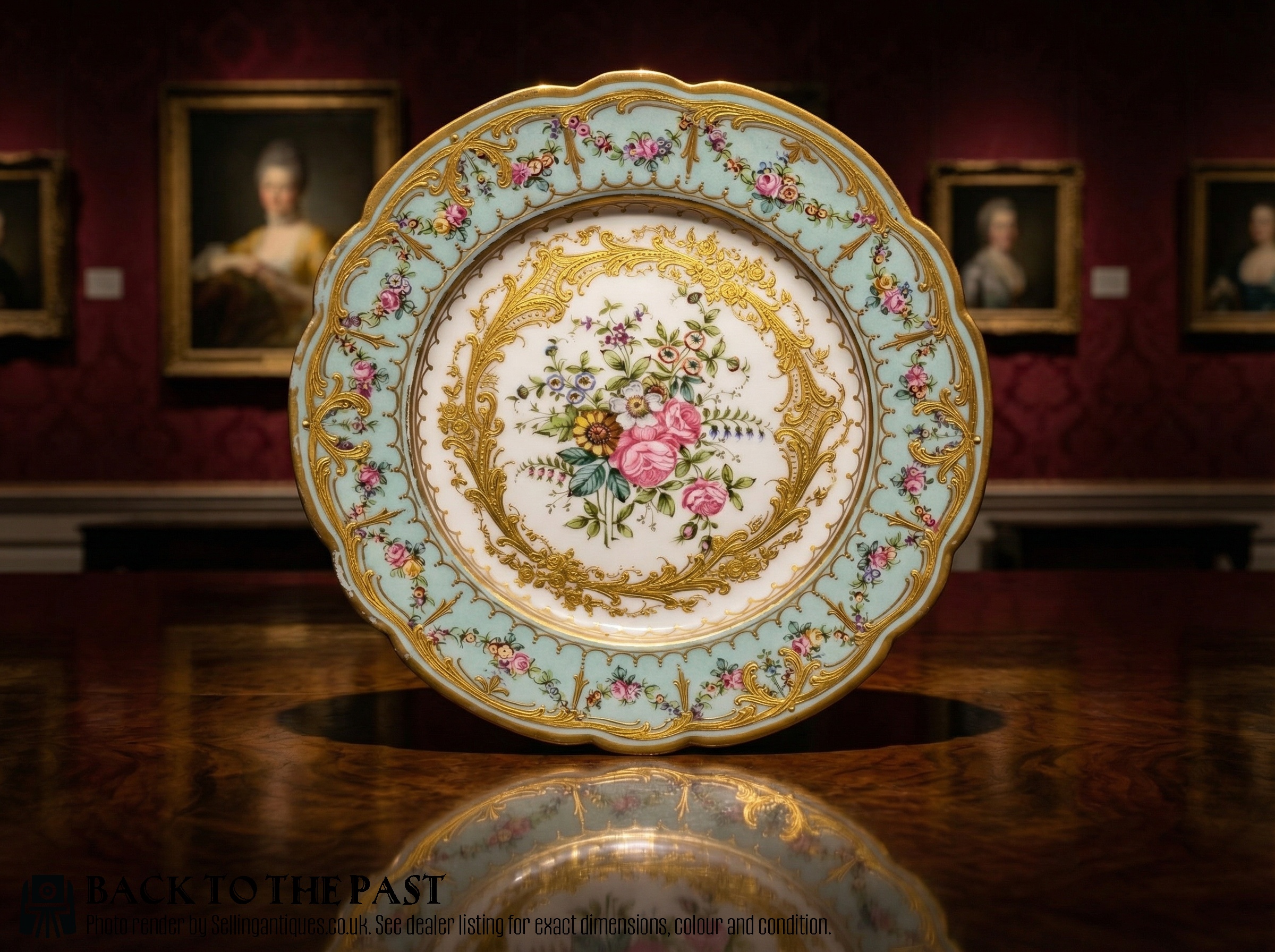
When you search for a 19th century cabinet plate, you are hunting for highly decorative porcelain designed for display rather than dining.
19th Century Cabinet Plate
A 19th century cabinet plate represents the pinnacle of ceramic artistry from the Georgian, Regency, and Victorian eras, created expressly for visual appreciation in drawing rooms and parlours rather than for daily meals. These pieces span English factories like Spode, Minton, and Worcester, alongside continental heavyweights such as Meissen, Sèvres-style Paris porcelain, and Russian Imperial manufactures.
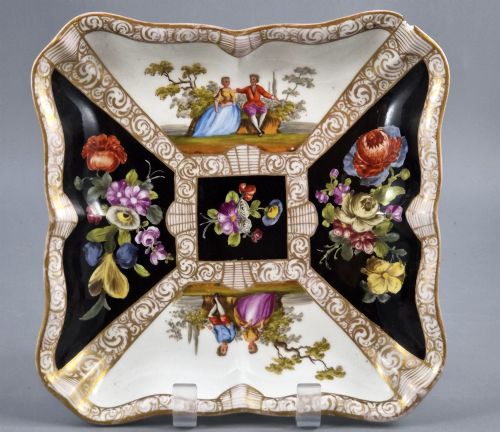
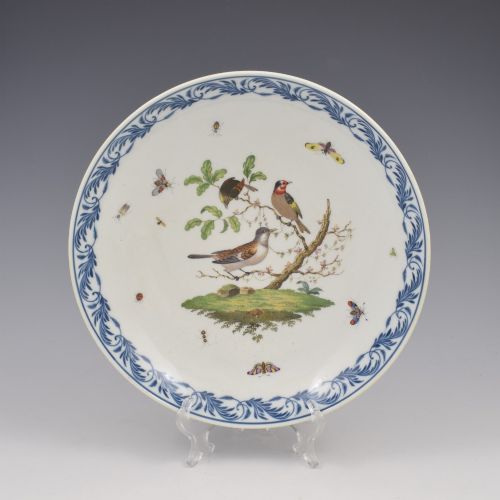
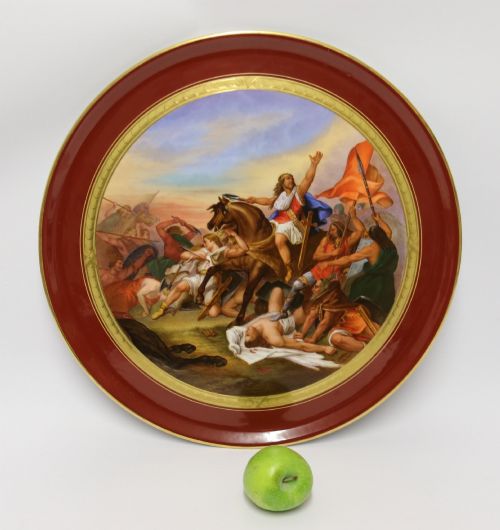
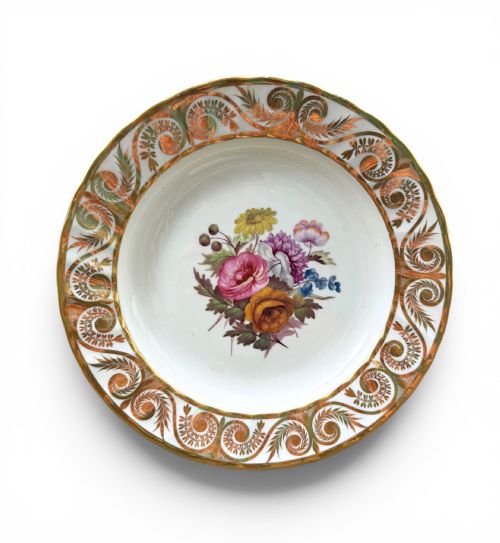
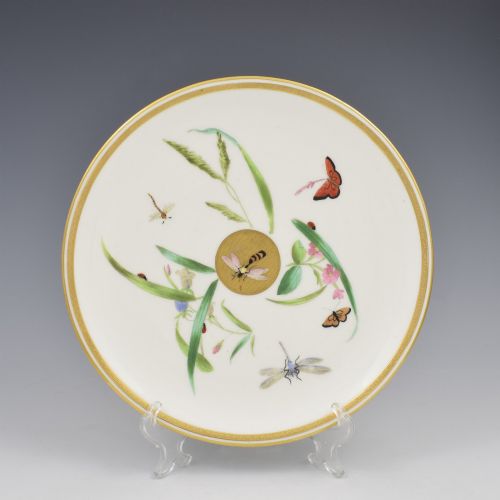
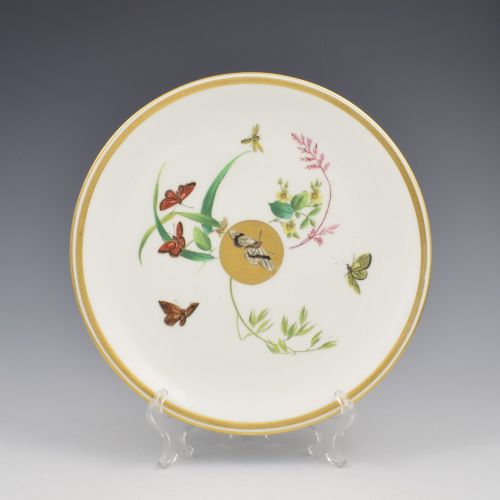
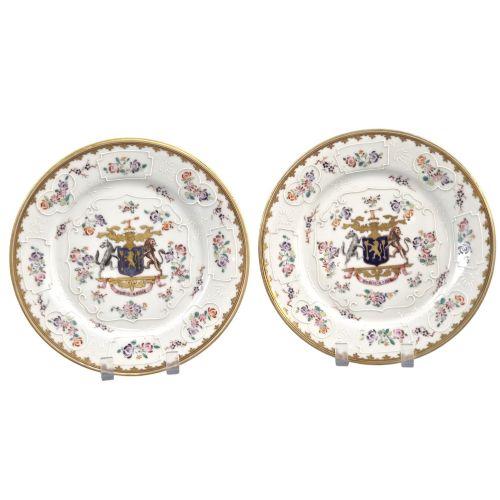
The specimens you meet on this page typically feature hand-painted scenes, botanical studies, armorial bearings, or exotic bird motifs framed by elaborate gilt borders. While some forms function as dessert plates or serving dishes, their primary purpose in the nineteenth century was to showcase wealth, taste, and elite manufacturing capabilities on wall brackets or inside glazed display furniture.
How they were made
Makers utilised fine porcelain, earthenware, and stoneware bodies, often enriched with hand-mixed enamel paints and generous applications of gold leaf and liquid gilding. Artisans applied pigments by hand before multiple firings in kilns to vitrify the glazes and set the intricate metallic details.
Techniques such as reticulation, transfer printing combined with hand-colouring, and moulded basketweave textures demonstrate the advanced capabilities of nineteenth-century potteries. Many surfaces required specialist painters to execute miniature portraits, landscapes, or ornithological studies with microscopic precision.
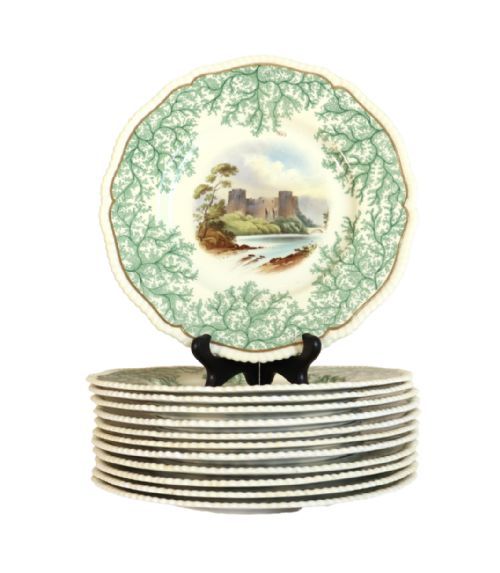
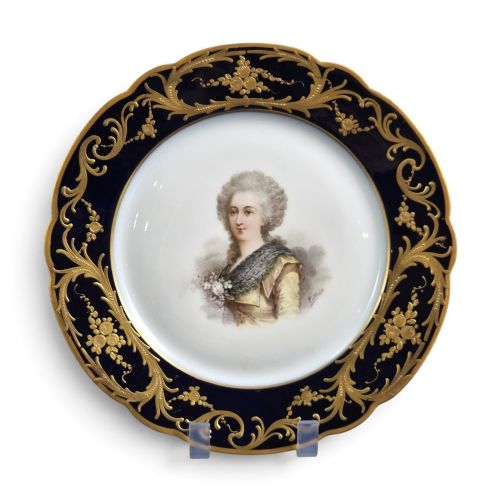
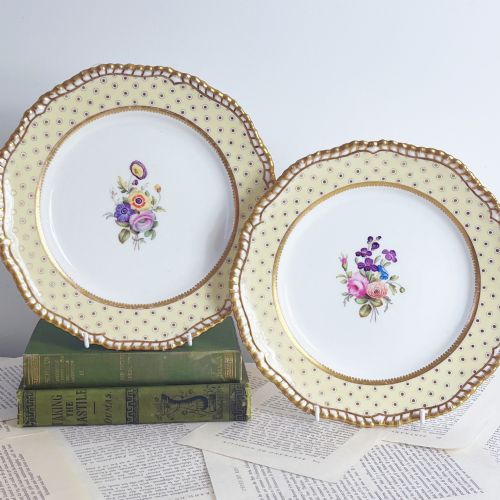
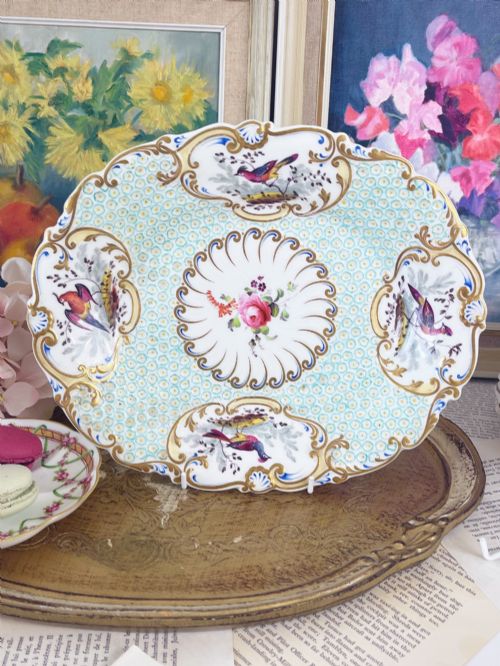
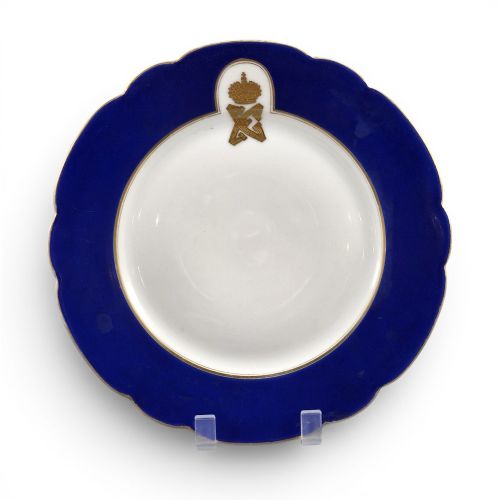
The inventory records cabinet plates and dessert dishes produced by prominent English and continental European factories during the Victorian and Regency eras.
What varies in quality
The distinction between ordinary and exceptional examples rests in the artistic execution of the painted surface and the crispness of the porcelain body. Hand-painted panels signed by known artists or attributed to specific factory decorators command greater appreciation than standard transfer-printed motifs.
The ambition of the design dictates overall merit, separating mass-produced factory output from bespoke cabinet plates featuring raised gilding, hand-tooled borders, and complex enamel palettes. Preservation of the original gilding and the absence of heavy glaze crazing further define the upper tier of surviving specimens.
Spode·Meissen·Minton·Edmé Samson And Cie·Royal Worcester·Derby·Coalport·Chamberlain Worcester·John Ridgway·Barr Flight And Barr
The 19th Century Cabinet Plate Glossary
- Cabinet plate
- A decorative ceramic dish intended solely for display in a cabinet or on a wall rather than for practical table use. These pieces usually display elaborate painting, gilding, or armorial designs.
- Gilding
- The application of gold leaf or gold paint to ceramic surfaces for decorative effect. Nineteenth-century pieces often feature burnished gold highlights along the rims and borders.
- Imari palette
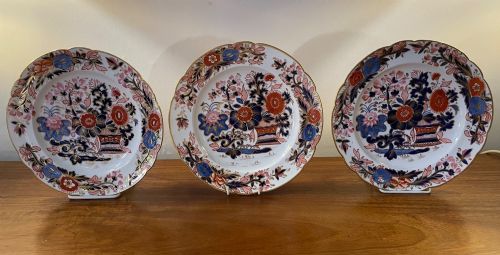
- A distinctive decorative scheme utilising underglaze blue, iron red, and gilt highlights, inspired by Japanese export porcelains. English and continental factories frequently adopted this vibrant aesthetic during the period.
- Reticulation
- An openwork or pierced lattice design cut into the rim of a plate before firing. This technique requires considerable skill to prevent warping in the kiln.
- Streublumen
- A scattered floral motif featuring small, loosely arranged hand-painted sprigs across the white porcelain surface. Meissen and other factories utilised this delicate style extensively.
19th Century Cabinet Plate: Frequently Asked Questions
What is a 19th century cabinet plate?
A cabinet plate is a highly decorative ceramic dish made during the nineteenth century for display in drawing rooms rather than dining use. They frequently feature hand-painted portraits, botanical studies, or elaborate gilded borders from factories across Britain and Europe.
These pieces were produced by premier potteries such as Meissen, Minton, and Spode to demonstrate technical mastery and artistic taste. Collectors prize them for their surviving hand-painted details and association with historic ceramic houses.
How were cabinet plates displayed?
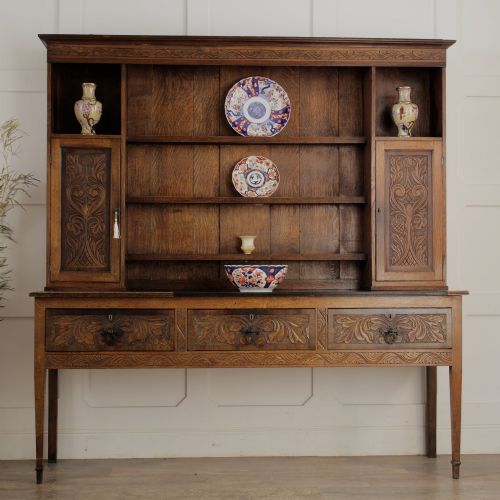
Nineteenth-century homeowners displayed these plates in glazed wooden cabinets, on wall brackets, or mounted directly onto walls using specialist wire hangers. They served as conversation pieces that reflected the refined cultural interests of the household.
Display practices emphasised the visual impact of the painted central well and ornate gilded rims. Today, collectors continue to exhibit them in cabinet settings or upon specialised wall mounts.
How do I identify factory marks?
Factory marks are typically found glazed or painted on the underside of the ceramic body, ranging from blue underglaze crossed swords to painted pattern numbers and maker names. These stamps help determine the exact origin, manufacturing era, and occasionally the specific decorator.
Researching historical factory ciphers allows you to date pieces accurately and distinguish original nineteenth-century production from later revivals. Unmarked pieces can often be attributed through distinctive body types, shapes, and hand-painted styles.
Are these plates safe to use for food?
Cabinet plates are generally not recommended for serving food due to their delicate enamel surfaces, age-related wear, and fragile nineteenth-century porcelain bodies. Many feature surface gilding and lead-based paints that can deteriorate with modern washing or contact with acidic foods.
Their primary function historically and today remains purely decorative and archival. Preserving the delicate hand-painted artwork requires keeping them safely away from daily culinary use.