






French Porcelain Plate
A french porcelain plate brings hand-painted scenes, cobalt grounds, and gilded borders straight to the table or cabinet.
French Porcelain Plate
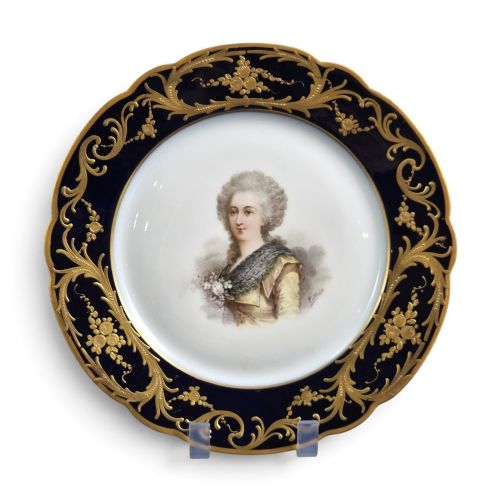
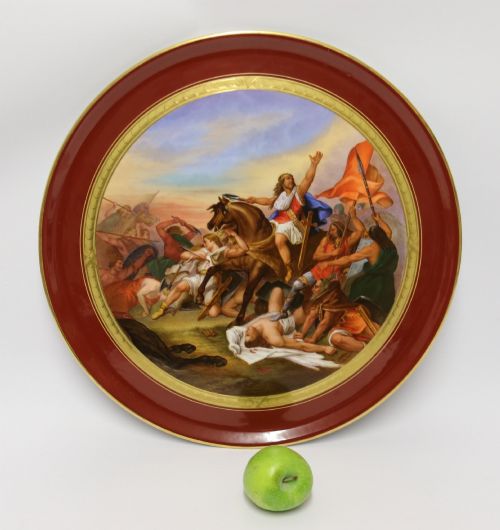
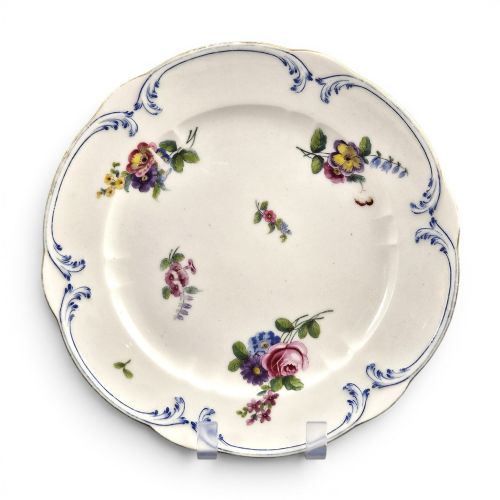
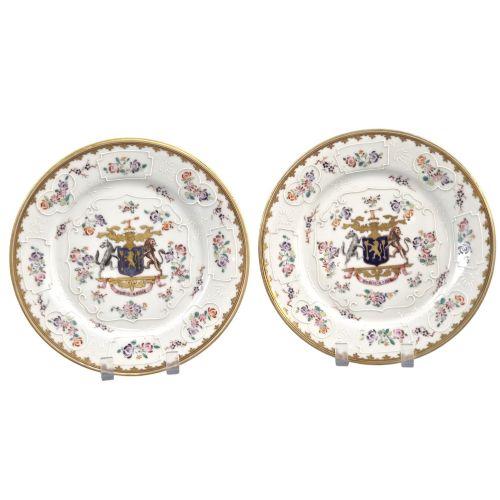
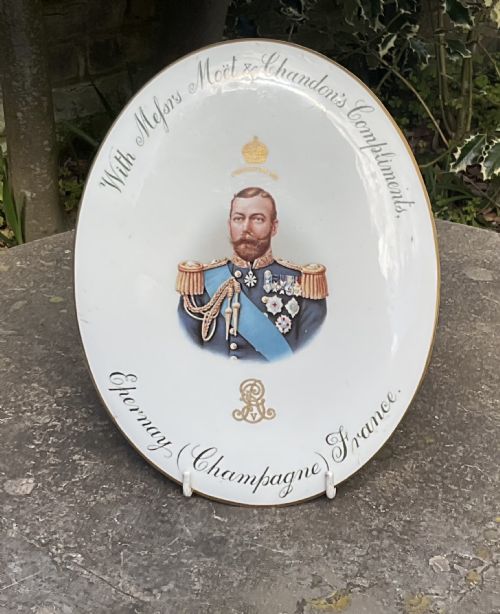
When you search for a french porcelain plate, you encounter items designed for display, dining, and interior adornment from the eighteenth century onward. Cabinet plates, chargers, and decorative dishes dominate the selection, often carrying hand-painted battle scenes, portraits, and floral motifs.
The objects span periods from the eighteenth century through the Victorian and Edwardian eras, with nineteenth-century examples appearing frequently. Makers and manufacturers range from Sèvres and Paris workshops to Chantilly and Limoges productions.
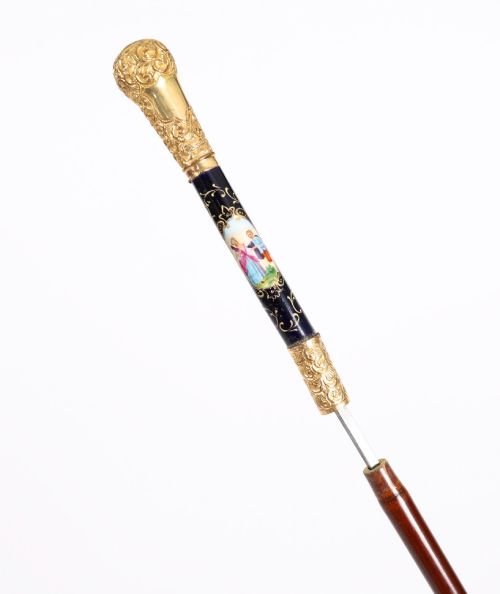
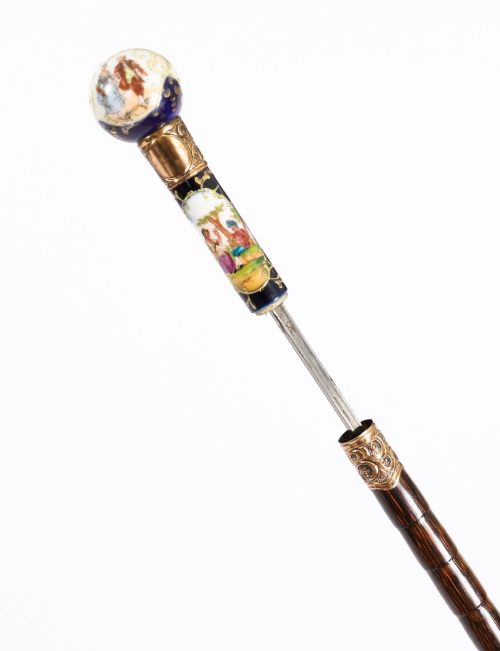
Alongside standard dining and cabinet wares, the category encompasses related porcelain elements mounted in or combined with other materials. These include door push plates, decorative plaques, and even walking sticks featuring porcelain sections.
How they were made
Potters shaped these pieces using hard-paste and soft-paste porcelain bodies, which were then fired and glazed. Artisans applied hand-painted pigments, enamels, and cobalt grounds directly to the surface before secondary firings fixed the decoration.
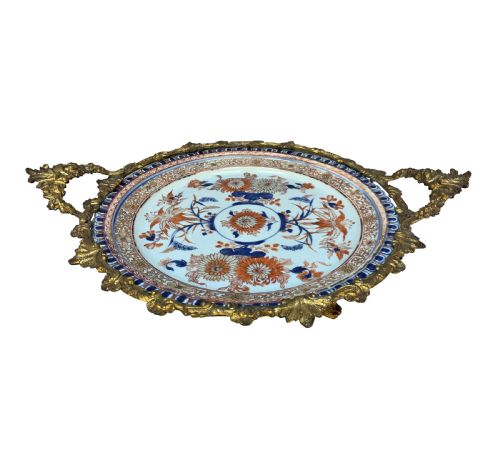
Gilding played a central role in the finishing process, utilising gold leaf and gold plate to outline panels, rims, and borders. Metal mounts in ormolu, gilt metal, and steel were occasionally added to frame or support the ceramic body.
Several eighteenth-century plates managed to survive centuries of household dining only to end up mounted inside walking sticks.
What varies in quality
The distinction between ordinary and exceptional pieces lies in the execution of the hand-painted details and the precision of the gilding. Finely rendered historical battles, portraits, and floral compositions demonstrate superior artistic skill compared to mass-produced or purely decorative patterns.
The weight and purity of the porcelain body, along with the complexity of the kiln work and glaze stability, separate standard utility wares from high-status cabinet plates and chargers.
Ambroise Michel·Darte Brothers·Pucher Deroche·Veuve Perrin·Jean-Pierre Feuillet
The French Porcelain Plate Glossary
- Cabinet plate
- A decorative plate intended for display in a cabinet or on a wall rather than for daily dining use. These items usually feature elaborate painted scenes and rich gilding.
- Charger
- A large decorative plate or dish used traditionally as a base under other courses or hung for display. They provide a broader surface for elaborate painted narratives.
- Soft-paste porcelain
- An artificial ceramic composition fired at lower temperatures than hard-paste porcelain. It produces a warm glaze texture particularly notable in eighteenth-century pieces.
- Ormolu
- Gilt bronze mounts applied to furniture and porcelain objects. This technique adds structural framing and decorative metallic contrast to the ceramic body.
French Porcelain Plate: Frequently Asked Questions
How do I clean a painted porcelain plate?
Dust surfaces gently with a soft dry cloth to protect fragile enamel and gold leaf decorations. Avoid soaking or using abrasive cleaners on antique porcelain.
Water and harsh detergents can damage historic gilding and hand-painted details. Keep these items away from modern dishwashers entirely.
Can I hang cabinet plates on walls safely?
Use padded wire hangers designed specifically for ceramics to distribute weight evenly across the rim. Ensure the wall fixing holds securely before trusting it with heavy chargers.
Avoid hanging pieces in direct sunlight or areas with high humidity. Temperature fluctuations can stress old porcelain bodies and adhesives.
How do I tell eighteenth-century pieces apart?
Examine the glaze, paste composition, and backstamp markings for clues regarding the period of manufacture. Eighteenth-century pieces often utilise soft-paste porcelain with characteristic glaze pooling and hand-painted signatures.
Compare the style of painting and floral borders with documented factory archives. Revival pieces from the nineteenth century frequently mimic these earlier aesthetics with slight variations in technique.
Were these plates used for dining?
Many dinner plates and service sets saw active use at aristocratic tables during their respective periods. Over time, surviving examples transitioned into decorative cabinet pieces.
Plates with delicate overglaze enamels and extensive gold leaf were often restricted to display. Heavier porcelain bodies handled regular dining duties more robustly.