




Historical Battle Scene
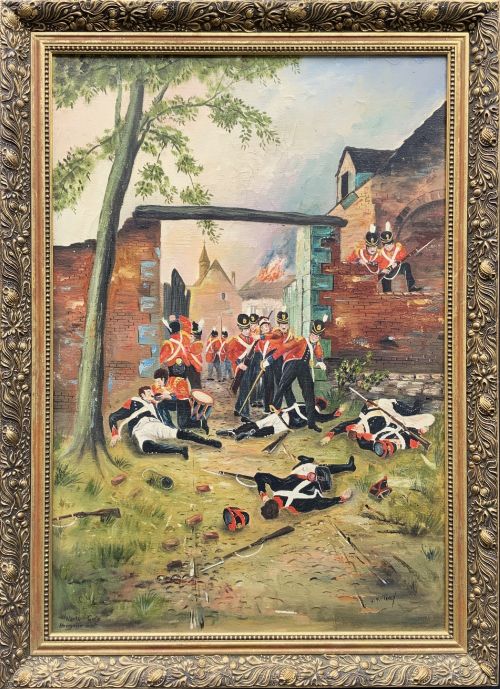
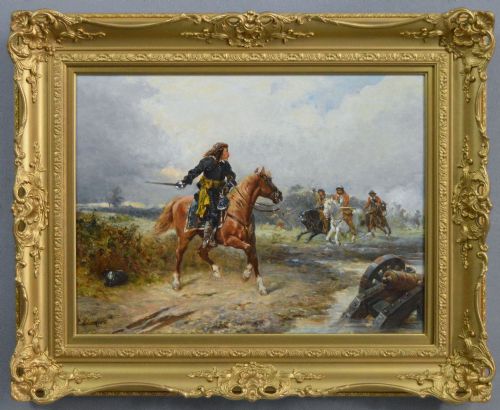
These historical battle scene works capture military engagements through oil paintings, detailed prints and painted porcelain from the eighteenth and nineteenth centuries.
Historical Battle Scene
A historical battle scene captures military triumphs, cavalry skirmishes and naval engagements across various artistic mediums. These works reflect significant conflicts and historical narratives that engaged European artists and patrons for centuries.
The pieces available span oil paintings on canvas, framed prints, porcelain cabinet plates and tapestry embroidery. Eighteenth-century engravings and nineteenth-century porcelain chargers predominate among these military depictions.
Originating from French, Italian and British traditions, these items range from classical mythological victories to specific nineteenth-century military campaigns. Each piece records historical conflict through the aesthetic lens of its period.
Materials and techniques
Artists painted these historical battle scene compositions using oil on canvas, applying pigment to capture the dynamism of cavalry charges and troop movements. Artisans also employed pen and ink on paper for detailed preparatory drawings and graphic works.
Porcelain items utilise giltwood and gold leaf framing to highlight intricate painted surfaces on plates and chargers. Tapestry embroidery translates complex military iconography into woven textile panels using specialised thread techniques.
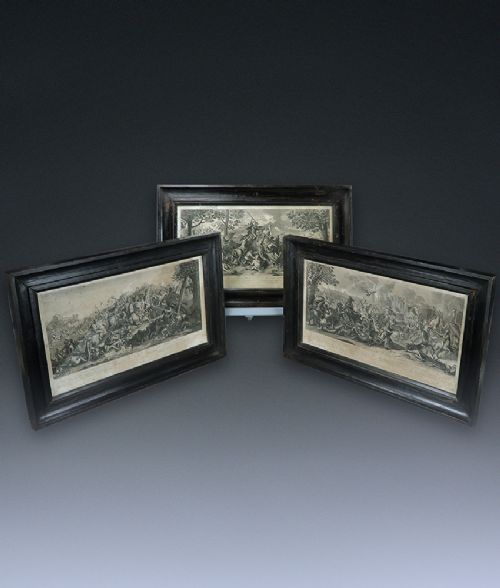
Printmakers created multiple impressions using engraving and etching plates on fine paper substrates. These graphic works often recorded famous painted compositions for wider distribution.
Historical Battle Scene Retail Price Guide 2026
Typical asking prices for historical battle scene among the pieces listed under this phrase on Sellingantiques today, from the lower quarter to the upper quarter. They describe what is for sale here now, not the wider market.
Listings feature oil on canvas, porcelain, glass, and paper across the eighteenth and nineteenth centuries.
Factors of quality
The distinction between standard and superior historical battle scene pieces lies in the precision of draughtsmanship and the handling of complex compositions. Master painters controlled perspective and massed figures with greater anatomical accuracy and narrative clarity.
Material preservation significantly affects the standing of a piece, particularly the integrity of oil paint layers on canvas or the crispness of detail on porcelain plates and giltwood frames. Artisanal execution in the application of gold leaf and the subtlety of hand-painted porcelain glazes separate standard workshop output from exceptional examples.
Le Brun·Jean Sobieski·Antonio Tempesta·Francis Russell Flint·James Hardy
The Historical Battle Scene Glossary
- Cabinet plate
- A decorative ceramic plate intended for display in a cabinet rather than for dining. These often feature hand-painted historical or military subjects.
- Giltwood
- Wood that has been treated with gold leaf or a gold-coloured metallic finish. It frequently frames oil paintings and decorative mirrors from the eighteenth and nineteenth centuries.
- Engraving
- A printmaking technique where an artist cuts lines into a metal plate to hold ink. The resulting impression on paper yields fine and precise linear detail.
- Oil on canvas
- A painting medium consisting of pigments suspended in drying oils applied to stretched fabric. It allows for rich colour blending and textured brushwork.
Historical Battle Scene: Frequently Asked Questions
What periods do these battle scenes cover?
The available works span the eighteenth and nineteenth centuries, with occasional mid-twentieth-century examples. They reflect the aesthetic and historical interests of those specific eras.
Collectors encounter everything from eighteenth-century classical engravings to nineteenth-century porcelain plates and oil paintings.
How were porcelain battle plates displayed?
Ceramic pieces like cabinet plates and chargers were made for visual appreciation in domestic interiors. They frequently incorporate gilt details that complement traditional room decor.
Such items served as conversational display objects rather than functional tableware.
What is the difference between an engraving and an oil painting?
An engraving is a printed work on paper created from a carved plate, allowing for multiple identical copies of a detailed image. An oil painting is a unique, hand-painted artwork on canvas.
Paintings offer layered brushwork and colour, whereas prints rely on fine lines and tonal hatching.
How do I identify a French Sevres porcelain plate?
Sevres pieces from the nineteenth century typically feature fine porcelain bodies adorned with painted historical scenes and gilt embellishments. They often depict specific military engagements or imperial triumphs.
Examine the quality of the painted surface and any underlying ceramic marks to understand the piece's origin.