



Nineteenth Century Porcelain Plate
When you search for a nineteenth century porcelain plate, you find diverse hand-painted tableware and cabinet pieces created to display skill.
Nineteenth Century Porcelain Plate
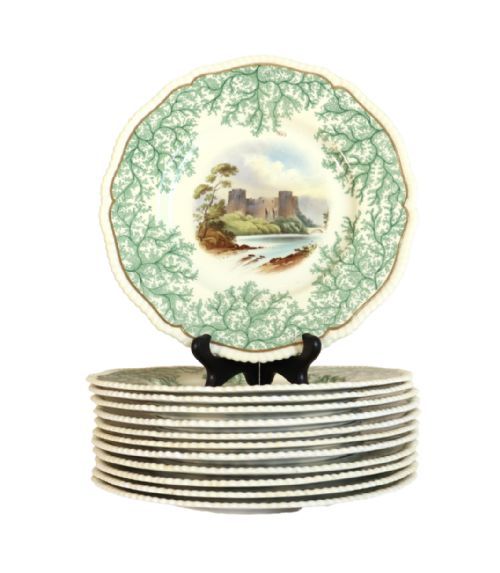
A nineteenth century porcelain plate spans practical dining services and purely decorative cabinet pieces designed for display. English factories like Worcester, Coalport, and Spode contributed armorial designs, topographical scenes, and botanical studies to dining tables.
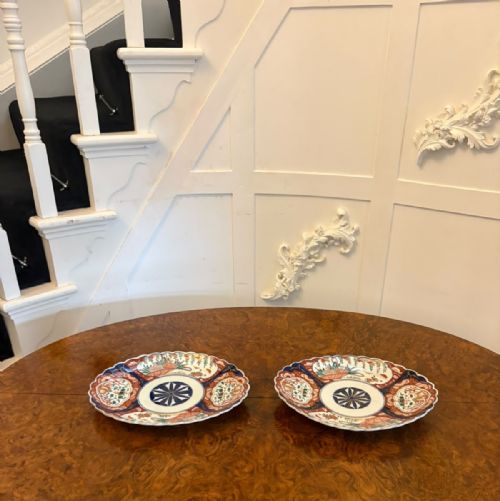
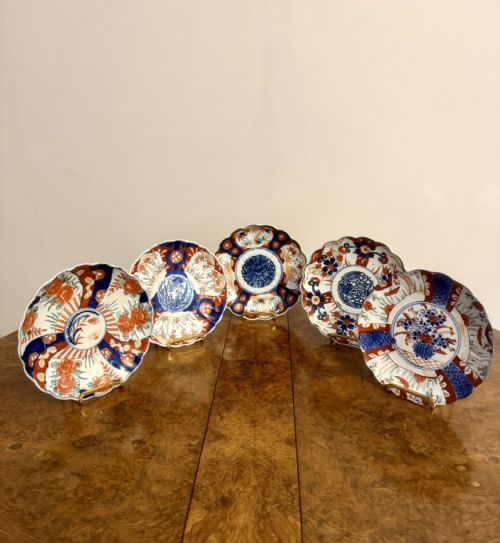
Continental European makers from Paris, Sevres, Vienna, and Meissen produced elaborate painted scenes depicting literary subjects, portraits, and mythological narratives. Japanese Imari and Chinese export wares imported during this period also heavily influenced Western ceramic tastes.
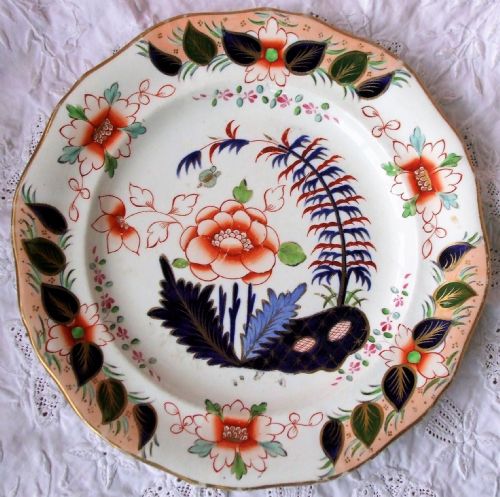
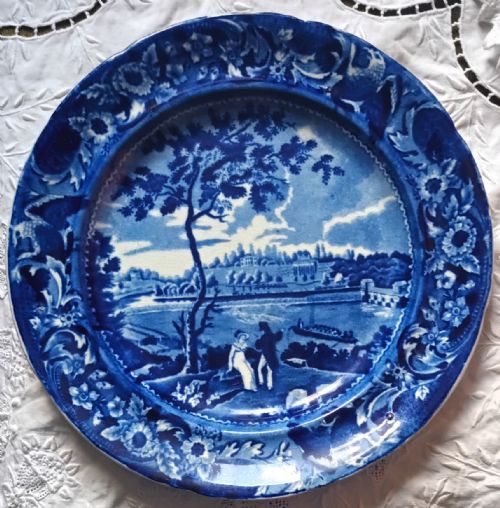
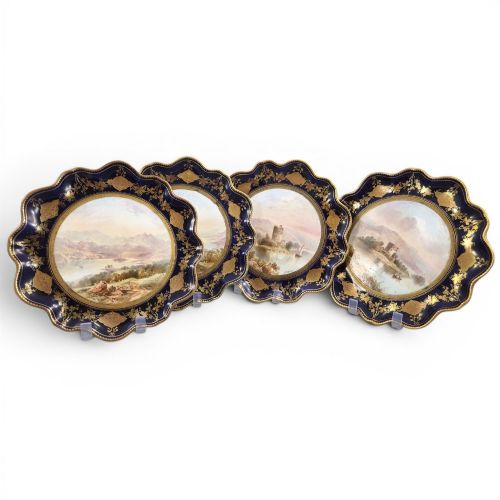
Buyers encounter everything from simple transfer-printed blue and white earthenware to heavily gilded and enamel-decorated dessert plates. Most examples serve as visual records of changing artistic styles throughout the Georgian, Regency, and Victorian eras.
Materials and production methods
Makers utilised fine porcelain, ironstone, and ceramic bodies shaped on wheels or pressed into moulds. Potters applied underglaze blue transfers, hand-painted enamels, and meticulous gold leaf gilding before firing the pieces in kilns.
Specialised artists painted intricate court scenes, floral sprays, and armorial crests directly onto the glazed surface. Subsequent low-temperature firings fixed these polychrome pigments and metallic highlights permanently to the ceramic body.
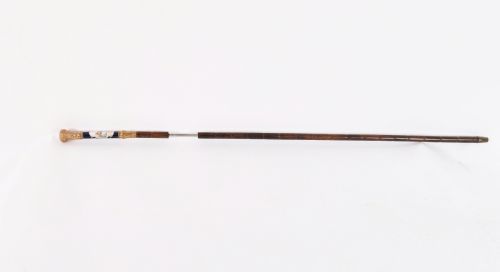
One unexpected nineteenth century offering includes a porcelain walking stick concealing a sword blade inside its painted shaft.
Distinctions in quality
Superior quality rests upon the precision of the hand-painted artistry and the crispness of the porcelain body. Master painters executed detailed portraits and historical scenes with delicate brushwork that lesser workshops simply printed or painted cursorily.
The application of heavy gold leaf gilding and raised enamels distinguishes high-status cabinet plates from everyday domestic ware. Exceptional pieces retain crisp factory marks and provenance that confirm the specific hand of the decorator.
Spode·John Davenport of Longport·Stubbs·Aynsley·James Rouse Jnr·Pucher Deroche·Coalport·Chamberlain Worcester·Barr Flight and Barr·C.J. Mason·Kornilov Brothers·Copeland·Thomas Moorcroft for E.J.D Bodley·Meissen
The Nineteenth Century Porcelain Plate Glossary
- Armorial plate
- A ceramic dish painted with a family crest or coat of arms. These were usually commissioned by landed families to match their formal dining services.
- Cabinet plate
- A decorative dish intended for display on a wall or in a glass cabinet rather than for dining use. They often feature elaborate painted scenes or heavy gilding.
- Imari
- A style of Japanese export porcelain characterised by underglaze blue, iron red, and gold highlights. English and European factories frequently copied these distinct patterns.
- Ironstone
- A durable type of heavy earthenware patented in the nineteenth century. It offered a resilient alternative to standard porcelain for busy dining services.
- Transfer printing
- A mechanical technique for applying intricate designs to ceramics using engraved copper plates and tissue paper. This innovation allowed factories to produce patterned tableware efficiently.
Nineteenth Century Porcelain Plate: Frequently Asked Questions
Can I use these antique plates for dining?
Most nineteenth century porcelain plates feature delicate hand-painted enamels and gold leaf that degrade with modern dishwashing. Collectors generally reserve them for display or gentle occasional use.
Heavier ironstone and sturdy transfer-printed earthenware from the period handle food better, but older decorative cabinet pieces suit visual appreciation best.
How do I identify the maker of a plate?
Turn the piece over to look for factory stamps, painted numbers, or impressed marks in the ceramic body. Many nineteenth century makers used specific ciphers, initials, or named patterns.
Matching these marks against historical reference books reveals the factory, and sometimes the individual decorator, responsible for the piece.
What is the difference between a charger and a plate?
Chargers are significantly larger decorative dishes, often measuring twelve inches across or more. They originally sat beneath smaller course plates on formal dining tables.
Plates are smaller and designed for holding individual portions or desserts. Both forms received equally elaborate artistic treatment in nineteenth century workshops.
How should I display a cabinet plate safely?
Display plates using secure wall brackets lined with felt or dedicated plate stands designed for heavy ceramics. Avoid hanging them in direct sunlight to prevent enamel fading.
Ensure wall mounts attach firmly to structural studs, especially when displaying larger porcelain chargers and heavy ironstone dishes.