


Polychrome Porcelain Cabinet Plate
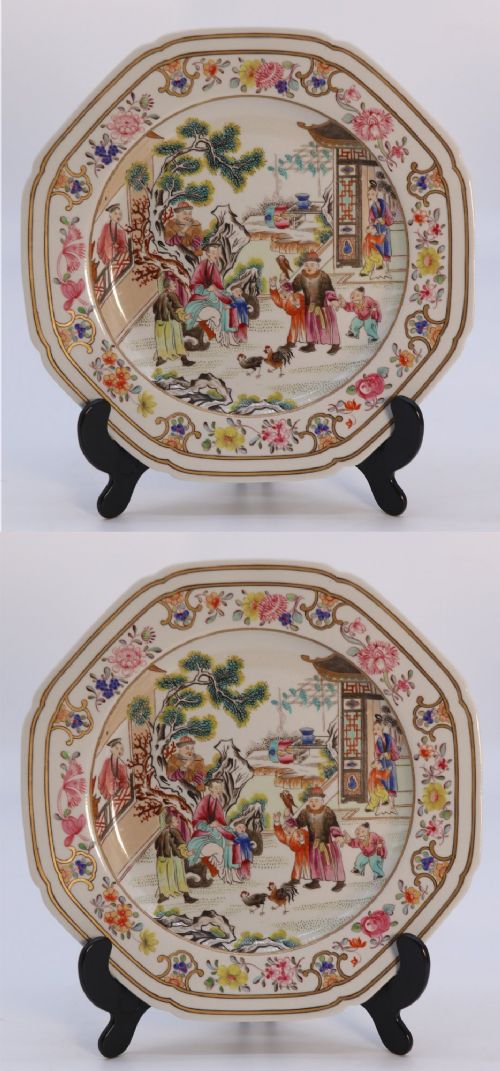
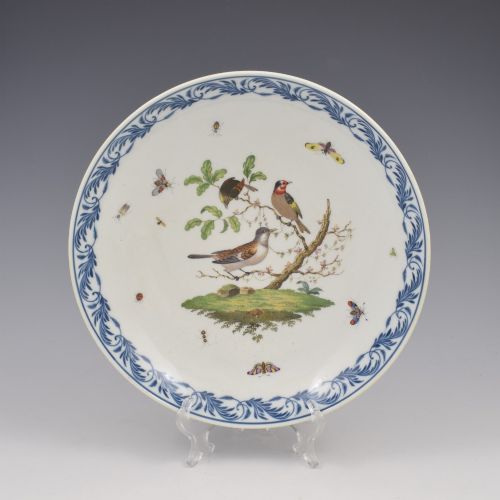
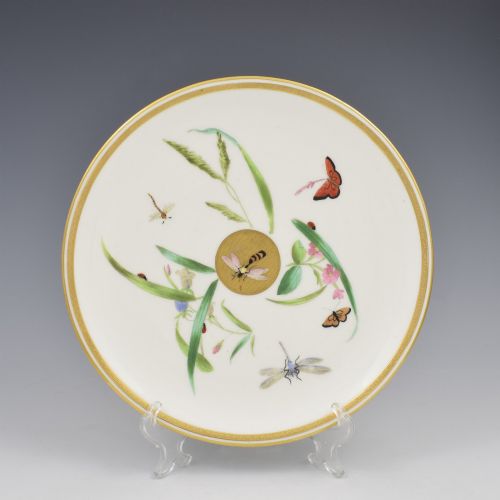
These polychrome porcelain cabinet plates bring vivid enamels and gold leaf to display stands, offering a direct link to 18th and 19th century ceramic workshops.
Polychrome Porcelain Cabinet Plate
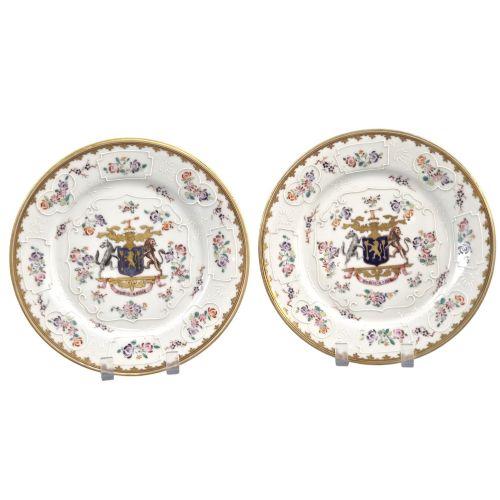
A polychrome porcelain cabinet plate is primarily designed for display rather than dining, emerging from historical periods such as the Georgian and Victorian eras. These decorative dishes showcase elaborate hand-painted scenes, botanical studies, and armorial crests intended to catch the eye from a wall or cabinet.
The versions most commonly met on this page span the 18th century through to the late 19th century, incorporating European factories like Meissen, Worcester, and Minton alongside Asian influences. Their forms range from standard round dishes to octagonal shapes and reticulated borders.
Makers utilised hard-paste porcelain and stone china as foundations for intricate overglaze enamel work. The visual character relies heavily on contrasting palettes, where gilt highlights frame central motifs such as exotic birds, dragons, and figures.
Materials and technique
Potters formed these plates using porcelain, hard-paste porcelain, stone china, or earthenware, which provided a stable white ground for subsequent decoration. Once fired, the pieces received hand-painted overglaze enamel designs applied in multiple stages to build up deep coloration.
Gold leaf and gilt were frequently added by hand to edges, borders, and motifs, requiring an additional low-temperature firing to bond the metal to the glazed surface. Reticulated plates also involved delicate piercing work cut into the clay body before firing.
Jabberwocky and exotic birds peer out from beneath the glaze, proving that historical decorators loved a fantastical creature just as much as we do.
Judging quality
Quality rests upon the precision of the brushwork in the enamel painting and the crispness of moulded or pierced details. Plates with finely rendered ornithological subjects, armorial details, or complex Japanese Imari patterns reflect a higher degree of artisan skill.
The preservation of the original gold leaf and overglaze enamel colours dictates the visual impact of the piece. Superior examples maintain sharp outlines and vibrant pigments without heavy rubbing across the central decorative field.
Spode Stone China·Meissen·Minton·Edmé Samson & Cie·Furstenberg·Chamberlain's Porcelain·Worcester·Derby·C.J. Mason·Helena Wolfsohn·Vienna
The Polychrome Porcelain Cabinet Plate Glossary
- Cabinet plate
- A decorative dish made primarily for display in a cabinet rather than for table use. These pieces often feature more elaborate painting and gilding than standard tableware.
- Overglaze enamel
- A technique where coloured glass fluxes are painted onto a previously fired and glazed ceramic surface, then fixed with a lower temperature firing. This method allows for a wider and brighter palette of colours.
- Hard-paste porcelain
- A dense, durable ceramic composed of kaolin and petuntse, fired at high temperatures. It forms a ringing, vitrified body that resists scratching.
- Reticulated
- Describes a ceramic body with an openwork lattice or pierced border pattern. This ornamental feature requires careful cutting while the clay is leather-hard.
- Gilt
- A thin layer of gold applied to the surface of the porcelain. It is used to accent borders and highlights.
Polychrome Porcelain Cabinet Plate: Frequently Asked Questions
Were polychrome porcelain cabinet plates used for dining?
Cabinet plates were primarily intended for visual display in reception rooms rather than everyday dining use. Their delicate overglaze enamels and gold leaf decorations were easily worn by cutlery.
Over time, collectors mounted these dishes on walls or placed them on stands to showcase the artistry of factories like Meissen and Worcester.
How do I identify a Georgian cabinet plate?
Georgian plates often feature hand-painted chinoiserie motifs, exotic birds, or armorial crests set against porcelain or stone china bodies. Makers from this era frequently employed distinct patterns like the Jabberwocky or dragon designs.
Examining the foot ring and the style of the hand-applied enamel work helps distinguish these earlier pieces from later Victorian reproductions.
What is the difference between porcelain and stone china?
Porcelain is a vitrified ceramic made from kaolin and petuntse, offering a translucent body and a smooth surface for detailed enamel painting. Stone china is a robust earthenware-like hybrid developed to withstand heavier use while accepting similar overglaze decoration.
Both materials served as the canvas for the colourful designs seen on 19th-century cabinet plates.
How should I clean my antique cabinet plate?
Antique plates with overglaze enamels and gold leaf require gentle dusting with a soft, dry cloth. Water and cleaning agents can damage vulnerable gilding and historic pigments.
Keeping the plate away from direct sunlight preserves the vibrancy of the polychrome colours over the years.