


Georgian Porcelain Tea Cup
A georgian porcelain tea cup brings cabinet-grade ceramic artistry right to your morning table.
What these pieces are
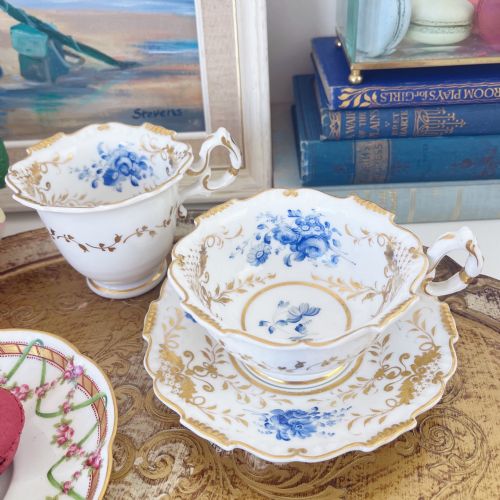
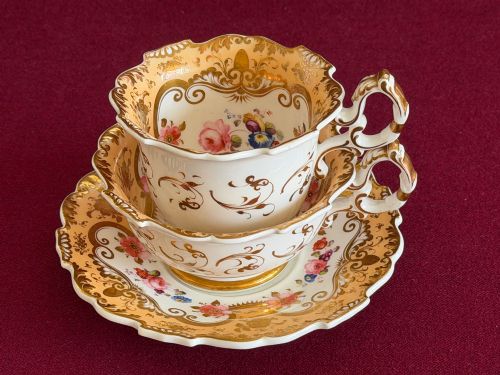
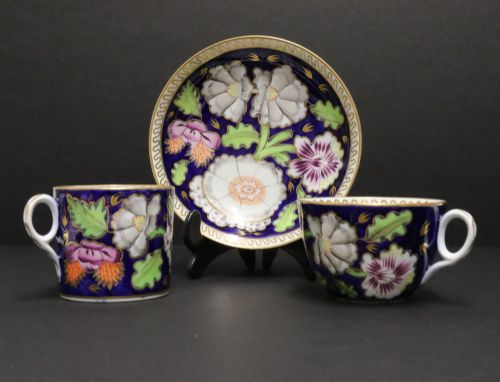
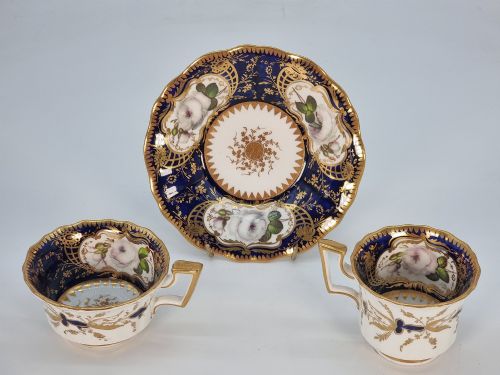
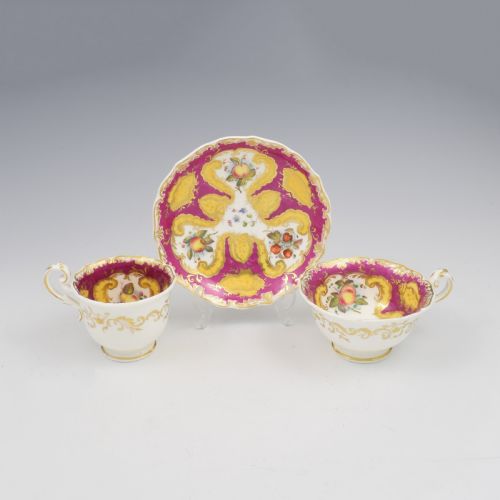
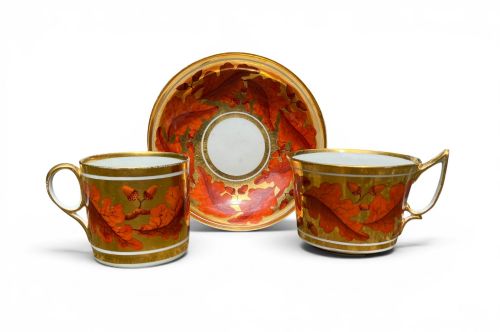
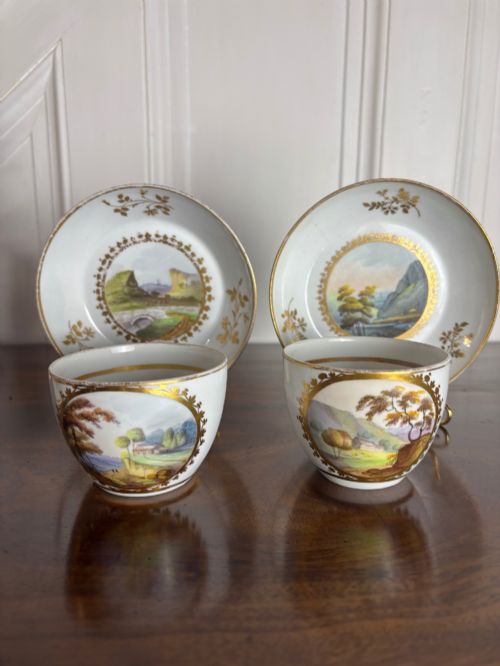
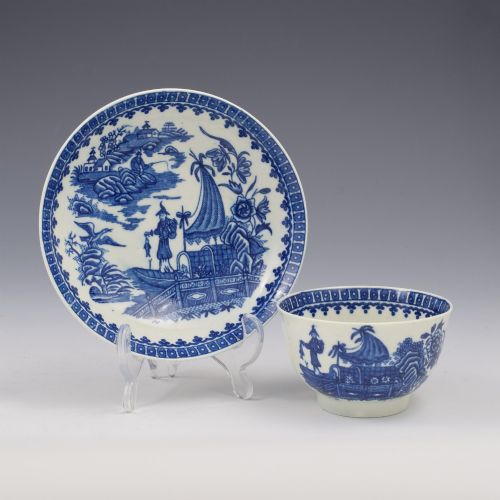
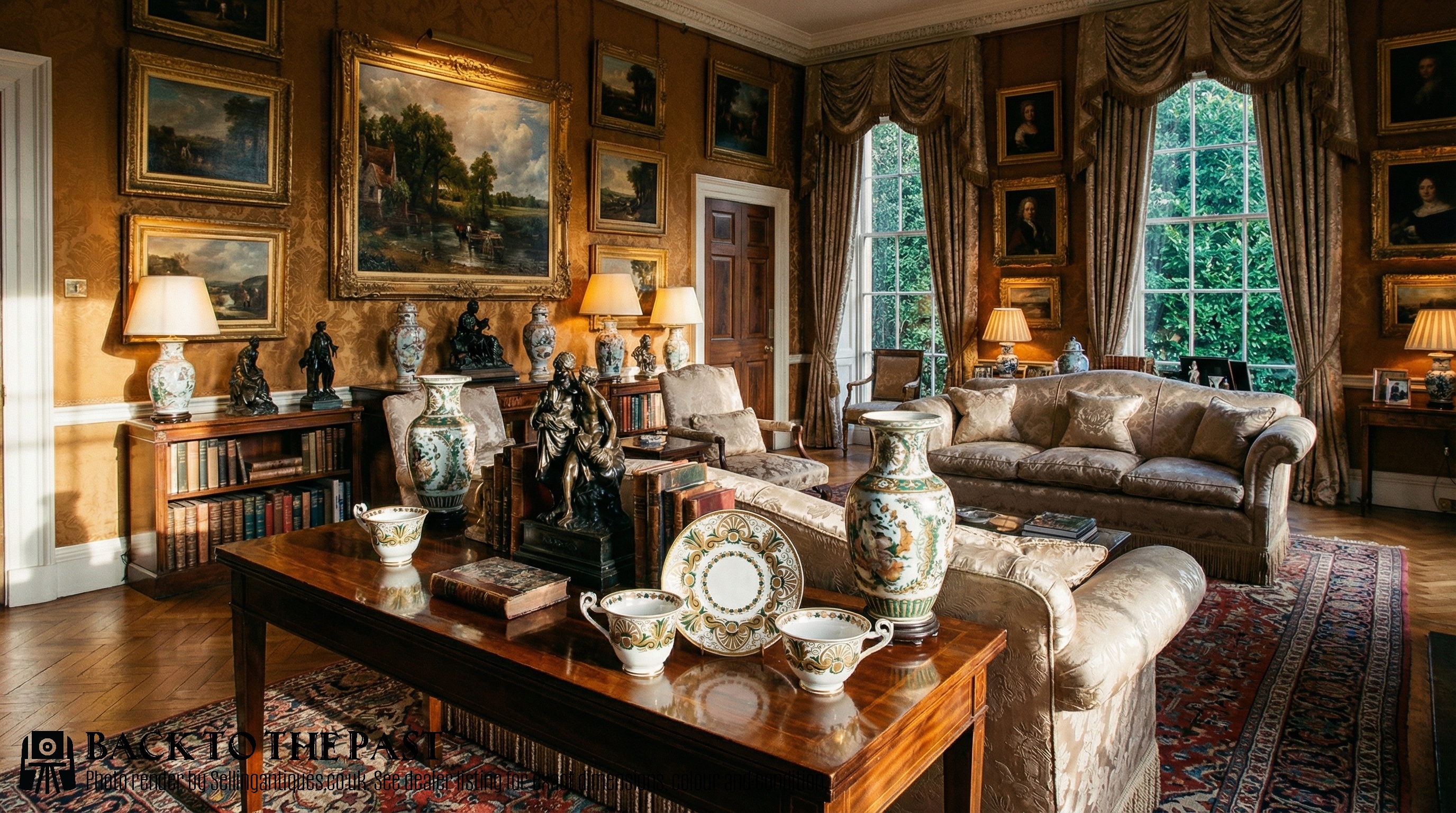
A georgian porcelain tea cup represents a refined domestic drinking vessel from the Georgian, Regency, and early nineteenth-century eras. These objects typically survive paired with their matching saucers, sometimes forming cabinet trios alongside a small plate.
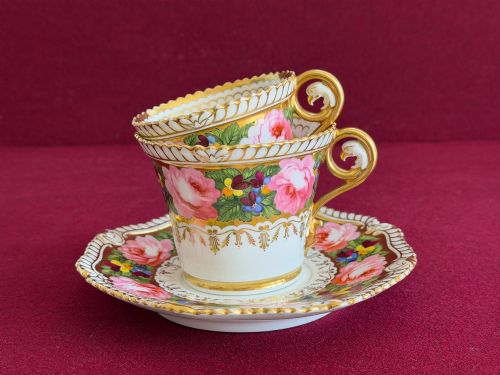
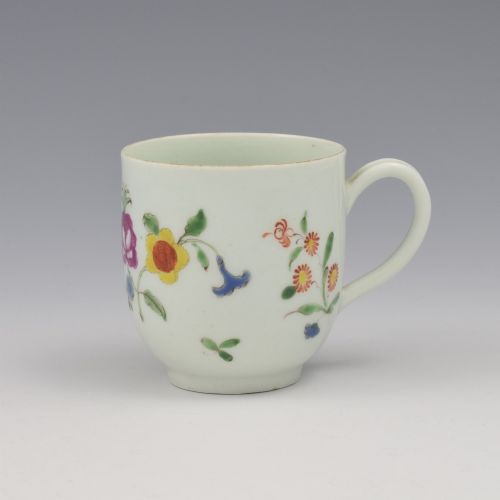
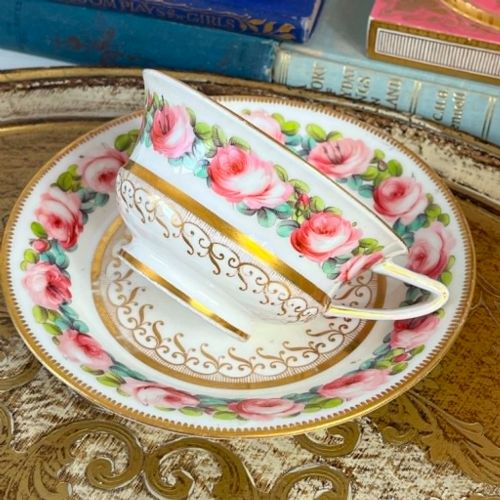
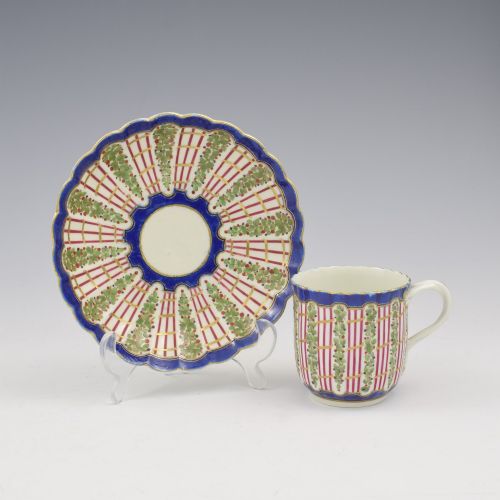
You are most likely to meet hand-painted floral motifs, faceted bodies, and fancy bird subjects on this page. The forms range from soft-paste porcelain tea ware of the mid-eighteenth century to later bone china and porcelain tea sets.
How they were made
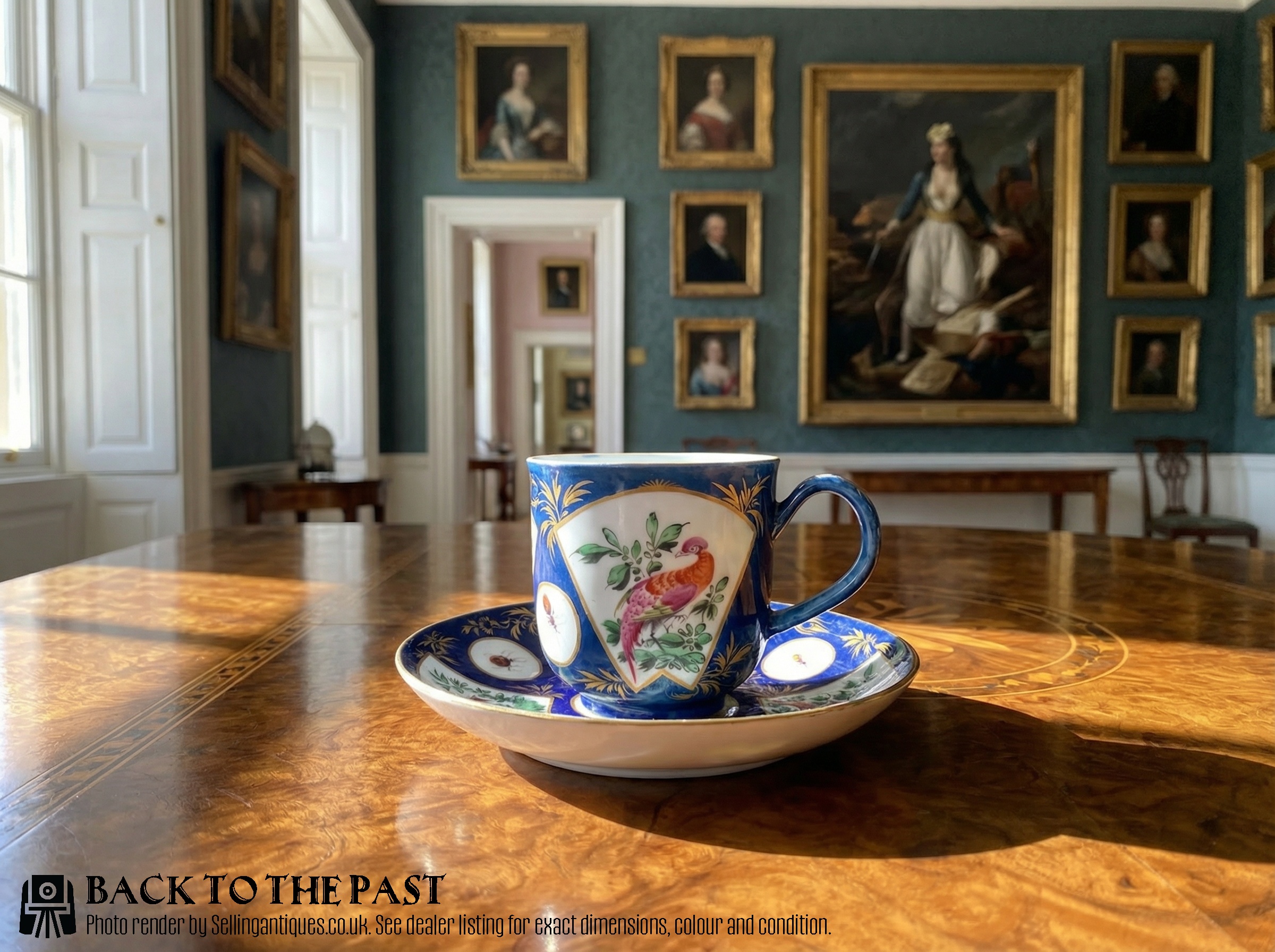
Potters shaped these vessels utilising soft-paste porcelain and bone china bodies, firing them to achieve translucent ceramic walls. Artisans then applied enamel decoration by hand alongside intricate gold leaf and gold gilding highlights.
The decorative schemes often incorporated meticulous hand-painted flowers and fancy birds vignettes directly onto the porcelain glaze. Subsequent kiln firings permanently fused the enamel colours and metallic gilding to the surface.
The listings across this site span the Georgian and Regency periods, featuring porcelain, bone china, enamel, and gold leaf.
What varies in quality
The artistic ambition of the hand-painted decoration determines the upper tier of the range, distinguishing skilled miniaturist work from more repetitive factory output. Finer examples display crisp enamel registration and substantial gold leaf application.
Material composition also dictates the standing of a piece, with early soft-paste porcelain bodies offering a distinct warmth and glaze texture compared to standard bone china. Complete saucer pairings and untouched cabinet preservation elevate individual items.
Minton·Worcester·Derby Porcelain·Spode·Coalport·New Hall
The Georgian Porcelain Tea Cup Glossary
- Soft-Paste Porcelain
- An early ceramic composition of glass frit and white clay fired at lower temperatures than hard paste. This material yields a warm glaze tone and subtle translucency.
- Bone China
- A porcelain body strengthened by the addition of bone ash, developed to produce a durable yet bright white surface. It became the standard medium for nineteenth-century British teaware.
- Gold Gilding
- The application of metallic gold leaf or gold paint to ceramic rims and handles. It elevates the decorative status of a tea cup.
- Cabinet Trio
- A matching set comprising a tea cup, saucer, and matching plate intended primarily for display rather than active service. These groupings demonstrate comprehensive factory decoration.
- Faceted
- A body shape featuring flat, angular planes cut or moulded into the ceramic surface. This technique catches candle or daylight effectively.
Frequently Asked Questions
Can I drink tea from a Georgian cup?
While these vessels were originally created for functional use, their age and delicate soft-paste bodies suggest careful handling. Most collectors prefer to enjoy them as cabinet display pieces.
Using them risks thermal shock or modern detergent damage to the hand-painted enamels and gold leaf.
How do I date a porcelain teacup?
Dating relies on identifying the ceramic paste, factory mark, and decorative style recorded in the listing. Soft-paste porcelain and rococo forms generally point toward the earlier Georgian period.
Later Regency examples often utilise bone china bodies and sharper neoclassical or revival motifs.
What is a cabinet trio?
A cabinet trio includes a matching tea cup, saucer, and side plate manufactured as a unified set. These sets showcase the pinnacle of a pottery's decorative repertoire.
They were preserved in display cabinets rather than everyday service.
Are saucers always included with cups?
Most surviving tea cups from this era retain their original matching saucers. The listings on this page typically present them as paired sets.
Finding a complete matched pairing significantly enhances the historical integrity of the piece.