





Regency Worcester Porcelain
Regency worcester porcelain brings together finely painted decoration and neoclassical forms from the early nineteenth century.
Regency Worcester Porcelain
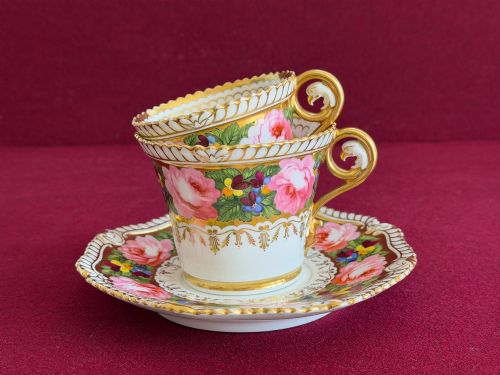
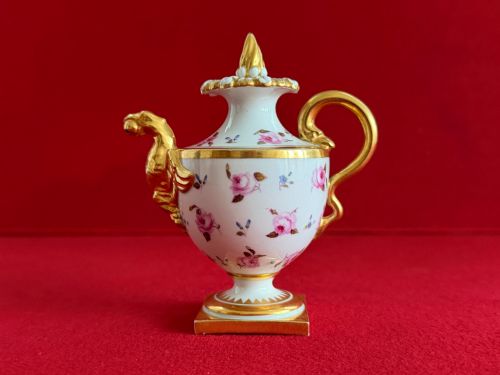
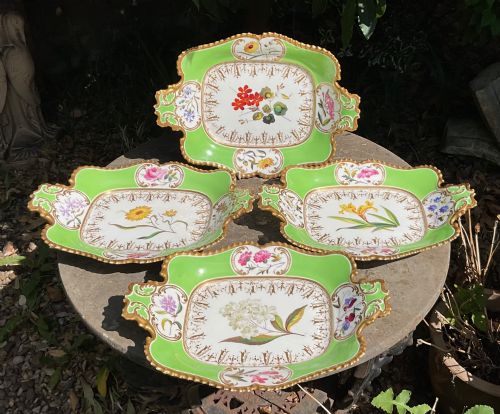
When you search for regency worcester porcelain, you are looking at fine ceramics produced by factories in Worcester during the Georgian and Regency periods. The forms range from cabinet plates and teacups to large vases, jardinieres, and ice pails intended for display and dining.
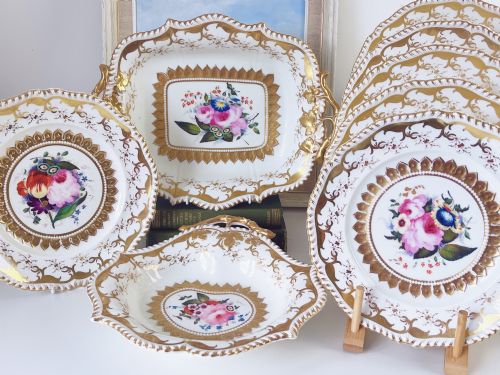
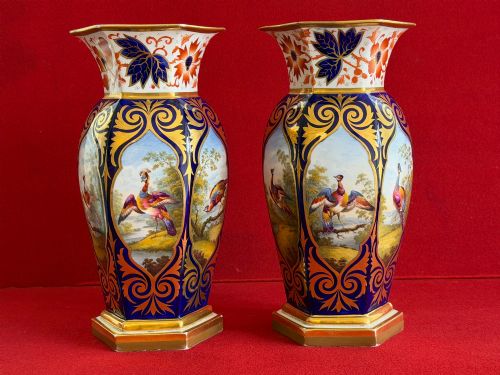
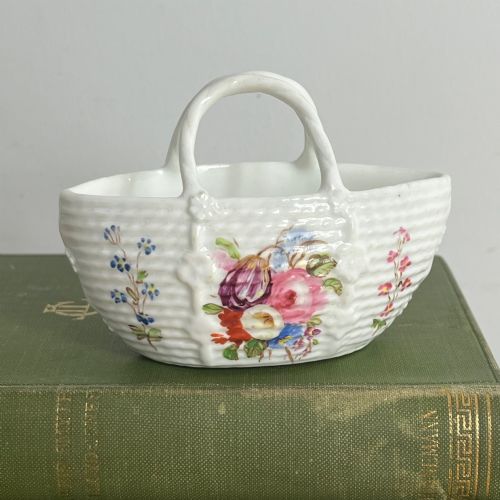
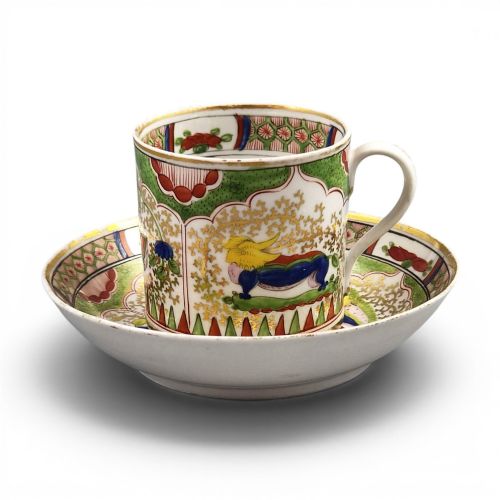
You are most likely to meet tableware and decorative pieces decorated with handpainted flowers, armorial crests, and Japanese-inspired motifs like the dragon in compartments pattern. These objects reflect the refined tastes of early nineteenth-century interiors.
The material output spans functional tea services and ornamental vessels carrying the marks of notable Worcester partnerships. Each piece demonstrates the transition from late eighteenth-century neoclassical restraint to the richer ornamentation of the Regency era.
How They Were Made
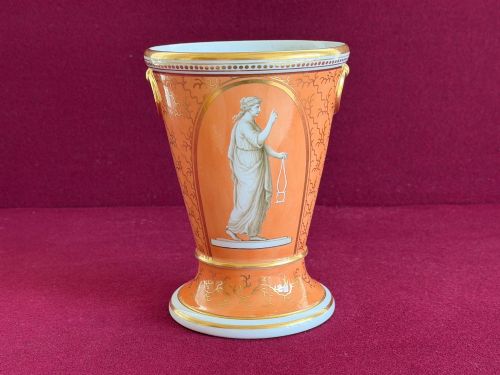
The pieces on this page are formed from porcelain, often enriched with cobalt enamel, gold leaf, and extensive gilding applied by hand. Potters shaped these materials into robust vessels before subjecting them to multiple kiln firings.
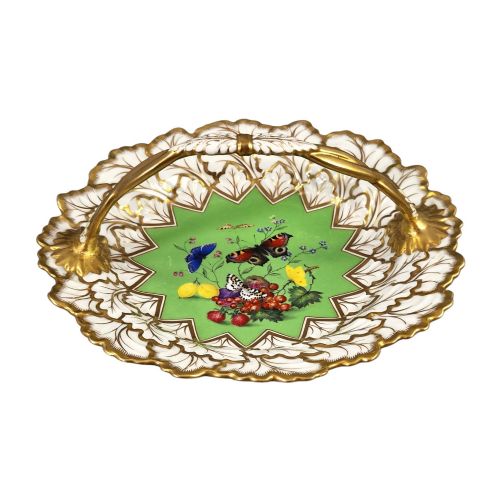
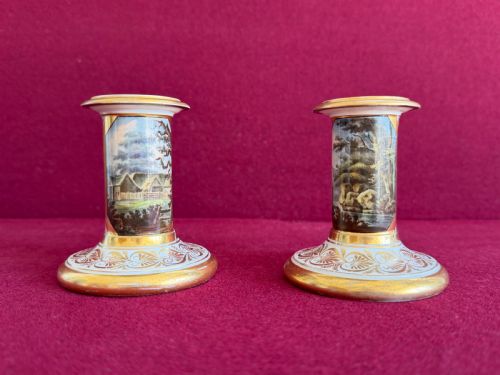
Master painters added intricate details over the glaze, utilising enamel colours to depict botanical studies, topographical views, and exotic birds. Gilders then applied gold leaf to rims, handles, and borders to frame the central painted scenes.
Listings feature porcelain forms from the Regency and Georgian periods, including teacups, vases, and armorial plates.
What Varies in Quality
Quality rests upon the skill of the handpainted decoration and the precision of the gilding applied across the porcelain body. Pieces decorated by named hands or featuring complex armorial designs stand apart from standard production wares.
The crispness of the porcelain moulding and the preservation of the enamel colours also determine the standing of an individual vessel. Well-preserved gilding without rubbing elevates the visual impact of plates, vases, and tea wares.
Grainger Lee And Co·Flight Barr And Barr·Flight And Barr·Chamberlains Worcester·Barr Flight And Barr
The Regency Worcester Porcelain Glossary
- Porcelain
- A white, vitrified ceramic material fired at high temperatures to achieve a dense and translucent body. It forms the solid foundation for all Worcester decorative and table wares.
- Gilding
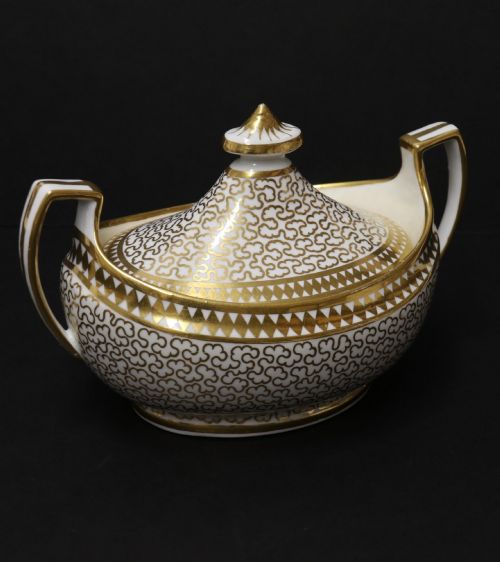
- The application of gold leaf or powdered gold to the surface of ceramics. This technique highlights rims, handles, and painted panels with metallic brilliance.
- Sucrier
- A small covered vessel designed to hold sugar for the tea table. These matching containers frequently complete tea and coffee services.
- Jardinier
- An ornamental pot or vessel used to house plants or flowers within a room. Larger examples appear as grand centrepieces on side tables.
- Coffee Can
- A straight-sided cylindrical cup used for drinking coffee during the early nineteenth century. They often accompany matching saucers in cabinet collections.
Regency Worcester Porcelain: Frequently Asked Questions
How do I identify regency worcester porcelain?
Look for period-specific factory marks on the underside, ranging from painted script to impressed impressions. The combination of fine paste porcelain, neoclassical forms, and handpainted floral or armorial decoration typically points to this era.
Compare the specific patterns, such as dragon in compartments or fancy birds, with known factory archives. Examining the quality of the gilding and the weight of the ceramic body also helps confirm the origin.
Were these pieces used daily?
Many items, including teacups, saucers, and dessert services, were created for dining and social rituals in prosperous households. Wealthy families utilised these decorative ceramics during formal meals and afternoon tea.
Larger ornamental vessels like vases and jardinieres remained purely for display in drawing rooms and parlours. Their survival in fine condition suggests many were treated as prized possessions rather than everyday utensils.
How should I care for gilded porcelain?
Wash porcelain by hand using lukewarm water and mild soap, avoiding harsh scrubbing brushes or abrasive detergents. Protect the fragile gold leaf and enamel decorations from sudden temperature shocks.
Keep pieces away from direct sunlight to preserve the vibrancy of the handpainted colours. Display them on stable surfaces where they will not be bumped or handled roughly.
What is the dragon in compartments pattern?
This decorative motif draws inspiration from Japanese Imari designs, featuring segmented panels filled with stylized dragons and floral details. Worcester factories adapted these exotic styles during the Regency period to satisfy contemporary tastes for orientalism.
Pieces bearing this pattern often combine deep cobalt blue with rich iron red and gold enamel highlights. It remains one of the most recognizable and collected designs from the era.