
Antique Urns with Lids
These antique urns with lids bring sculptural elegance and classical proportion to a room, spanning delicate porcelain and sturdy bronze.

Antique Urns with Lids
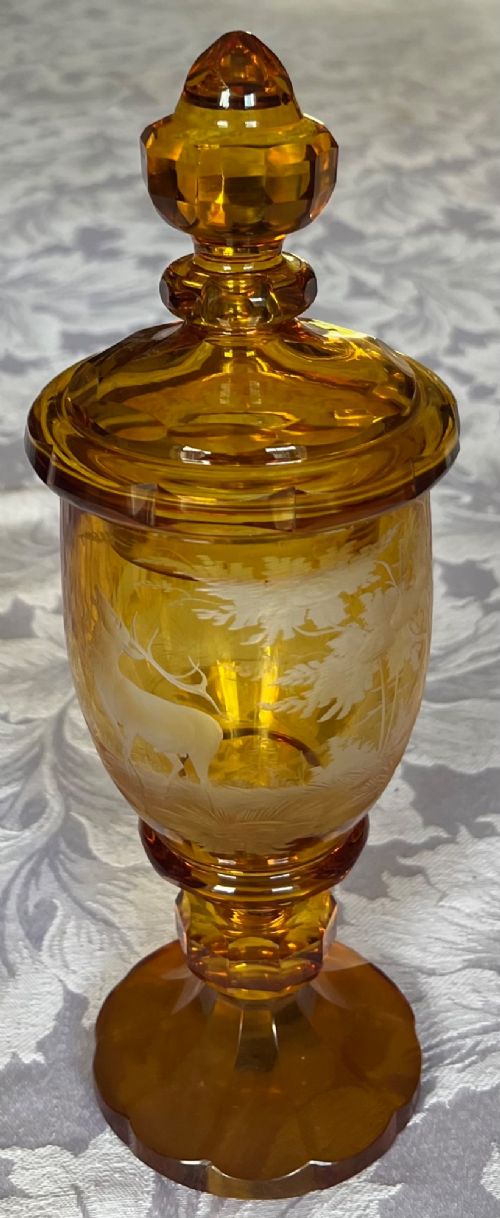
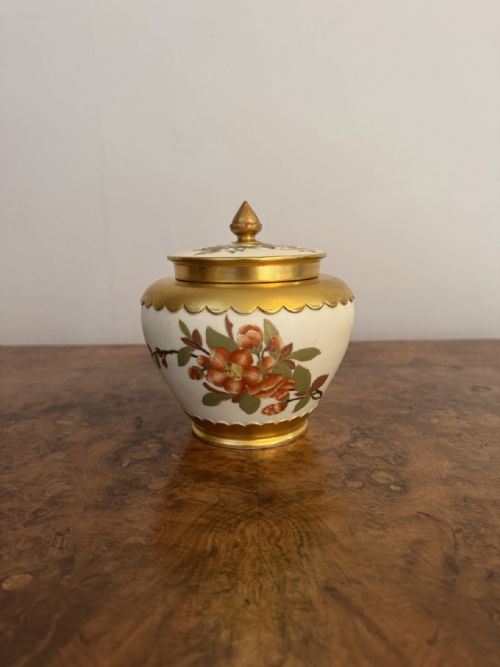
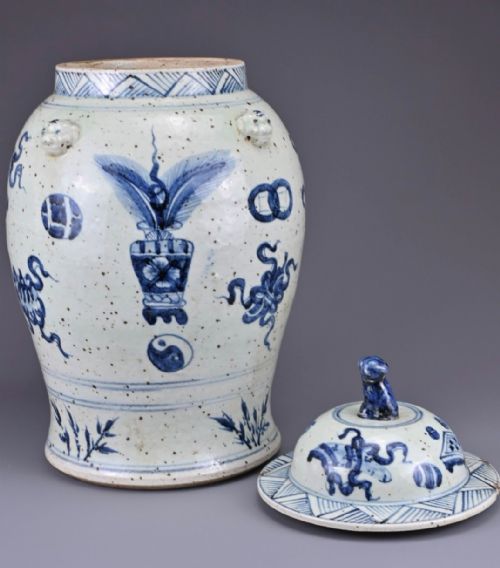
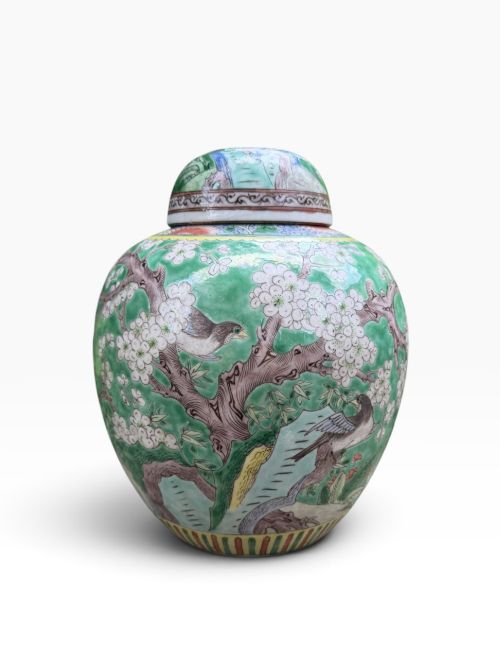
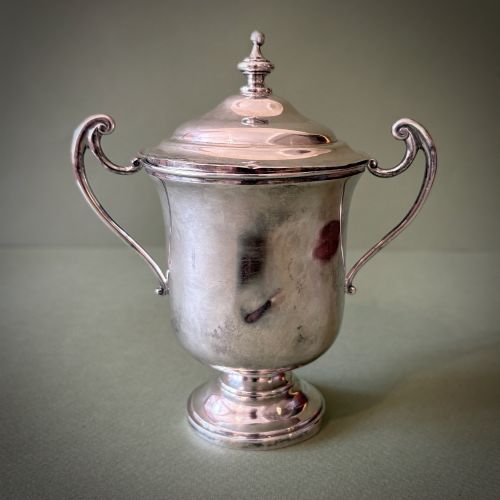
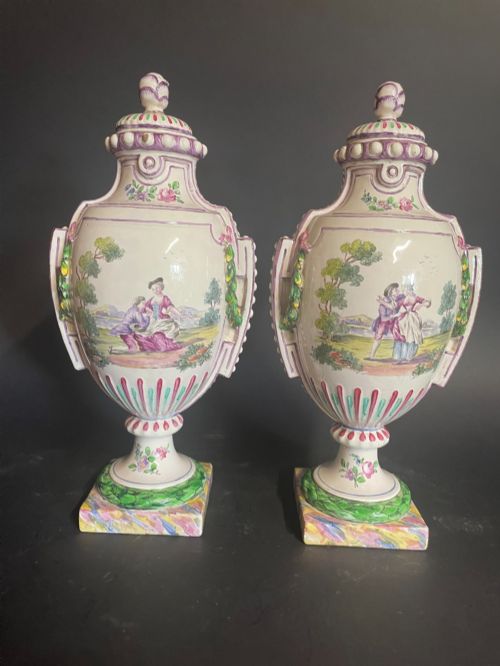
Antique urns with lids encompass a diverse group of lidded vessels, jars, and vases originating from the eighteenth, nineteenth, and early twentieth centuries. These objects range from ornamental porcelain amphorae and majolica display pieces to utilitarian metal and copper vessels, reflecting varied domestic and decorative functions.
The versions most frequently encountered on this page date from the Victorian and Edwardian periods, alongside nineteenth-century continental productions. Many pieces showcase classical revival aesthetics, incorporating handles, pedestals, and fitted covers derived from ancient forms.
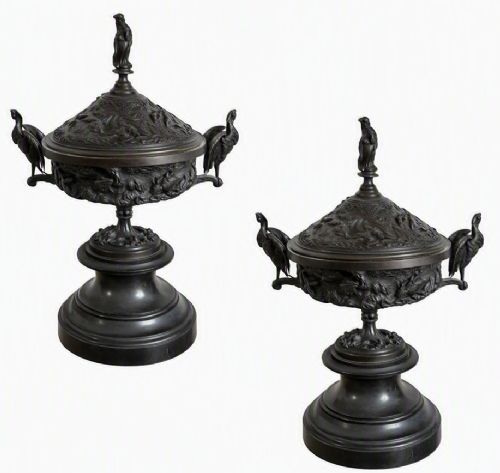
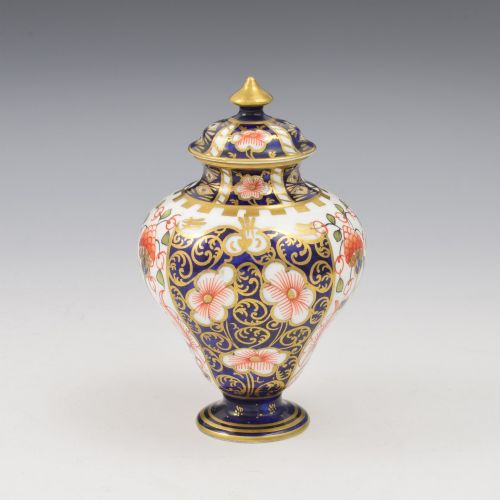
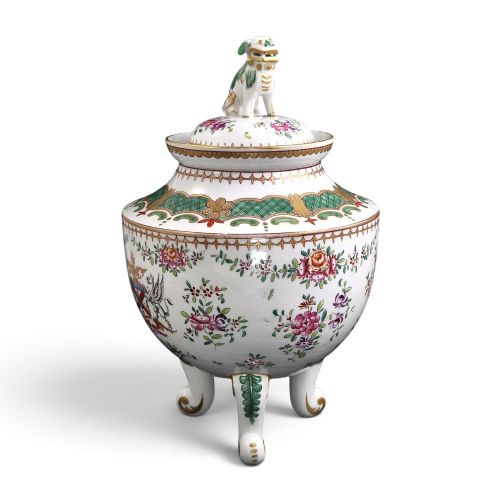
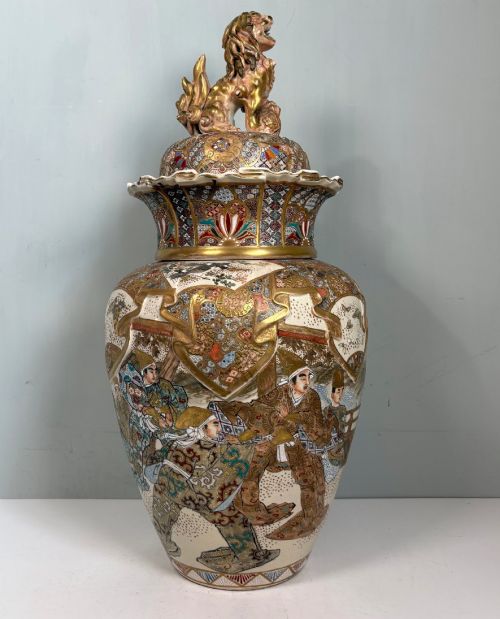
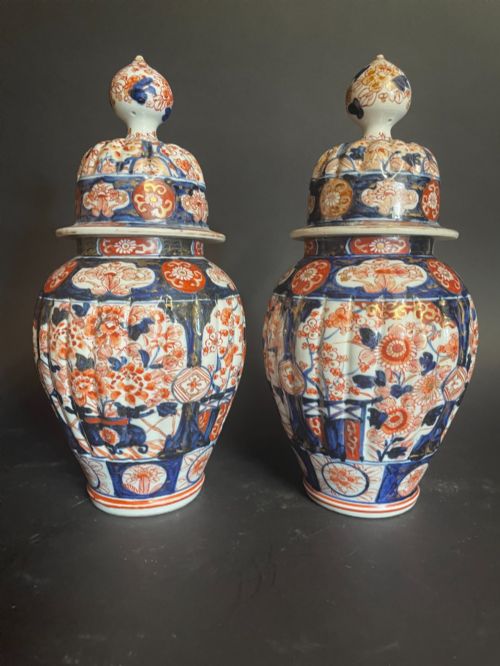
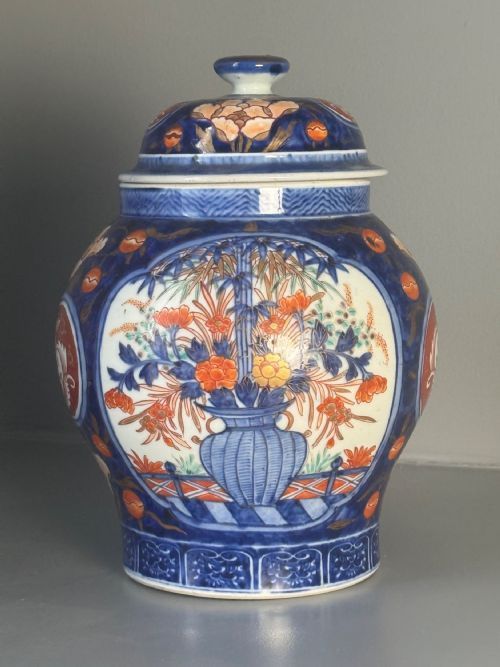
Makers and potteries represented include notable names like Royal Worcester, Vienna, and Spodes, alongside Japanese cloisonné and Imari workshops. Buyers find both pairs designed for symmetrical mantel display and individual monumental vessels intended as focal points.
How They Were Made
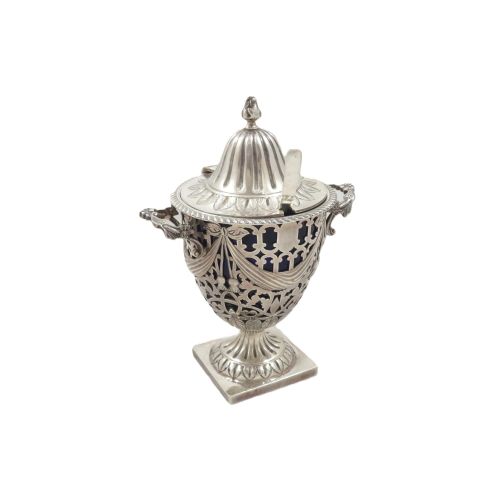
Ceramic examples rely on porcelain, earthenware, and tin-glazed methods such as delftware and majolica, shaped on the wheel or cast in moulds before receiving hand-painted or transfer-printed decoration. Gilding, enamel, and gold leaf frequently accent these ceramic surfaces, while specific pieces incorporate copper, brass, bronze, and sterling silver.
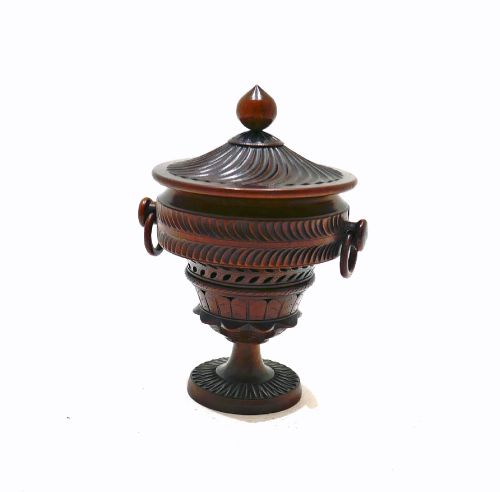
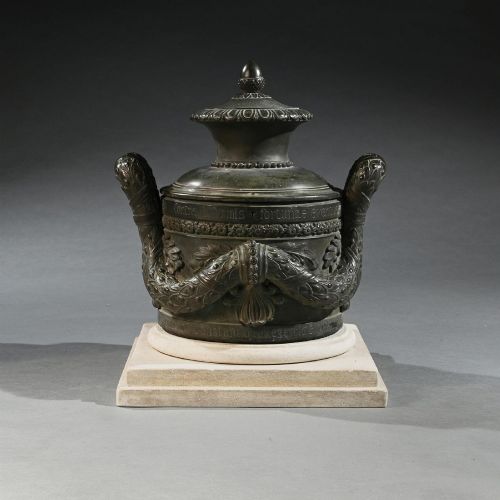
Other items utilise organic or carved materials, including fruitwood treen and alabaster, demonstrating the breadth of craft traditions across European and Asian workshops. Metal vessels often employ casting and mounting techniques, securing lids with precision fit or integrating bronze mounts onto porcelain bodies.
Listings feature porcelain, earthenware, copper, and bronze, spanning Neoclassical, Victorian, and Edwardian aesthetic movements.
What Varies in Quality
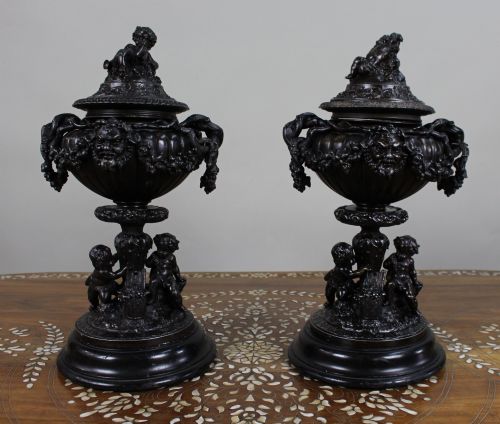
The calibre of painting and hand-finishing distinguishes standard production items from masterworks executed by named artists. Crispness of detail in moulded relief, such as Bacchic masks or putti, signals superior craftsmanship over softened secondary casts.
The survival of original lids and matching pairs heavily influences desirability, as does the integrity of delicate decorative elements like gilding and enamel work. Material weight and the sophistication of the underlying design, whether Neoclassical revival or Chinoiserie, determine the overall distinction of each piece.
Chamberlain Worcester·Royal Worcester·Royal Crown Derby·Hadley's Worcester·Flight Barr And Barr
The Antique Urns with Lids Glossary
- Amphora
- A two-handled jar with a narrow neck used in antiquity for storage or display, heavily imitated in nineteenth-century porcelain.
- Majolica
- A type of earthenware decorated with opaque tin glazes and colourful metallic oxides, popular during the nineteenth century.
- Cloisonné
- An ancient technique for decorating metalwork objects with coloured glass paste separated by strips of metal.
- Imari
- A style of Japanese export porcelain characterised by underglaze blue and overglaze red, gold, and black decoration.
- Treen
- Small handmade wooden household objects and decorative items turned on a lathe.
- Spelter
- A zinc alloy frequently cast into sculptural figures and decorative vessels, often finished with a bronzed patina.
Antique Urns with Lids: Frequently Asked Questions
What were antique urns with lids used for?
Originally, lidded vessels served varied functions from storing dry goods and spices to holding potpourri or sweetmeats. Over time, many evolved into purely decorative objects designed to ornament mantelpieces, sideboards, and architectural niches.
In grand nineteenth-century interiors, large porcelain or bronze versions acted as focal points, often displayed in symmetrical pairs. Smaller covered jars and sugar urns fulfilled more intimate domestic roles on dining tables and in drawing rooms.
How do I display an urn with a lid at home?
Pairs of urns work well symmetrically placed on mantelpieces, console tables, or flanking a mirror. Single monumental pieces command attention when positioned centrally on a sturdy pedestal or large chest.
Ensure the vessel sits on a stable, level surface away from heavy foot traffic to protect the lid and handles. Allowing adequate space around the piece lets the silhouette and surface decoration remain the visual centrepiece.
How do I tell nineteenth century pieces apart?
Nineteenth-century pieces often reveal their origins through maker marks, paste composition, and stylistic revivals such as French Rococo or Neoclassical. Examining the bottom of ceramics usually exposes factory stamps, painter initials, or impressed numbers characteristic of specific potteries.
manufacturing techniques also shift across the century, moving from hand-thrown earthenware towards more sophisticated industrial moulding and transfer-printing by the Victorian era. Comparing the weight, glaze depth, and hand-painted details helps separate mass production from premier workshop output.
Are original lids important for these vessels?
Original lids contribute significantly to the completeness and historical integrity of an antique vessel. Finding a piece that retains its matching cover ensures the intended silhouette and proportion remain undisturbed.
Replacement lids often mismatch in glaze colour, paste density, or decorative wear upon close inspection. Consequently, collectors prioritise intact pairings over married pieces where the cover was sourced later.