

Late 19th Century Urns
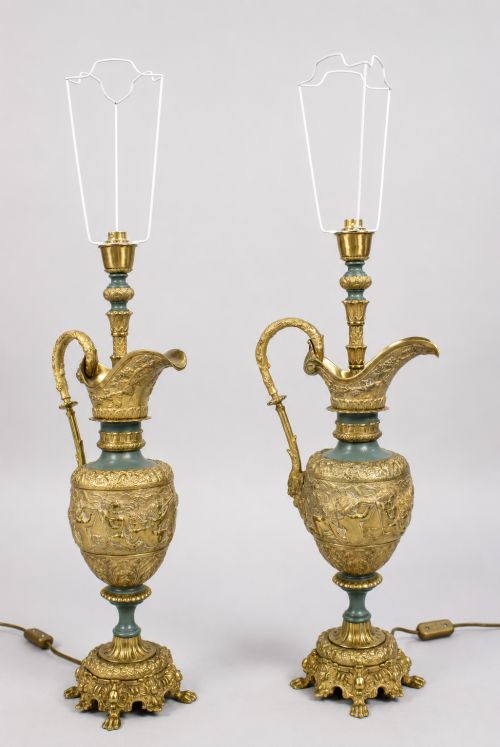
Late 19th century urns bring dramatic neoclassical presence and intricate craftsmanship into a room, serving as striking focal points.
Late 19th Century Urns
Late 19th century urns encompass a diverse array of decorative vessels, plant stands, table lamps, and architectural ornaments spanning the Victorian and Edwardian eras. These objects draw heavily upon historical revivals, including French Rococo, Neoclassical, and Japanese Meiji aesthetics, reflecting a period of eclectic global taste.
Buyers browsing this category are most likely to encounter French bronze and ormolu-mounted marble pieces, alongside Chinese porcelain and Japanese bronze works. Many of these items bridge decorative and functional uses, manifesting as vases, garniture sets, or pedestal-mounted display pieces.
Materials and Construction
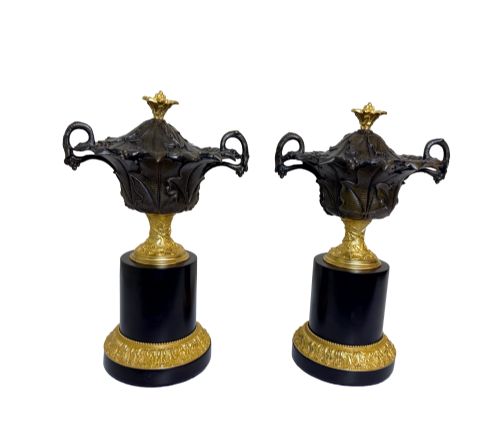
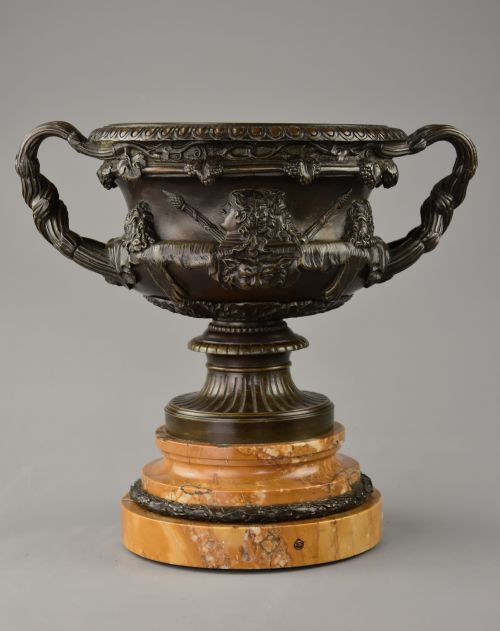
Makers of this era utilised a combination of cast metals, high-fired ceramics, and carved hardwoods to achieve their sculptural forms. Bronze, gilt bronze, spelter, and brass provide the structural weight for metal urns and mounts, frequently finished with patination or fire-gilding.
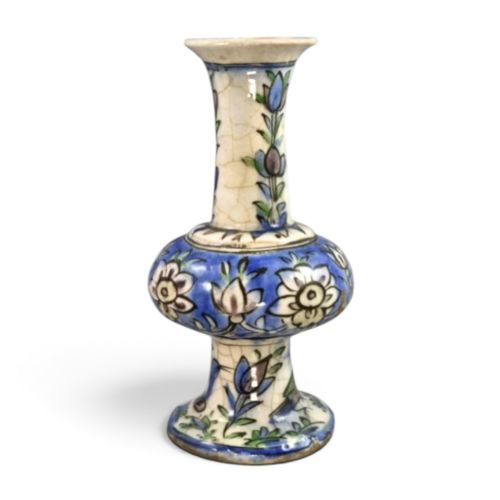
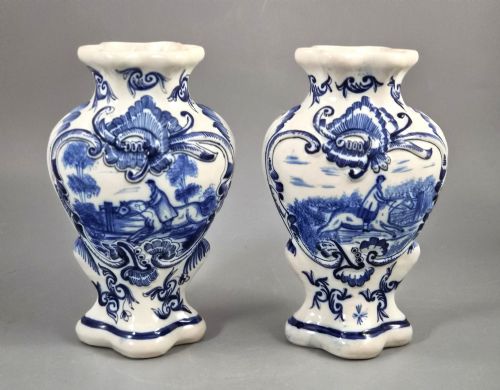
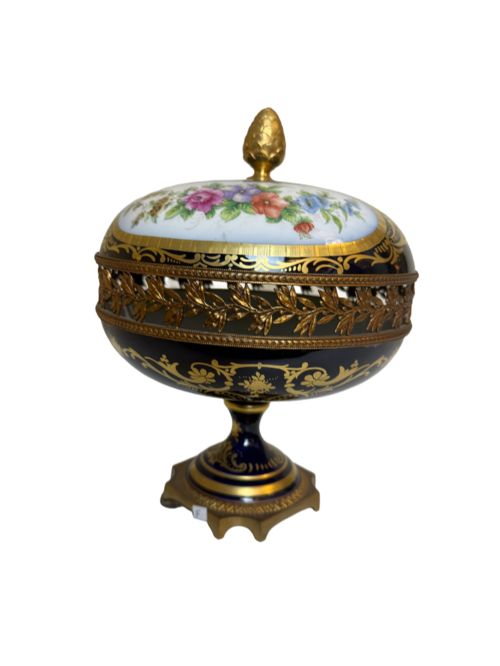
Ceramic pieces rely on porcelain, faience, and glazed earthenware, decorated with hand-painted enamel, polychrome details, and applied high-relief copper-alloy elements. Stone components such as rouge marble integrate into bases and pedestals, adding stability and classical contrast to the metallic and ceramic bodies.
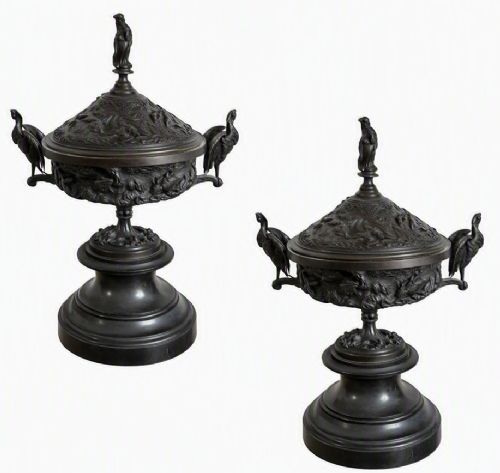
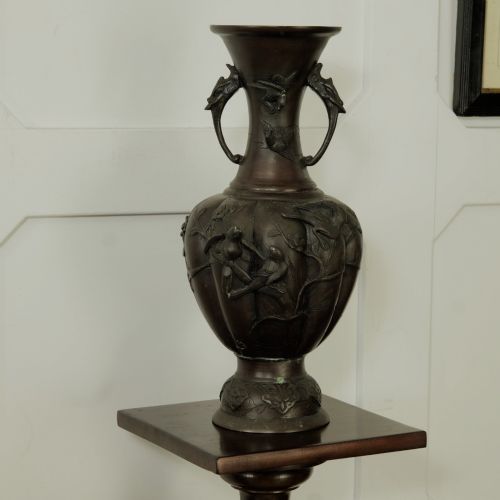
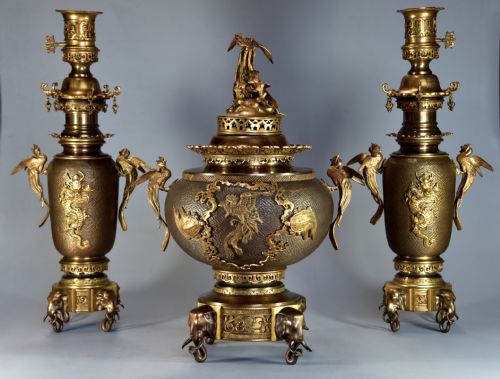
Stalk majestic storks and delicate egrets frozen in bronze, or peer into miniature Japanese Satsuma processions painted with microscopic gold detail.
Evaluating Quality and Execution
Quality in these objects rests upon the crispness of the casting and the precision of the hand-finishing. Superior metalwork displays sharp chiselling and deep, even patination or rich ormolu gilding, whereas lesser examples exhibit soft details and flat surfaces.
Ceramic and porcelain variations depend on the dexterity of the hand-painting and the clarity of the glaze. Masterpieces feature controlled brushwork and fine polychrome detail, while standard commercial wares show simpler transfers or hurried application.
Jules Moigniez·Fourmaintraux-Courquin·Samson of Paris·Christopher Dresser·Shoolbred
The Late 19th Century Urns Glossary
- Ormolu
- Finely ground high-carat gold applied to a bronze base using a mercury amalgamation technique. This finish gives French decorative items a warm, enduring lustre.
- Garniture
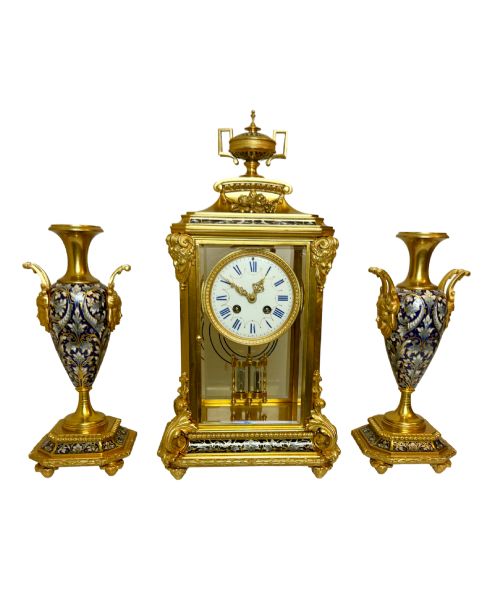
- A set of matching ornamental vases or urns designed to sit on a mantelpiece or sideboard together. These sets usually consist of a central urn flanked by two smaller matching pieces.
- Champlevé
- An enamelling technique where troughs or cells are hollowed out of a metal surface and filled with vitreous enamel powder before firing. The resulting piece shows vibrant coloured patterns divided by thin metal lines.
- Campana
- A classical vase shape resembling an inverted bell with an everted rim and a footed base. This form was widely reproduced during the nineteenth century in bronze and spelter.
- Japonisme
- The influence of Japanese art on Western makers during the late nineteenth century. This style appears in asymmetrical motifs, flora, and fauna incorporated into European bronzes and ceramics.
Late 19th Century Urns: Frequently Asked Questions
What materials were used for late 19th century urns?
These decorative vessels were produced in a wide variety of materials, predominantly cast metals such as bronze, gilt bronze, brass, and spelter. Ceramics also feature prominently, including hard-paste porcelain, faience, and glazed earthenware.
Additionally, many examples incorporate natural stone elements like rouge marble for bases, alongside carved hardwoods for stands and pedestals.
How do I identify French pieces?
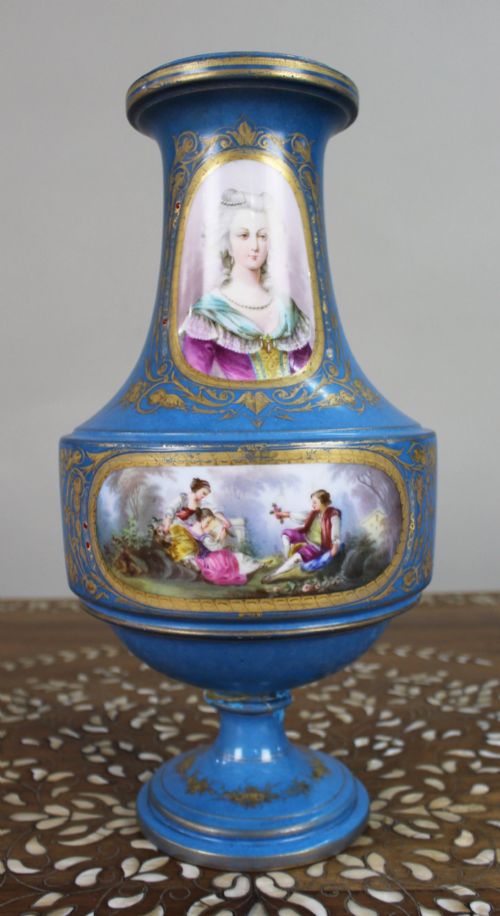
French pieces from this era often exhibit distinct neoclassical or rococo revival styling, utilising fire-gilt ormolu mounts paired with rouge marble or hand-painted Sèvres-style porcelain. Look for foundry marks, fine chasing on the metalwork, and precise casting.
Many of these objects were created as part of garniture sets for mantelpieces or as reduction casts of famous antique sculptures.
Where were Asian inspired urns made?
Asian style vessels available in this category include both authentic imports from the Qing Dynasty in China and Meiji period pieces from Japan, alongside European adaptations in the Japonisme style. Japanese works frequently feature bronze with intricate egret or flora handles.
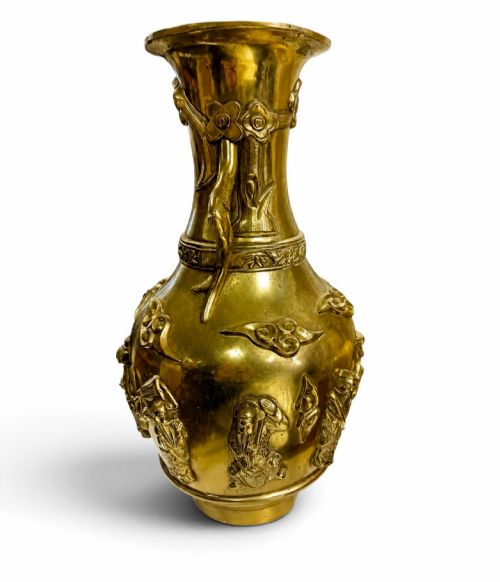
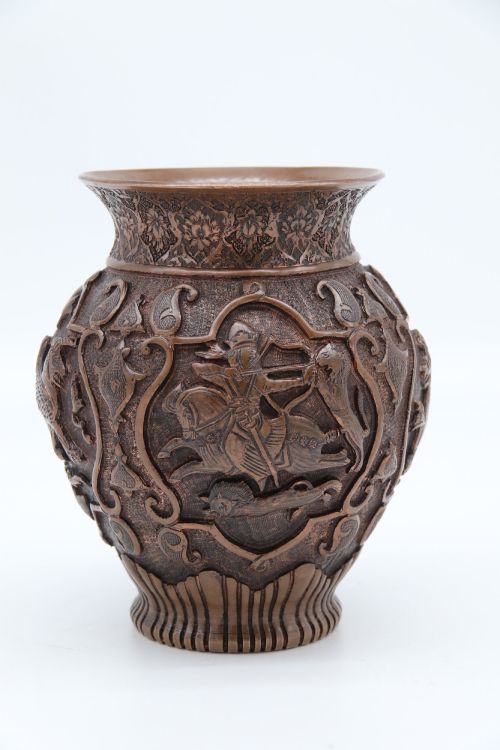
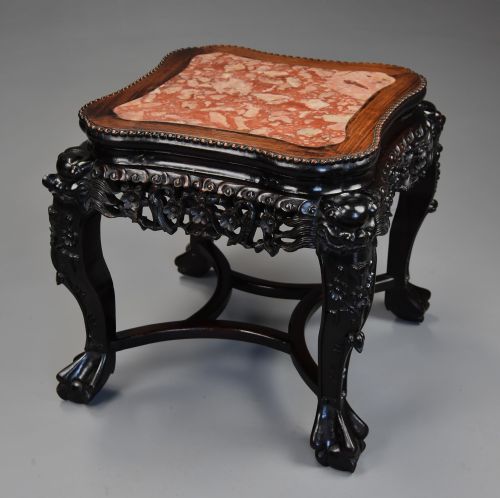
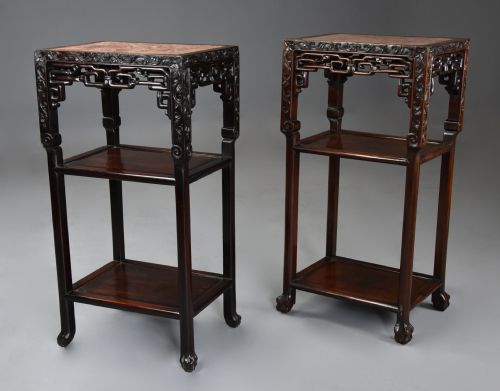
Chinese contributions include high-relief baluster vases and carved hongmu hardwood pot stands designed to elevate the display.
How should I style these in a modern interior?
These urns and vases work exceptionally well as standalone sculptural objects on side tables, mantels, or dedicated hardwood stands. Pairing metal garniture sets with minimalist surroundings allows the intricate patination and classical forms to stand out.
Larger plant stands and baluster vases can also function practically to anchor corners or display botanical arrangements.