






Asian Ceramic Flower Vases
These asian ceramic flower vases bring centuries of craftsmanship and intricate painted detail straight into your home.
Asian Ceramic Flower Vases
When you search for asian ceramic flower vases, you encounter a refined selection of vessels originating from Japan and China across the eighteenth, nineteenth, and early twentieth centuries. These pieces range from traditional Chinese baluster and tulip forms to Japanese Kutani, Imari, and Satsuma wares designed specifically to hold floral arrangements.
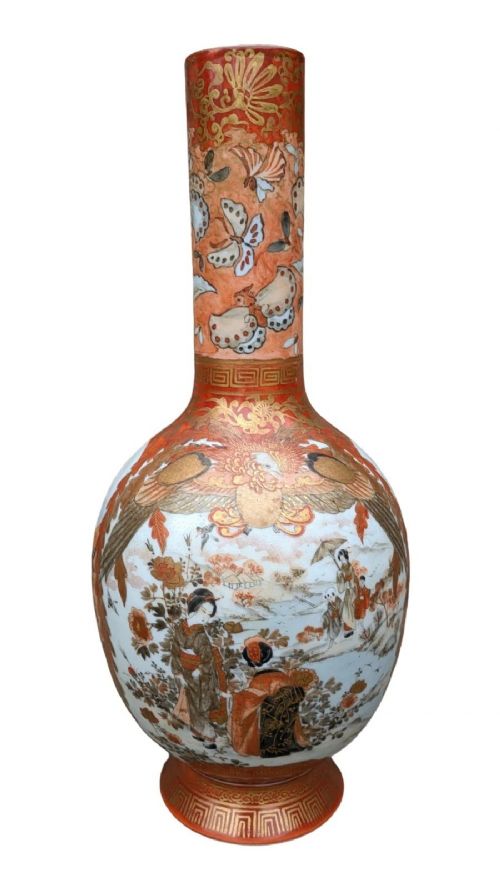
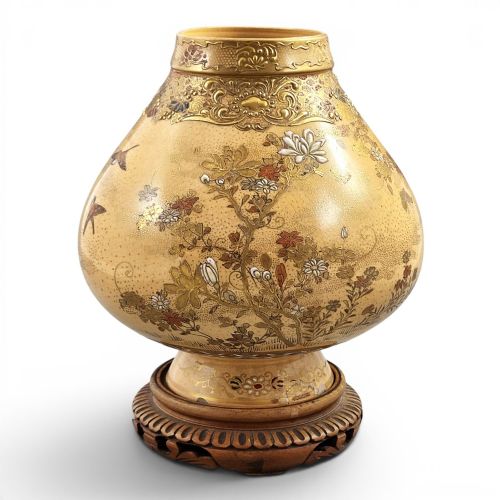
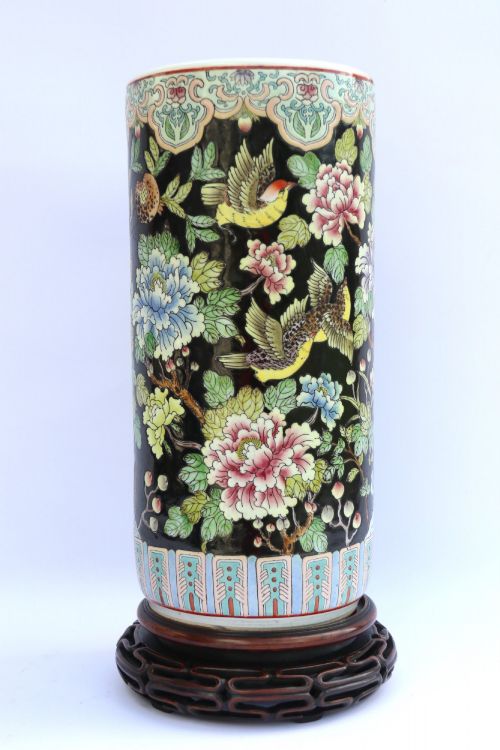
You are most likely to meet Japanese Imari blue and white vases from around nineteen hundred, alongside distinctive Satsuma and Kutani vessels from the Meiji period. Chinese porcelain vases, including famille noire examples with original hardwood stands, also appear frequently among the listings.
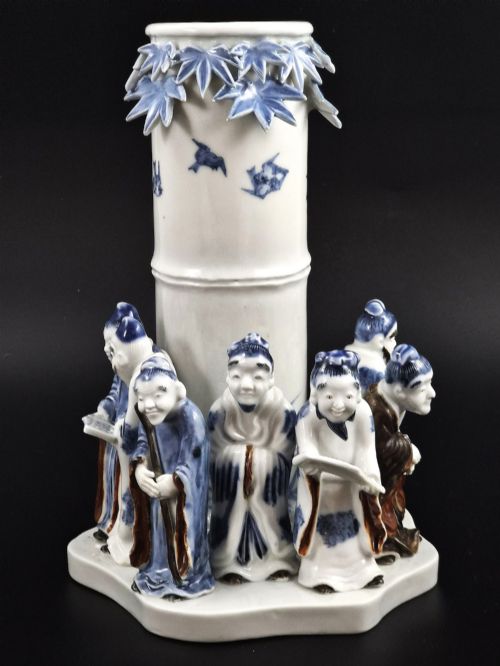
The assortment spans diverse decorative traditions, incorporating figural bamboo vases from the Edo period and substantial stoneware jardinieres. Each object reflects the distinct aesthetic priorities of its region and era, offering both utility as a flower vase and sculptural presence.
How they were made
Potters shaped these vessels from high-fired porcelain, earthenware, and stoneware, utilising precise throwing and moulding techniques to achieve balanced forms like the garlic head vase and hexagonal baluster. Artisans then applied cobalt glaze, cobalt oxide, and polychrome enamel decoration directly onto the clay body or over an initial glaze layer.
Many examples incorporate detailed hand-painted motifs finished with subtle applications of gold leaf to highlight specific patterns. Selected Chinese pieces were paired with carved original hardwood stands, demonstrating a comprehensive approach to the display of decorative ceramics.
Asian Ceramic Flower Vases Retail Price Guide 2026
Typical asking prices for asian ceramic flower vases among the pieces listed under this phrase on Sellingantiques today, from the lower quarter to the upper quarter. They describe what is for sale here now, not the wider market.
Several vases depict the Seven Sages, proving that ancient philosophers make surprisingly good companions for a fresh bunch of stems.
What varies in quality
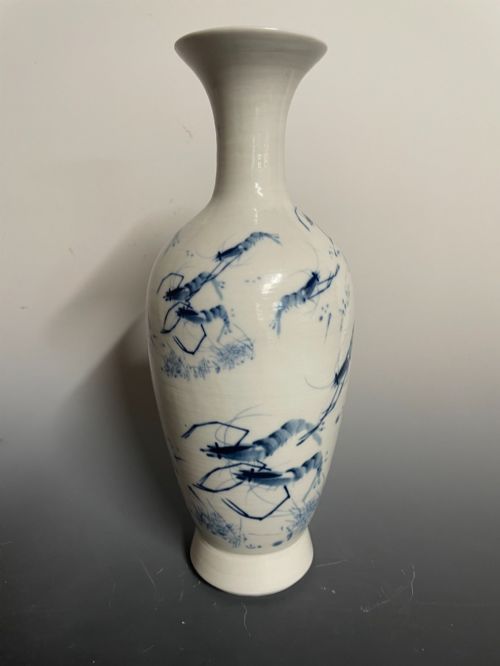
The standard of painting on these ceramic flower vases dictates much of their standing, separating briskly executed export pieces from finely detailed works produced by renowned workshops. Precision in brushwork, the clarity of cobalt blue against the white ground, and the richness of the enamel and gold leaf application reveal the hand of a skilled artisan.
Proportion and potting technique also divide the range, as seen in the symmetry of a baluster form or the careful definition of figural and floral scenes. The presence of identifiable marks from significant makers or periods adds a further dimension of distinction to the vessel.
Makuzu Kozan II
The Asian Ceramic Flower Vases Glossary
- Baluster vase
- A tall vase with a rounded body that tapers toward the base and flares slightly at the neck, resembling the shape of an architectural baluster.
- Imari
- A style of Japanese porcelain decorated in underglaze blue and overglaze red, gold, and other colours, originating from the town of Arita.
- Kutani
- Japanese coloured porcelain and stoneware identified by bold enamel palettes and intricate figurative or floral designs, often associated with the Meiji period.
- Satsuma
- A type of Japanese earthenware featuring a crackled ivory glaze decorated with elaborate polychrome enamels and gilding.
- Tulipiere
- A vessel designed specifically for displaying cut flowers, featuring multiple spouts or sockets branching from a central body.
- Jardiniere
- An ornamental ceramic pot or container used for holding and displaying live plants or large floral arrangements.
Asian Ceramic Flower Vases: Frequently Asked Questions
How do I clean an antique ceramic vase?
Dust the surface gently with a soft, dry cloth to remove everyday particles without disturbing delicate enamel or gold leaf details.
Avoid submerging older earthenware or pieces with exposed painted decoration in water, as moisture can penetrate unglazed areas or worsen existing craquelure.
Can I use these vases for fresh flowers?
Many of these vessels were originally made to hold floral displays, but the age and material of the ceramic require careful handling.
For nineteenth-century porcelain or delicate stoneware, place a small, hidden glass or plastic liner inside to protect the historic interior from standing water.
How do I identify Meiji period Satsuma ware?
Look for a distinctive pale ivory earthenware body covered in a fine, network-like crackled glaze beneath densely painted figural or floral scenes.
These pieces frequently incorporate intricate gilt detailing and often bear workshop signatures on the underside, pointing to production between eighteen sixty-eight and nineteen twelve.
What is the difference between Kutani and Imari?
Kutani ceramics typically rely on heavy, colourful enamel work and gold leaf to depict detailed scenes of figures and nature on stoneware or porcelain.
Imari ware is immediately recognised by its distinct palette of underglaze cobalt blue combined with iron red and gold, usually applied to bright white porcelain.