





Asian Ceramic Art
Asian ceramic art encompasses centuries of porcelain, earthenware and stoneware vessels and figures defined by meticulous painting, glazing and moulding.
Asian Ceramic Art
Asian ceramic art spans centuries of production across China and Japan, taking the form of vases, bowls, chargers, dishes and figurative okimono. When exploring Asian ceramic art, one encounters robust Imari plates, detailed Satsuma vessels and dynamic Sumida Gawa jars created during the Meiji, Taisho and earlier dynastic periods.
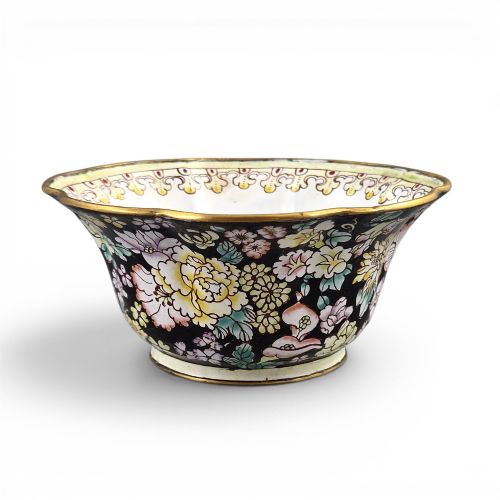
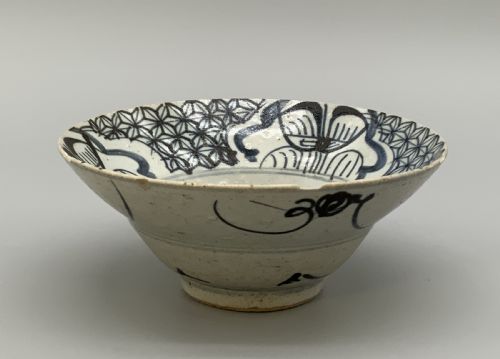
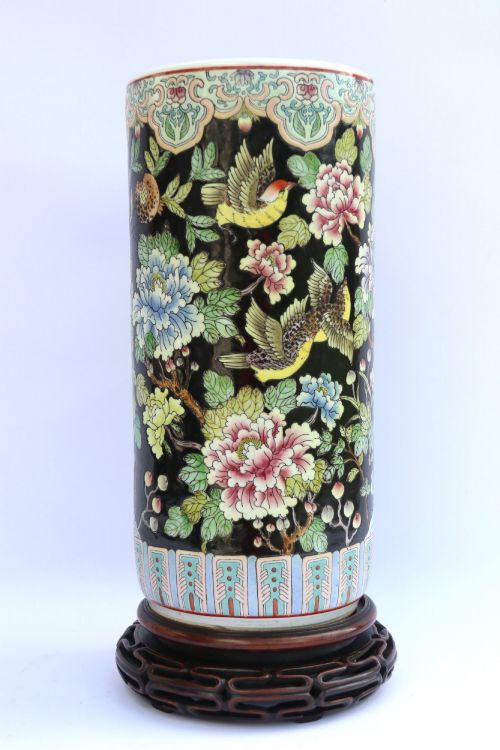
Vessels decorated with blue and white glazes, famille noire enamels and copper-red pigments sit alongside sculptural figures of deities and mythical creatures. Each object carries the specific stylistic markers of its period, from the controlled palettes of early dynasties to the expressive modelling of later Meiji workshops.
Materials and Techniques
Makers utilised refined porcelain clays, heavy stoneware bodies and earthenwares, shaping them by hand or throwing them on wheels before applying copper, gold leaf and mineral pigments. Surface enrichment relied on precise control of kiln temperatures to achieve fluid celadon, flambé and cobalt blue glazes.
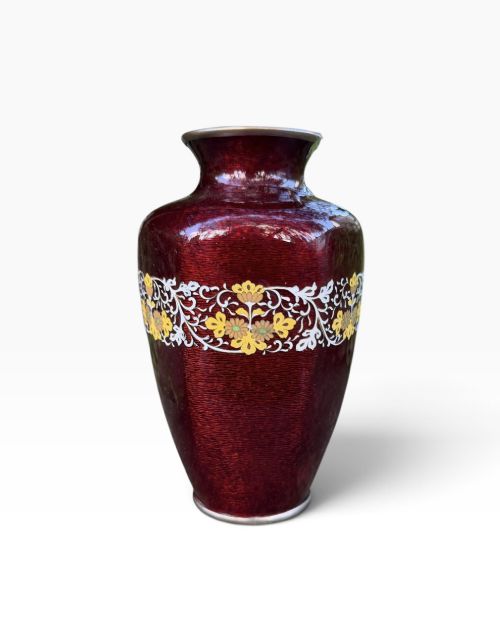
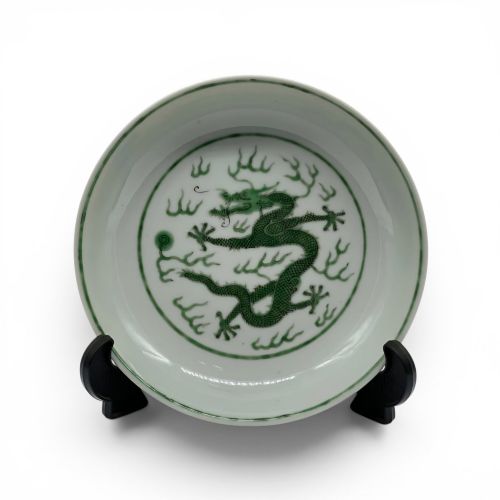
Enamelling and gilding were applied over or under the glaze, requiring multiple firings to fix delicate details such as green dragons, floral scrolls and figurative narratives. Ginbari cloisonné work involved translucent enamels laid over textured metal foils, creating depth beneath the coloured glass surface.
Asian Ceramic Art Retail Price Guide 2026
Typical asking prices for asian ceramic art among the pieces listed under this phrase on Sellingantiques today, from the lower quarter to the upper quarter. They describe what is for sale here now, not the wider market.
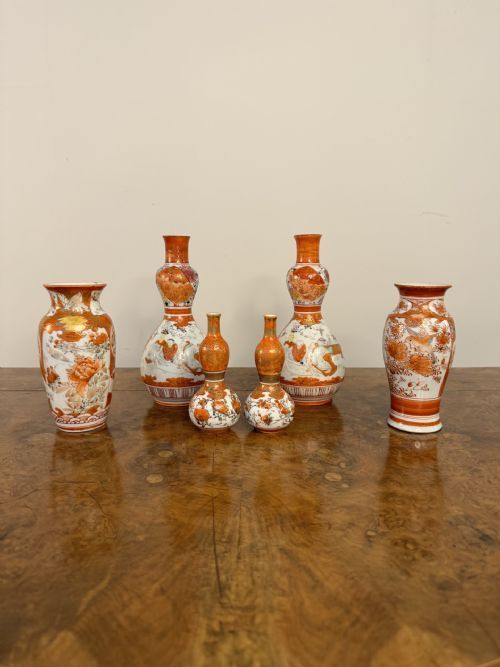
Several Satsuma and Kutani figures depict wise sages and deities engaging with mischievous animals, including turtles, dragons and temple lions.
Distinctions in Quality
Excellence in these ceramics rests on the precision of the hand-painted brushwork, the evenness of the glaze application and the clarity of the underlying clay body. Superior pieces display confident, fluid lines in figural scenes and botanical motifs rather than mechanical regularity or heavy, flat colour blocks.
Works bearing signatures from noted kilns, studios or individual makers typically exhibit finer detailing in moulded elements, richer gilding and greater control over complex firing effects. The physical weight, balance and proportional harmony of the vessel further distinguish standard domestic wares from high-status artistic output.
Inoue Ryōsai·Makuzu Kozan·Kinkozan·Hotoda·Manpei
The Asian Ceramic Art Glossary
- Okimono
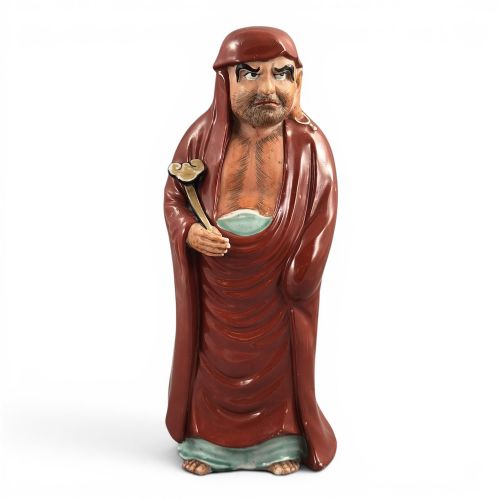
- A Japanese standalone decorative carving or figurine intended for display in an alcove or on a shelf. These figures often depict deities, historical personages or animals modelled in porcelain, earthenware or stoneware.
- Imari
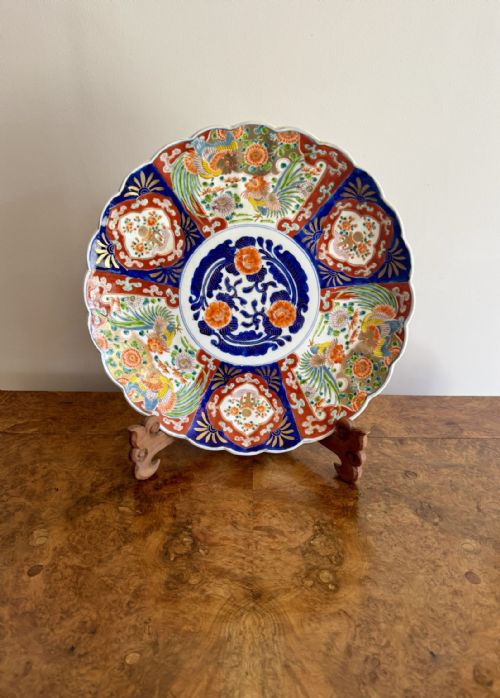
- A style of Japanese export porcelain originating from Arita, traditionally characterised by a palette of underglaze blue, iron red and gilt highlights. Designs frequently incorporate intricate brocade patterns and natural motifs.
- Satsuma
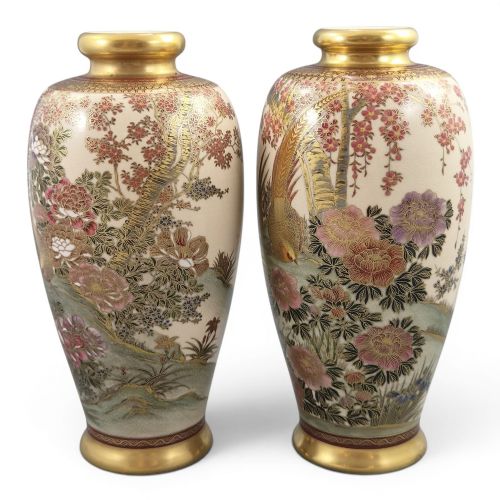
- A type of Japanese earthenware featuring a fine, ivory-coloured crackle glaze richly decorated with polychrome enamels and gold. Production centres around Satsuma province and Kyoto.
- Celadon
- A term for pottery denoting both wares glazed in jade-green and the green glaze itself, achieved through iron oxide in a reduction kiln. The thick, translucent finish mimics the appearance of jade.
- Doucai
- A Chinese porcelain technique combining underglaze blue outlines with overglaze polychrome enamels filled in within the boundaries. The method developed primarily during the Ming and Qing dynasties.
Asian Ceramic Art: Frequently Asked Questions
How were Japanese Satsuma vases traditionally used?
Satsuma vases were created primarily as ornamental display pieces for traditional Japanese interiors or for export to Western markets during the Meiji period. They occupied prominent positions in rooms to showcase the owner's taste and appreciation for intricate craftsmanship.
Unlike utilitarian kitchenware, these decorative objects were designed to be admired from a distance and close inspection alike, often featuring narratives drawn from folklore and mythology.
What defines a Sumida Gawa ceramic piece?
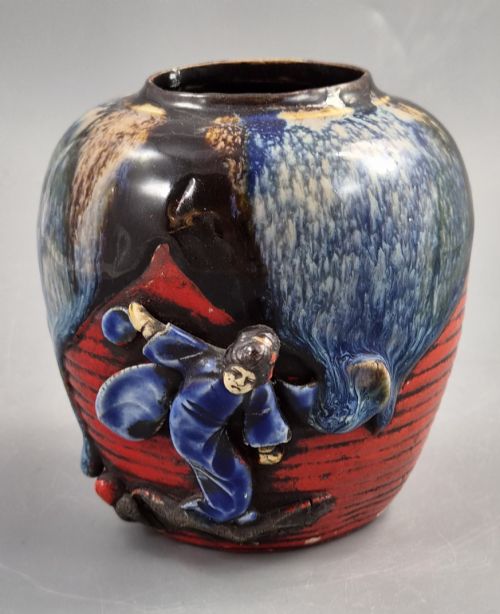
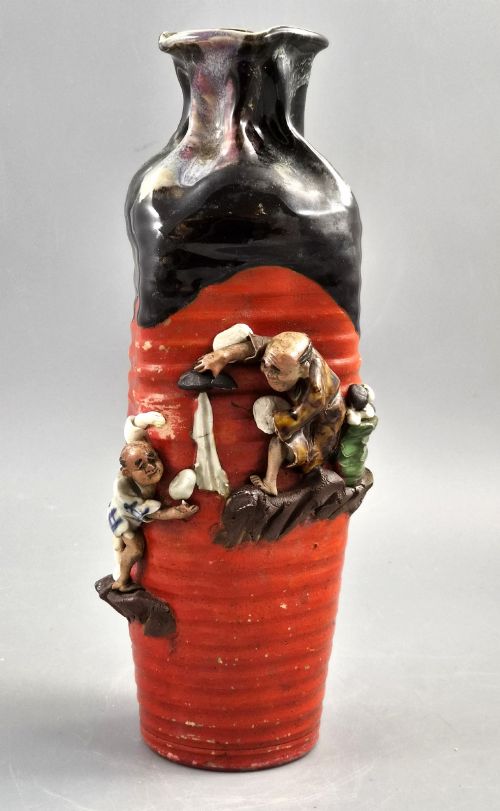
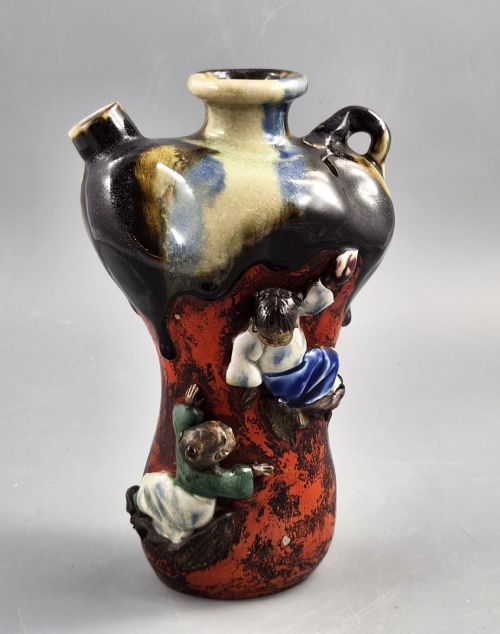
Sumida Gawa pottery is instantly recognisable by its heavy, textured glazes and applied three-dimensional figures climbing across the exterior of the vessel. The style originated near the Sumida River in Tokyo and gained popularity in the late nineteenth and early twentieth centuries.
These pieces often combine stark blue flambé glazes with highly expressive, modelled characters such as sages, monks and mythical animals emerging directly from the clay body.
How do I distinguish Meiji period ceramics?
Meiji period ceramics, produced between 1868 and 1912, often reflect an opening to international markets that encouraged highly ornate, ambitious designs. Look for dense decorative schemes involving intricate gold leaf, detailed Satsuma enamels and signature marks from specific artists and workshops.
At the same time, earlier Meiji items retain a tight adherence to traditional Japanese aesthetic principles before shifting toward grander exhibition pieces intended for Western collectors.
Where should I place these ceramics at home?
Position these ceramics on stable surfaces away from direct sunlight and high foot traffic to protect delicate overglaze enamels and gold leaf highlights. Open shelving, display cabinets or dedicated tables allow the forms and painted details to be viewed clearly from multiple angles.
Pairing vases with complementary hardwood stands helps elevate the silhouette and provides a secure base for heavier stoneware or porcelain vessels.