


Blue and Orange Ceramic Vases
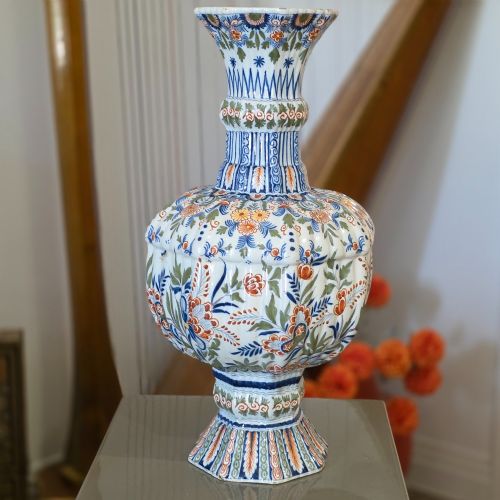
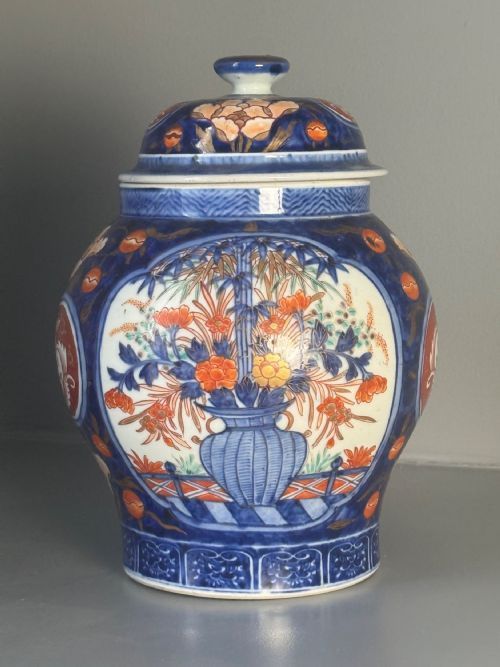
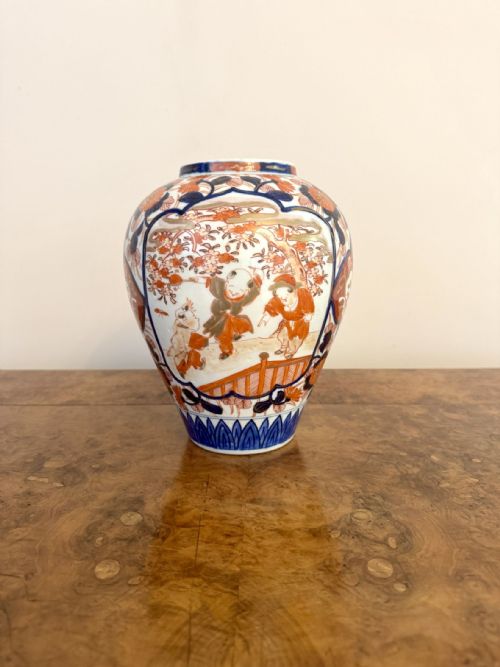
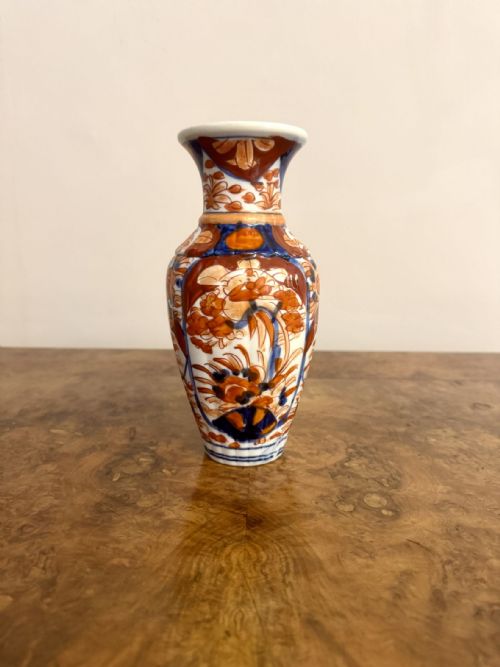
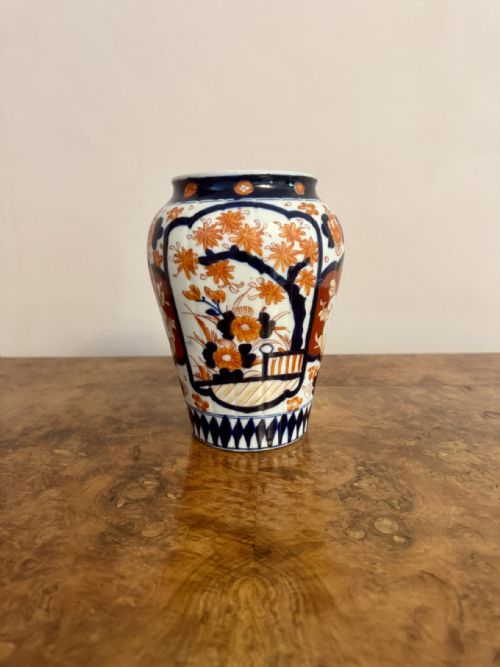
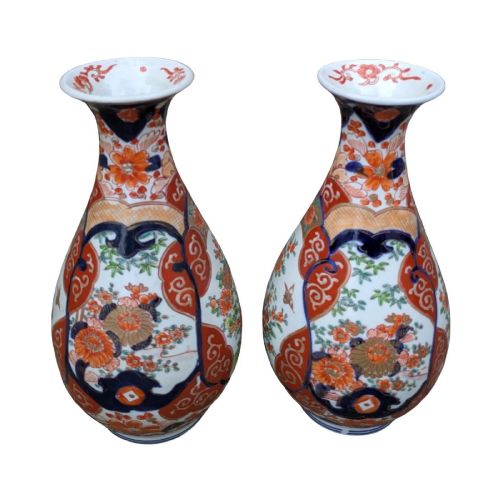
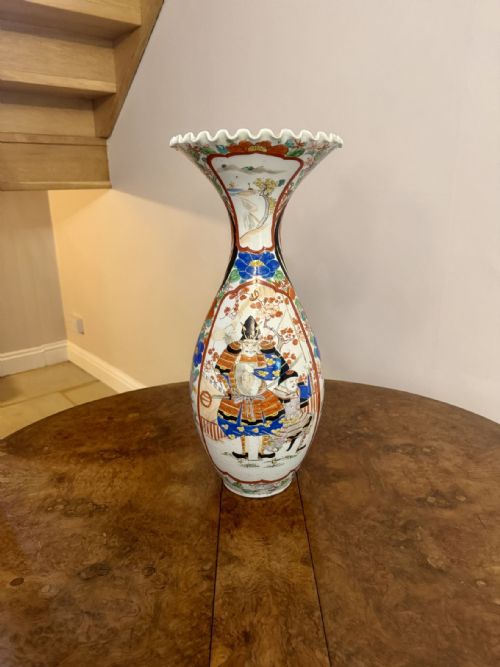
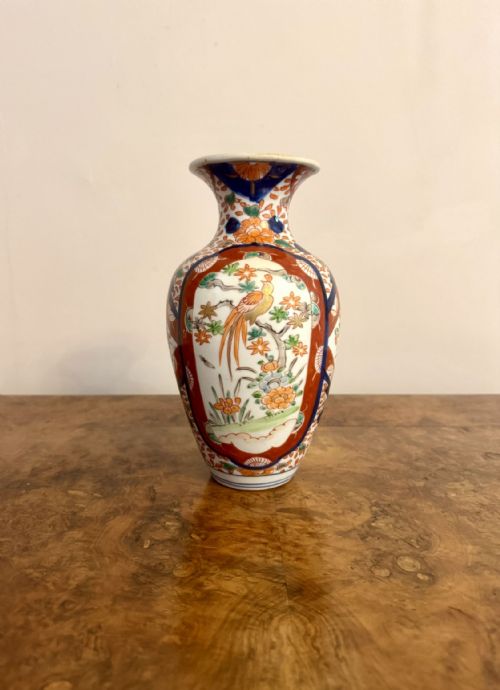
These blue and orange ceramic vases bring together centuries of global trade, Japanese Imari porcelain, and European delftware.
Blue and Orange Ceramic Vases
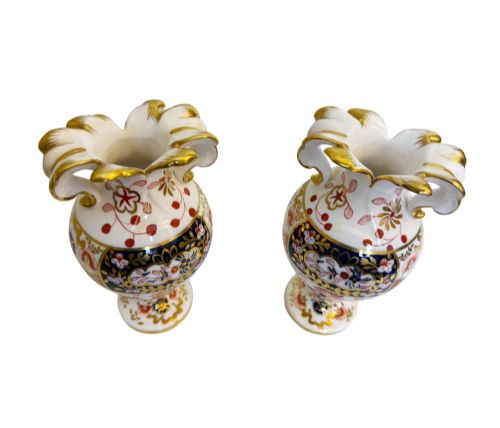
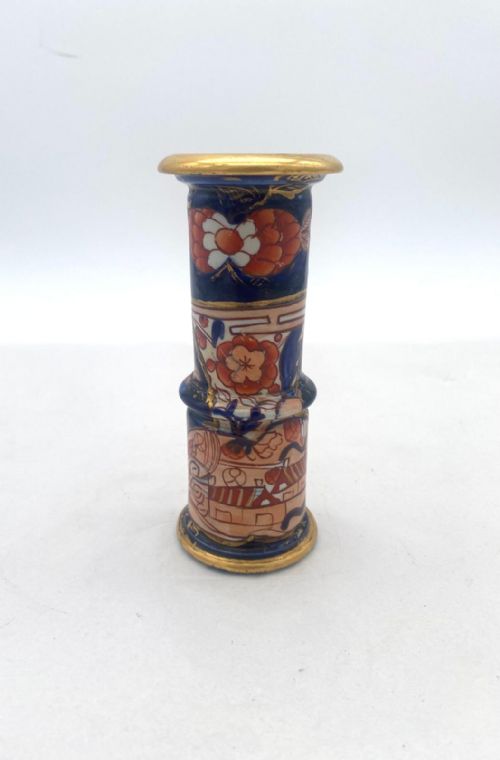
Blue and orange ceramic vases encompass diverse forms originating from Japanese and European kilns across the eighteenth, nineteenth, and early twentieth centuries. Collectors searching for blue and orange ceramic vases encounter everything from diminutive spill vases and ginger jars to towering floor-standing vessels.
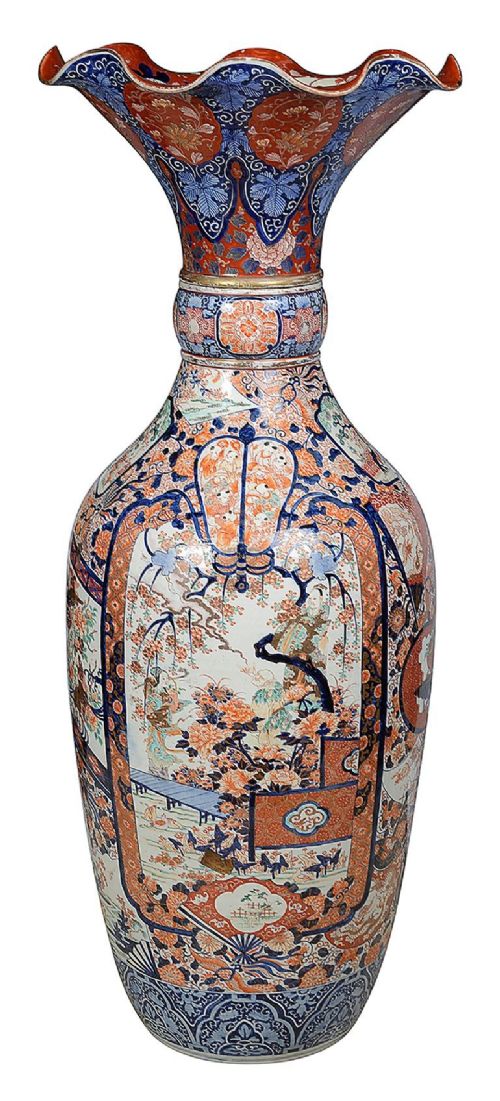
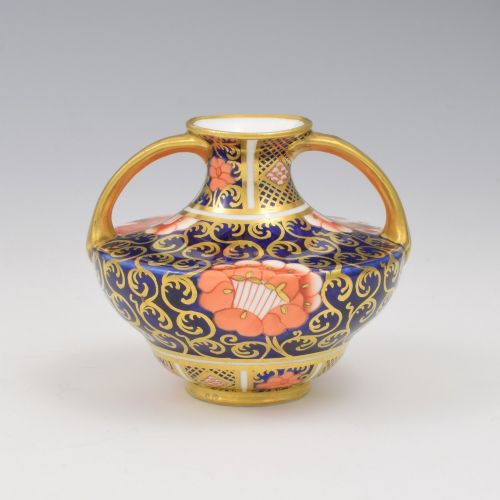
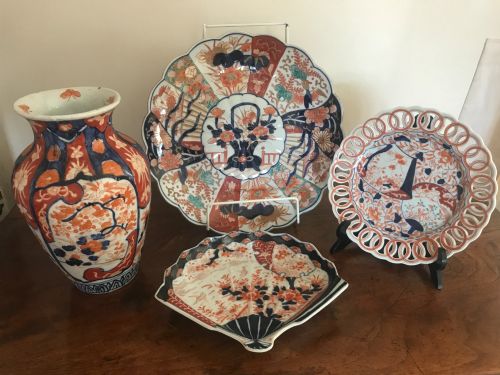
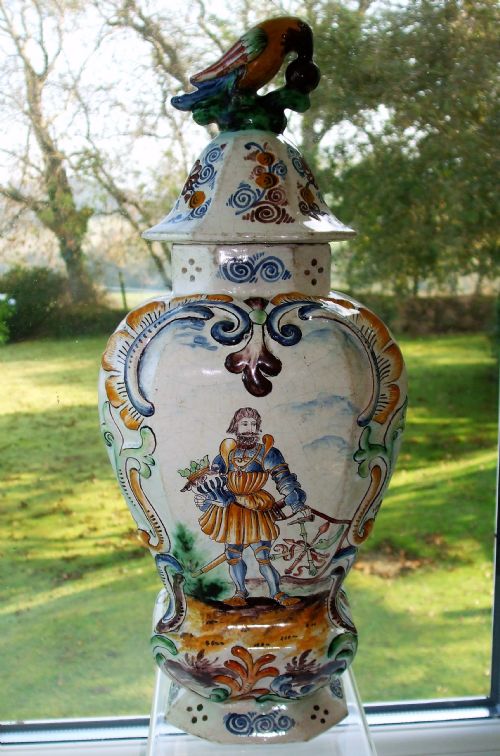
The selections span distinct cultural traditions, ranging from Japanese Meiji period Imari porcelain to Dutch Baroque delftware and English works by Spode, Royal Crown Derby, and Mason's. Japanese Imari pieces dominate the selection, featuring characteristic hand-painted cobalt blue and iron red orange detailing often accented with gilding.
Forms vary widely between utilitarian vessels and decorative display pieces, including bottle shapes, double gourd profiles, octagonal balusters, and lidded garnitures. These items reflect traditional manufacturing centres that produced durable ceramic wares for both domestic display and export markets.
How they were made
Potters shaped these vessels from fine porcelain, ironstone, and earthenware bodies before applying intricate hand-painted mineral pigments. Cobalt blue provided underglaze decoration, while vibrant orange iron-red enamels and gold leaf highlights were typically added in subsequent kiln firings.
Glaze application sealed the porous ceramic bodies and provided a glossy protective finish over the painted surfaces. Skilled artisans utilised metallic brass mounts on select pieces and applied elaborate gilding to enhance the decorative impact of the ceramic body.
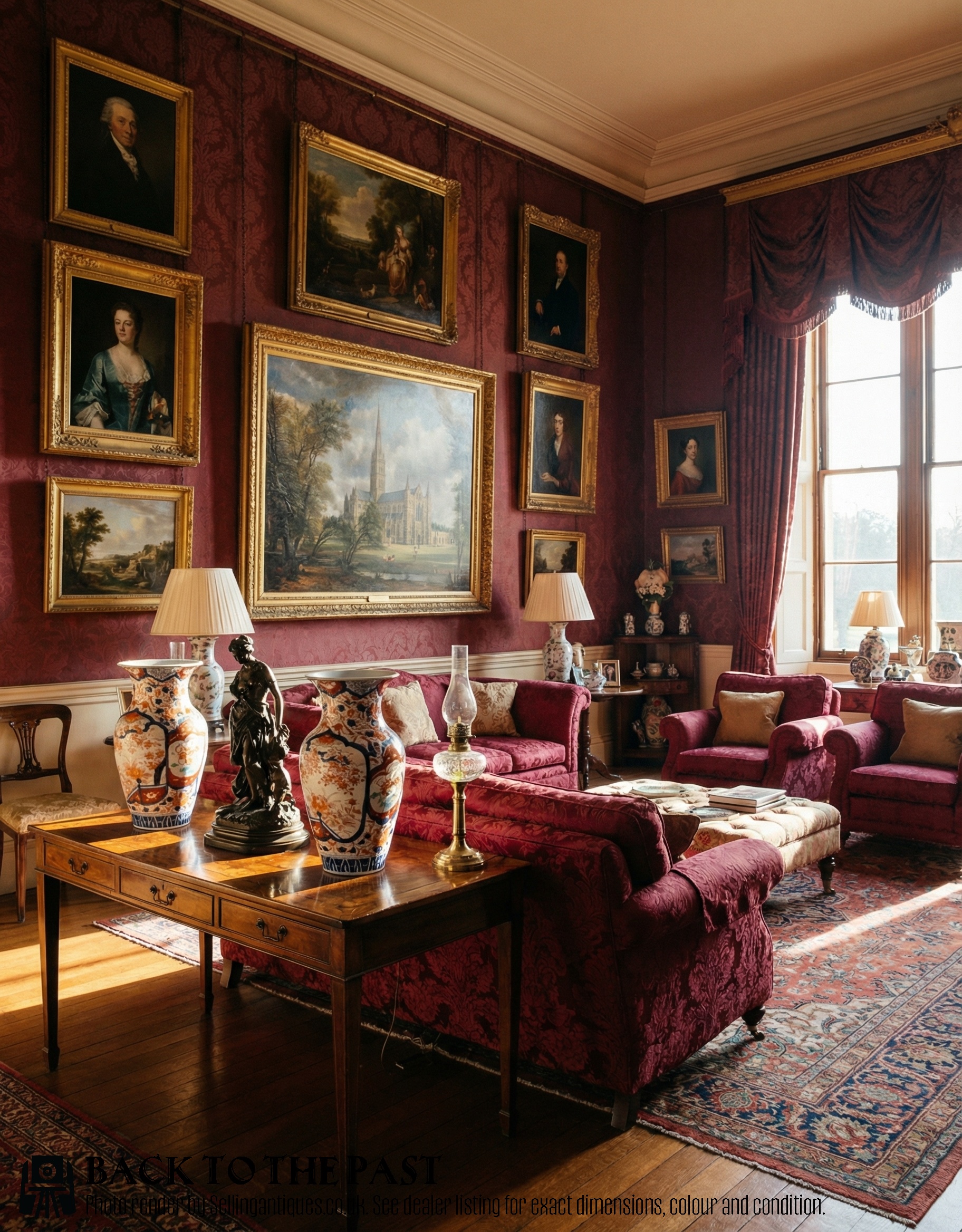
Some towering floor vases stand nearly five feet tall, demanding considerably more headroom than an ordinary mantelpiece allows.
What varies in quality
Quality rests upon the precision of the hand-painted brushwork, the vibrancy and saturation of the cobalt blue and iron-red orange pigments, and the crispness of the underlying ceramic form. Superior examples display intricate detailing without blurring, alongside well-preserved gilding and enamel work.
Scale and ambition separate standard table vessels from exceptional floor-standing vases and matched garniture sets. The presence of original covers, twin handles, and clear historical factory marks further elevates the standing of an individual piece within its period.
Spode·Royal Crown Derby·3 BELLS Drie klokken Factory
The Blue and Orange Ceramic Vases Glossary
- Imari
- A style of Japanese porcelain featuring a distinctive palette of underglaze blue and iron-red orange, frequently enriched with gold. These wares were heavily exported to Europe from the port of Imari during the Edo period.
- Delftware
- Tin-glazed earthenware produced in the Netherlands, particularly in Delft, notable for emulating Chinese blue and white porcelain alongside polychrome designs. It gained widespread popularity throughout the eighteenth and nineteenth centuries.
- Garniture
- A set of three or more matching vases and jars designed to be displayed together on a mantelpiece or cabinet top. Such sets were fashionable in wealthy households.
- Gilding
- The application of gold leaf or powdered gold paint to the ceramic surface to highlight decorative motifs. It adds a luminous quality to the orange and blue colour scheme.
- Baluster
- A vase form characterised by a bulbous lower body that tapers toward the neck, often seen in large decorative vessels. This shape provides stability for tall ceramic pieces.
Blue and Orange Ceramic Vases: Frequently Asked Questions
Where were these vases made?
These pieces originate from Japanese kilns in Arita, as well as European workshops in England and the Netherlands.
Potters in these diverse regions adapted traditional ceramic techniques to create distinct export wares.
How do I care for antique ceramics?
Clean these delicate surfaces gently using a dry, soft cloth to remove dust without disturbing fragile enamels or gilding.
Avoid using water, chemical cleaners, or abrasive materials that could permanently damage the painted glaze.
What is an Imari vase?
An Imari vase is a Japanese porcelain vessel decorated in characteristic cobalt blue and iron-red orange pigments.
These striking colour combinations were frequently enhanced with gold leaf accents during the Meiji period and earlier.
Are these vases functional or decorative?
Most of these vessels served primarily as decorative items, garnitures, or ginger jars rather than utilitarian containers for water.
Large floor-standing vases and covered urns were designed to showcase wealth and artistic taste in formal rooms.