
Painted Japanese Ceramic Vase
A painted japanese ceramic vase brings rich pigments and precise hand-painted detail into a room, drawing the eye instantly.
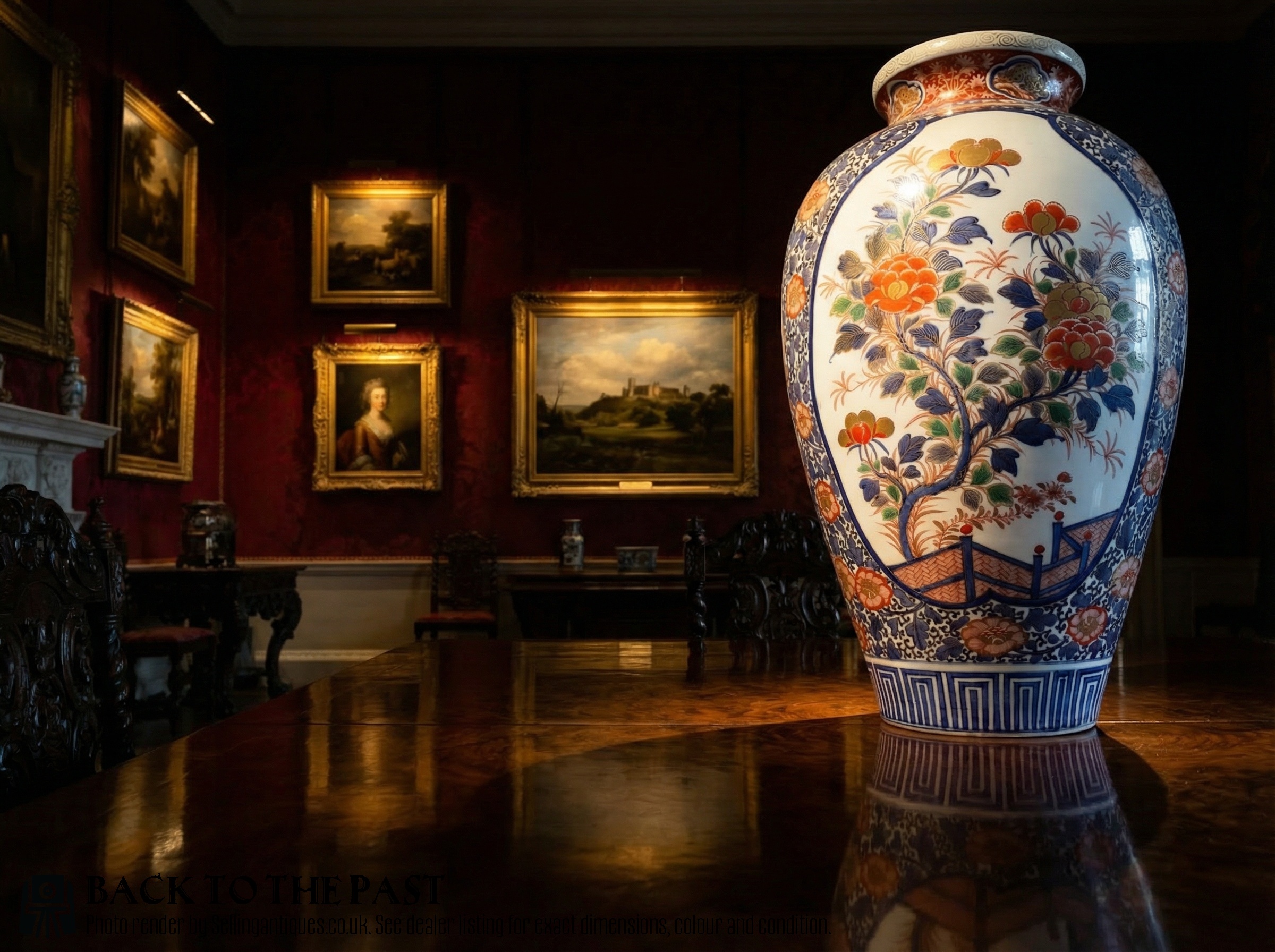
Painted Japanese Ceramic Vase
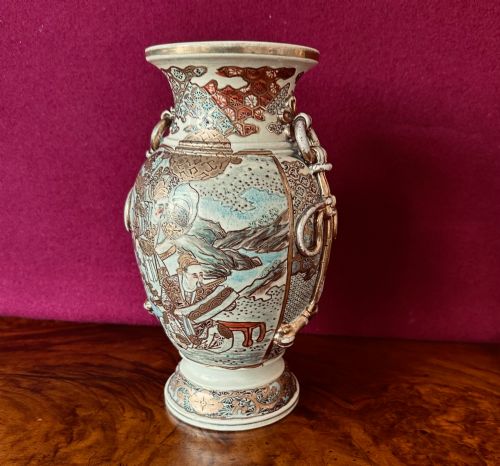
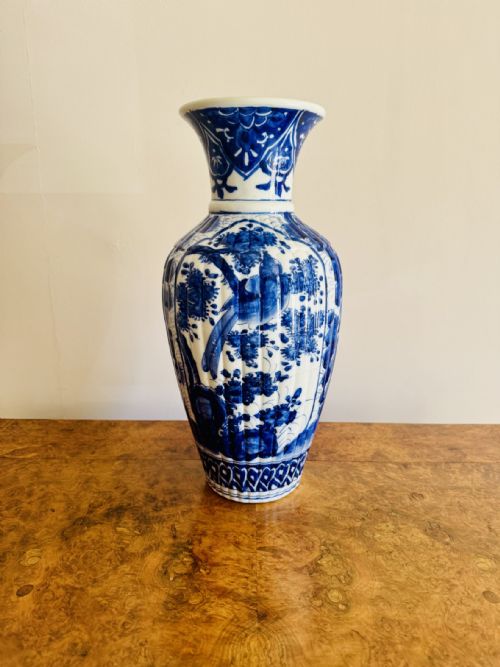
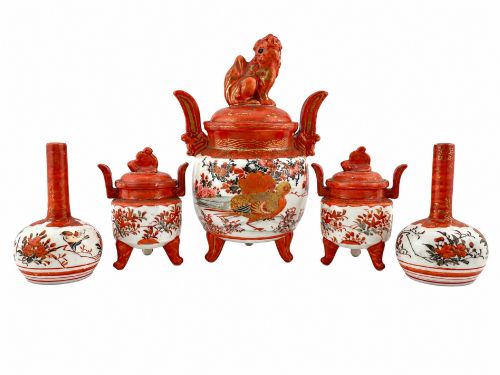
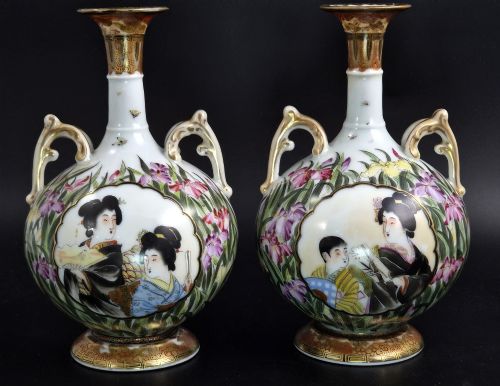
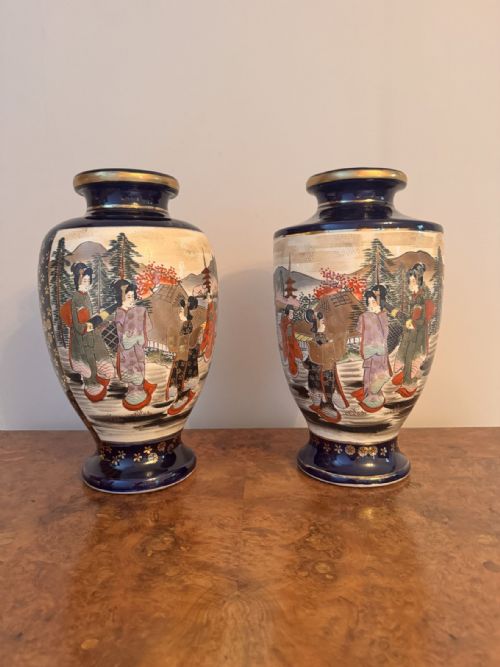
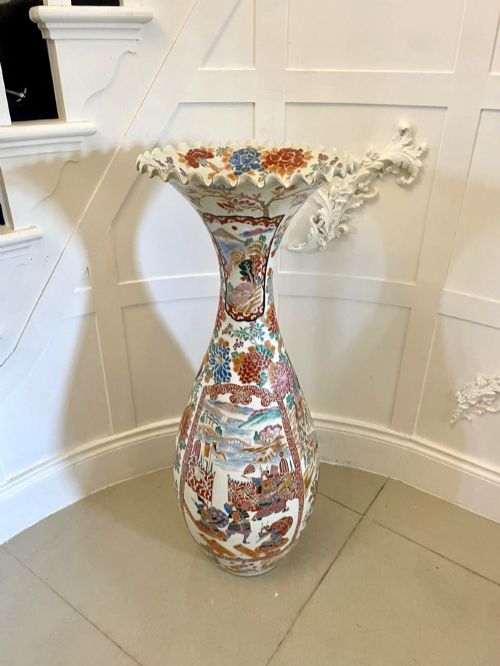
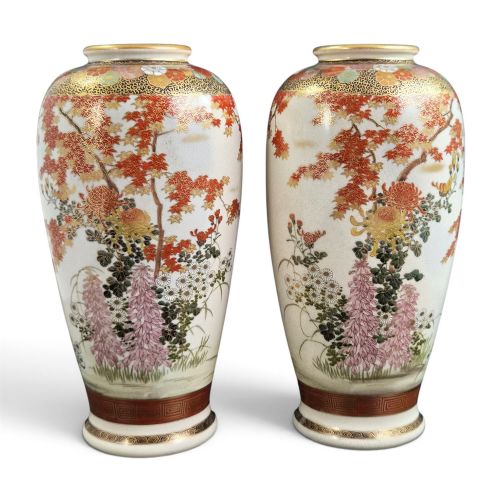
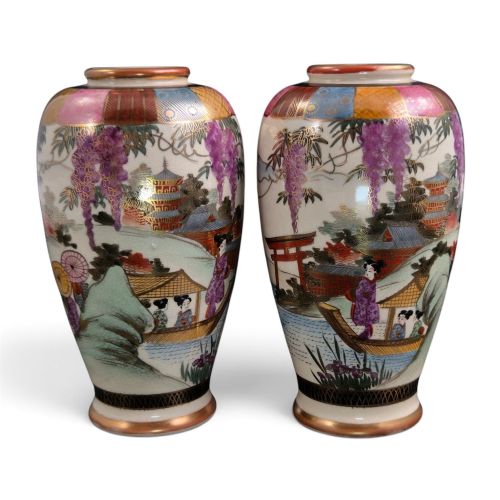
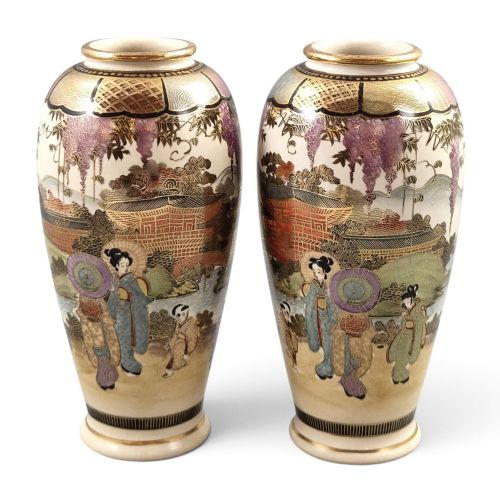
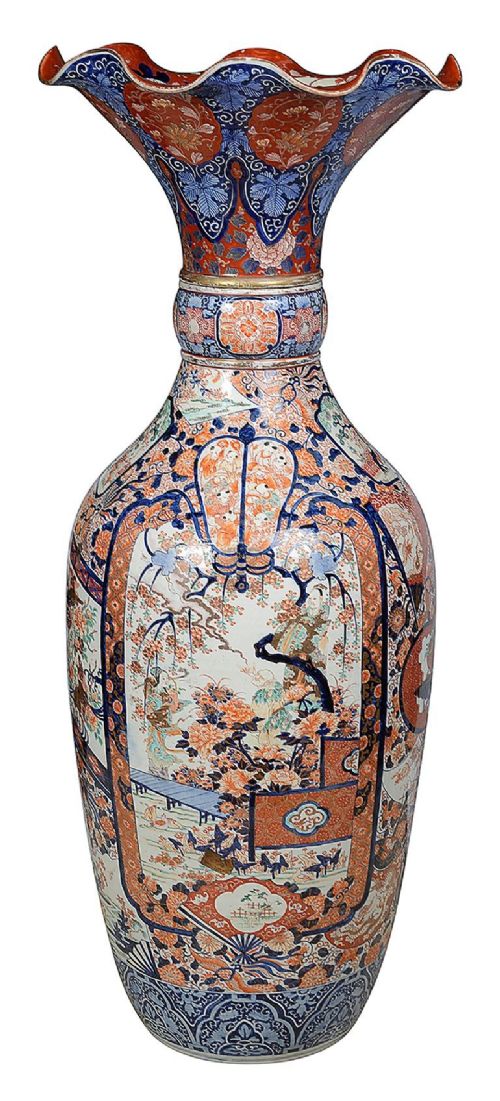
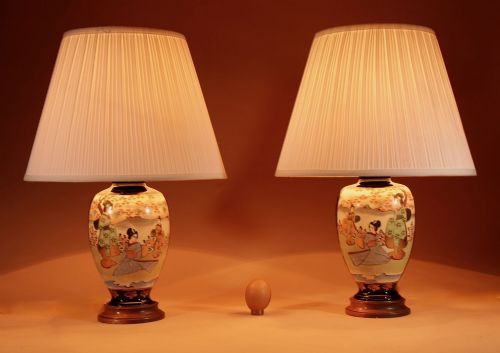
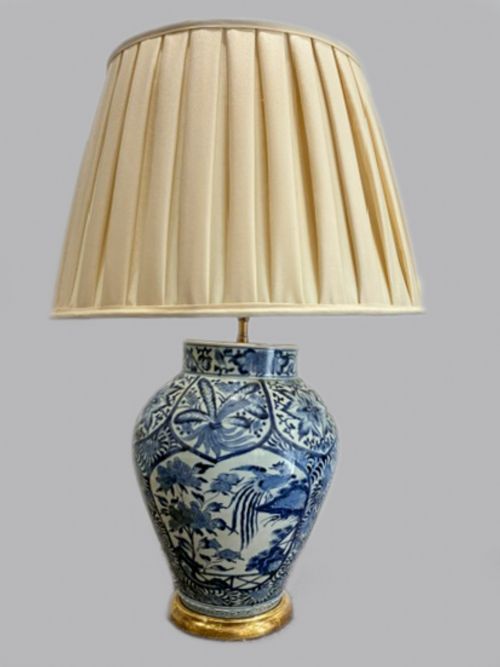
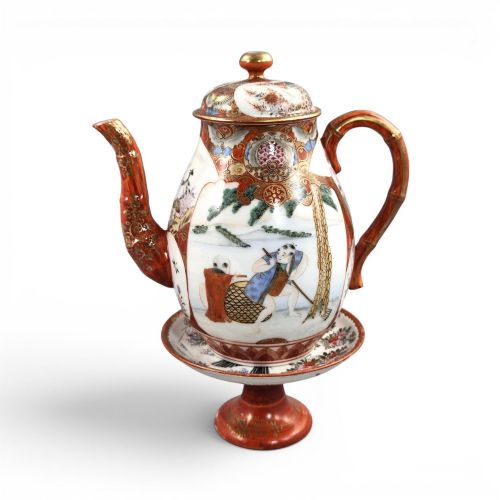
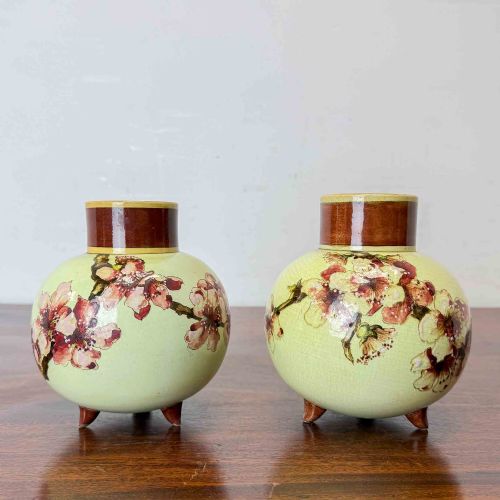
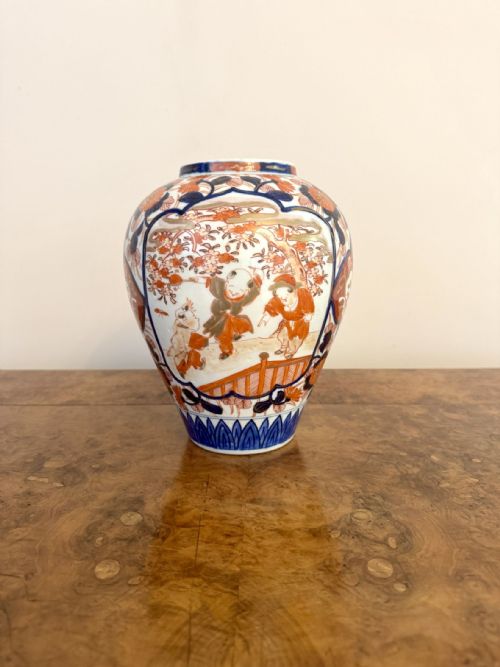
A painted japanese ceramic vase encompasses diverse forms such as floor-standing vessels, ginger jars, and table lamps originating from periods spanning the seventeenth century to the early twentieth century. Buyers encounter robust Imari patterns alongside intricate Satsuma and Kutani wares created during the Meiji and Taisho eras.
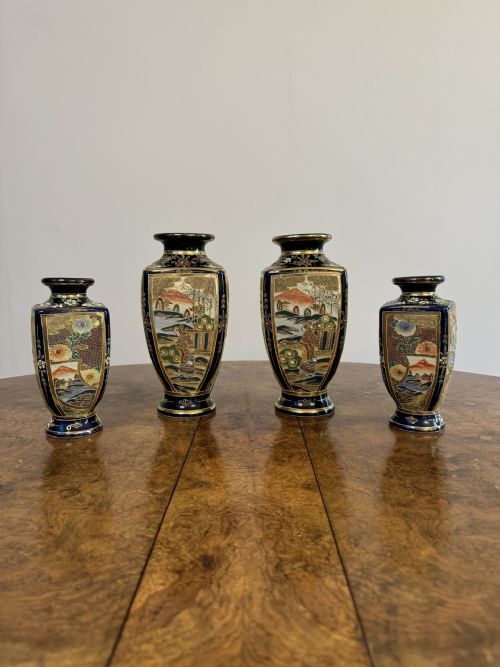
The selection ranges from small miniature vessels decorated with figural processions to monumental garnitures and double gourd shapes. Most pieces available date from the late nineteenth century, reflecting the strong export trade of that time.
Materials and construction
Potters shaped these vessels using porcelain or earthenware, often applying detailed hand-painted enamel and gold leaf accents over white glazes. Workshops utilised traditional throwing and moulding techniques to achieve shapes like slender necks and ribbed bodies.
Makers layered cobalt blue and iron red pigments alongside gilt highlights, firing the pieces to fuse the colours permanently to the ceramic body. Some items incorporate supplementary materials like wood stands or fabric elements.
Several miniature vases are small enough to sit in the palm of your hand yet contain entire village scenes painted in gold.
Judging execution and finish
Distinction across these vessels rests in the precision of the brushwork and the complexity of the painted narrative scenes. Superior examples display disciplined control over fine gold leaf work and densely populated figural compositions without crowding the surface.
The crispness of the underglaze cobalt and the harmonious balance of enamel colours separate standard commercial production from the output of noted Kyoto or Kobe workshops.
Maruni Kobe·Shozan·Manpei·Kinkōzan·Kato Sanhei·Chosei
The Painted Japanese Ceramic Vase Glossary
- Imari
- A style of Japanese porcelain featuring a distinct palette of underglaze blue, iron red, and gilt highlights. These pieces were heavily exported to Europe.
- Satsuma
- An earthenware ceramic type characterised by a fine crackle-glaze finish and ornate polychrome enamel paintings often depicting figures and landscapes.
- Kutani
- A distinct type of Japanese ceramic known for bold, colourful pictorial designs, frequently dominated by rich greens, yellows, and reds.
- Garniture
- A matching set of vases or jars designed to be displayed together on a mantelpiece or cabinet top.
- Meiji Period
- The era spanning from eighteen sixty-eight to nineteen twelve, marked by intense artistic production and increased trade with Western nations.
Painted Japanese Ceramic Vase: Frequently Asked Questions
What is the difference between Imari and Satsuma vases?
Imari pieces use a hard porcelain body decorated primarily in blue, red, and gold, offering a glossy and durable finish.
Satsuma pieces utilise an earthenware body with an absorbent, finely crackled glaze that provides a soft ground for elaborate painted scenes.
How should I display a large floor vase?
A large floor-standing vessel benefits from placement in an open hallway or corner where it can command attention without obstruction.
Ensure the floor is level and stable, and keep the piece away from heavy foot traffic to protect the painted surface.
Are converted lamps original?
Many older vessels were fitted for electricity during the twentieth century to suit modern domestic lighting needs.
While this adaptation alters the original functional state, it allows delicate ceramic forms to serve as practical table lamps.
How do I date a Meiji period piece?
Items from the Meiji era often reflect the artistic shifts between eighteen sixty-eight and nineteen twelve through signature styles and specific workshop marks.
Examining the base for painted or impressed artisan signatures helps narrow the production window.