

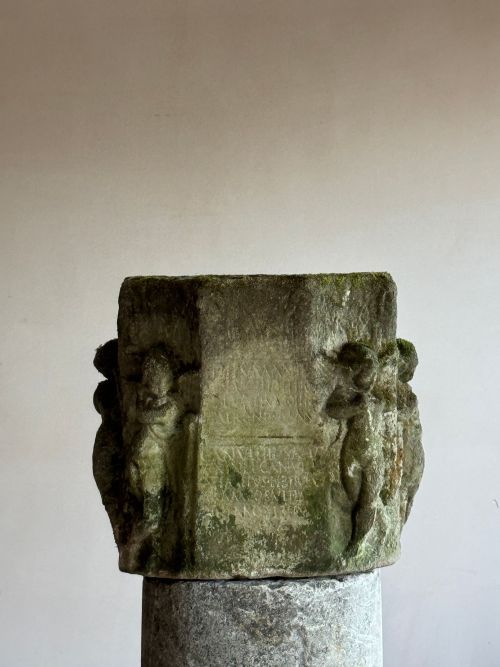


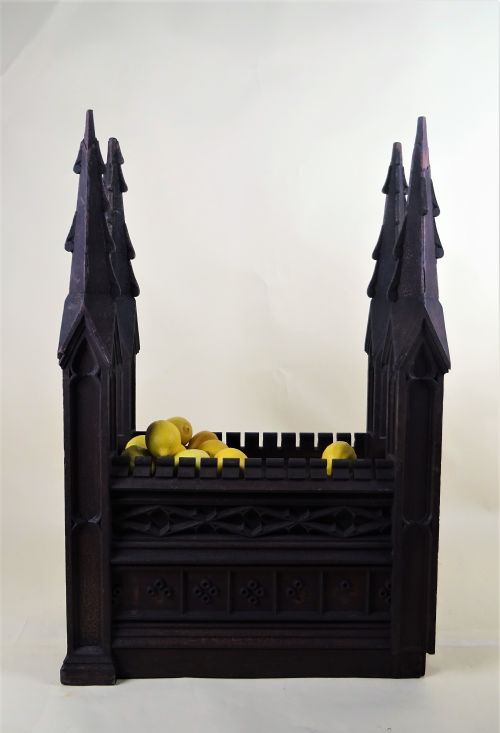


Architectural Salvage Planter
These architectural salvage planter examples turn reclaimed masonry, metalwork and earthenware into garden centrepieces with deep historical character.

Architectural Salvage Planter
When you search for an architectural salvage planter, you encounter robust functional objects repurposed from older buildings and industrial sites. The selections span periods from pre-sixteenth century masonry to Edwardian and Victorian creations.
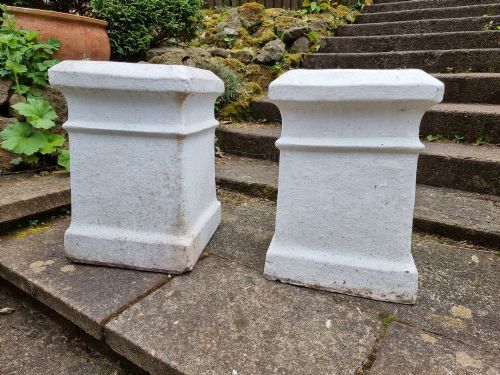
You are most likely to meet repurposed chimney pots, stone troughs, mortars and reconstituted stone elements adapted for modern horticulture. These items derive their appeal from heavy utility and weathered patination.
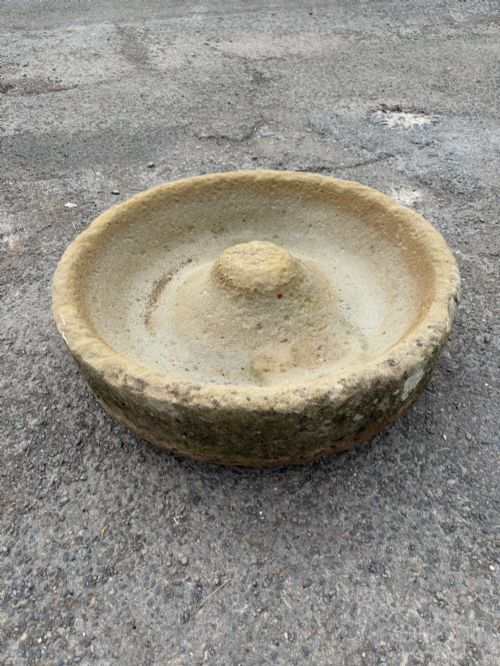
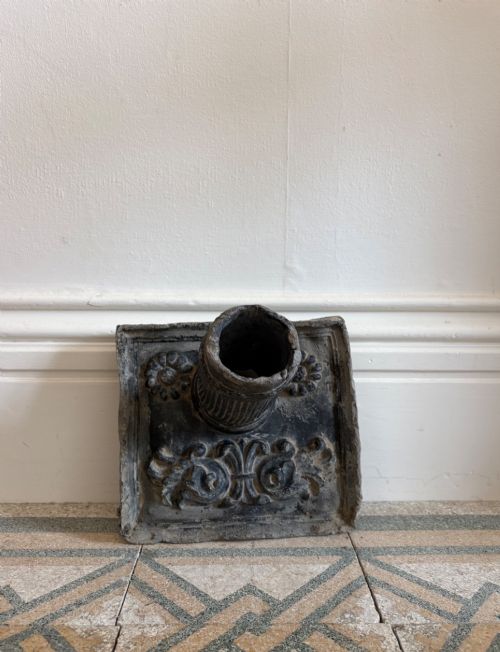
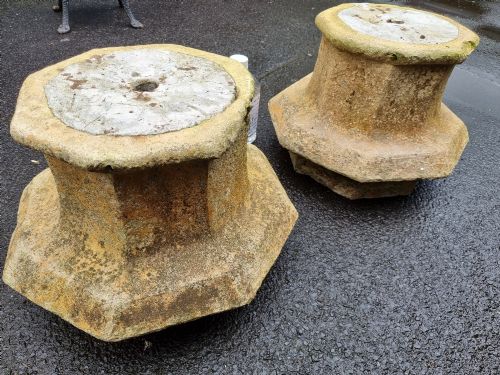
The assortment includes diverse forms such as granite grindstones, mill stone bases and lead fountain heads pressed into garden service. Each piece brings genuine architectural heritage directly into an outdoor setting.
Materials and construction methods
The construction relies on durable traditional materials designed to withstand centuries of weathering. Terracotta, natural stone, composite stone and cast stone form the bulk of the structural bodies.
Metal elements incorporate wrought iron, sheet metal and heavy lead, often showing the marks of early casting or hand-beating. Paint finishes survive fragmentarily on weathered surfaces, recording successive layers of maintenance.
A sturdy garden planter might once have extracted chimney smoke or ground corn before settling into the flowerbed.
Assessing quality and character
Quality rests in the integrity of the material and the authenticity of the weathering rather than pristine condition. Natural stone and early terracotta display tactile surfaces formed by decades of atmospheric exposure.
Proportion and massing dictate visual success in the garden, with well-balanced chimney pots and plinths offering superior presence. The provenance of repurposed elements, such as reclaimed parliamentary stone, adds a layer of historical significance.
The Architectural Salvage Planter Glossary
- Chimney pot
- A hollow ceramic or clay structure placed atop a chimney stack to improve draught, frequently repurposed as a tall garden planter. These items display various profiles from buff clay to elaborate Victorian designs.
- Composite stone
- A manufactured material combining crushed stone with a binder to replicate natural masonry. It allows for crisp moulding while maintaining heavy stone-like durability in outdoor displays.
- Grindstone
- A thick stone disc formerly rotated for sharpening tools, now utilised as a low circular garden feature or planter base. The central bore often serves as an immediate drainage hole.
- Mortar
- A heavy stone or metal bowl in which materials were crushed with a pestle, often deep enough to hold soil and small plantings. Their dense walls resist frost and heavy handling.
- Terracotta
- Fired unglazed clay possessing a porous body that gradually acquires moss and lichen over years outdoors. This material breathes moisture, which suits many root systems.
Architectural Salvage Planter: Frequently Asked Questions
How do I choose the right size planter?
Consider the scale of your garden space and the weight of the material before selecting a piece. Large stone troughs and tall chimney pots require permanent placement due to their considerable mass.
Ensure the internal planting volume matches the requirements of your chosen flora. Heavy bases like millstones provide exceptional stability in exposed windy locations.
Are these planters frost-proof?
Most natural stone, cast stone and heavy terracotta handle winter temperatures well if drainage paths remain clear. Porous earthenware can crack if water freezes inside unglazed walls during severe frosts.
Elevating pots slightly on feet prevents moisture from getting trapped underneath. Checking that drainage holes are unobstructed is essential for preservation.
Can I plant directly inside reclaimed chimney pots?
Chimney pots make striking vertical planters but often require an inner plastic pot or careful soil layering. Their deep tapered cavities benefit from a layer of gravel at the base to improve drainage.
Selecting trailing plants or compact shrubs ensures the growth complements the narrow silhouette. The internal diameter dictates which root systems will thrive.
How do I clean weathered surfaces?
Gentle brushing with water preserves the desirable patination and organic lichen growth accumulated over decades. Avoid harsh chemical cleaners or pressure washers that strip away historic paint and soft outer stone.
Allowing the natural weathering to remain honours the architectural origins of the piece. Regular gentle maintenance prevents the buildup of harmful debris.