




19th Century Iron Trough
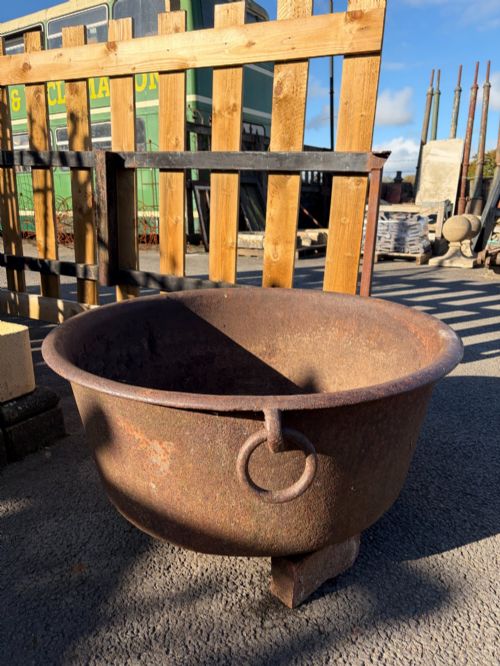
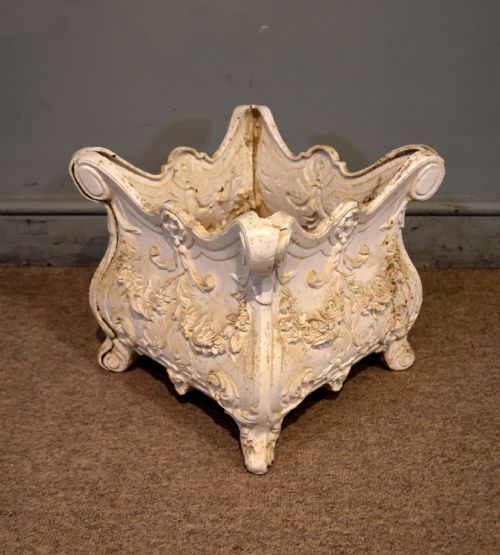
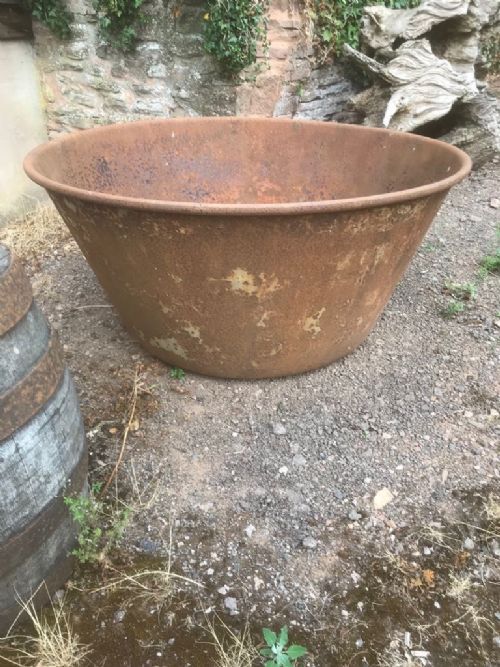
These 19th century iron trough examples are heavy garden planters and vessels built to hold earth and water.
19th Century Iron Trough
When you search for a 19th century iron trough, you encounter utilitarian and ornamental vessels intended for gardens and domestic work. The selection spans French chateau planters, English garden urns, and agricultural hay racks.
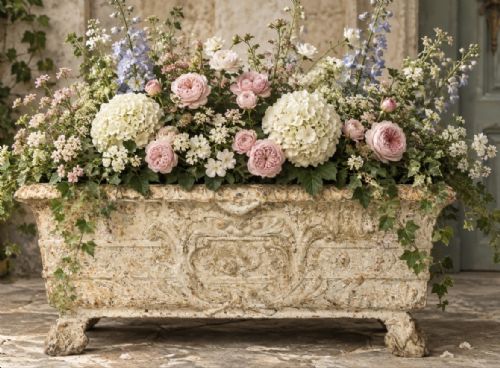
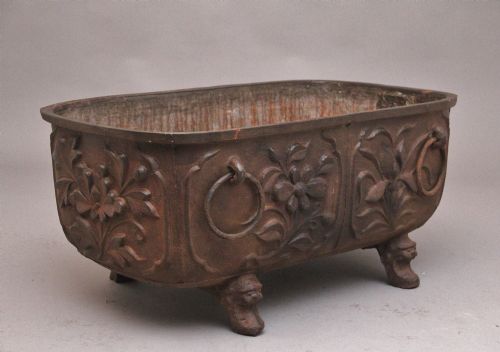
Most pieces on this page take the form of cast iron jardinieres, planters, or washing tubs. You also find wrought iron strapwork planters and copper bowls designed for similar domestic or garden duties.
Origins stretch across French, English, and Chinese workshops from the nineteenth century. Forms range from small domestic jardinieres to large garden urns and temple baths.
How they were made
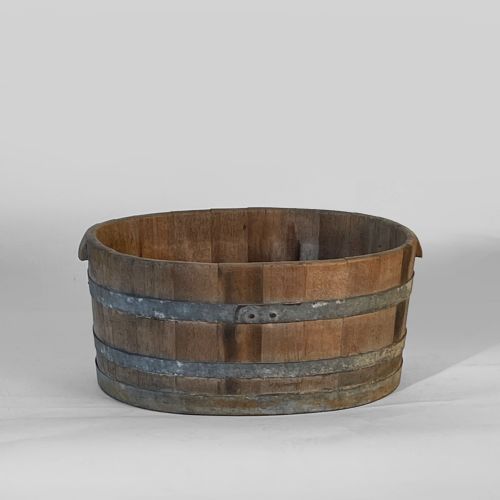
Foundries utilised cast iron and wrought iron shaped through casting and strapwork construction. Some items combine iron with oak cooperage or feature applied paint finishes.
Makers also employed copper, tin, and sheet steel to fabricate basins, bowls, and buckets. Certain pieces incorporate cast script or decorative neoclassical detailing into the metalwork.
19th Century Iron Trough Retail Price Guide 2026
Typical asking prices for 19th century iron trough among the pieces listed under this phrase on Sellingantiques today, from the lower quarter to the upper quarter. They describe what is for sale here now, not the wider market.
Styles recorded span Victorian, French Chateau, Qing Dynasty, and Neoclassical designs.
What varies in quality
Quality rests upon the crispness of the casting and the structural integrity of the metal. Finer examples display clean decorative relief and balanced proportions rather than crude mass production.
The choice of material and method of joining set pieces apart. Wrought iron strapwork and heavy cast iron demonstrate superior durability compared to lighter sheet iron or tin.
Coalbrookdale
The 19th Century Iron Trough Glossary
- Cast iron
- Iron melted and poured into a mould to create rigid forms. This material defines the heavy garden urns and planters in the collection.
- Wrought iron
- Iron heated and hammered into shape by hand. This technique produces flexible structural elements like strapwork planters and hay racks.
- Jardiniere
- An ornamental pot or stand for plants. These decorative vessels appear frequently in French and English nineteenth-century metalwork.
- Coopered
- Made by a cooper using wooden staves held together by metal bands. This method constructs washing tubs and buckets.
- Neoclassical
- A style reviving classical Greek and Roman motifs. Several Victorian planters incorporate these classical design elements.
19th Century Iron Trough: Frequently Asked Questions
Where did 19th century iron trough designs originate?
The pieces originate from English, French, and Chinese workshops active during the nineteenth century. Makers produced them for both utilitarian agricultural tasks and ornamental garden use.
Designs reflect regional demands, ranging from English agricultural hay racks to French chateau planters and Chinese temple baths.
Can I leave my iron planter outside all year?
Most cast iron and wrought iron pieces tolerate outdoor conditions well due to their heavy metal construction. However, extreme frost can damage water retained within unlined vessels.
Positioning them on solid garden surfaces prevents moisture absorption from damp ground.
How do I distinguish cast iron from wrought iron?
Cast iron appears rigid and thick, formed by pouring molten metal into a mould to create decorative relief. Wrought iron displays fibrous grain lines and is shaped by hammering.
Planters often combine cast iron bodies with wrought iron strapwork reinforcement.