
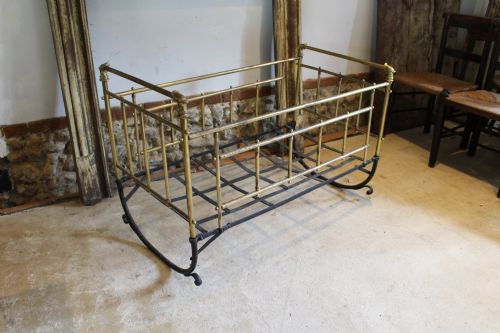

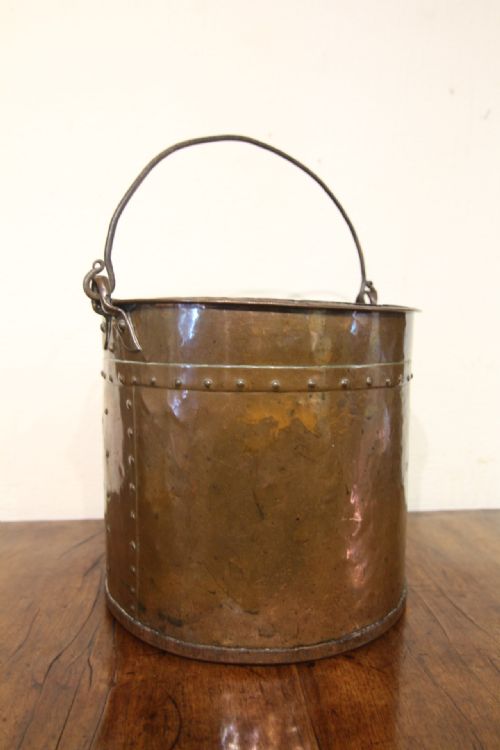
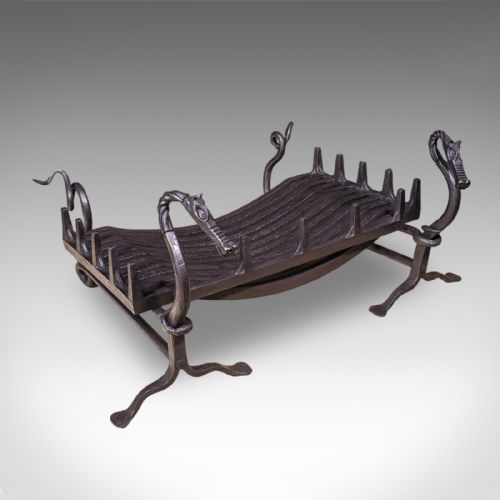


Antique Iron Log Holder
An antique iron log holder brings robust utility and honest historic character to the hearth.
Antique Iron Log Holder
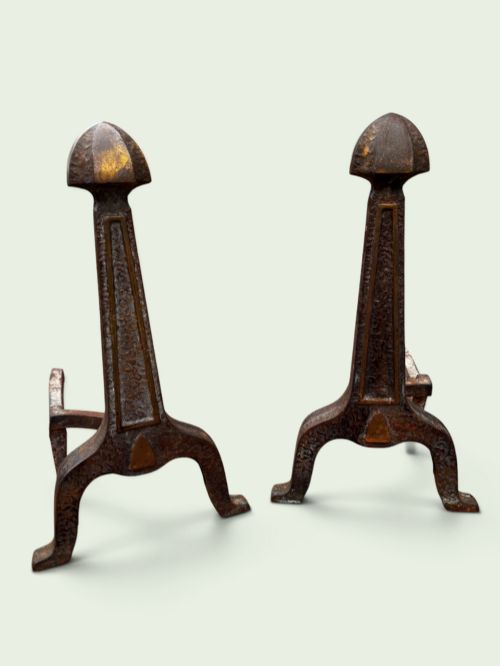
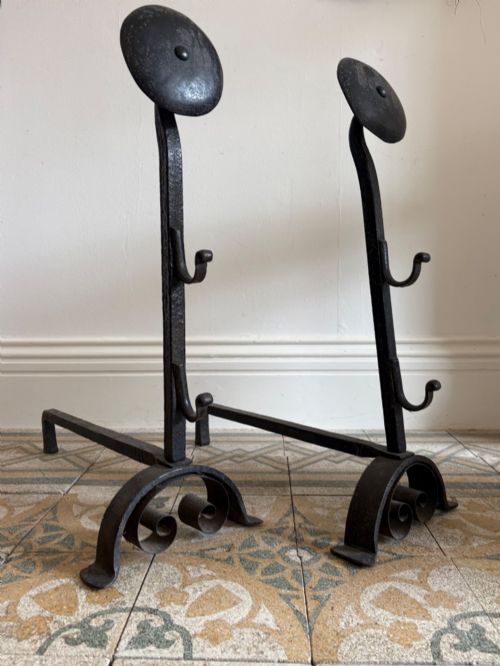
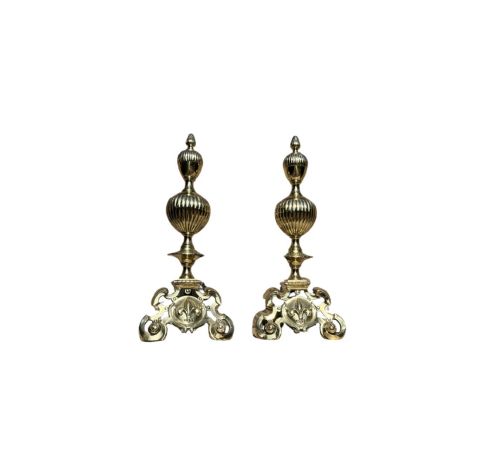
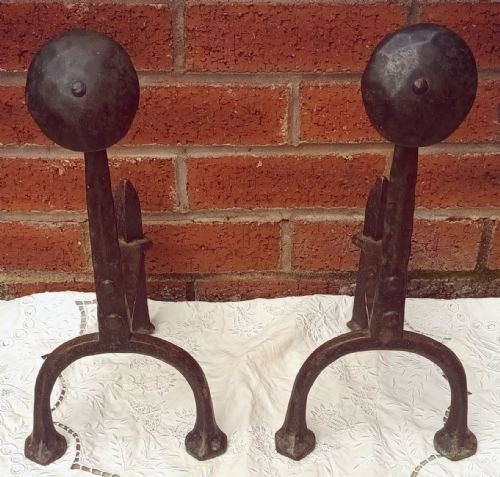
When you search for an antique iron log holder, you are looking at utilitarian fireside fuel keepers and robust metal containers designed to store and display firewood. These objects range from practical wrought iron log layers and hand-forged fire dogs to substantial copper log bins supported by sturdy iron frames.
On this page, you are most likely to meet pieces originating from the nineteenth century, including Victorian and Arts and Crafts examples, alongside Georgian and Regency metalwork. The forms vary from open baskets and coal buckets to large cauldrons and structured bins tailored for domestic hearths.
Materials and Construction
Makers utilised durable metals, predominantly wrought iron, cast iron, and sheet iron, frequently pairing them with contrasting copper or brass to achieve both strength and decorative appeal. Hand-forged techniques and visible riveting demonstrate the traditional blacksmithing methods applied to everyday fuel storage.
Wooden elements such as oak appear in coopered stick stands and barrels, while occasional applications of paint or scumbled finishes alter the surface texture of the metal body. These combinations ensure structural resilience for heavy loads of logs while maintaining distinct period styling.
Listings feature items spanning the 1800s, Victorian era, and early 20th century, combining wrought iron, copper, brass, and oak.
Markers of Quality
The distinction between standard utility items and superior examples lies in the integrity of the metalwork and the clarity of period style. Hand-forged detailing, such as carefully beaten iron handles and secure copper riveting, marks out better workshops from mass production.
Proportion and the preservation of original surfaces also govern desirability. Pieces that retain their authentic balance, uncompromised structural frames, and honest patination command greater attention from collectors than heavily altered items.
The Antique Iron Log Holder Glossary
- Wrought iron
- Iron that has been heated and worked with tools by a blacksmith rather than cast in a mould. This material yields tough, fibrous components capable of supporting heavy loads.
- Andirons
- Horizontal metal bars supported on legs, used to raise firewood off the hearth to improve combustion. They often feature decorative vertical fronts.
- Coopering
- The method of constructing stave-bound wooden containers held together by metal hoops. This technique is found in traditional oak log bins and umbrella stands.
- Scrumbling
- A decorative painting technique involving layers of opaque or translucent colour dragged over a base coat to simulate grain or texture. It appears on nineteenth-century metal surfaces.
- Cauldron
- A large round metal pot with a swing handle, traditionally used over an open fire. In a fireside context, they serve as substantial containers for fuel.
Antique Iron Log Holder: Frequently Asked Questions
How do I date an antique log holder?
Dating relies on identifying material combinations, manufacturing techniques, and stylistic markers recorded across the nineteenth and early twentieth centuries. Georgian and Regency examples often display restrained classical lines, whereas Victorian and Edwardian pieces lean towards Gothic Revival, Arts and Crafts, or ornate brass detailing.
Examining construction methods, such as hand-forged marks versus machine tooling, helps narrow down the period of production.
Are these pieces suitable for modern open fires?
Most sturdy iron frames, fire baskets, and metal log bins remain entirely functional for holding logs near a modern fireplace or wood-burning stove. Their robust construction from wrought iron or cast iron ensures they handle the weight and abrasive nature of firewood.
Buyers should verify the internal condition and size of each vessel to ensure it suits their specific hearth layout.
How do I care for antique iron and copper?
Maintenance involves keeping the metal dry and free from soot accumulation using a soft brush or dry cloth. Avoid harsh chemical cleaners that strip away the natural historic patination accumulated over centuries.
Applying a light, protective microcrystalline wax can help preserve exposed iron and copper surfaces against indoor moisture.