





Iron Garden Vessel
An iron garden vessel brings weight and structure to a planting scheme, holding its ground against the weather.
Iron Garden Vessel
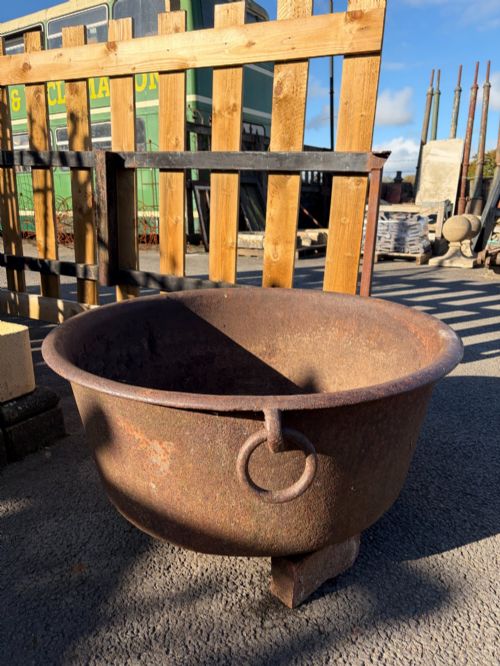
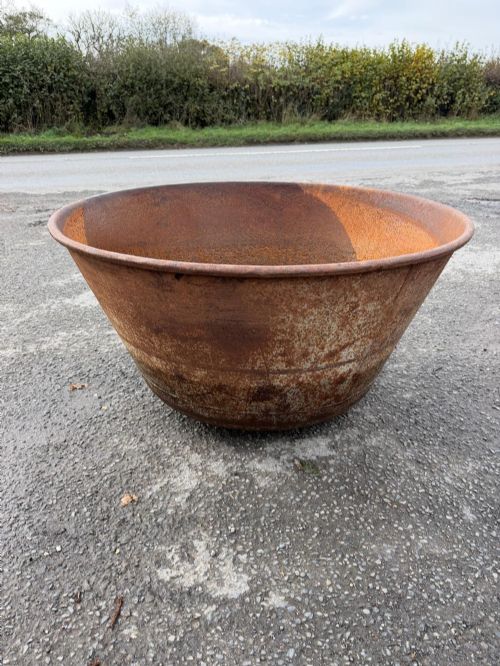
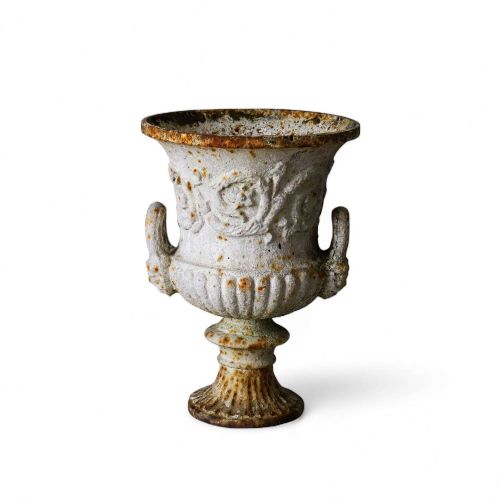
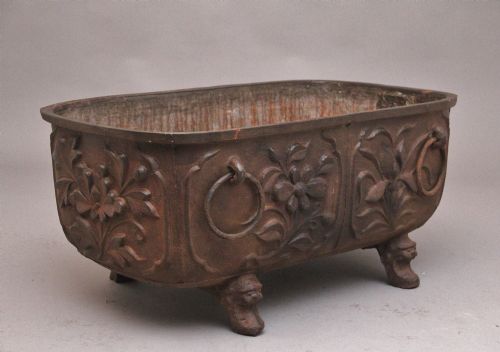
An iron garden vessel encompasses sturdy troughs, campana urns, and deep cauldrons shaped for utilitarian or ornamental outdoor use. These items emerge from the nineteenth century onward, bearing the marks of industrial founding and domestic utility.
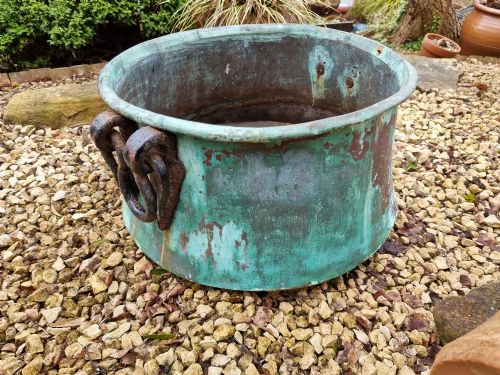
The versions most commonly met on this page are cast iron urns and heavy planters, often showing the textured surfaces of long exposure to the elements. Alongside these, occasional copper pots and temple baths expand the definition of garden metalwork.
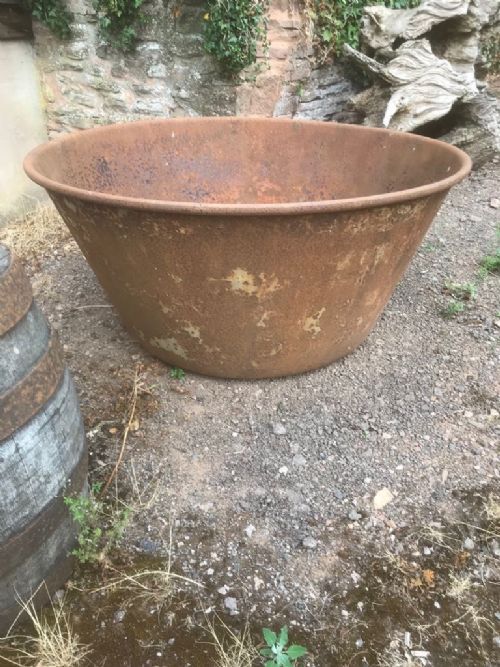
Origins stretch from English country houses and Victorian foundries to Qing Dynasty China, offering a varied geography of design. Styles range from classical revival shapes to rustic utilitarian buckets designed for daily estate work.
How they were made
Foundries shaped the iron pieces through sand casting, pouring molten metal into moulds that left characteristic seams and tactile surface textures. Wrought iron handles and steel components were hand-forged and attached to heavier bodies for lifting.
Copper vessels relied on skill in sheet metal forming, with seams hammered and joined to hold liquids securely. Terracotta elements associated with these vessels were thrown or moulded from local clays before being kiln-fired.
Surface finishes developed naturally through oxidation or received protective layers of paint. Verdigris patination formed organically on copper and bronze components over decades of damp garden conditions.
Iron Garden Vessel Retail Price Guide 2026
Typical asking prices for iron garden vessel among the pieces listed under this phrase on Sellingantiques today, from the lower quarter to the upper quarter. They describe what is for sale here now, not the wider market.
What varies in quality
Thick-walled castings with crisp decorative moulding stand apart from simpler utilitarian vessels produced in volume. The definition in classical cast ornament, such as fluting or foliate banding, indicates the care taken by the original foundry.
The integrity of the metal body dictates the longevity of the vessel, with heavy iron sections resisting rust perforation far longer than thin sheets. Surviving original handles, mounts, and matched pairs elevate the significance of a piece.
Provenance and maker attribution, such as works associated with known foundries like Andrew Handyside, distinguish standard garden containers from unmarked production pieces.
Andrew Handyside
The Iron Garden Vessel Glossary
- Campana urn
- A bell-shaped garden vessel with an everted rim, rising from a pedestal base. This classical silhouette was popular throughout the Victorian era.
- Verdigris
- A green patina formed on copper or brass through atmospheric weathering and oxidation. Collectors prize this natural surface finish for its colour.
- Cast iron
- An iron-carbon alloy poured into a mould while molten. It allows for heavy, durable garden vessels with detailed surface decoration.
- Wrought iron
- Tough, malleable iron beaten into shape by a blacksmith rather than cast. It provides strong handles and structural supports for heavy vessels.
- Temple bath
- A large heavy vessel, often cast in iron in China, originally intended for water storage or ritual use before finding a role in gardens.
Iron Garden Vessel: Frequently Asked Questions
How do I plant in an iron vessel?
Heavy metal vessels require careful attention to drainage before adding soil. Placing gravel at the base prevents water from collecting against the iron.
Lining the interior with protective material can also help manage moisture and protect the metal from prolonged dampness.
Can iron garden vessels stay outside in winter?
Cast iron and heavy steel generally withstand frost and winter weather without issue. However, trapped wet soil expanding in freezing temperatures can stress old metal or crack associated terracotta elements.
Elevating vessels on pot feet keeps them clear of standing water and ice.
How do I clean an antique iron vessel?
Gentle brushing with a soft bristle removes dirt and loose debris without disturbing the historic surface. Avoid harsh chemical cleaners that strip away patination and protective oxidation.
Light applications of oil can help stabilise weathered iron surfaces against further active rusting.
How do I date a cast iron urn?
Dating relies on stylistic clues, such as Victorian classical revival motifs or nineteenth-century foundry characteristics. Surface patination, tool marks, and construction methods also offer clues to age.
Comparing the casting quality with documented foundry catalogues helps narrow down the period of manufacture.