


Rustic Stone Planter
A rustic stone planter brings immediate weight and centuries of garden history to a terrace or courtyard.
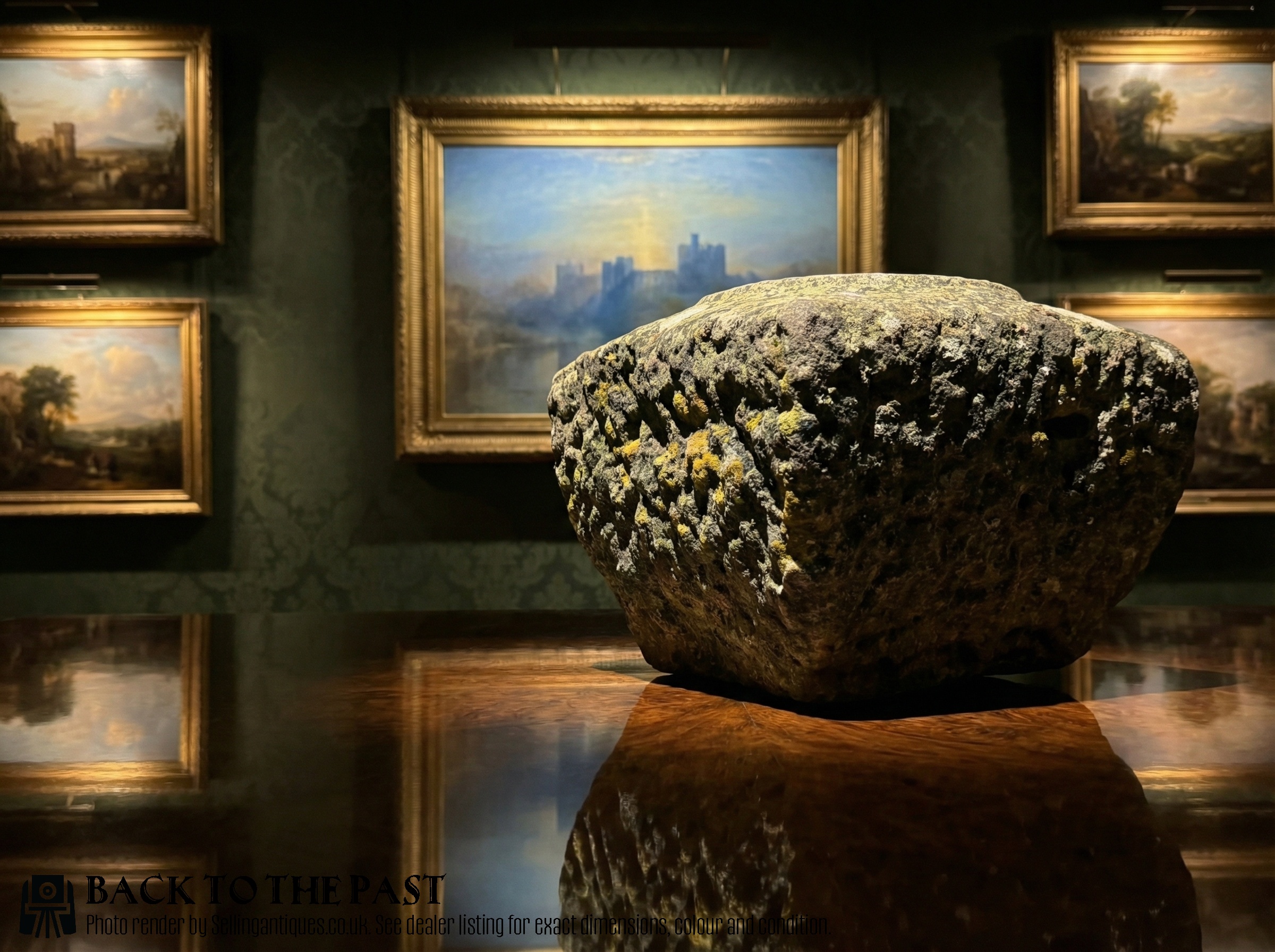
Rustic Stone Planter
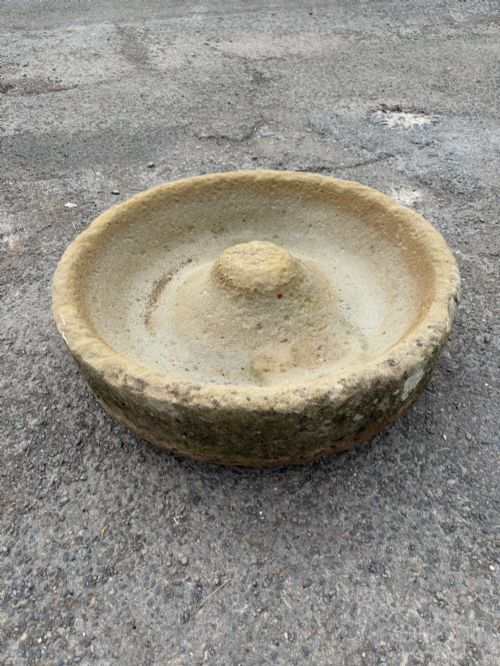
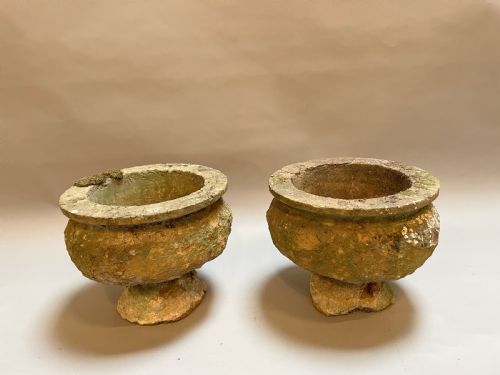
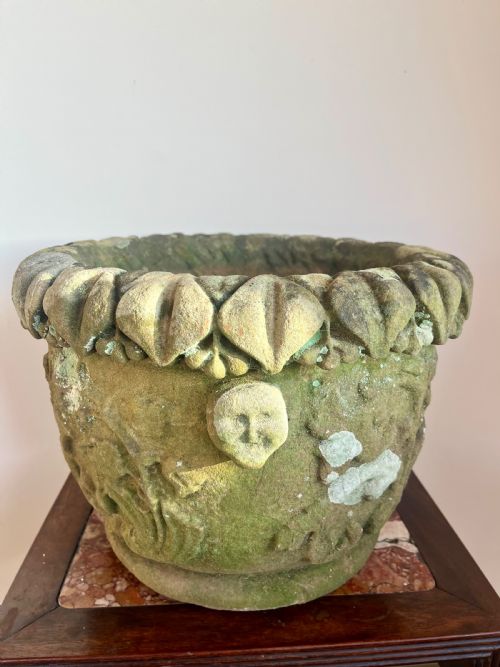
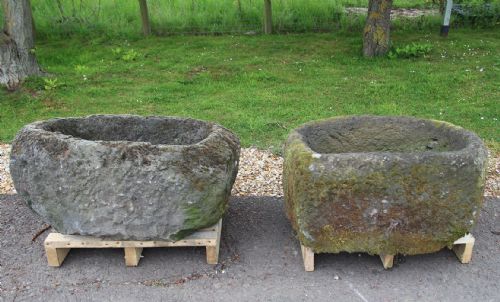
A rustic stone planter represents the heavier, more utilitarian side of garden antiques, shaped by centuries of practical use rather than pure ornament. When you search for a rustic stone planter, you encounter vessels carved from solid geological materials designed to weather outdoors. The items found here span multiple centuries, ranging from seventeenth-century mortars and eighteenth-century troughs to nineteenth-century urns and bird baths.
The domestic and agricultural origins of these objects give them their distinctive character, often beginning life as milling stones, feeding troughs, or mortar bowls before finding a second home in the garden. You are most likely to meet nineteenth-century sandstone and limestone troughs or soft stone garden urns on this page. These pieces show the honest marks of manual labour and long exposure to the elements, carrying thick patinas of moss and lichen.
How they were made
The construction of these vessels relies on direct hewing from geological strata using hand tools such as chisels, picks, and stone-cutters. Stonemasons selected durable native materials like sandstone, limestone, granite, and Purbeck stone, shaping solid blocks into hollow troughs, circular mortars, and classical urns. This subtractive process leaves tool marks across the exterior walls, recording the physical effort required to shape stubborn raw rock.
One listed planter incorporates stone salvaged directly from the Houses of Parliament after damage sustained during the Blitz in World War Two.
What varies in quality
Quality in a rustic stone planter rests upon the integrity of the material and the proportion of the vessel, rather than smooth finishes or pristine condition. Harder stones like granite and dense limestone retain their structural carved profiles more sharply over the centuries than softer sandstones or composite stone alternatives. The depth of the basin and the thickness of the retaining walls dictate both the visual balance and the practical utility for modern planting.
The character of the weathering and the honesty of the provenance elevate certain examples above standard utilitarian items. Pieces derived directly from functional agricultural roots, such as mill stone bases or square antique troughs, display an unpretentious utility that distinguishes them from later revival urns. A harmonious relationship between the scale of the vessel and the natural ageing of the mineral surface determines the standing of each piece.
The Rustic Stone Planter Glossary
- Sandstone
- A sedimentary rock composed mainly of sand-sized minerals or rock grains, frequently utilised for troughs and garden vessels due to its workable nature and pleasant weathering characteristics. It absorbs moisture readily, encouraging rapid growth of moss and lichens.
- Purbeck stone
- A form of limestone quarried on the Isle of Purbeck in Dorset, highly prized for its durability and fossiliferous inclusions. Nineteenth-century examples carved from this material offer exceptional hardness and distinct texture.
- Trough
- A long, narrow open container traditionally used for feeding livestock or watering animals, repurposed in horticulture as a heavy stone planter. Their rectangular proportions and deep cavities suit alpine and perennial planting.
- Mortar
- A heavy stone bowl used historically for grinding grain, herbs, or minerals with a pestle. Their thick walls and circular or oval forms provide robust, compact alternatives to standard garden urns.
- Mill stone
- A heavy circular stone used in pairs for grinding cereal grains, featuring a central eye and radial grooves. When separated from their machinery, the lower bases serve as striking, low-profile stone planters.
Rustic Stone Planter: Frequently Asked Questions
How do I plant in a stone trough?
Ensure the existing drainage hole is clear, or have one carefully cored if the vessel lacks one, before adding a deep layer of gravel for aeration. Use a gritty, well-draining compost suited to hardy alpines, dwarf conifers, or slow-growing perennials that complement the heavy scale of the stone.
Position the planter in an appropriate light level for your chosen flora, keeping in mind that porous stone can dry out rapidly in summer wind or retain moisture during prolonged winter frost.
Can antique stone planters stay outside in winter?
Hard natural stones such as granite, limestone, and dense sandstone withstand freezing temperatures remarkably well when planted and drained correctly. Elevating the base slightly on bricks or pot feet prevents the vessel from sitting directly in freezing ground water, which minimises the risk of cracking.
Softer stone variants or composite pieces benefit from being moved to a sheltered porch or covered with breathable horticultural fleece during severe, prolonged sub-zero snaps.
How do I clean moss off a stone planter?
Most collectors prefer to leave natural moss and lichen undisturbed because this living patina confirms the age and weathering of the material. If cleaning is necessary to prevent the stone from becoming obscured, gentle brushing with a stiff bristle brush and plain water is sufficient.
Avoid harsh chemical treatments, pressure washers, or wire brushes, as these methods strip away the historic surface texture and damage the softer outer layers of the stone.
How do I date a stone trough?
Examine the tool marks left on the exterior walls, as hand-chiselled surfaces typically indicate eighteenth or nineteenth-century vernacular production before mechanical saws became widespread. The composition of the stone, the style of any decorative moulding, and the original function as an agricultural or domestic implement also offer clues to the period.
Comparing the dimensions and corner joints with documented examples from similar rural or regional workshops helps narrow down the century of manufacture.