
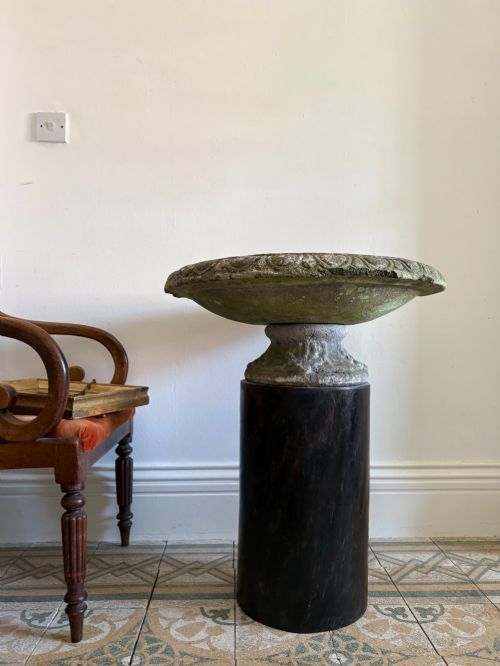
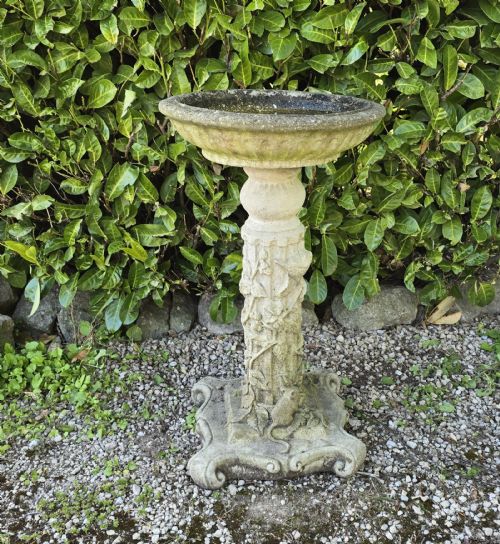

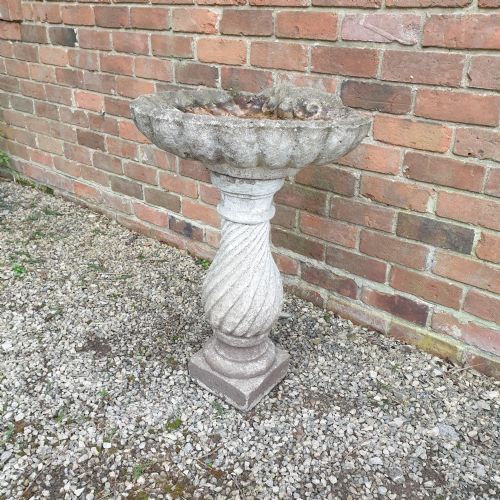

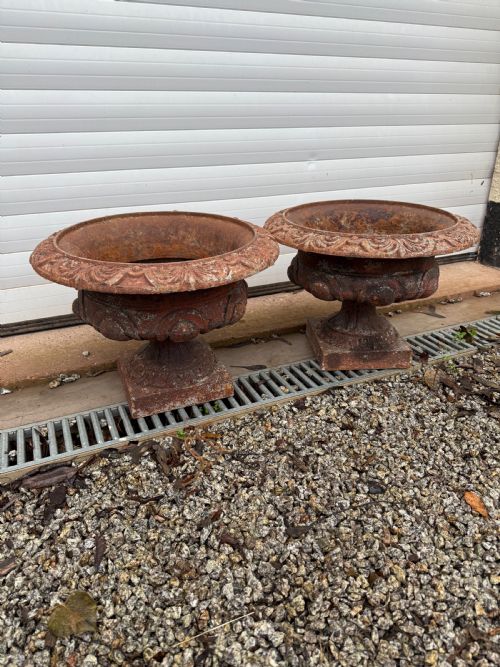


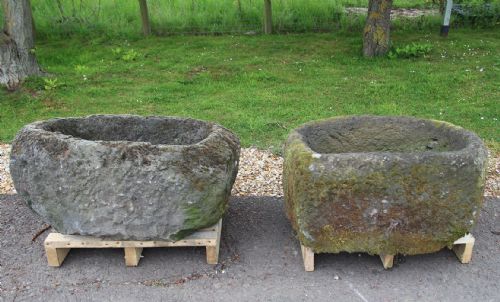
Outdoor Stone Basin
These outdoor stone basin options bring enduring texture and functional design to garden spaces, shaped through centuries of traditional landscaping use.
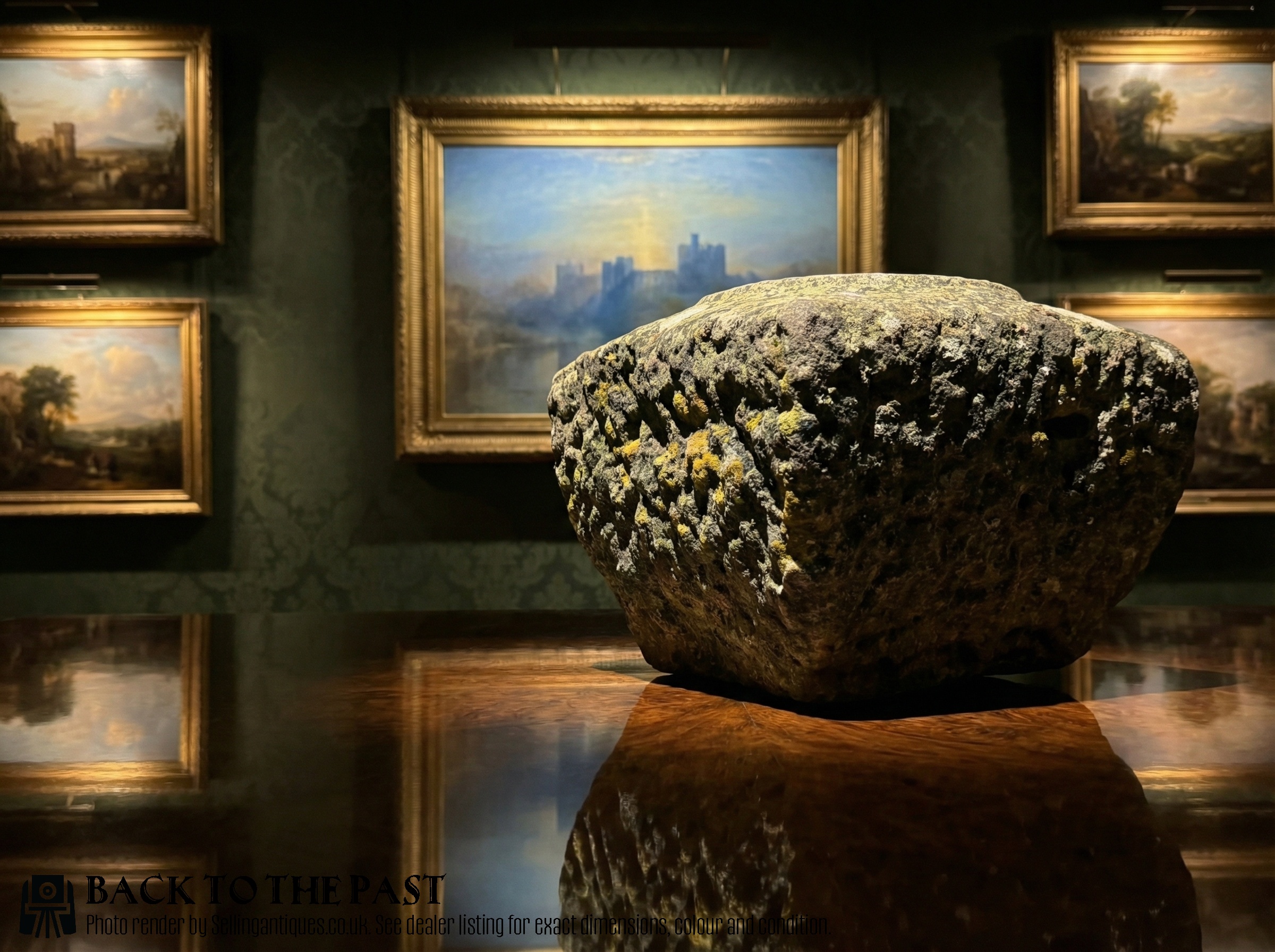
Outdoor Stone Basin
When you search for an outdoor stone basin, you encounter sturdy garden troughs, bird baths, planters, and urns designed to hold water or earth. These pieces serve practical functions in gardens while establishing a grounded, architectural presence.
The selections available range from 19th-century natural stone troughs to early 20th-century cast stone birdbaths and mid-20th-century shell-shaped basins. You are most likely to meet weathered concrete, reconstituted stone, and natural sandstone vessels intended for permanent outdoor placement.
Materials and construction methods
Construction relies heavily on durable mineral compounds, utilising natural sandstone and carved stone alongside moulded cast stone, composite stone, and reconstituted mixtures. Certain forms incorporate cast iron elements, particularly within urn and planter pairings from the Victorian era.
Makers shaped these utilitarian and decorative vessels through direct masonry carving or poured casting techniques into moulds. The manufacturing process prioritized weather resistance, ensuring the stone and concrete could withstand exposure to moisture and fluctuating temperatures.
Current listings span from pre-16th century reclaimed elements to mid-20th century pieces, utilising natural sandstone, cast stone, and iron.
Assessing quality and character
Quality rests in the depth of natural weathering, the integrity of the material composition, and the sculptural clarity of styles such as Neoclassical, Gothic Revival, or Rustic Farmhouse. Pieces fashioned from solid natural stone or early cast mixtures demonstrate superior tactile weight and enduring surface patination.
Lesser examples display uniform machine-made finishes lacking the organic moss growth and mineral erosion earned through decades outdoors. The most desirable vessels exhibit harmonious proportions and authentic historical wear that integrates naturally into landscape settings.
The Outdoor Stone Basin Glossary
- Cast stone
- A refined building product manufactured from concrete masonry mixtures, designed to imitate natural cut stone. It allows for intricate decorative moulding while maintaining high structural durability.
- Reconstituted stone
- A material created by binding crushed stone or aggregate with cementitious binders. This composite provides the aesthetic of quarried stone with controlled manufacturing consistency.
- Trough
- A long, narrow open container historically used for feeding livestock or holding water. In horticulture, stone troughs provide ideal conditions for alpine plants due to their thermal mass and drainage properties.
Outdoor Stone Basin: Frequently Asked Questions
How do I clean an outdoor stone basin?
Gently wash the surface using water and a soft-bristled brush to remove excess dirt while preserving the accumulated weathering and lichen growth.
Avoid harsh chemical cleaners and pressure washers, as aggressive methods strip away the aged patination and erode the outer stone or concrete layer.
Can stone basins stay outside in winter?
Most natural stone, cast stone, and weathered concrete vessels remain outdoors year-round due to their inherent frost resistance and durable composition.
Ensure that standing water inside birdbaths or planters is drained before hard freezes occur to prevent ice expansion from cracking the material.
Where should I place a stone basin in the garden?
Position birdbaths and water basins near seating areas or visible windows where wildlife activity and water reflections can be easily enjoyed.
Place heavy troughs and planters directly onto level ground or stable paving surfaces to distribute their considerable weight safely and securely.