

Antique Plant Container
An antique plant container brings organic form indoors, offering a robust vessel designed to display greenery within period interiors.
Antique Plant Container
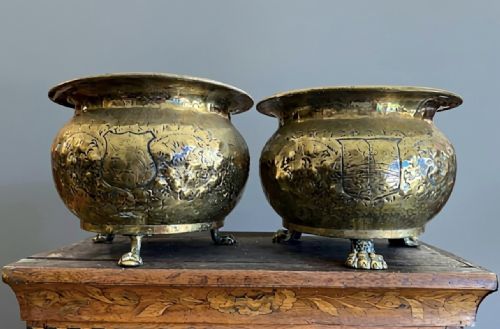
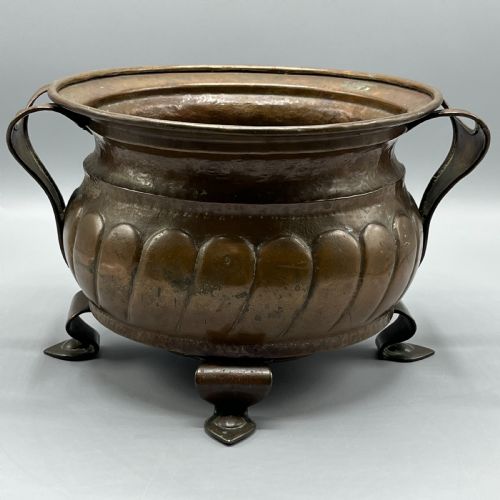
An antique plant container encompasses vessels designed to hold growing greenery, most frequently encountered here as brass, copper, or ceramic jardinières from the Victorian and Edwardian eras. These pieces bridge interior decoration and practical horticulture, drawing on styles ranging from Arts and Crafts handwork to Georgian mahogany stands.
The selection includes freestanding jardinières, small plant stands, and low pots intended for domestic display. Materials span earthenware and porcelain alongside heavy metals, reflecting the diverse domestic tastes of the nineteenth and early twentieth centuries.
Materials and Construction
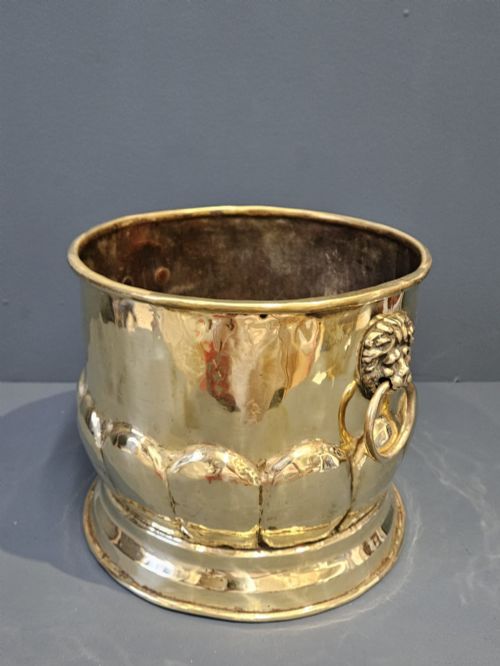
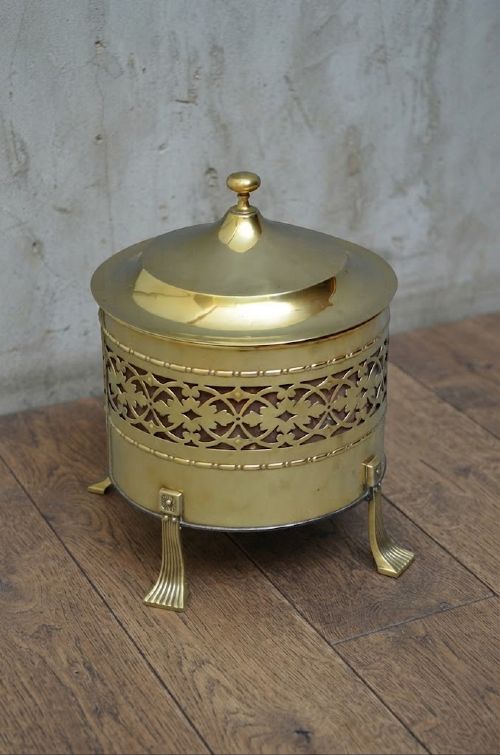
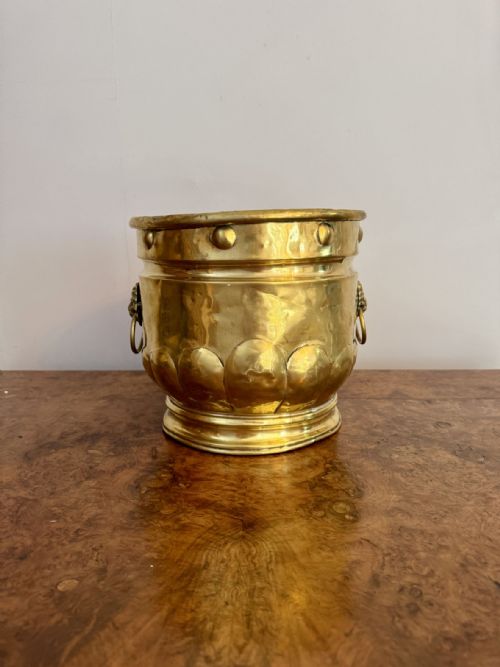
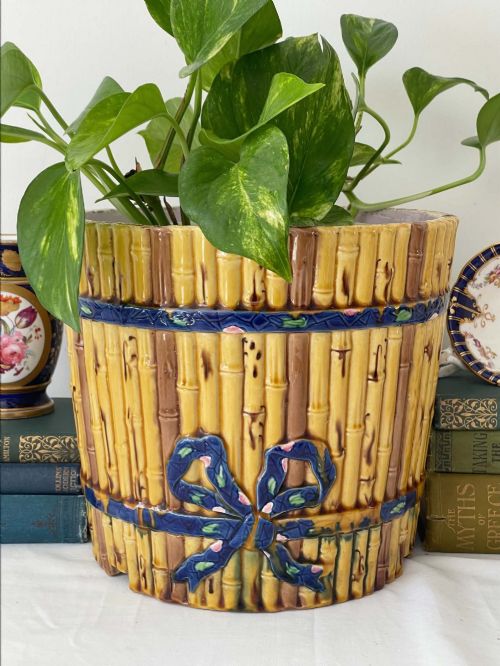
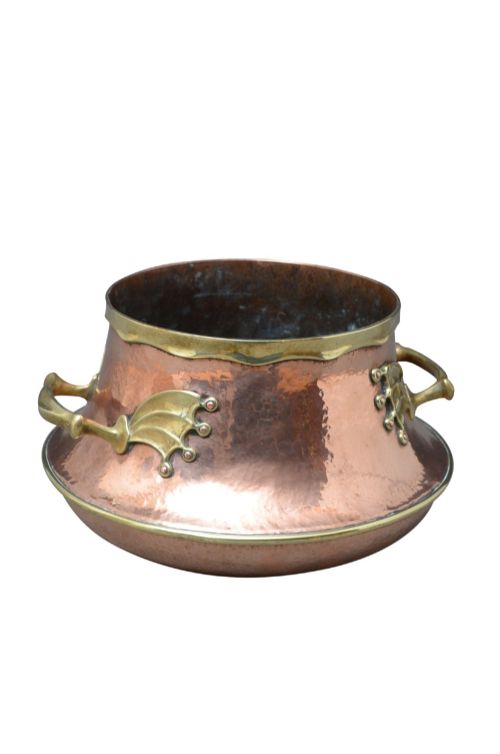
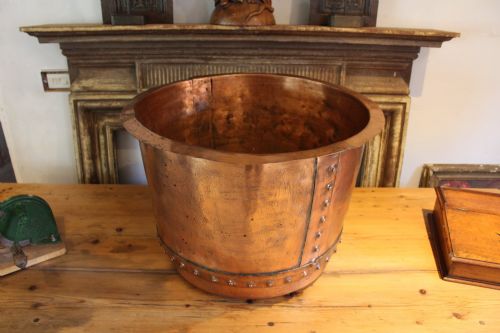
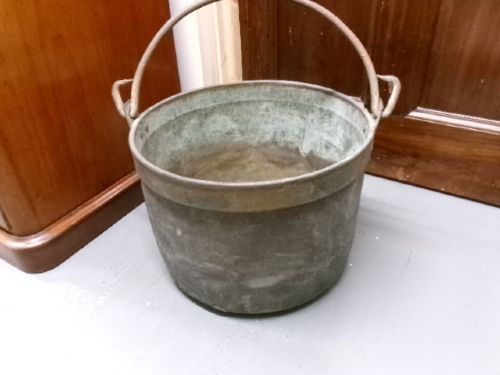
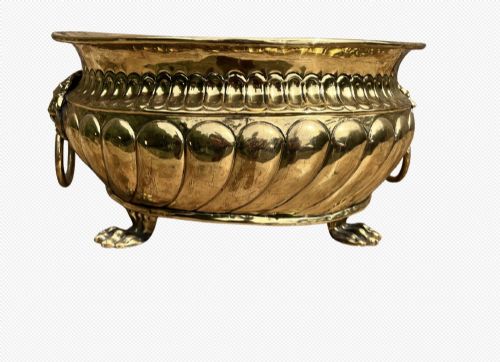
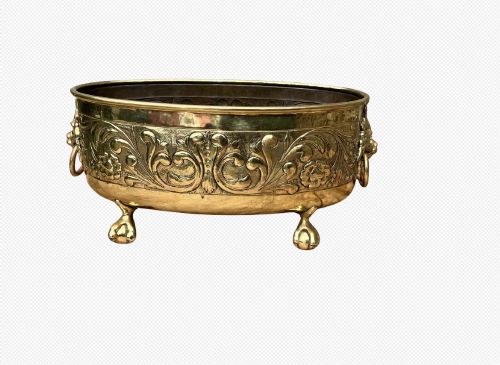
Metals such as brass and copper dominate the construction, often shaped through hammering, repoussé work, or casting to produce decorative motifs like lion mask handles and fretwork designs. Ceramic examples utilise earthenware, majolica, or porcelain, sometimes incorporating bamboo-moulded details or hand-painted botanical decoration.
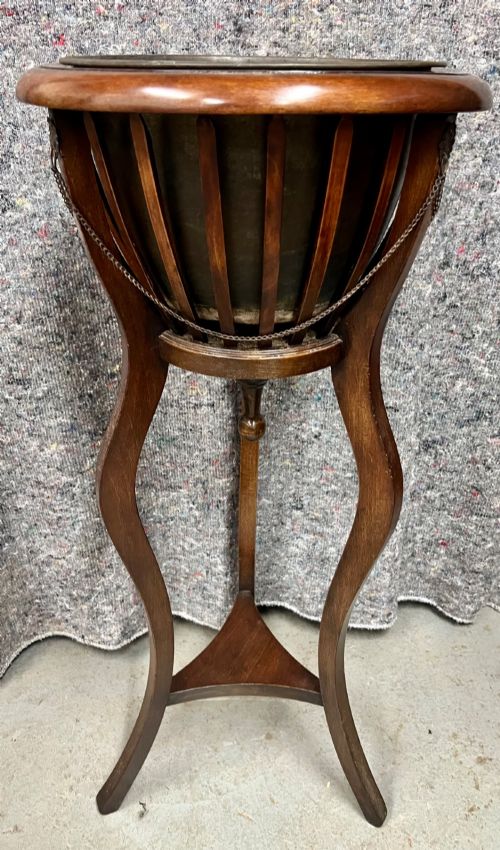
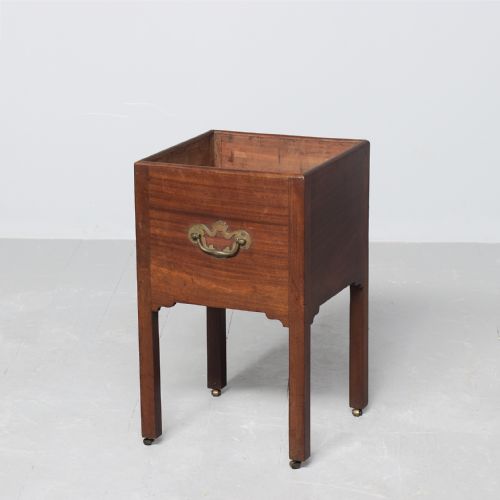
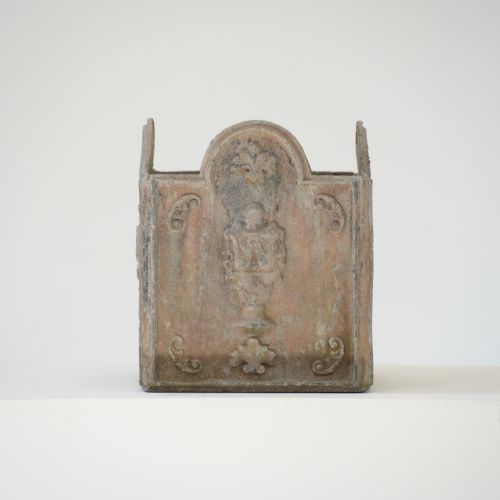
Timber versions rely on mahogany joinery and coopered staves, occasionally styled after earlier Georgian or Chippendale designs. Iron and lead appear in structural strapwork and heavy garden planters, showing durable methods suited to moisture and weight.
Listings feature brass, copper, mahogany, and porcelain spanning the Georgian, Victorian, and Edwardian periods.
Standard and Execution
Quality rests upon the crispness of surface ornamentation, whether the sharp relief of repoussé metalwork or the precise glaze application on majolica and porcelain. Heavier gauges of brass and copper indicate superior durability, while finer furniture pieces demonstrate accomplished mahogany turning and joinery.
Distinction also arises from the integration of maker marks or dated stamps, alongside the originality of handles, liners, and stands. Pieces possessing well-defined stylistic movements, such as Arts and Crafts or Art Nouveau, exhibit greater artistic ambition in their design.
Minton·J Sankey and Sons·Royal Doulton·Doulton Lambeth
The Antique Plant Container Glossary
- Jardiniere
- An ornamental pot or stand for holding plants or flowers. These vessels sit upon tables or floors within the interior.
- Repousse
- A metalworking technique where the metal is hammered from the reverse side to form a raised design on the front. This creates textured patterns such as animal heads and foliage.
- Majolica
- A type of earthenware glazed with tin enamel and painted with colourful metallic oxides. It provides a glossy, vibrant surface seen in nineteenth-century ceramic planters.
- Champleve
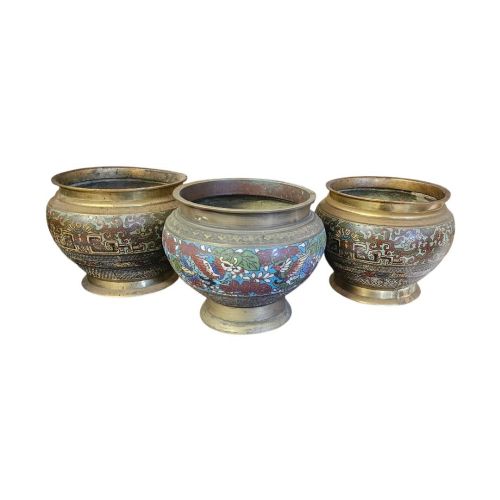
- An enamelling technique where troughs are carved into a metal surface and filled with vitreous enamel before firing. It frequently decorates imported bronze vessels.
- Coopering
- A woodworking method using tapered stave construction held together by metal hoops. This technique forms the cylindrical bodies of timber planters and wine coolers.
Antique Plant Container: Frequently Asked Questions
What is an antique plant container?
An antique plant container is a decorative vessel made to house potted plants inside the home or garden. These objects include ceramic jardinières, metal pots, and timber stands.
They reflect the shifting interior design fashions of the nineteenth and early twentieth centuries, combining practical waterproofing with ornamental metalwork or pottery.
How were antique plant containers used?
These vessels functioned primarily to hold live plants and ferns in domestic reception rooms, parlours, and hallways. They protected fine furniture surfaces from water damage.
Some copper and brass examples doubled as coal buckets or log bins, proving versatile across different domestic spaces over time.
How do I clean an antique brass planter?
Maintenance requires gentle dusting and occasional cleaning with a soft cloth to preserve the natural patina accumulated over decades. Aggressive chemical polishes should be avoided to protect the surface integrity.
Using a plastic or ceramic liner inside the metal container prevents direct moisture contact and protects the historic interior from corrosion.
How do I identify a Victorian jardiniere?
Victorian jardinières often feature heavy brass or copper construction, sometimes embellished with repoussé animal heads, lions mask handles, or Gothic details. Ceramics from this period include majolica with bamboo motifs or hand-painted porcelain.
Design influences draw heavily from the Arts and Crafts movement and naturalism, prioritising organic forms and robust construction.