
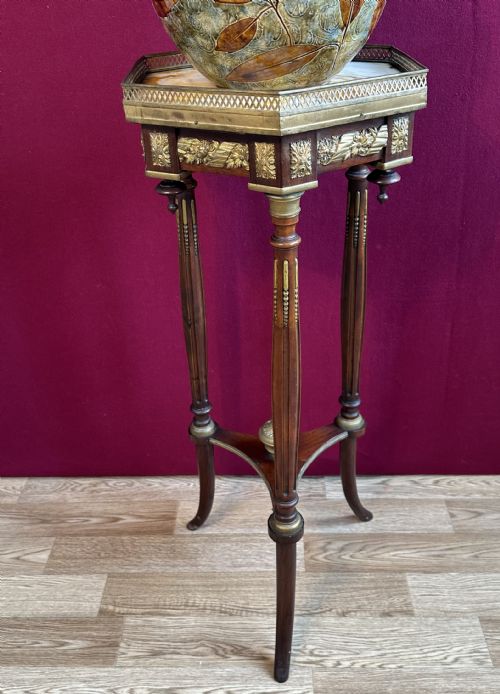


Carved Mahogany Jardiniere
A carved mahogany jardiniere is a decorative plant stand designed to hold indoor foliage, offering elegance and functional height to any interior.
Carved Mahogany Jardiniere
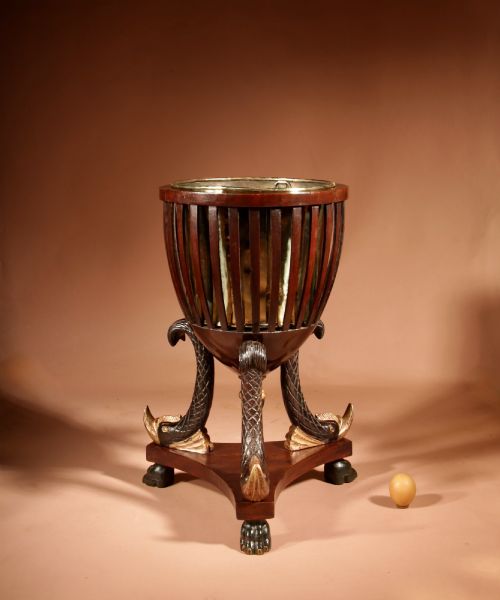
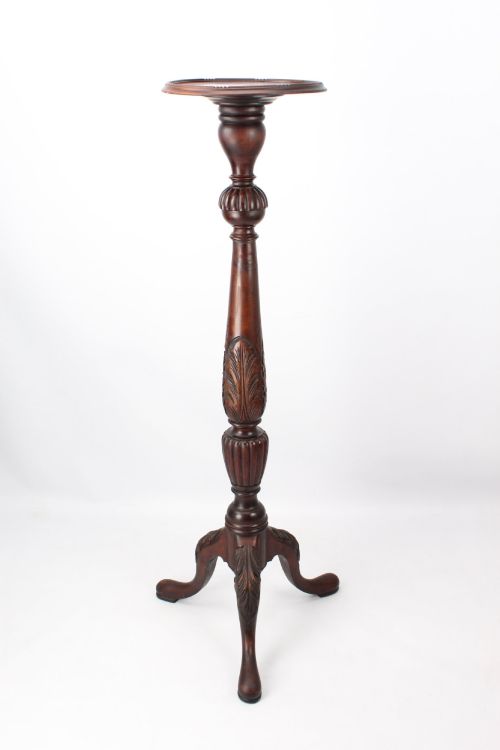
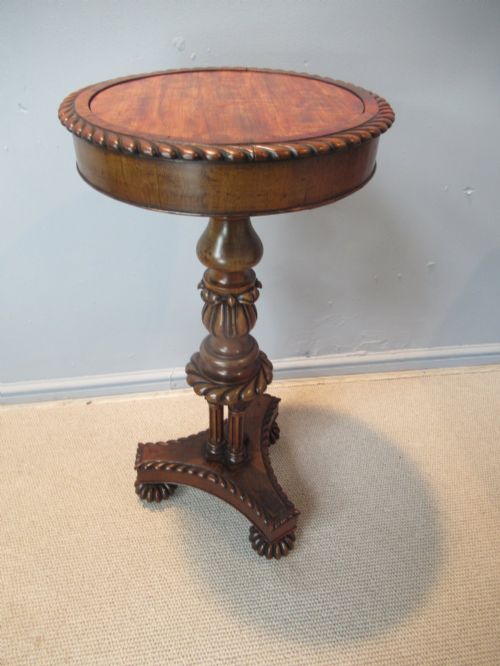
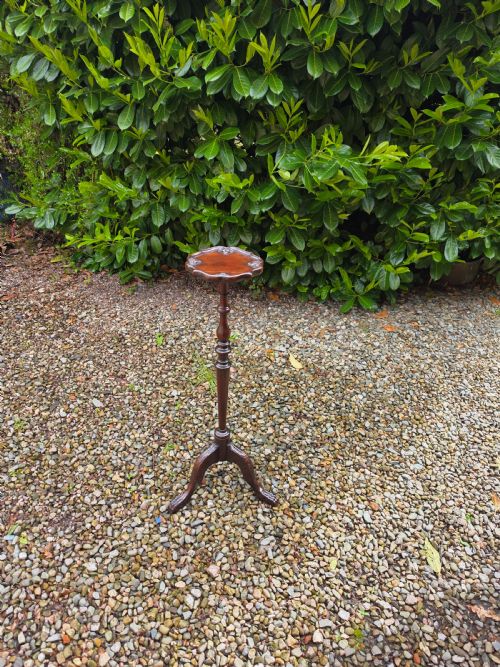
When searching for a carved mahogany jardiniere, a buyer encounters raised plant holders and display stands primarily originating from the nineteenth and early twentieth centuries. These pieces encompass forms such as tall pedestals, tripod stands, and low wine coolers or planters adapted for botanical display.
The selections available here range from formal Edwardian and Victorian designs to pieces influenced by French Empire, Louis XVI Revival, and Chinese Export styles. Most examples serve to elevate potted plants, urns, or vases, utilising solid timber framing and detailed surface ornament.
Originating across multiple decades, these stands appear in forms varying from simple turned columns to heavily carved tripod structures. The typical piece combines structural utility with the rich, deep tones characteristic of nineteenth-century cabinetmaking.
Assessing Quality and Execution
The distinction between standard production items and superior examples lies in the depth and crispness of the hand carving rather than the mere presence of decoration. Finer pieces demonstrate precision in turned columns, balanced proportions, and integrated stylistic details such as reeded legs or claw feet.
Materials also dictate the tier of a piece, with select stands incorporating inset marble slabs, robust brass liners, or dense hardwoods that maintain stability under heavy loads. The integrity of the structural joints and the fidelity to period styles separate basic utility items from masterwork furnishings.
Some nineteenth-century makers doubled their output by ensuring a planter stand could hold a botanical display in summer and a wine bottle in winter.
The Carved Mahogany Jardiniere Glossary
- Jardiniere
- An ornamental pot or stand designed to hold a plant or flower arrangement. These items range from floor-standing pedestals to low vessel holders.
- Torchiere
- A tall stand or floor lamp designed to elevate a light source or decorative object. In plant stands, this form provides a slender, columnar profile.
- Tripod base
- A three-legged support structure commonly found on nineteenth-century stands. This configuration ensures stability on uneven floor surfaces.
- Ebonised wood
- Timber treated with a dark stain or finish to imitate ebony. This technique creates a strong contrast against carved mahogany or inlaid details.
- Chippendale style
- A decorative design movement characterised by intricate carving, cabriole legs, and ball-and-claw feet. Pieces in this style reflect eighteenth-century English cabinetmaking traditions.
Carved Mahogany Jardiniere: Frequently Asked Questions
What is a carved mahogany jardiniere used for?
These pieces are designed to elevate potted plants, ferns, and floral arrangements within a room. They function primarily as decorative display furniture that brings height and botanical focus to interior spaces.
Historically, they also served as wine coolers or specialised basin stands before evolving into domestic plant holders. Their sturdy construction allows them to support substantial ceramic pots and marble inserts safely.
How do I date a Victorian plant stand?
Dating involves examining the specific style markers, wood density, and construction methods used in the frame. Victorian examples often display robust proportions and eclectic revival motifs inspired by earlier centuries.
Matching the turned elements and carved details to documented nineteenth-century design books helps narrow down the decade of production. Tool marks and fastener types also provide clues regarding the manufacturing period.
Where should I place a tall jardiniere stand?
These stands suit corners, empty wall spaces, or flanking positions beside windows where plants receive adequate light. Their vertical profile makes them effective for adding architectural interest without occupying excessive floor area.
Placement should account for the stability of the tripod or pedestal base to prevent accidental tipping in high-traffic zones. Pairing the stand with a trailing plant accentuates the height of the piece.
How do I care for antique mahogany furniture?
Maintenance requires keeping the timber away from direct sunlight and extreme temperature fluctuations to prevent wood splitting. Regular dusting with a soft, dry cloth preserves the polished finish without building up residue.
Application of appropriate wax polish periodically helps nourish the hardwood and maintain its natural lustre. Moisture from plants should be managed carefully using saucers or liners to protect the wood surface.