





Dark Wood Planter
A dark wood planter brings natural warmth and architectural structure into a room, framing greenery within rich mahogany, oak or walnut.
Dark Wood Planter
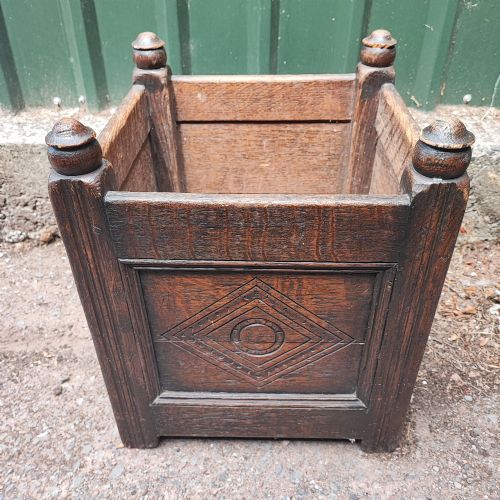
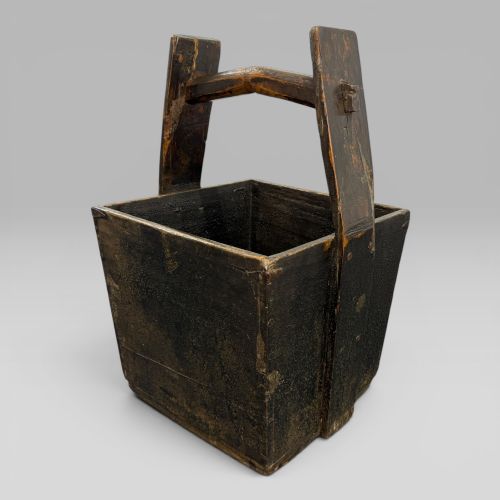
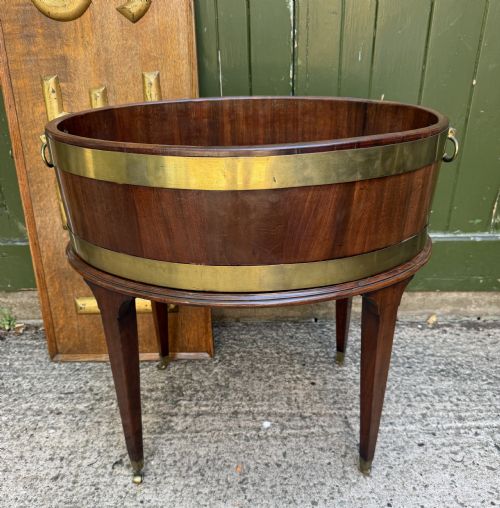
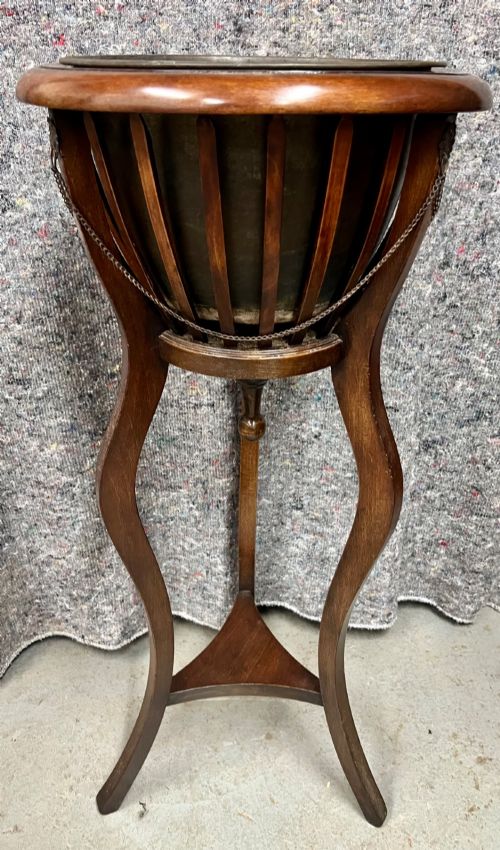
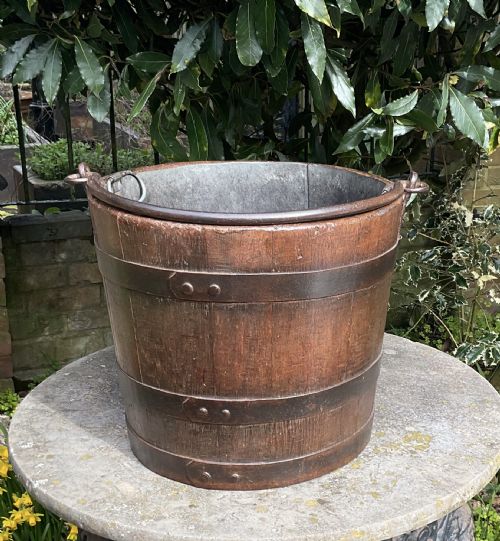
A dark wood planter spans various functional forms designed to hold plants, flowers or firewood within domestic spaces. Buyers searching for a dark wood planter will encounter forms such as freestanding jardiniere stands, pedestal plant tables, copper-lined buckets and low wine coolers adapted for botanical displays.
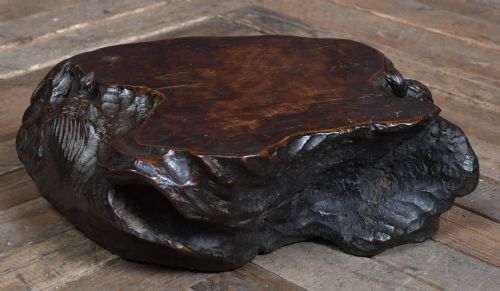
The selection ranges from Georgian and Victorian mahogany vessels featuring brass bands to rustic country oak log boxes and carved Chinese hardwood stands. Victorian and Edwardian examples dominate the offerings, often utilising turned columns or tripod supports to elevate the greenery.
Constructed across the nineteenth and early twentieth centuries, these pieces incorporate diverse regional styles including Chinese export carving and English cabinet-making traditions. Each object serves to elevate foliage off the floor while contributing deep timber tones to an interior.
Materials and construction techniques
Cabinet-makers relied heavily on dense hardwoods such as mahogany, oak, elm and rosewood, often selecting timber for its strong grain pattern and durability. Joinery methods varied from traditional dovetailing in boxes to cooperative stave construction utilised in barrels and buckets.
Metal components played a critical structural and decorative role, featuring hammered brass bands, iron hoops and copper liners designed to protect the timber from moisture. Carved details, ebonised finishes and barley-twist turnings demonstrate the manual labour involved in shaping these functional objects.
The inventory records diverse forms spanning Chinese export stands, French grape bins and English coopered buckets.
Assessing quality and craftsmanship
Quality rests in the selection of the timber and the crispness of the hand-carved details or turned elements. Superior pieces display thoughtful joinery, such as tightly fitted coopered staves and original metal liners rather than modern replacements.
The refinement of the brass banding and the balance of the supporting stand distinguish standard utility items from high-status furniture. Original patination on the timber surface indicates age and careful maintenance through successive generations.
The Dark Wood Planter Glossary
- Jardiniere
- An ornamental pot or stand for holding plants or flowers. These vessels often sit on dedicated pedestals or floor-standing tables.
- Coopered
- Built using narrow staves of wood joined edge-to-edge and bound with metal hoops, much like a traditional barrel. This method ensures waterproof integrity for holding damp soil or plants.
- Torchere
- A tall, slender stand originally designed to hold a candelabrum but frequently utilised today as a plant or flower display pedestal. They often feature a circular top supported by a single turned column.
- Wine Cooler
- A vessel traditionally used for chilling bottles in ice, frequently adapted in modern settings to serve as a dramatic floor-standing planter. Georgian examples often feature brass carrying handles and robust timber construction.
- Patina
- The surface sheen and colour developed over decades of handling, polishing and exposure to light. A rich patina distinguishes untouched antique timber from modern reproductions.
Dark Wood Planter: Frequently Asked Questions
How do I protect the wood inside?
Most antique wooden planters rely on removable metal liners, such as copper or zinc, to contain moisture and soil. Ensuring these liners remain watertight preserves the structural integrity of the surrounding timber.
For pieces without original liners, placing a modern plastic pot inside with a saucer prevents water from coming into direct contact with the antique wood.
Can these be used outdoors?
These items were constructed as indoor furniture or domestic utility vessels and lack weather-resistant exterior treatments. Exposure to rain, frost and direct sunlight will rapidly degrade the antique timber and metal bands.
Keeping them inside your home ensures the polished mahogany, oak or rosewood remains stable and protected from extreme humidity shifts.
How do I date an antique planter?
Dating relies on examining the timber species, joinery techniques and stylistic clues such as turnings and brass hardware. Georgian and Victorian pieces often display hand-cut joinery and specific decorative motifs popular during those reigns.
Comparing the construction methods to known furniture styles provides a reliable timeframe for when the piece was manufactured.
What is the difference between a jardiniere and a plant stand?
A jardiniere refers specifically to the container or pot that holds the plant, often featuring decorative metal bands or ceramic elements. A plant stand or pedestal is the supporting table designed to elevate that container off the floor.
Many antique listings combine these functions into a single integrated piece of furniture where the pot and stand form one unit.