




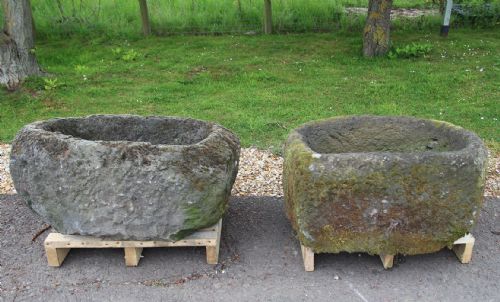
Rustic Carved Planter
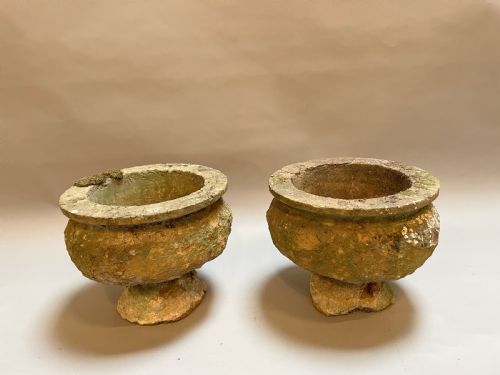
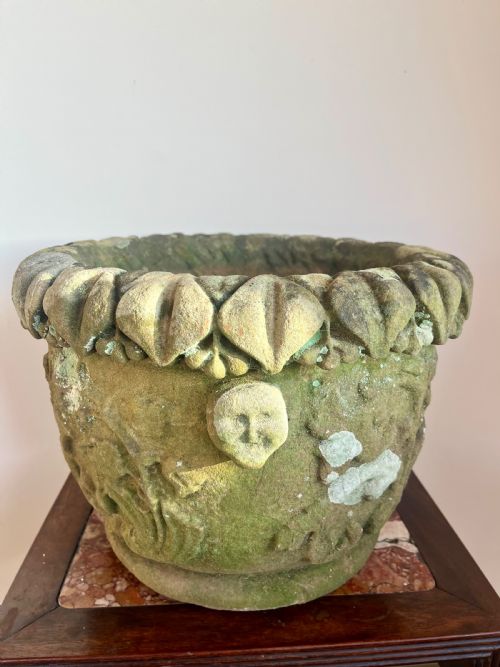
These rustic carved planter pieces bring weathered texture and organic form directly into the garden or interior.
Rustic Carved Planter
A rustic carved planter is a solid vessel shaped from natural materials like stone, timber, or cast iron for botanical display or architectural accent. These pieces encompass garden planters, mortars, troughs, and log boxes originating from periods spanning the seventeenth century through to the Victorian era and the early twentieth century.
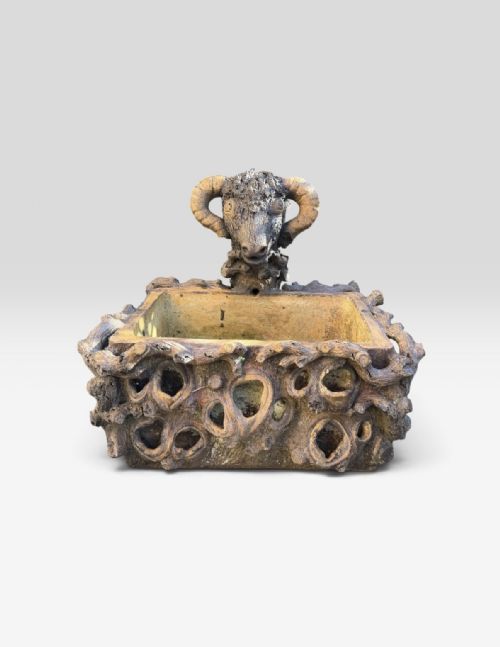
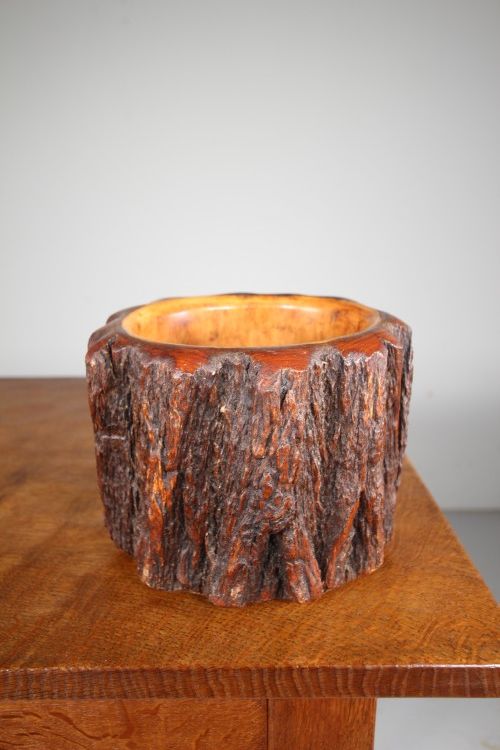
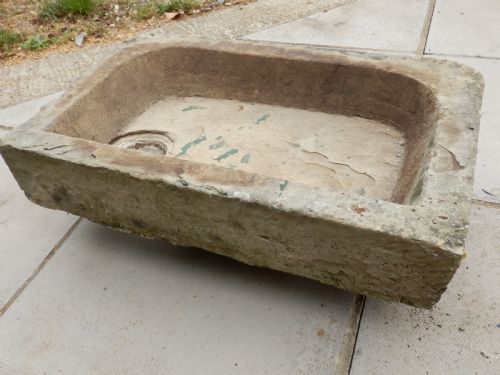
Buyers encountering this selection will frequently find utilitarian objects repurposed for the garden, such as stone mortars, troughs, and dug-out tree trunks. Styles range from simple rustic farmhouse and country vernacular to classical and Gothic revivals, alongside French chateau and folk art examples.
The utility of these vessels remains straightforward, serving as containers for planting or as sculptural focal points in outdoor and indoor spaces. Their weathered surfaces and hand-carved tool marks reveal the physical effort of their creation.
How they were made
Makers shaped these items using heavy manual techniques on hard substrates, cutting and chiselling natural stone such as sandstone, limestone, Purbeck stone, granite, and soft stone. Woodworkers carved vessels directly from solid timber like oak, elm, sycamore, and tree trunk sections, sometimes employing coopered construction for barrels.
The tooling relies entirely on hand-operated implements that leave distinct surface marks, from the pecked texture of stone mortars to the gouged hollows of dug-out trunks. Cast iron pieces utilise foundational metalworking methods to achieve durable structural forms.
Rustic Carved Planter Retail Price Guide 2026
Typical asking prices for rustic carved planter among the pieces listed under this phrase on Sellingantiques today, from the lower quarter to the upper quarter. They describe what is for sale here now, not the wider market.
One listed planter incorporates stone salvaged directly from the Houses of Parliament after wartime bomb damage during the Blitz.
What varies in quality
Quality depends upon the harmony between the raw material selected and the directness of the hand-carved execution. Pieces hewn from dense natural stone or solid hardwood carry greater presence and structural integrity than softer or more fragmented compositions.
The visual appeal rests in the depth of patination accumulated through age and exposure, combined with the balance of the vessel's proportions. Superior examples display confident, unhurried tool work that respects the natural limitations and grain of the medium.
The Rustic Carved Planter Glossary
- Mortar
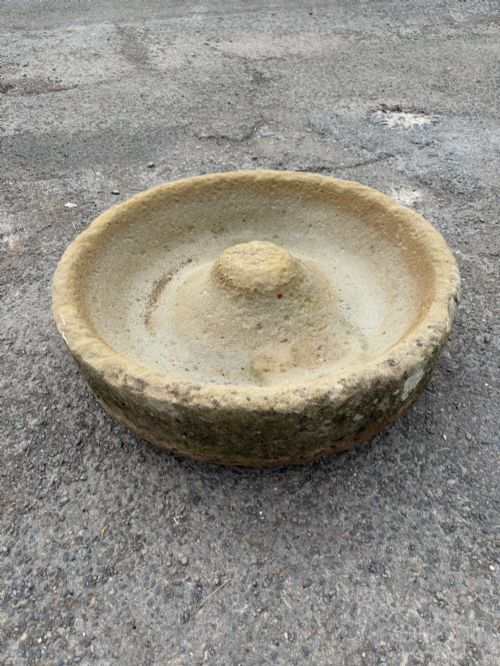
- A heavy bowl-shaped vessel traditionally used for grinding materials, frequently repurposed as a sturdy garden planter. Their thick walls and stone or wood construction ensure long-term durability outdoors.
- Trough
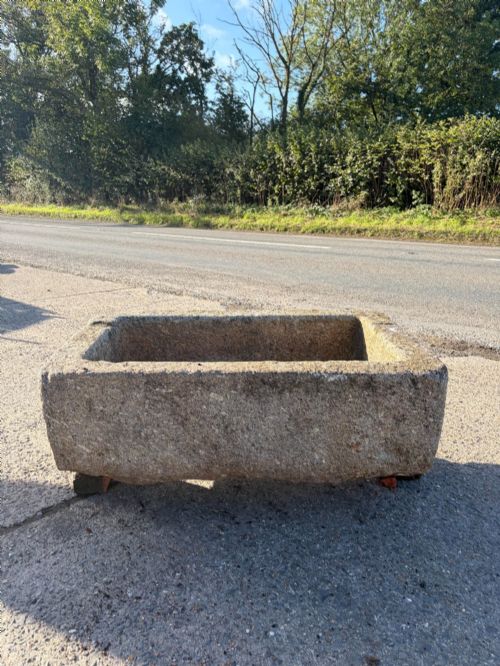
- A long, shallow rectangular vessel hewn from natural stone to hold water, feed, or soil. These utilitarian farm items form substantial and stable garden containers.
- Coopered
- Constructed from wooden staves joined side-by-side and bound with hoops, similar to barrel-making techniques. This method allows timber to form rounded enclosures for holding items.
- Treen
- Small domestic wooden objects made by turning or carving timber. These pieces showcase the grain and warm tones of historical woods.
- Purbeck stone
- A fossiliferous limestone quarried in Dorset, prized for its durability and distinctive texture in architectural stonework. It weathers to display embedded shell fragments.
Rustic Carved Planter: Frequently Asked Questions
Are stone planters frost proof?
Natural stone vessels carved from sandstone, limestone, granite, or Purbeck stone generally withstand low temperatures when drainage remains clear. Water trapped inside unsealed pores can expand upon freezing and risk cracking the material.
Elevating stone planters slightly off the ground helps prevent moisture retention during winter months.
How do I clean an old stone trough?
Gentle washing with water and a soft brush removes accumulated dirt without damaging the historical patination or lichen growth. Avoid harsh chemical cleaners and pressure washers that scour the surface of the stone.
Allowing natural weathering to persist preserves the character accumulated over centuries.
Can wooden planters stay outside year round?
Hardwood items like oak, elm, and sycamore tree trunks resist outdoor conditions naturally, though continuous ground contact accelerates timber decay. Positioning wooden vessels on gravel or bricks reduces moisture absorption from the soil.
Applying protective oils can help maintain the wood against extreme seasonal moisture changes.
How do I date a stone mortar?
Examining the tooling marks and the geological composition provides clues to the period of manufacture. Hand-chiseled surfaces from earlier centuries differ visibly from later machine-finished stone.
Comparing the proportions and wear patterns to documented examples from the seventeenth and eighteenth centuries aids attribution.