

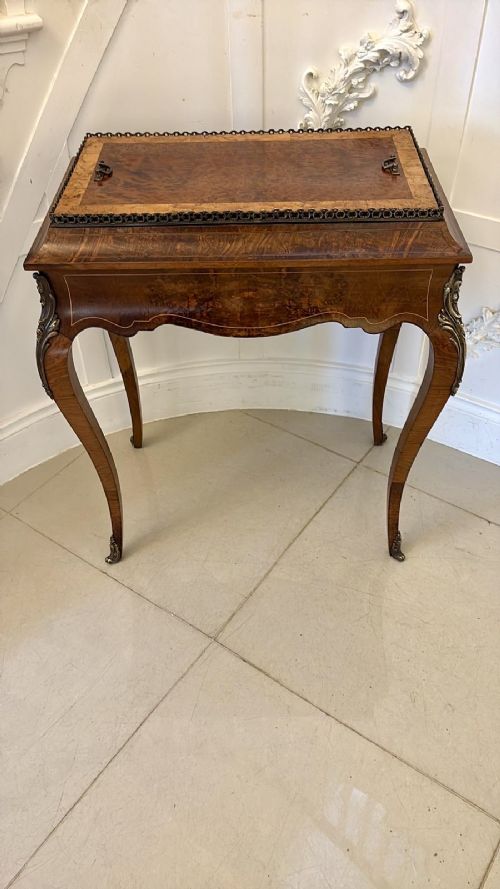


Carved Walnut Jardiniere
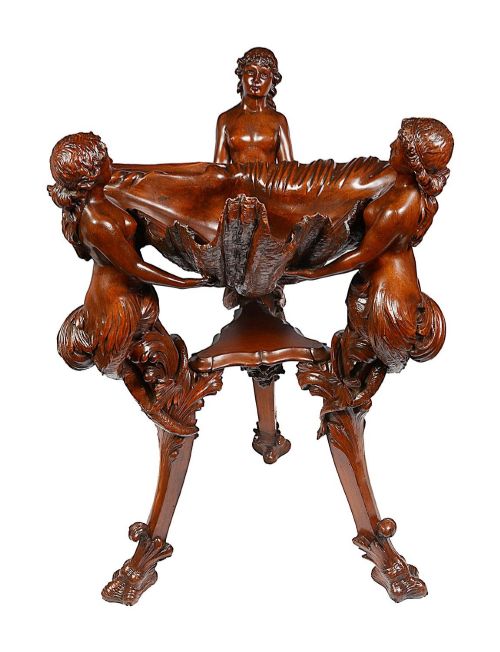
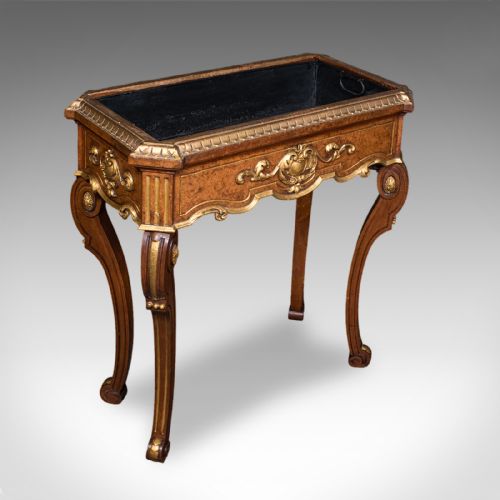
These carved walnut jardiniere pieces are substantial plant stands and tables designed to hold indoor flora, bringing architectural warmth and rich timber tones into a room.
Carved Walnut Jardiniere
A carved walnut jardiniere selection brings together plant stands, tall pedestals, and table forms fashioned from dark timber. You will most frequently encounter nineteenth-century French and English tables equipped with internal liners.
The objects serve as decorative furniture designed to elevate greenery within a domestic interior. Makers utilised the deep grain of walnut to shape decorative stands across periods spanning from the eighteenth century to the early twentieth century.
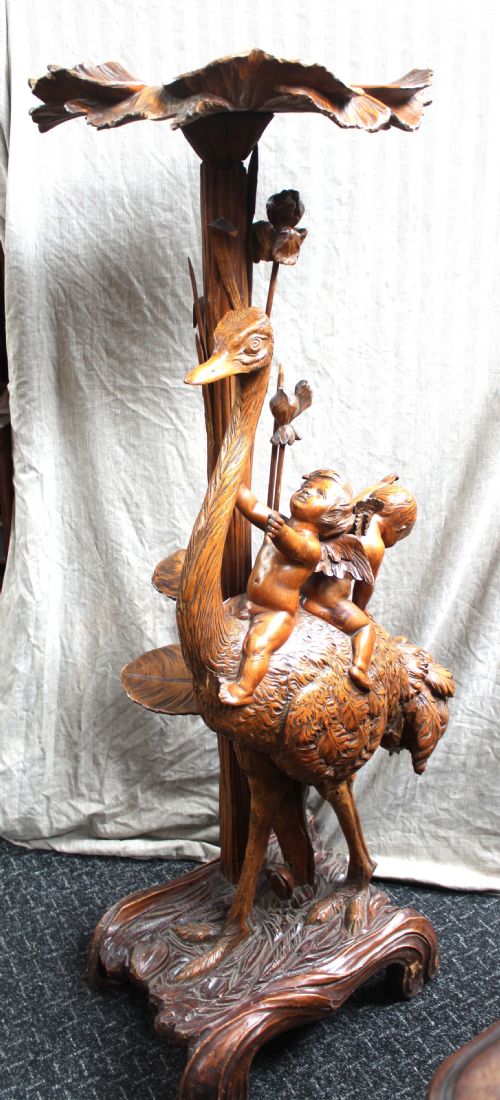
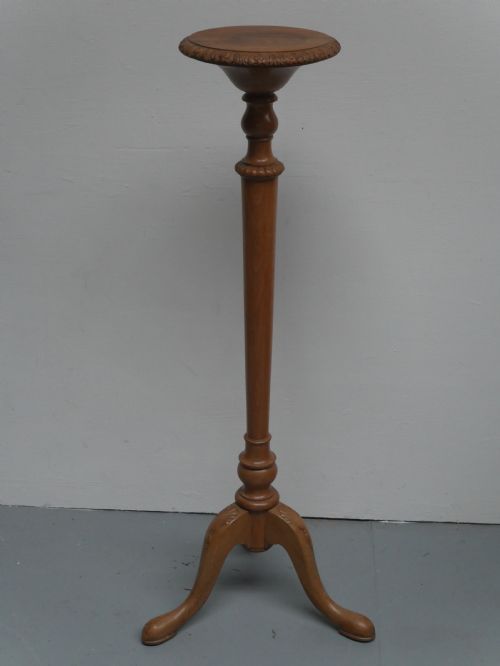
The form encompasses low planter tables alongside taller stands and wine coolers adapted for botanical displays. Pieces often incorporate carved details reflecting historical revivals such as French Rococo, Italian Renaissance, and Art Nouveau.
Materials and construction methods
Woodworkers selected solid walnut and burr walnut for the primary structure, applying hand carving to shape foliage, scrolls, and structural supports. Cabinetmakers turned timber for tall stems and sculpted cabriole legs to bear weight.
Carved Walnut Jardiniere Retail Price Guide 2026
Typical asking prices for carved walnut jardiniere among the pieces listed under this phrase on Sellingantiques today, from the lower quarter to the upper quarter. They describe what is for sale here now, not the wider market.
The documented styles range from Georgian and Regency through to Victorian, Art Nouveau, and French Rococo Revival.
Distinctions in craftsmanship
The depth and crispness of the hand carving separate standard production from superior examples. Finely articulated floral motifs and balanced proportions indicate skilled workmanship during the shaping of the walnut.
The presence of original fitted metal or porcelain liners alongside decorative mounts such as ormolu influences the completeness of an object. Selection of figured burr walnut veneers rather than plain timber elevates the visual richness of the surface.
The Carved Walnut Jardiniere Glossary
- Jardiniere
- An ornamental receptacle designed for holding flowers or plants. The term derives from the French word for gardener.
- Ormolu
- Gilded bronze applied as a decorative mount on furniture and decorative objects. It provides a metallic contrast to dark walnut timbers.
- Burr walnut
- Timber taken from the abnormal growth of a walnut tree, yielding complex, swirling grain patterns. Cabinetmakers prized this veneer for high-status surfaces.
- Rococo Revival
- A decorative style popular in the nineteenth century marked by asymmetrical scrolls, C-scrolls, and naturalistic shell motifs. It draws inspiration from earlier French court aesthetics.
- Black Forest
- A regional style of wood carving associated with the mountainous areas of Central Europe, often featuring naturalistic animal and plant forms. Pieces typically employ local timbers such as walnut and lime.
Carved Walnut Jardiniere: Frequently Asked Questions
What is a carved walnut jardiniere?
A carved walnut jardiniere is a decorative stand or table designed to display plants indoors. These pieces combine sculpted wooden frames with internal basins for holding soil and foliage.
Craftsmen built them across various historical periods, incorporating styles from French Rococo Revival to Art Nouveau. They function primarily as ornamental furniture for parlours and living spaces.
How were these stands used originally?
Victorians and earlier households used these stands to bring potted ferns and flowering plants directly into domestic rooms. The internal zinc or metal liners protected the wooden structure from water damage during watering.
Wealthy interiors utilised them as focal points in drawing rooms or hallways. They bridged the gap between functional garden accessories and refined interior decoration.
How do I care for a walnut planter?
Keep wooden surfaces away from direct sunlight and excessive moisture to preserve the walnut grain and carved details. Use protective saucers inside the metal or porcelain liners to prevent water leaks from reaching the timber.
Apply suitable wax polish periodically to maintain the lustre of the wood. Gentle dusting with a dry cloth keeps the carved ornamentation clear of debris.
How can I tell the period of a jardiniere?
Examine the decorative style and carving techniques to identify the era of production. Pieces featuring heavy scrolling and asymmetrical motifs often align with nineteenth-century revival movements.
Construction methods and the choice of secondary woods inside the frame also offer clues to age. Simpler structural lines or specific revival markers help distinguish Georgian examples from later Victorian or Edwardian pieces.