


Victorian Black Forest Stand
These carved wooden pieces bring eccentric nineteenth-century woodland character to an interior.
Victorian Black Forest Stand
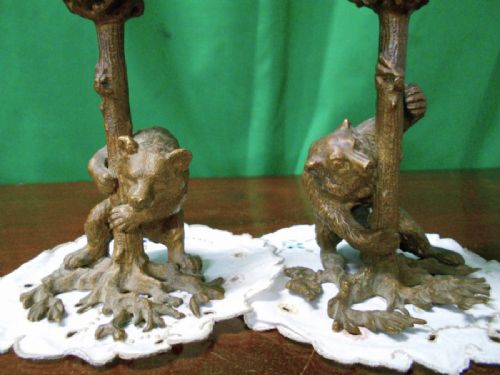
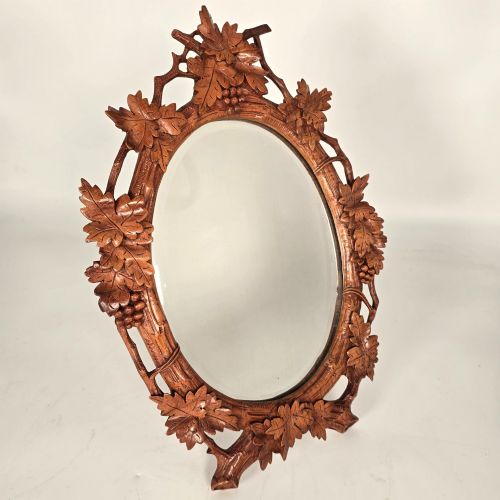
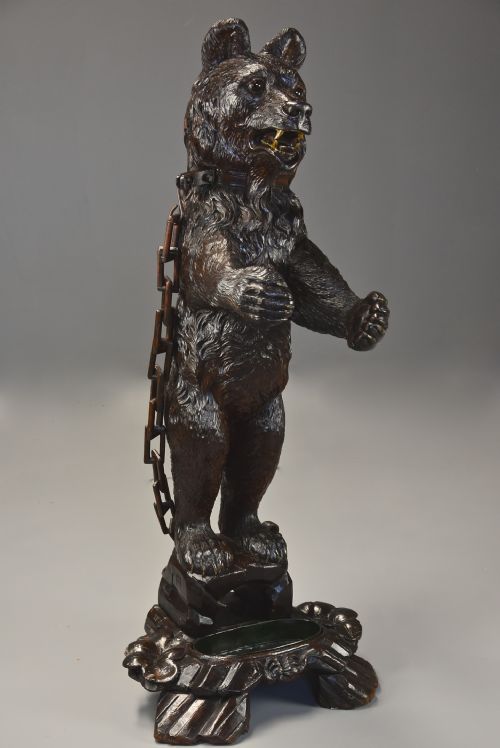
A victorian black forest stand encompasses functional hallway furniture and small desk pieces produced during the nineteenth century. Hall stands and stick or umbrella stands featuring carved bears form the majority of the larger items on this page. Smaller accessories such as inkwells, pocket watch stands and music stands also appear in the selection.
The objects originate primarily from the nineteenth century, spanning decades from eighteen sixty through to nineteen ten. Makers employed distinct styles including Victorian rustic, Renaissance revival and Gothic alongside traditional Black Forest carving. These pieces served practical domestic functions while showcasing elaborate naturalistic ornamentation.
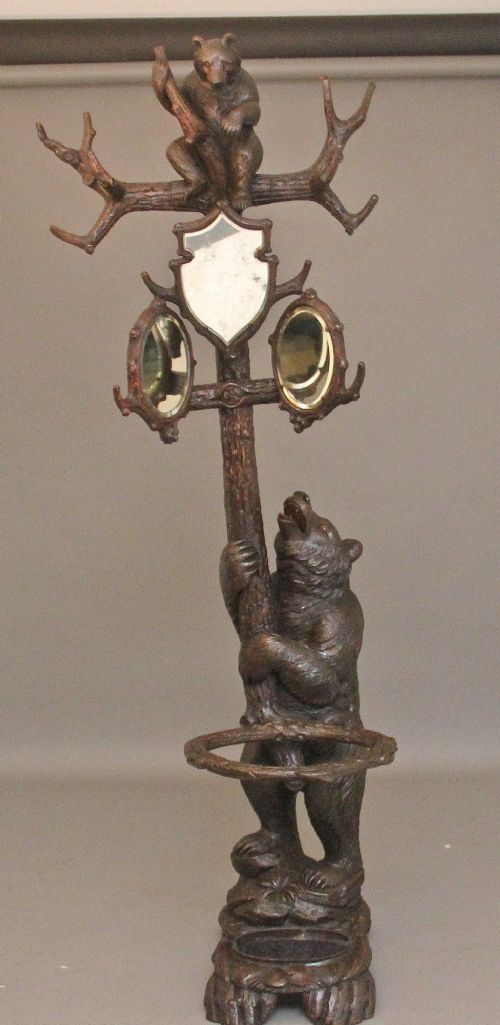
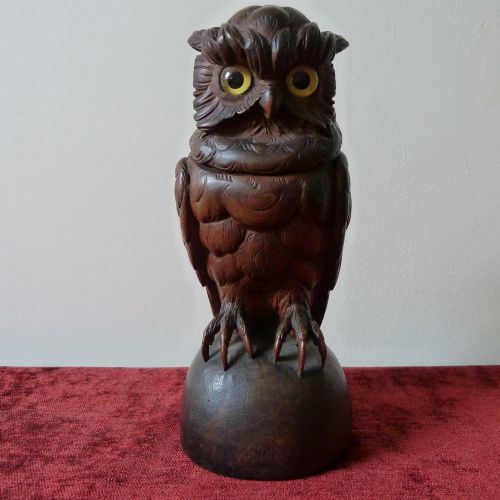
Larger hall stands typically integrate hooks for hats and coats with bases designed for umbrellas or walking sticks. Animal figures including bears, foxes, eagles, chamois goats and owls dominate the figural compositions. Oak and various softwoods provide the structural support for these complex carvings.
Evaluating the carving and composition
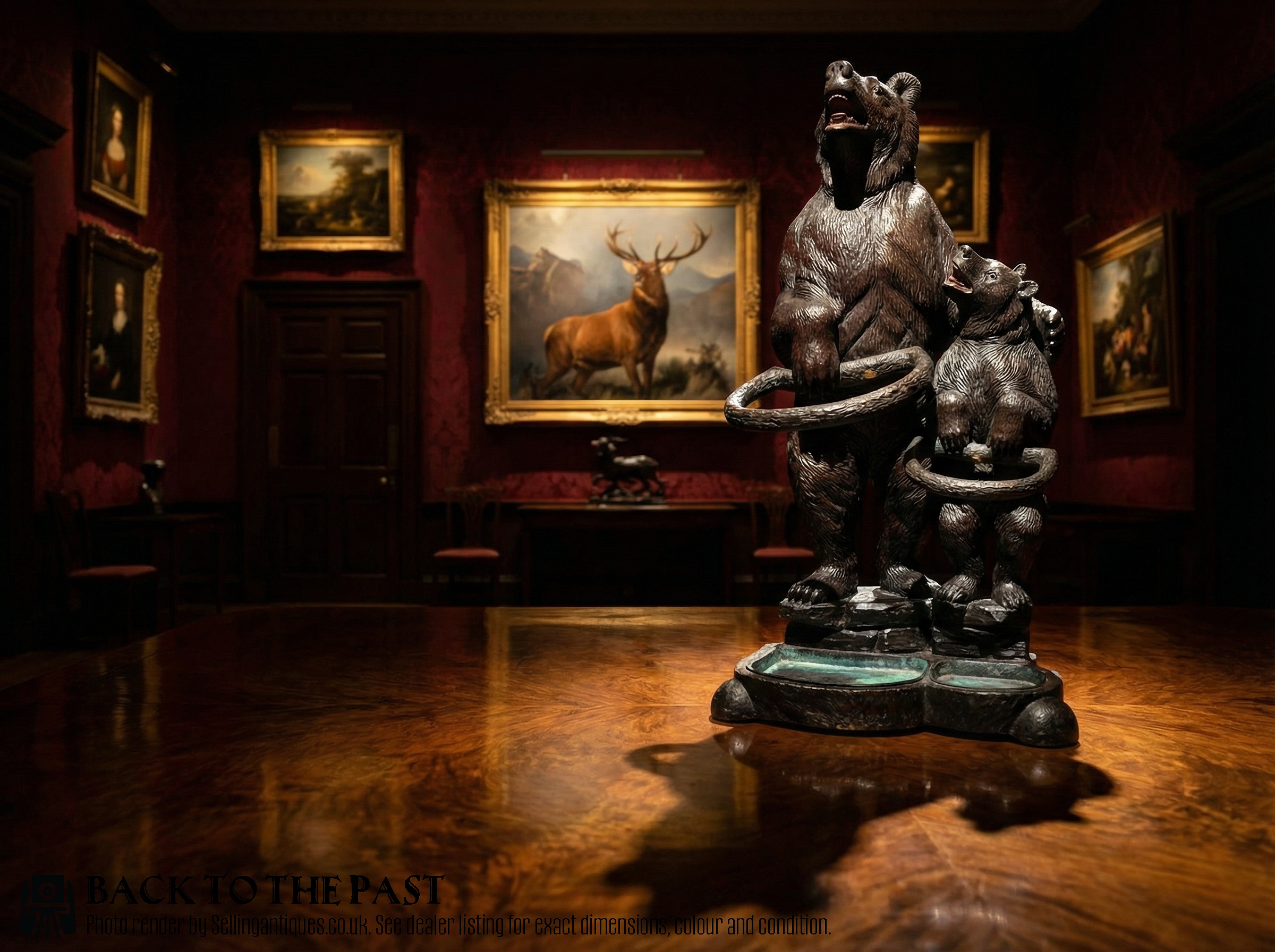
Quality rests in the depth, anatomical accuracy and expressiveness of the carving. Superior examples display meticulously rendered fur, lifelike animal expressions and dynamic poses rather than rigid or simplified forms. Exhibition quality items feature complex multi-figure arrangements, such as bears interacting with oak tree structures.
The scale and ambition of the design separate standard items from exceptional ones. Large hall stands with multiple functional elements command attention through balanced composition and ambitious architectural framing. Smaller novelty pieces achieve distinction through clever mechanical elements or unusual animal subjects like cats, dogs and foxes.
Listings feature items dated across the nineteenth century, including specific years like eighteen eighty, eighteen ninety and nineteen ten.
Beha·Maison F Mack
The Victorian Black Forest Stand Glossary
- Black Forest
- A style of wood carving originating from the Swiss and German mountain regions during the nineteenth century. It is characterised by naturalistic depictions of animals, particularly bears, and foliage.
- Stick Stand
- A piece of hall furniture designed to hold walking sticks and umbrellas upright. These often incorporate a drip pan at the base to catch moisture.
- Torchere
- A tall ornamental stand or candlestick designed to support a light source or decorative object. In this category, they frequently incorporate carved figures or animal motifs.
- Linden Wood
- A pale, fine-grained timber favoured by nineteenth-century carvers for its cooperative nature under chisels. It allows for smooth curves and crisp surface detail.
- Inkwell
- A small desk accessory designed to hold liquid ink for writing. Black Forest versions frequently take figural animal forms with hinged lids.
Victorian Black Forest Stand: Frequently Asked Questions
What is a Black Forest hall stand?
A Black Forest hall stand is a nineteenth-century piece of hallway furniture decorated with elaborate carved animals and natural motifs. They typically combine coat hooks, umbrella holders and mirrors into a single functional unit.
Bears are the most common figural subject encountered on these stands, often depicted climbing tree trunks or framing the mirror. These items served as both practical furniture and dramatic decorative statements in Victorian homes.
How do I care for carved wood?
Carved wooden stands require stable indoor humidity and protection from direct sunlight to prevent the timber from splitting. Regular dusting with a soft, dry brush keeps the crevices of the intricate carvings clean.
Avoid applying modern liquid furniture polishes, which can build up within the detailed recesses of the carving over time. A microfibre cloth or natural bristle brush is usually sufficient for routine maintenance.
Are these pieces Swiss or German?
Nineteenth-century Black Forest carvings were produced across the mountainous border regions of Switzerland and south Germany. Both areas shared woodcarving traditions that supplied the Victorian export market.
Distinguishing between Swiss and German workshops is often difficult without a signature or stamp, as artisans in both regions utilised lime and linden wood to create similar animal sculptures.
How were these stands used originally?
Hall stands provided a designated space in the entrance hall for visitors and residents to leave outerwear, hats and walking sticks. Smaller desk stands managed writing implements and stationery in studies or libraries.
Novelty items like pocket watch stands and musical portfolio holders catered to Victorian organisation habits in bedrooms and drawing rooms.