


Antique Hall Stick Stand
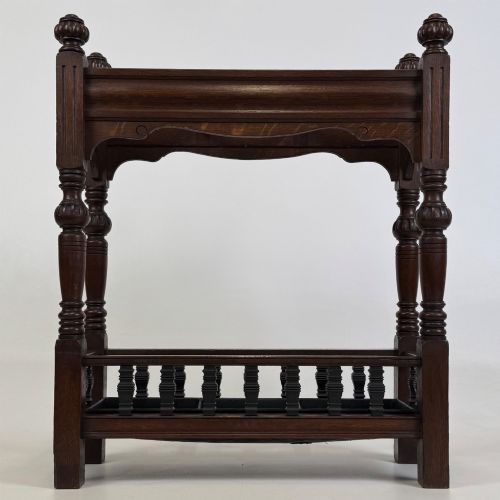
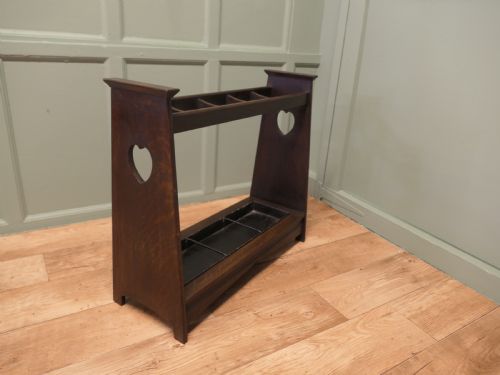
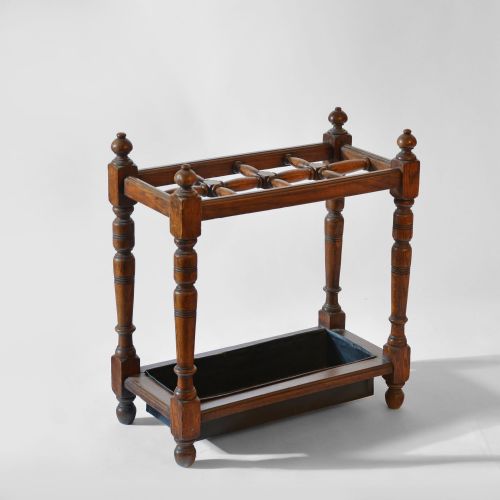
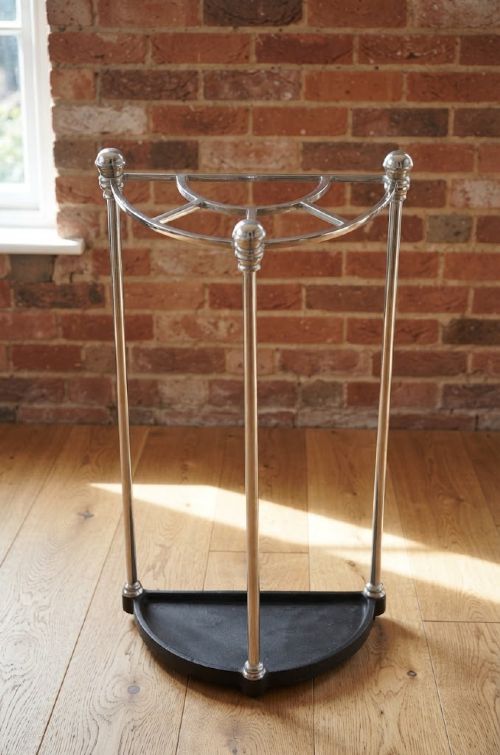
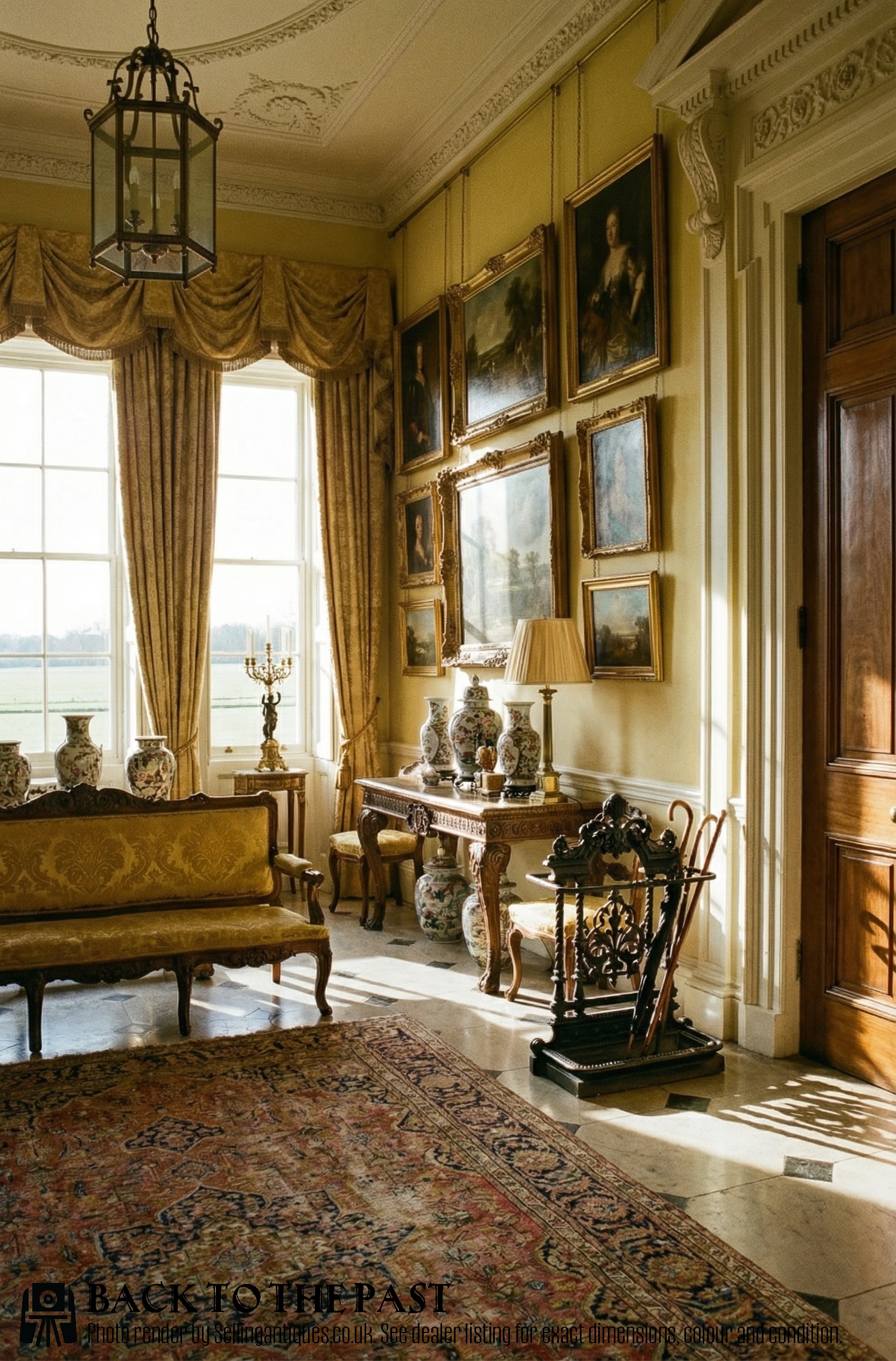
An antique hall stick stand organises walking canes and umbrellas near the entrance while anchoring the hallway with period character.
What an antique hall stick stand is
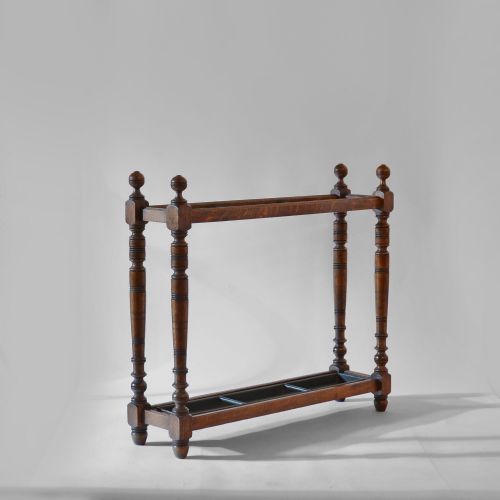
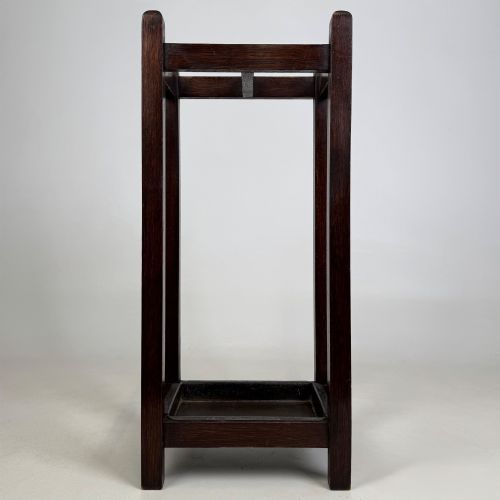
When you search for an antique hall stick stand, you encounter pieces designed to hold umbrellas, walking canes and coats in entranceways. These items span Victorian, Edwardian, and George V periods, originating from English, French, Scottish, and German workshops.
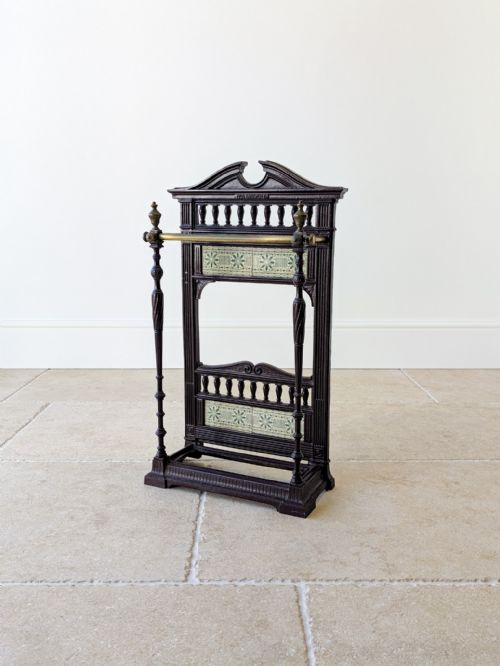
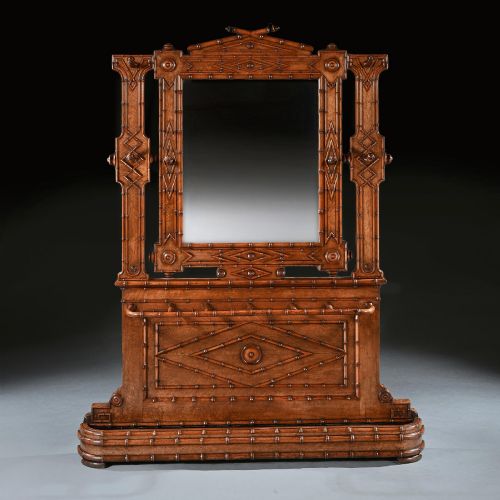
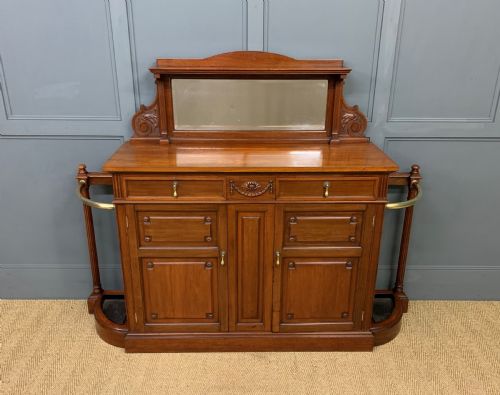
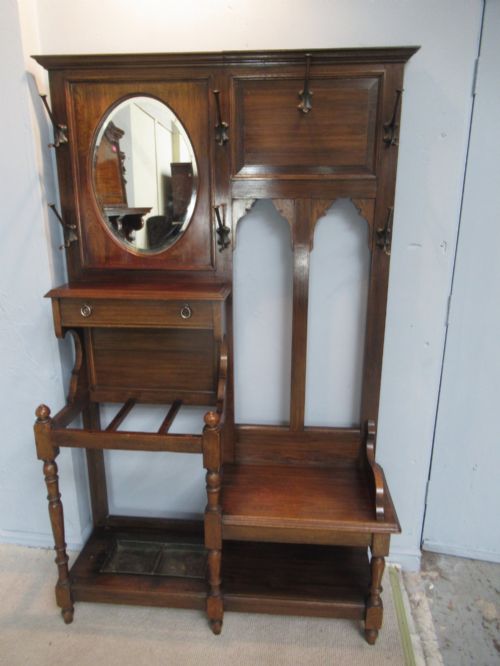
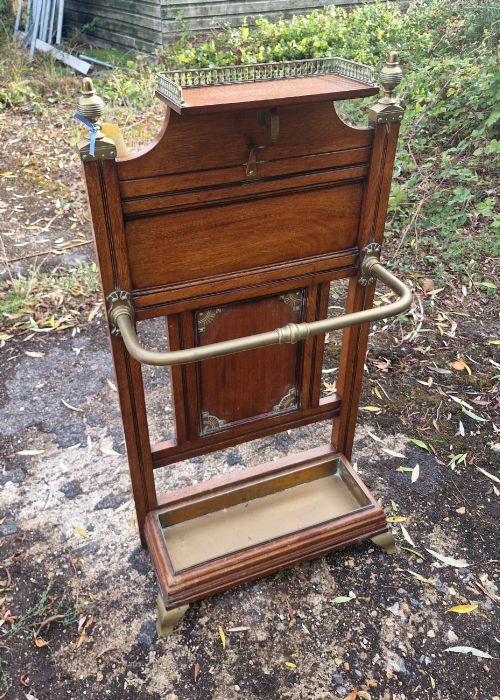
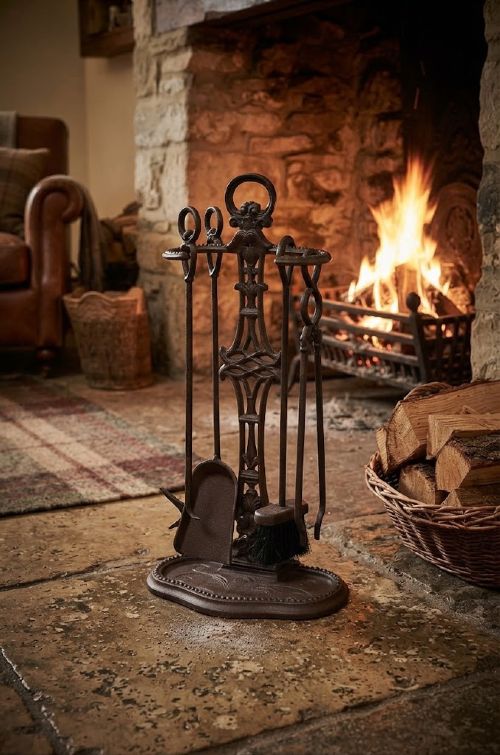
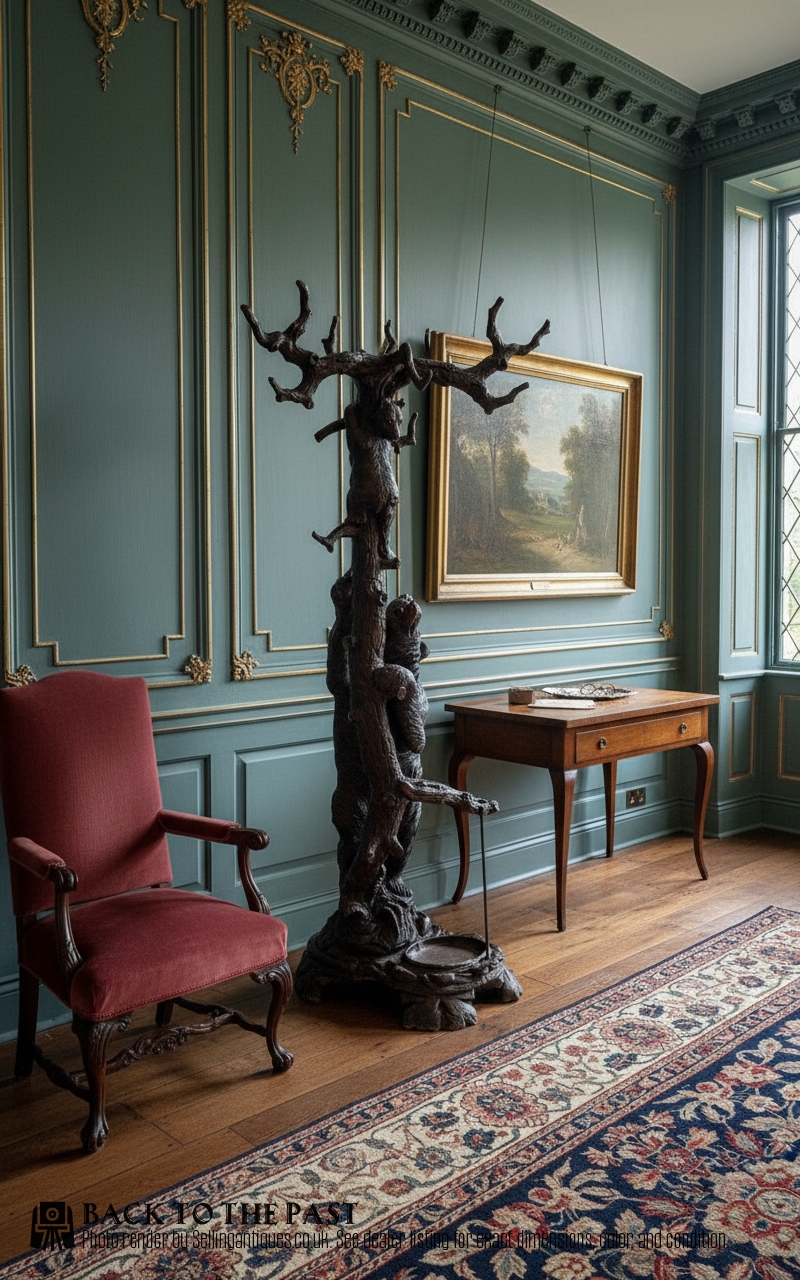
The most common forms on this page include segmented brass umbrella racks, coopered oak barrels secured with metal bands, and heavy cast iron frameworks. Larger examples combine coat hooks and hat racks with the central stick holder, forming substantial hall furniture.
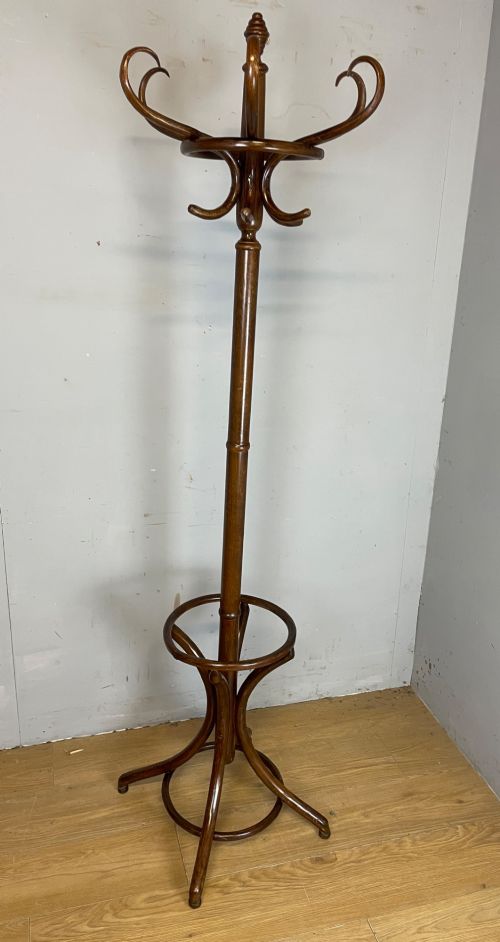
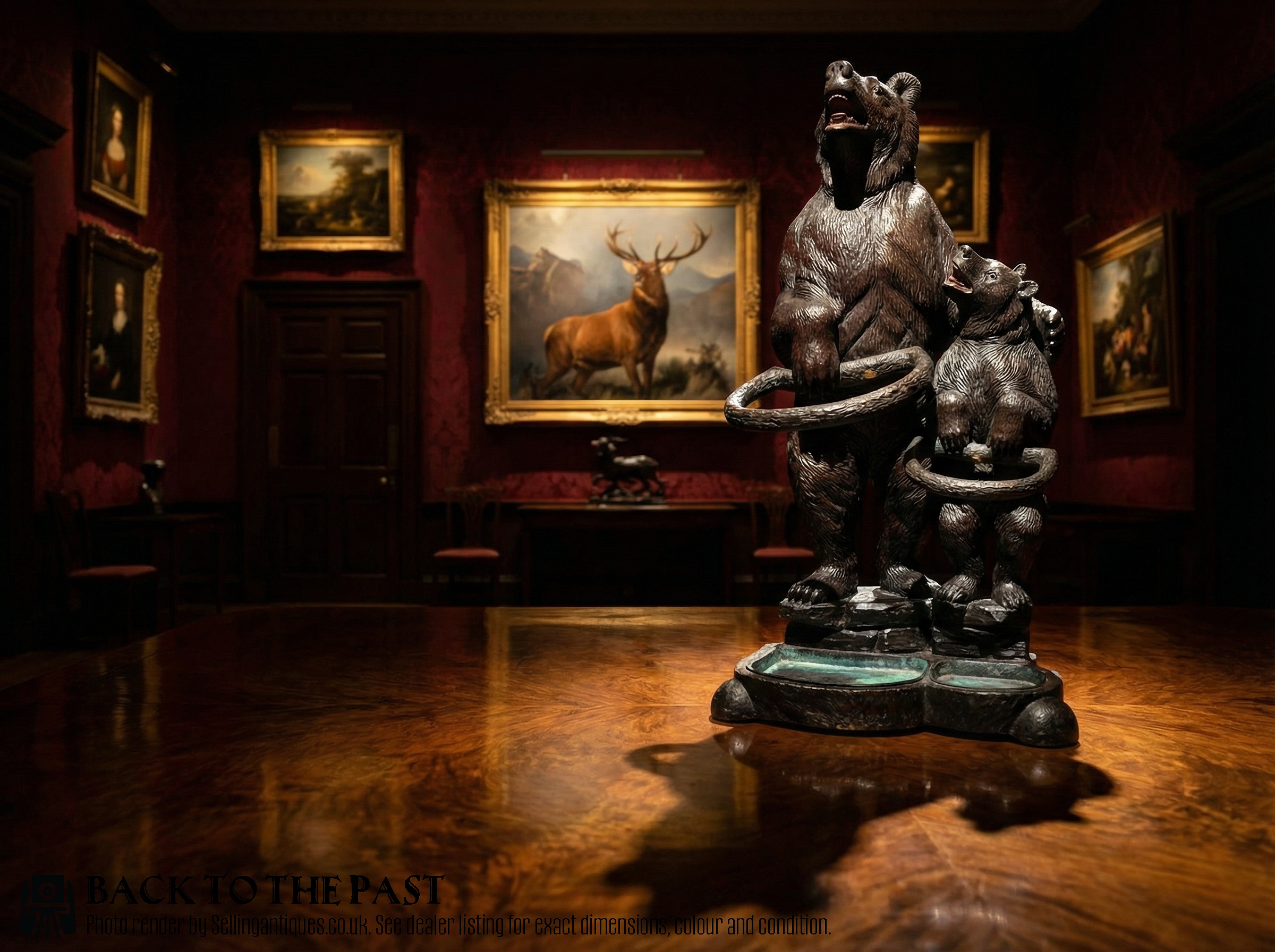
Black Forest carvings in lindenwood and carved wood introduce elaborate animal forms, such as bears holding vessels. Other variants incorporate bentwood beech or mahogany, reflecting aesthetic styles from French Art Nouveau to Arts and Crafts designs.
Materials and construction methods
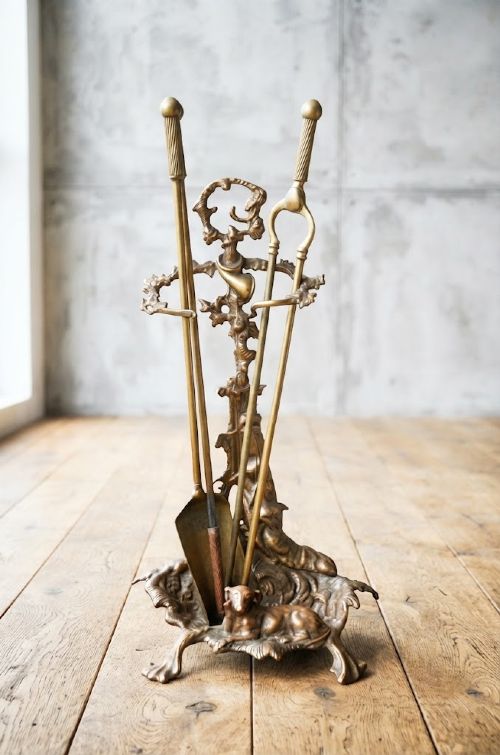
Maker construction methods rely heavily on coopered oak staves bound with brass or metal hoops, mirroring traditional barrel-making techniques. Cast iron and bronze components are moulded into open frameworks or decorative foliage patterns to withstand damp umbrella tips.
Carved pieces utilise solid oak, teak, mahogany, and lindenwood, shaped with hand-chiselled details like the iconic Black Forest bear figures. Bentwood furniture utilises steamed beech curved into rounded demi-lune frameworks to support combined coat and stick arrangements.
Retail Price Guide 2026
Typical UK retail prices for hall stick stand, calculated from the Sellingantiques database of over a million retail prices indexed since 2003. This retail price guide relies exclusively on Sellingantiques data; no external sources or auction records are used, so the figures do not describe the wider market.
Carved wooden bears routinely double as sturdy footmen for your wet walking sticks.
Distinctions in quality and execution
Quality reveals itself in the integrity of the original drip pans, the tightness of coopered oak staves, and the crispness of hand-carved details. Cast iron examples depend on the depth of the foundry moulding and the retention of original painted finishes.
The sophistication of metalwork, such as heavy turned brass divisions or bespoke bronze Art Nouveau castings, separates standard utility items from exhibition-grade pieces. Maker attribution, particularly pieces associated with Liberty or Coalbrookdale designs, elevates the stature of the work.
Liberty and Co·Coalbrookdale
The Antique Hall Stick Stand Glossary
- Coopered
- Constructed from wooden staves fitted together side-by-side and bound with metal hoops, much like a barrel. This technique prevents splitting when exposed to damp umbrella bases.
- Demi-lune
- A half-moon shape characteristic of hall furniture designed to sit flush against an entrance wall. These pieces maximise floor space in narrow corridors.
- Arts and Crafts
- A design movement favouring hand-craftsmanship, visible construction methods, and honest materials like oak and brass. It often manifests in simplified functional hallway stands.
- Black Forest
- A regional wood-carving style originating from central Europe, famous for realistic animal sculptures. Bears holding logs or trays frequently form the structure of these stick stands.
- Segmented
- Divided into individual compartments by metal rails or wooden grids. This layout keeps wet umbrellas separate and upright.
Frequently Asked Questions
What is a coopered stick stand?
A coopered stick stand utilises curved wooden staves bound together with metal bands, mirroring the traditional construction of drinking casks and barrels.
This method ensures the wood withstands moisture from wet umbrellas without warping or splitting apart at the joints.
How do I protect the floor from water?
Most antique stands feature a metal drip pan or tray positioned beneath the divisions to catch residual water from wet umbrellas.
Original removable pans help prevent interior rot and protect wooden hallway flooring from moisture damage.
How do I distinguish oak from bentwood?
Solid oak furniture uses joined rectilinear boards and heavy turned framing, often displaying distinct medullary wood rays.
Bentwood relies on steamed beech heated and curved into smooth, rounded profiles for lighter hall arrangements.