


Carved Wooden Planter Stand
A carved wooden planter stand brings organic texture and architectural height to any room, holding potted greenery or floral arrangements with understated grace.
Carved Wooden Planter Stand
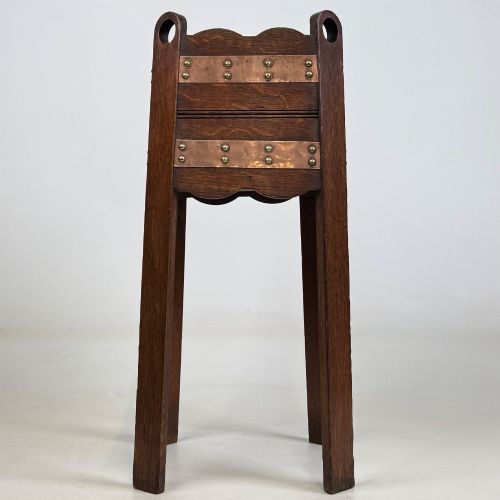
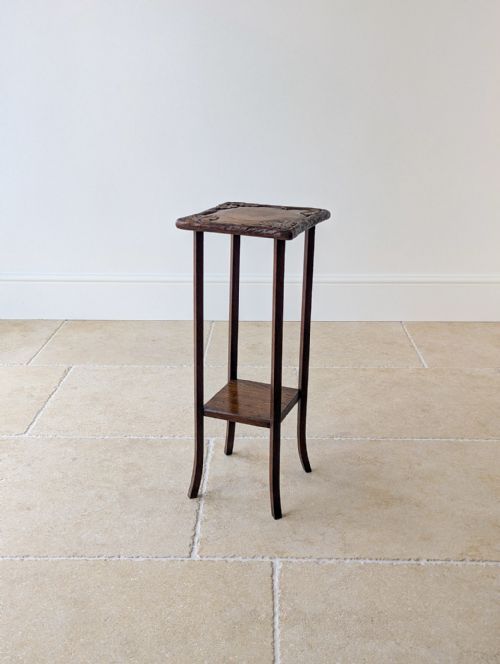
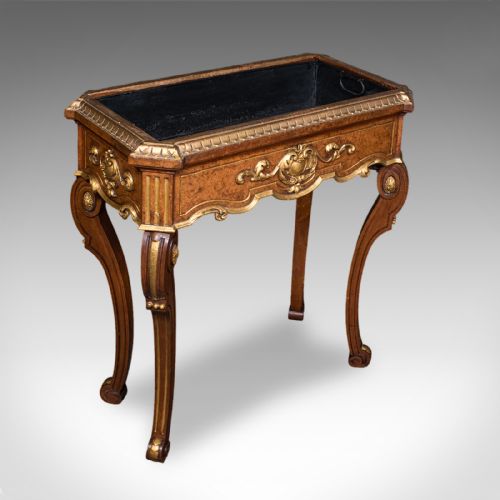
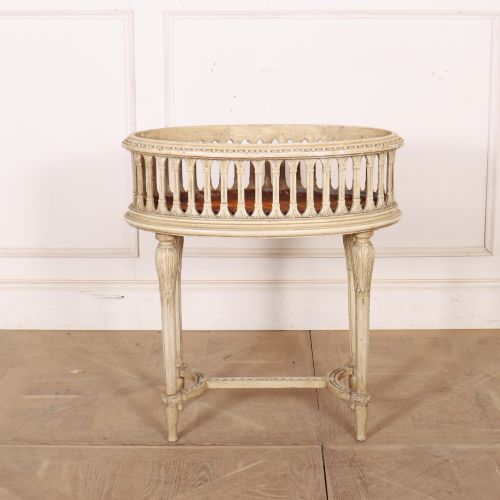
A carved wooden planter stand serves as a dedicated plinth or container for botanical displays, elevating plants to catch the light and command attention in a room. Buyers searching for a carved wooden planter stand encounter various configurations, from simple tripod pedestals and torchere columns to elaborate jardiniere tables fitted with metal liners.
The pieces available span multiple periods including the Victorian era, the Edwardian period, and the Regency style, alongside specific regional interpretations like Chinese Export and Japanese Meiji works. Oak, walnut, and mahogany form the structural backbone of these objects, shaped during periods stretching from the eighteenth century into the twentieth century.
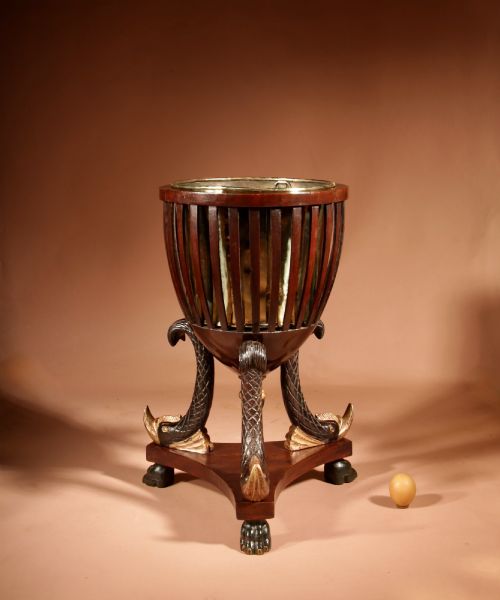
Domestic English examples sit alongside continental French Empire designs and oriental pieces featuring intricate floral or animal motifs. The selection encompasses two-tier plant stands, wine coolers adapted for botanical use, and low bonsai display stands carved from hardwoods.
Discerning quality in construction and carving
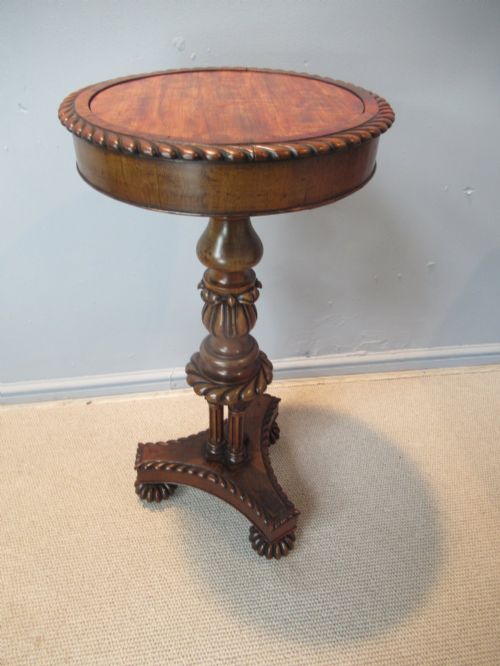
The distinction between standard utility items and finer examples rests upon the depth, crispness, and execution of the hand-carved ornamentation. Superior pieces exhibit confident shaping in the cabriole legs, fluted columns, or figurative motifs, whereas lesser examples rely on flat surface decoration or machine milling.
Construction methods also dictate standard; robust joinery, well-fitted internal metal liners, and tightly coopered staves separate resilient furnishings from fragile ones. The choice of timber grain, the retention of original surface patination, and the integration of secondary materials like marble or brass determine the standing of each piece.
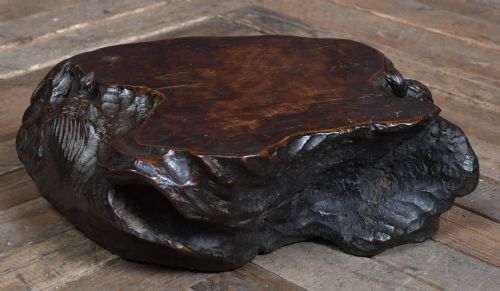
A Japanese carved turtle waits patiently beneath a bonsai tree.
The Carved Wooden Planter Stand Glossary
- Jardiniere
- An ornamental pot or stand for holding plants or flowers. These items often feature dedicated waterproof liners made of metal or zinc.
- Torchere
- A tall, slender stand originally designed to hold a candle or torch, later adapted to support plant pots and lamps.
- Coopered
- Constructed from wooden staves bound together with metal hoops, a technique borrowed from barrel-making and utilised for wet planter buckets.
- Barley twist
- A type of turned wooden column resembling a spiralling rope or barley sugar stick, common in seventeenth- and nineteenth-century furniture.
- Bonsai stand
- A low, decorative table or pedestal traditionally carved from dense hardwood to display potted miniature trees.
Carved Wooden Planter Stand: Frequently Asked Questions
What is a planter stand used for?
These pieces elevate potted plants, ferns, or floral arrangements off the floor to display them effectively within domestic interiors.
Historically, they also functioned as wine coolers or decorative jardinieres to protect interior surfaces from moisture.
How do I protect the wood from water?
Many traditional stands incorporate original metal, zinc, or lead liners designed to hold moisture away from the surrounding wooden structure.
Using a waterproof saucer inside the container ensures the timber avoids direct contact with damp soil and water runoff.
How do I date a wooden planter stand?
Dating relies upon identifying the prevailing style, such as Regency curves, Arts and Crafts simplicity, or French Rococo revival ornamentation.
Examining the timber species, construction joinery methods, and tool marks underneath or inside the piece further clarifies its period.