

Antique Gateleg Side Table
An antique gateleg side table offers clever folding architecture and warm timber surfaces, bringing adaptable utility to compact rooms.

Antique Gateleg Side Table
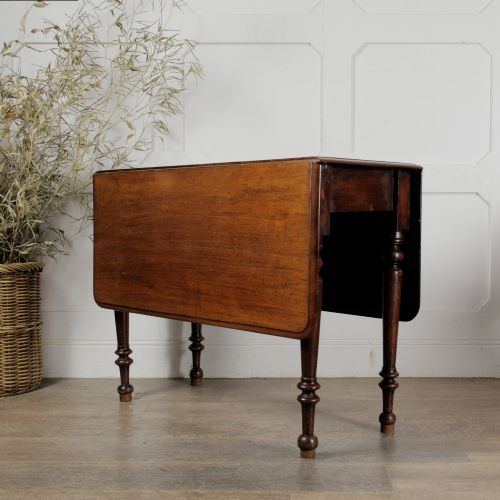
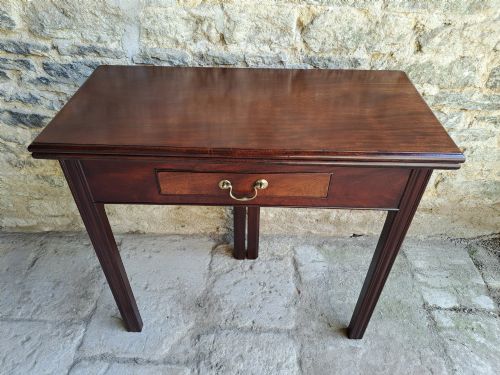
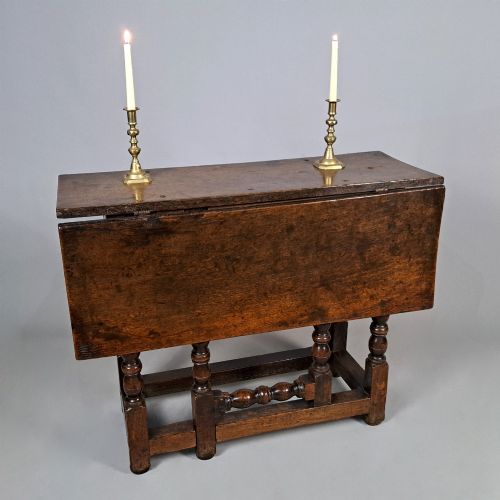
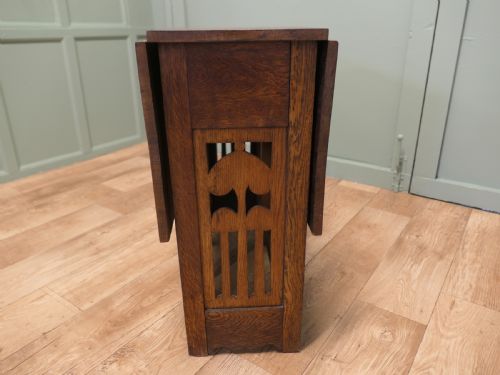
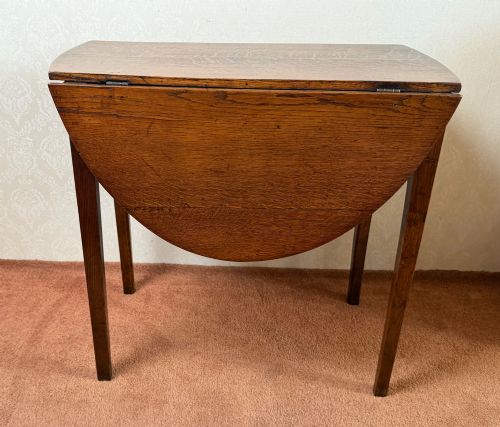
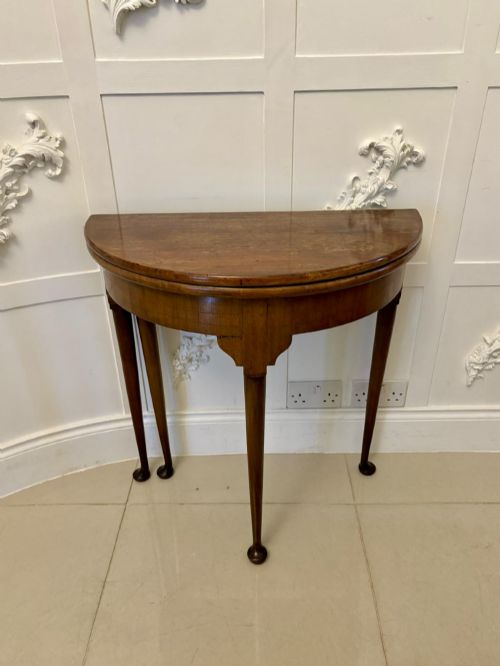
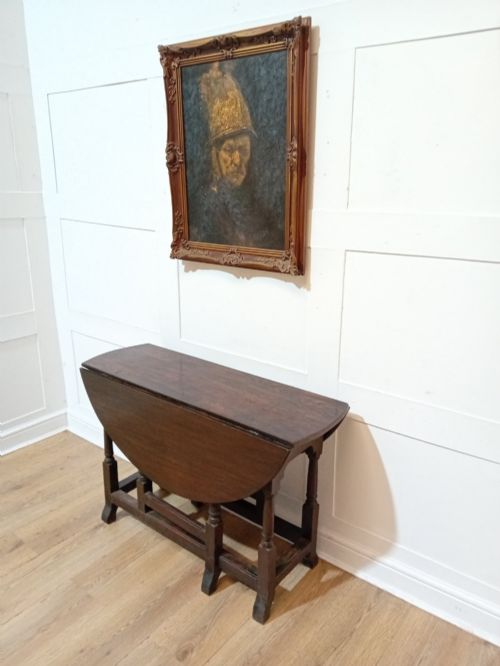
When you search for an antique gateleg side table, you encounter timber drop-leaf furniture designed to expand when needed and fold flat against a wall. The selections span from the seventeenth century through the Georgian, Victorian, and Edwardian eras.
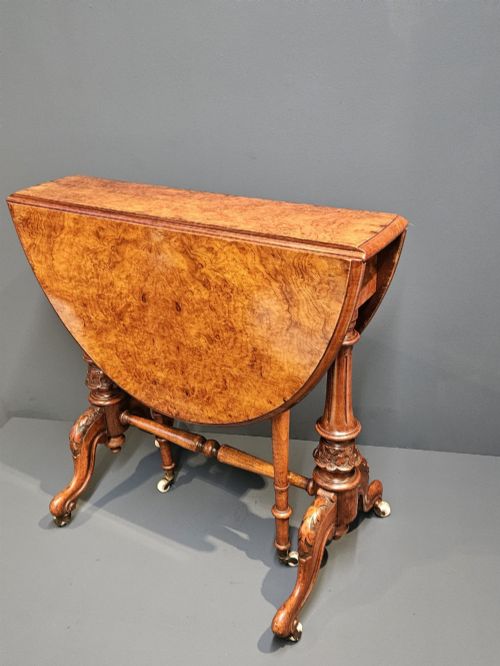
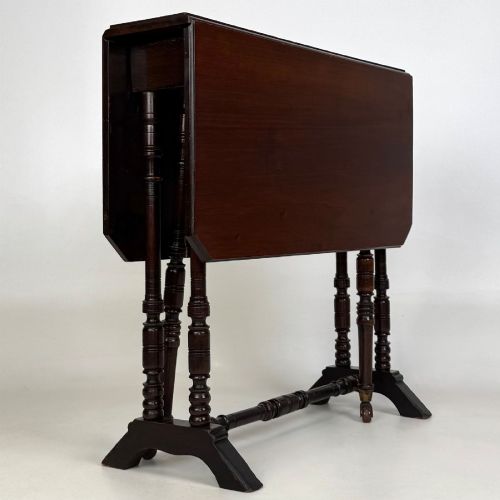
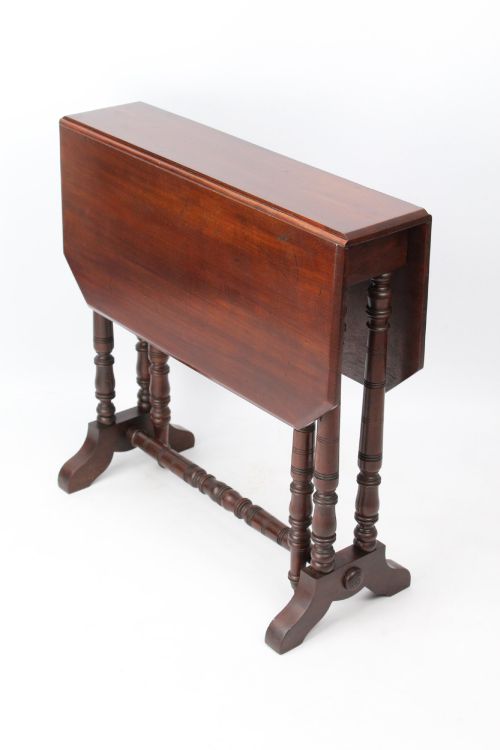
Early examples rely heavily on sturdy oak construction with pivoted legs supporting swinging leaves, while later nineteenth-century iterations often employ walnut, burr walnut, and mahogany in slimmer formats like the Sutherland table.
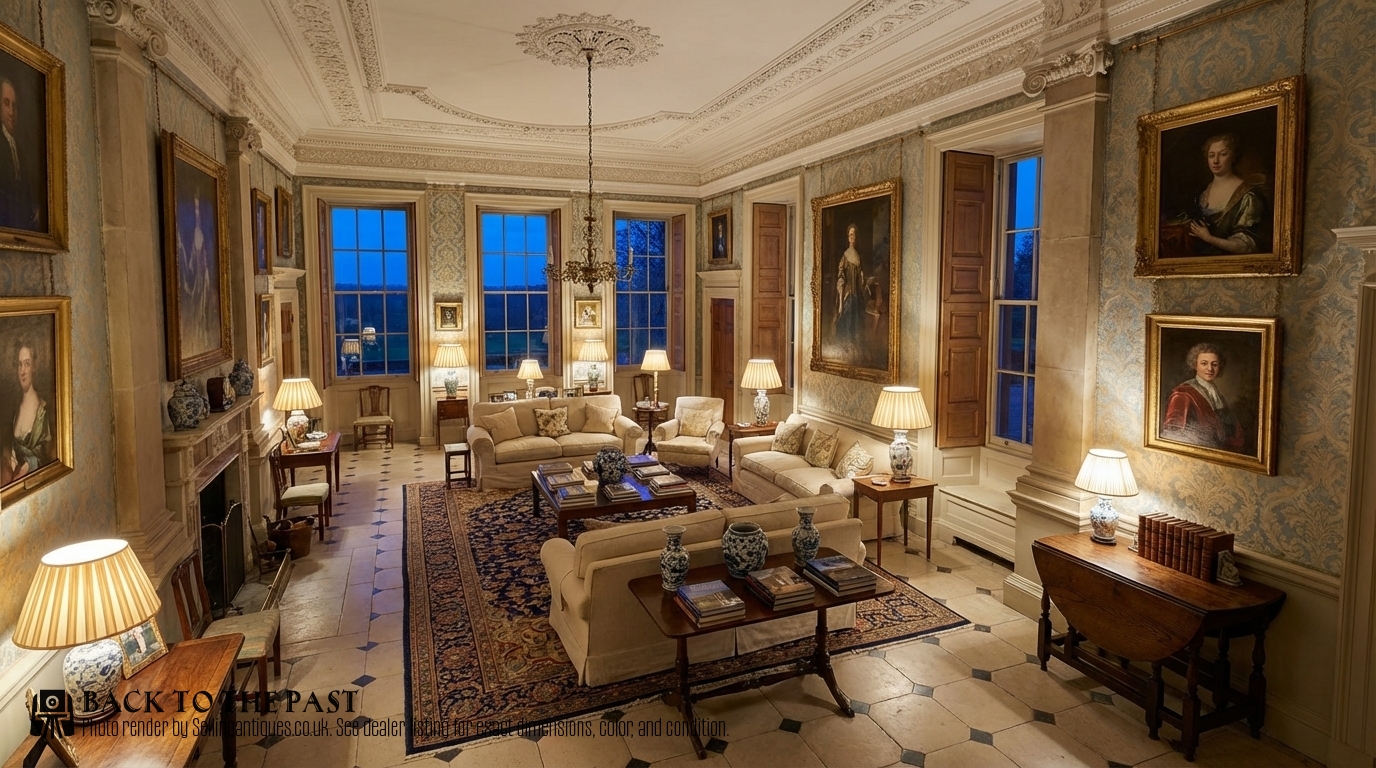
Quality factors
The distinction between average and exceptional pieces rests in the integrity of the timber, the crispness of the turning on the legs, and the survival of original hinges and surface finishes. Tables retaining their early patinas and unblemished structural joints command greater attention from collectors.
Proportions also dictate desirability, as smaller formats designed for compact spaces demonstrate superior joinery to accommodate functional movement within a reduced scale.
Antique Gateleg Side Table Retail Price Guide 2026
Typical asking prices for gateleg side table among the pieces listed under this phrase on Sellingantiques today, from the lower quarter to the upper quarter. They describe what is for sale here now, not the wider market.
The Antique Gateleg Side Table Glossary
- Gateleg table
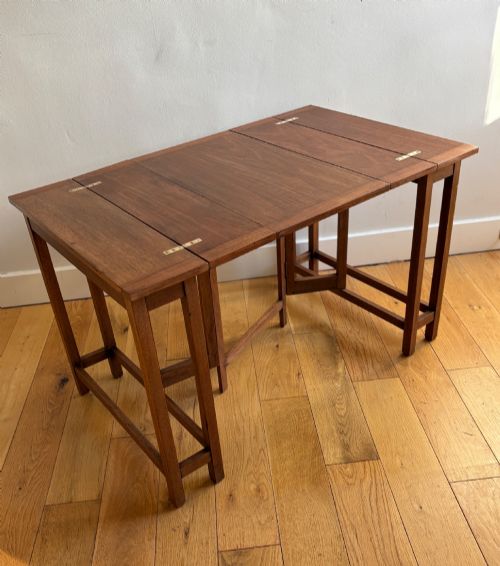
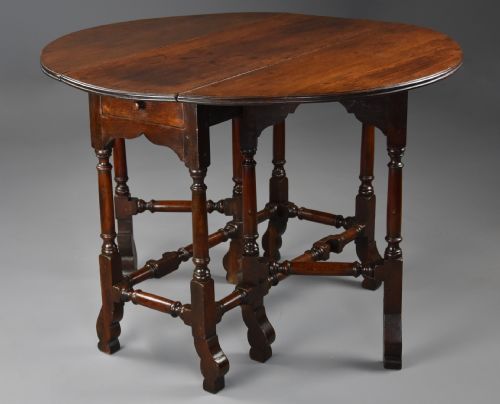
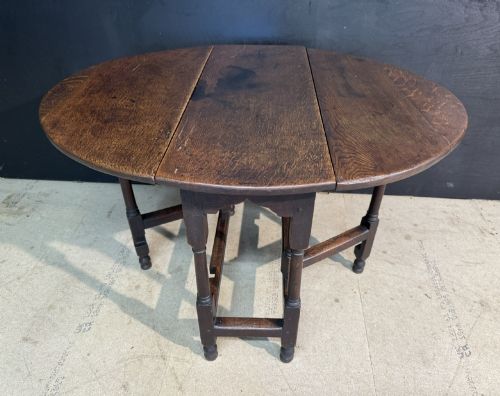
- A drop-leaf table featuring hinged legs that swing outward on gates to support the folded leaves when raised. This design provides a large surface area that collapses into a narrow profile.
- Sutherland table
- A slender drop-leaf table originating in the Victorian period with very narrow leaves and a high clearance when folded. It typically rests on castors and uses pivoted gate supports.
- Barley twist
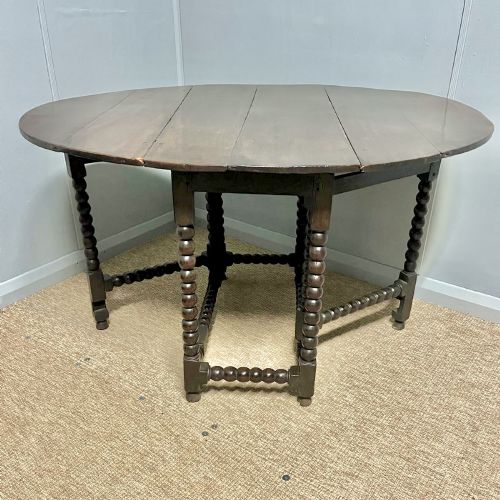
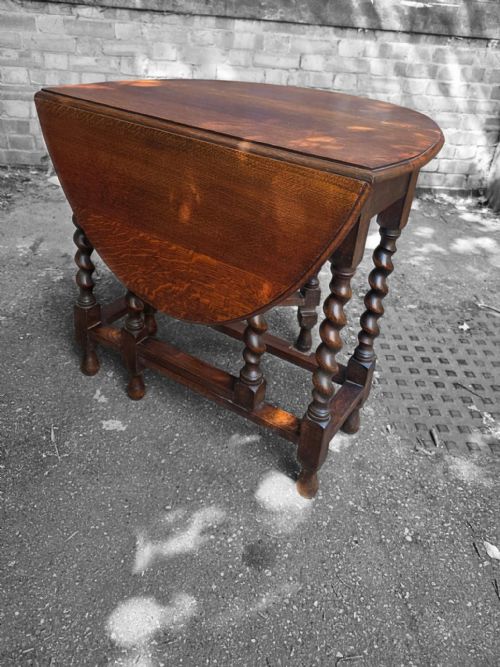
- A type of woodturning shaped like a helix resembling a twisted rope, commonly found on seventeenth-century and revival furniture legs. It adds sculptural texture to the vertical supports.
- Patina
- The deep, lustrous surface sheen developed on timber over decades or centuries of use, exposure to light, and polishing. It serves as an indicator of age and careful maintenance.
- Drop-leaf table
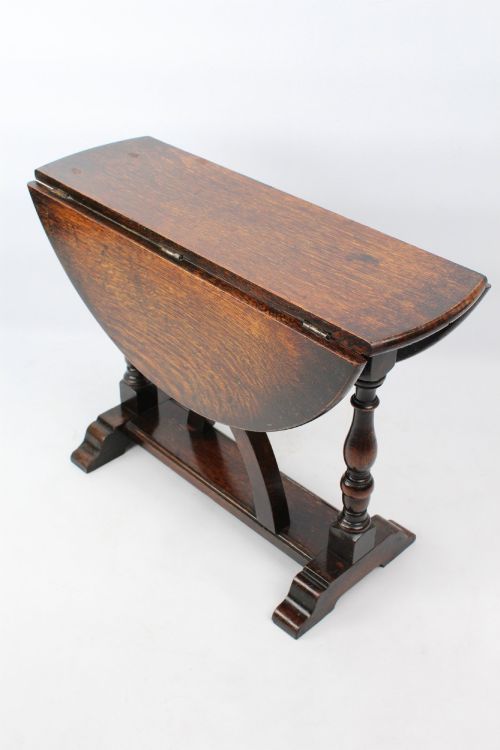
- Any table constructed with a fixed central section and hinged flaps on either side that can be raised or lowered. This mechanism allows the furniture to adapt to varying spatial requirements.
Antique Gateleg Side Table: Frequently Asked Questions
How do I date an oak gateleg table?
Dating relies on examining the timber species, turning styles on the legs, and the construction of the hinges and joints. Seventeenth-century versions often feature heavy oak frames and bobbin or baluster turnings.
Later nineteenth-century iterations favour lighter woods like walnut and employ slender legs with castors, reflecting changing domestic interiors.
How were these tables used historically?
Historically, these versatile tables served dual purposes for dining, writing, or tea service in parlours and halls. Their folding leaves allowed households to clear floor space quickly in smaller rooms.
They functioned as portable furniture that could be moved against walls or shifted between chambers depending on daily domestic activities.
Where should I place a drop leaf table?
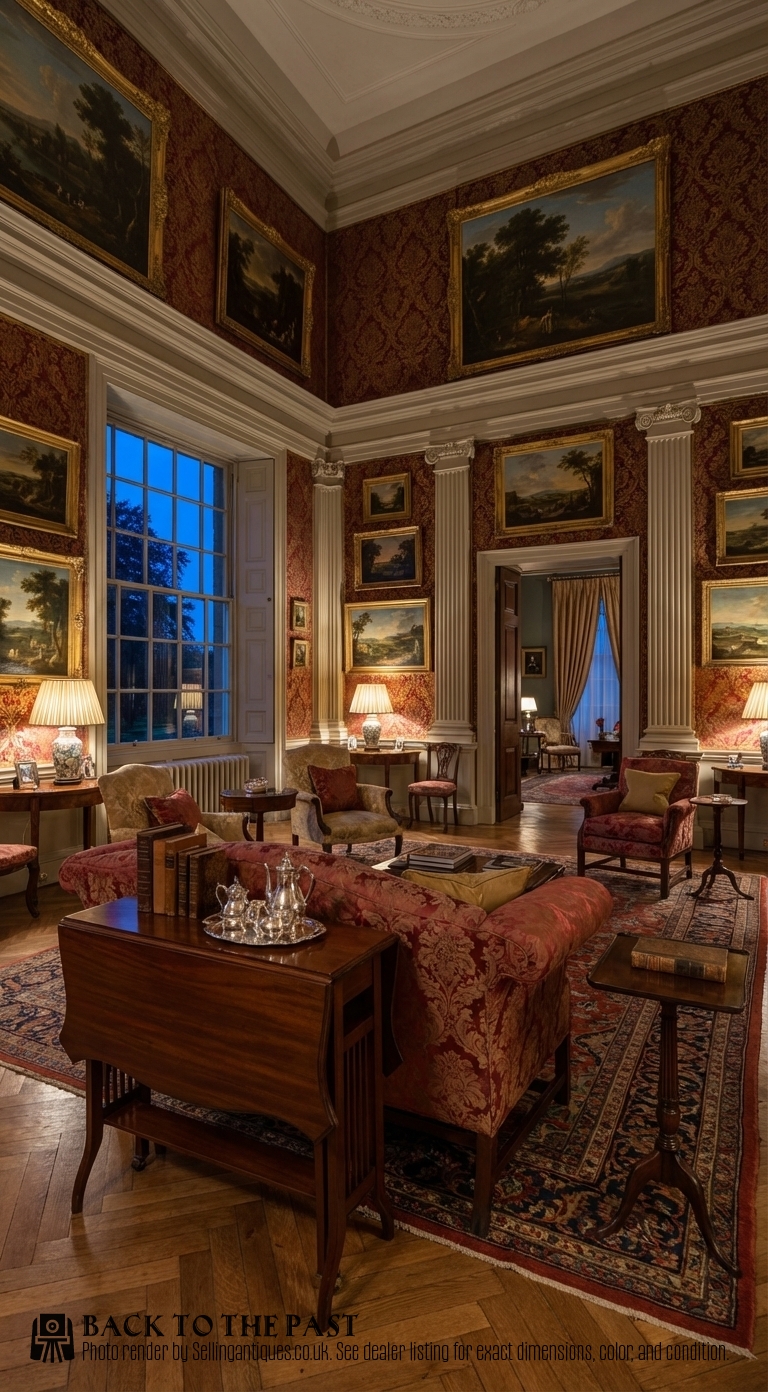
These tables fit well in narrow hallways, living rooms, or behind sofas where surface space is needed without blocking walkways. With one leaf dropped against a wall, they act as functional side tables.
Fully opened, they accommodate occasional dining or display purposes before folding back down to a slim profile.