



Antique Oak Card Table
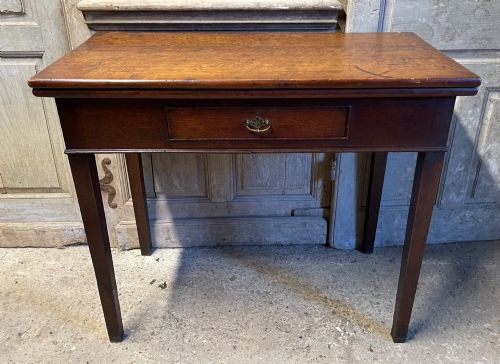
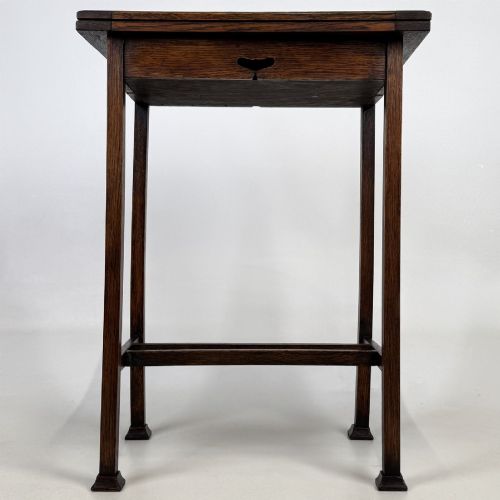
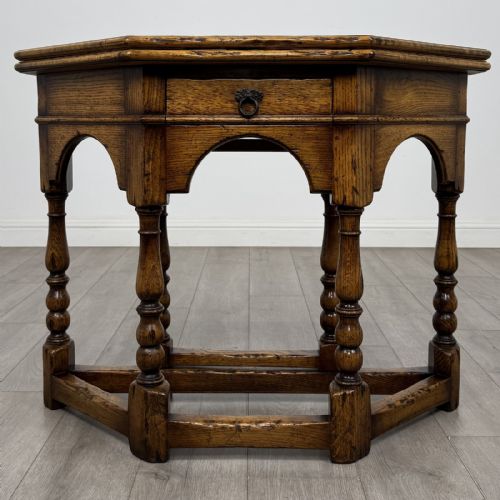
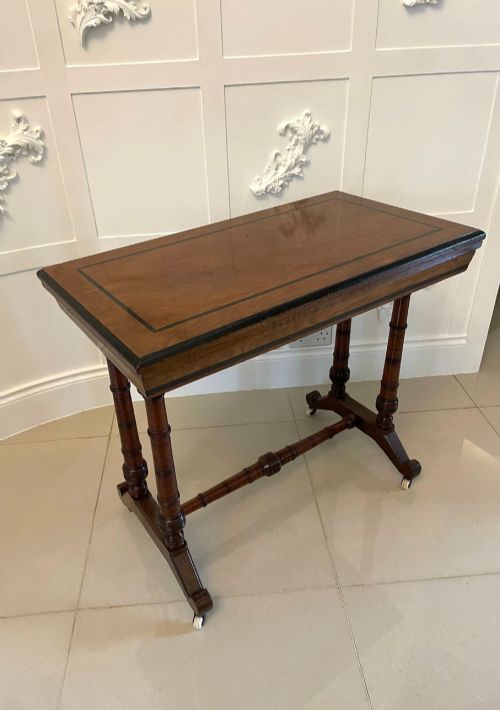
An antique oak card table combines clever folding mechanics with sturdy timber, offering a functional centrepiece for any room.
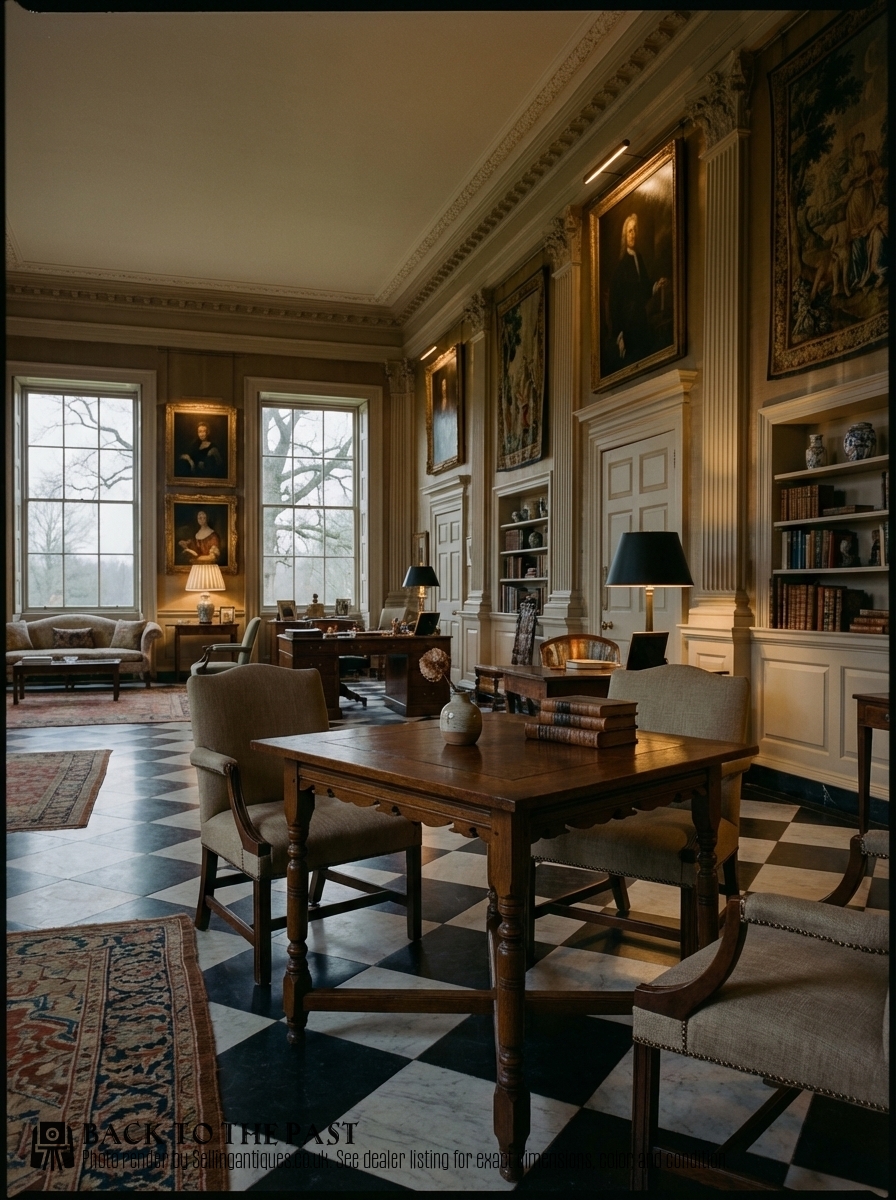
Antique Oak Card Table
When you search for an antique oak card table, you encounter practical items designed for parlour games, dining, or tea. These pieces span the Victorian, Edwardian, and Regency periods, featuring styles such as Arts and Crafts, Aesthetic Movement, and George IV.
Origins range across the nineteenth and early twentieth centuries, capturing shifts in domestic leisure from formal drawing rooms to casual family gatherings. You meet pieces with specific regional attributions, including Manchester School craftsmanship and work associated with known makers.
How they were made
Cabinet makers utilised solid oak alongside decorative veneers like burr oak and pollard oak to create striking grain patterns on the top surfaces. Details in ebonised wood, ebony, and brass provide sharp visual contrast against the warm brown tones of the primary timber.
Construction relied upon sturdy joinery to support the weight of folding leaves, swivel tops, and envelope mechanisms. Surfaces frequently incorporated leather or textile inserts within the playing area, bordered by finely moulded edges and occasional tripod or octagonal bases.
Antique Oak Card Table Retail Price Guide 2026
Typical asking prices for oak card table among the pieces listed under this phrase on Sellingantiques today, from the lower quarter to the upper quarter. They describe what is for sale here now, not the wider market.
The listings show oak card tables spanning from the Regency period through Victorian designs to Edwardian envelope and poker tables.
What varies in quality
The distinction between standard examples and the finest pieces rests on the choice of timber figure and the sophistication of the folding mechanism. Highly figured pollard oak or burr oak veneers elevate a piece visually above plain timber constructions.
Design ambition also dictates distinction, separating simple folding tables from elaborate Aesthetic Movement or Arts and Crafts creations with ebony inlay. The crispness of the carving, the integrity of the hinges, and the integration of secondary woods reveal the maker's original investment of time and skill.
William Trotter·Gillows
The Antique Oak Card Table Glossary
- Fold-over
- A table top design featuring a hinged leaf that opens out to double the surface area for games or dining. This mechanism often conceals a shallow compartment for storing cards and counters.
- Pollard oak
- Timber taken from trees that were cut back close to the trunk to encourage dense, highly decorative branching growth. The resulting wood displays a distinctive mottled and swirling grain pattern.
- Aesthetic Movement
- A late nineteenth-century design style emphasising visual beauty over narrative meaning, often incorporating ebonised details and clean lines. Pieces from this movement frequently highlight natural materials without excessive ornamentation.
- Tilt-top
- A mechanism allowing the table top to pivot vertically on its base for convenient storage against a wall when not in use. This clever engineering was especially popular on tripod occasional tables.
- Envelope fold
- A clever four-flap folding mechanism where the triangular leaves rotate and open outward to reveal a square playing surface. It represents a high point of Edwardian space-saving ingenuity.
Antique Oak Card Table: Frequently Asked Questions
How do I use an antique oak card table today?
These tables function brilliantly as console tables or side tables against a wall when folded shut. When guests arrive, simply swing or unfold the top to create an instant surface for drinks, games, or dining.
The sturdy oak construction handles daily use with ease, while the historical character brings warmth and a distinct focal point to modern living rooms or studies.
What is the difference between an Edwardian and a Victorian card table?
Victorian models often feature heavier timbers, pollard oak veneers, and elaborate Aesthetic Movement or Arts and Crafts detailing. They tend to focus on rich wood grains and traditional fold-over or tilt-top mechanisms.
Edwardian versions frequently showcase lighter construction, including clever envelope fold designs and octagonal shapes intended for poker or board games. These later pieces reflect a shift towards more casual domestic entertainment.
Are these tables sturdy enough for regular card games?
Cabinet makers built these pieces to withstand the rigours of nineteenth and early twentieth-century parlour gaming. The pivot mechanisms, swing legs, and folding leaves are engineered to support leaning elbows and stacks of counters.
However, it remains wise to check how the supporting leg swings out and locks into place to ensure the open surface stays fully stable during play.