


Pierced Fretwork Table
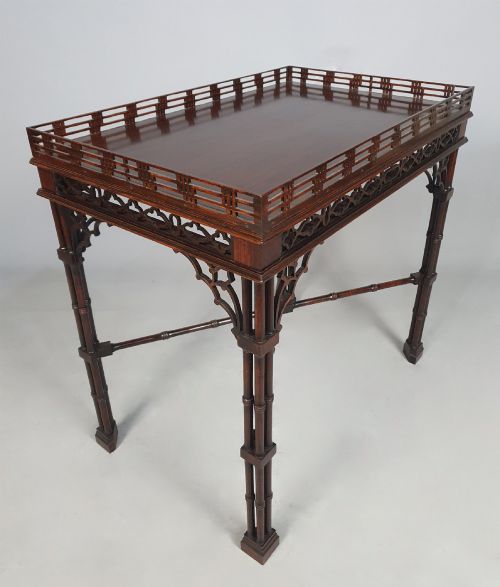
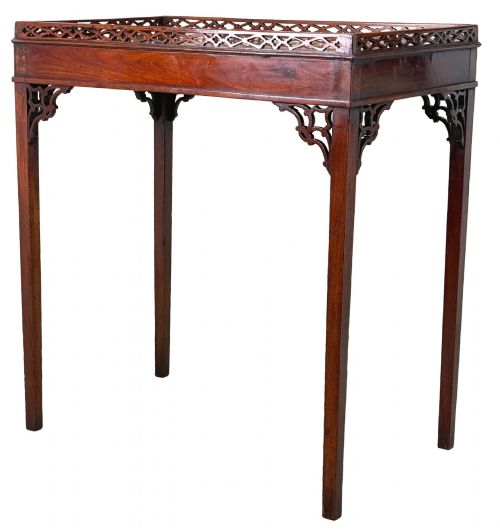
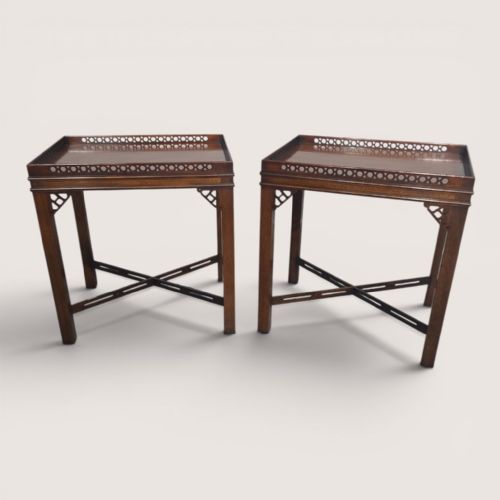
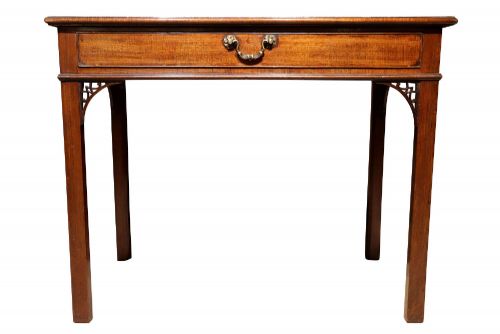
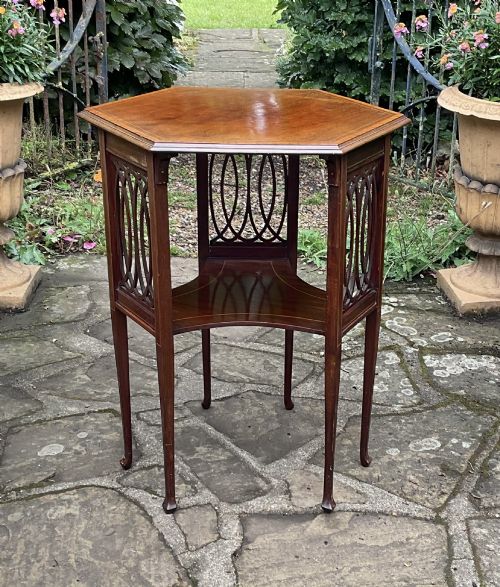
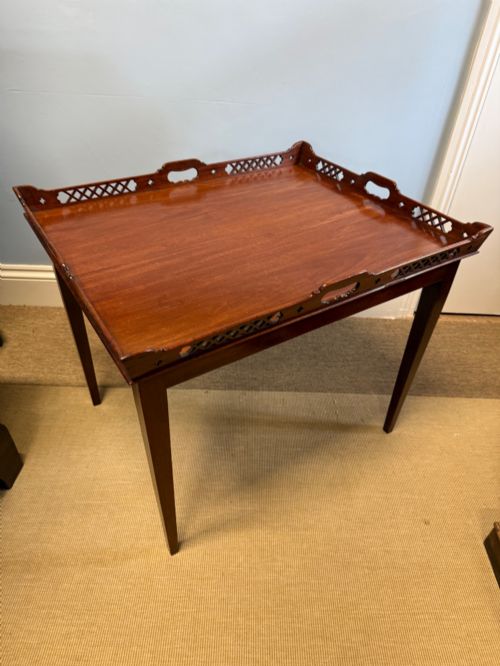
A pierced fretwork table brings openwork lattice and pierced brackets into a room, offering surface space defined by intricate carved detail.

Pierced Fretwork Table
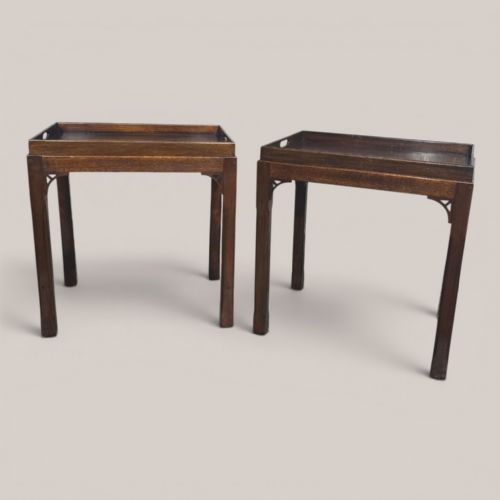
When you search for a pierced fretwork table, you encounter occasional tables, side lamp tables, and console furniture featuring open pierced woodwork and intricate brackets. These pieces emerge predominantly from the nineteenth century, the Edwardian era, and revival periods inspired by earlier Georgian designs.
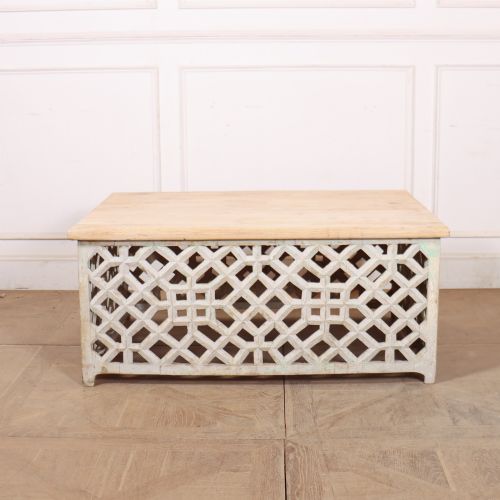
The selection ranges from traditional English mahogany lamp tables with carved fretwork to Anglo-Indian, Burmese, and Chinese hardwood or teak pieces showcasing regional carving traditions. Buyers most frequently meet side tables and occasional forms displaying intricate pierced motifs along the brackets or aprons.
How they were made
Cabinetmakers utilised dense timbers such as mahogany, rosewood, burr walnut, padauk, and exotic hardwoods capable of holding crisp, delicate fretwork without splintering. Pierced patterns were often hand-sawn or carved directly into brackets, aprons, and galleries.
Makers integrated brass hardware and subtle inlay work to complement the carved wooden structures, ensuring stability beneath the ornate openwork details found on lamp tables and console forms.
Pierced Fretwork Table Retail Price Guide 2026
Typical asking prices for pierced fretwork table among the pieces listed under this phrase on Sellingantiques today, from the lower quarter to the upper quarter. They describe what is for sale here now, not the wider market.
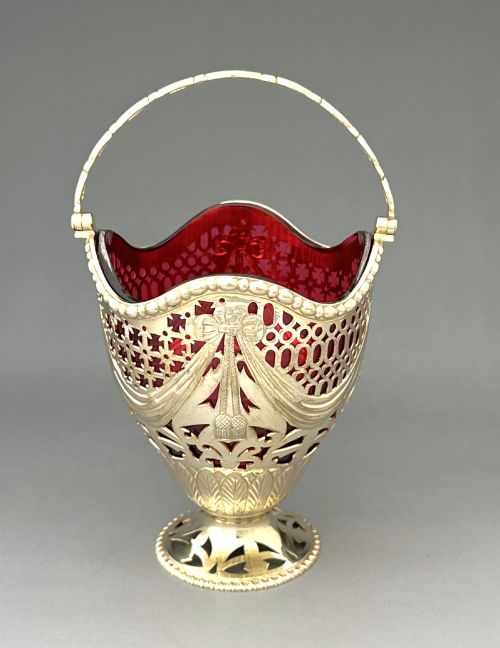
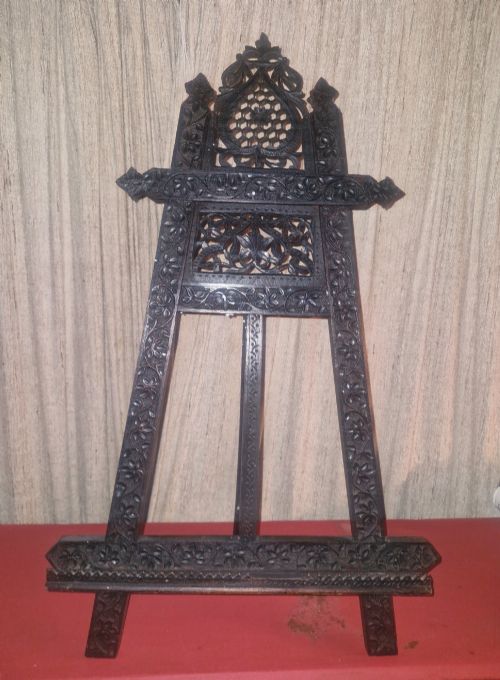
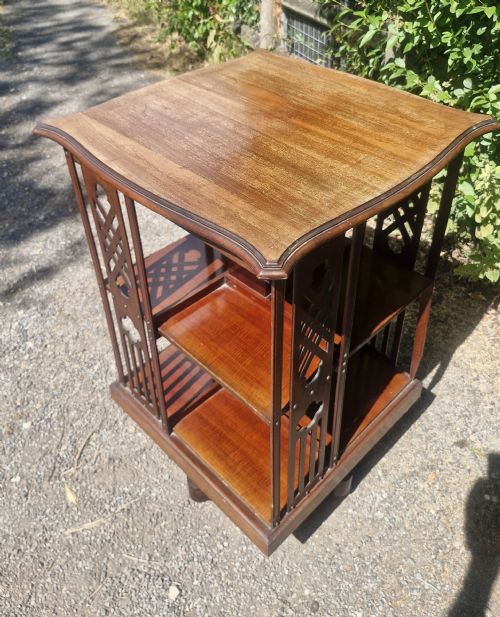
Peacocks and intricate fretwork brackets share the floor with revolving bookcases and silver baskets.
What varies in quality
The standard of a pierced fretwork table rests on the crispness and depth of the carved or pierced lattice work. Sharply defined openings and smooth, unblemished timber indicate superior craftsmanship.
Materials also dictate grade, with finely figured burr walnut, dense mahogany, and rich padauk holding a more substantial presence than simpler secondary woods. The integration of the pierced brackets to the main frame shows the maker's care.
Hammond, Creake & Co
The Pierced Fretwork Table Glossary
- Fretwork
- Ornamental perforated wood carving formed in geometric or flowing patterns. It appears frequently on the brackets and galleries of tables.
- Chippendale Revival
- A late nineteenth and early twentieth century style copying eighteenth century English furniture forms. These pieces often feature characteristic pierced fretwork and carved details.
- Padauk
- A heavy tropical hardwood known for its reddish hue and durability. It provides a stable base for intricate carving.
- Burr walnut
- Timber taken from the growth excrescences of walnut trees, prized for its swirling grain patterns. It adds rich visual texture to table tops.
- Side table
- A small occasional table designed to stand against a wall or beside seating. They frequently incorporate decorative brackets and fretwork.
Pierced Fretwork Table: Frequently Asked Questions
What periods do pierced fretwork tables come from?
These tables date primarily from the nineteenth century through the Edwardian period, alongside later revivals of eighteenth century styles.
Craftsmen across these decades drew on Georgian Chippendale designs as well as regional Anglo-Indian and Chinese traditions.
How were pierced brackets used on these tables?
Pierced brackets provide structural support beneath the table top while adding decorative openwork to the silhouette. They soften the junction between the legs and the apron.
This technique appears widely on lamp tables and side tables from the nineteenth century onward.
What timbers should I look for?
Mahogany is the most common timber seen, alongside rich hardwoods like padauk, rosewood, and burr walnut. These dense woods support the fine cuts required for fretwork.
Selection also includes regional hardwoods from Indian and Chinese workshops.
How do I style a pierced fretwork table at home?
These tables suit placement beside seating or against a wall as a lamp or occasional table. Their open fretwork pairs well with traditional and eclectic interiors.
Keep surface objects minimal to let the carved details and pierced brackets remain visible.