

18th Century Mahogany Furniture
18th century mahogany furniture brings rich timber tones and enduring forms into rooms, ranging from practical chests to elegant writing desks.
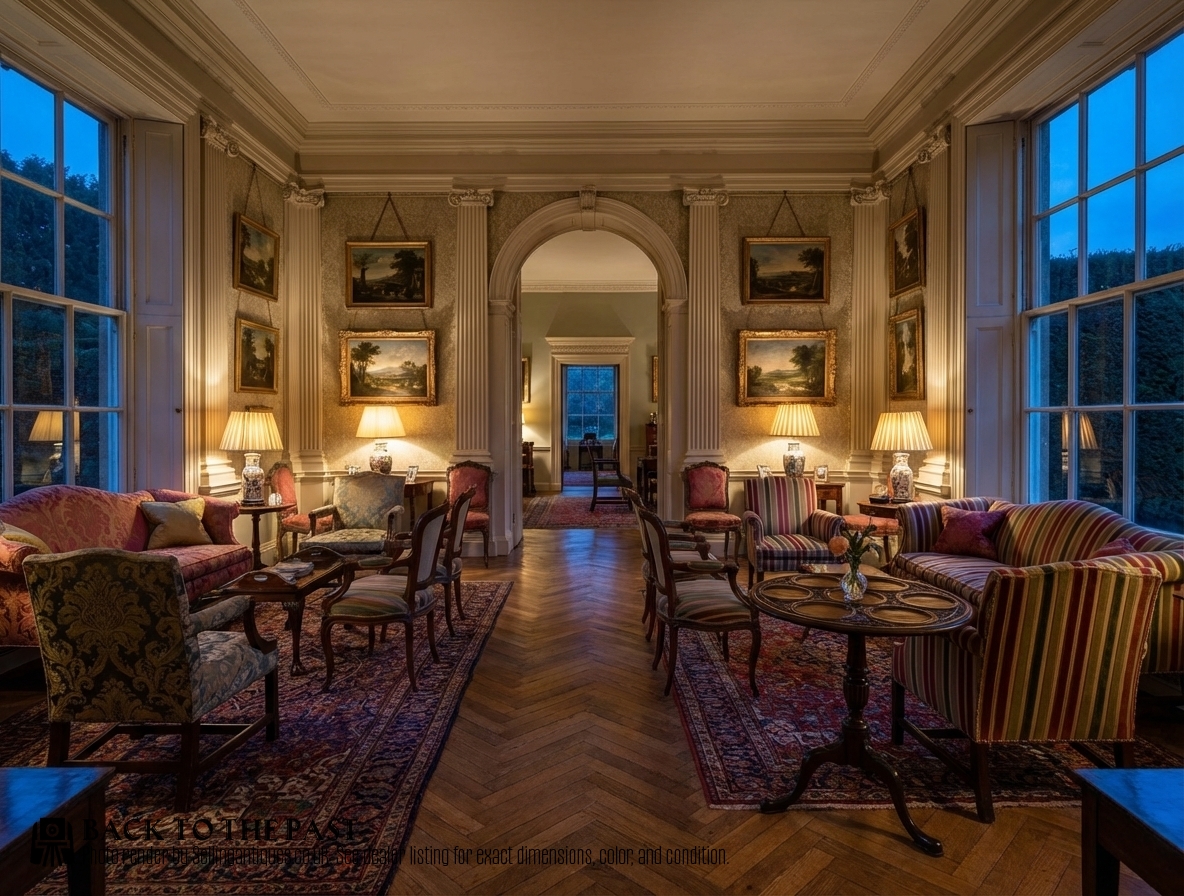
18th Century Mahogany Furniture
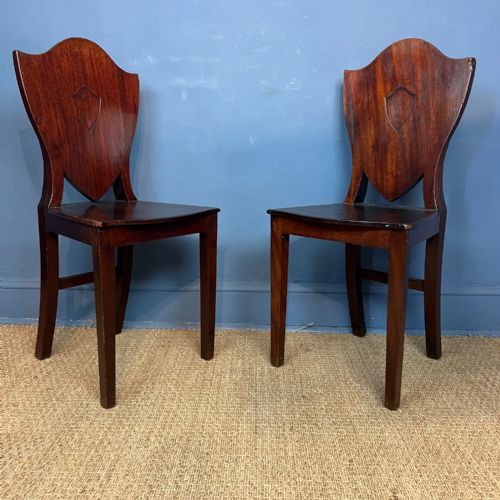
When buyers search for 18th century mahogany furniture, they encounter pieces originating from the Georgian era alongside continental examples. The selection spans utilitarian items and refined household furnishings designed for daily use.
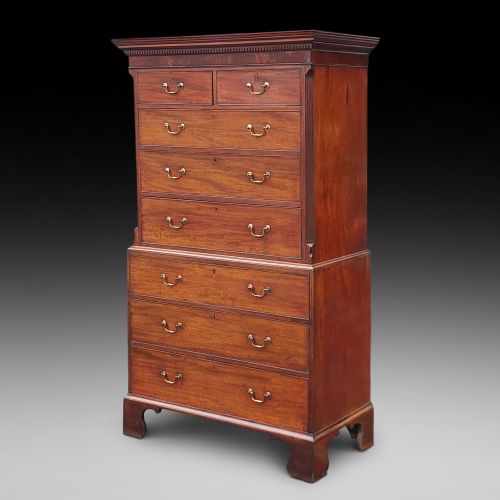
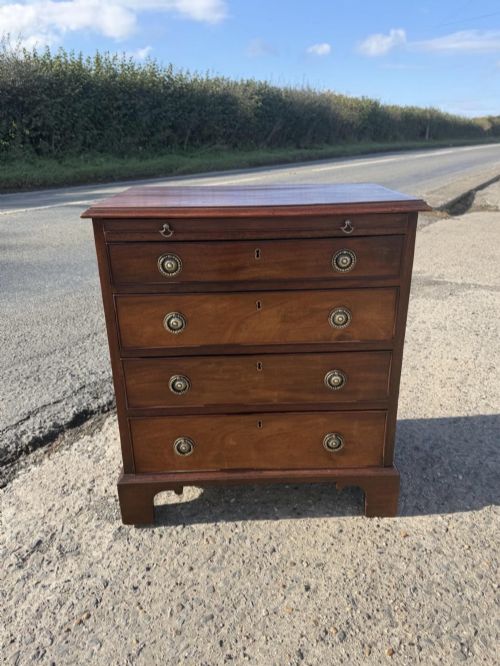
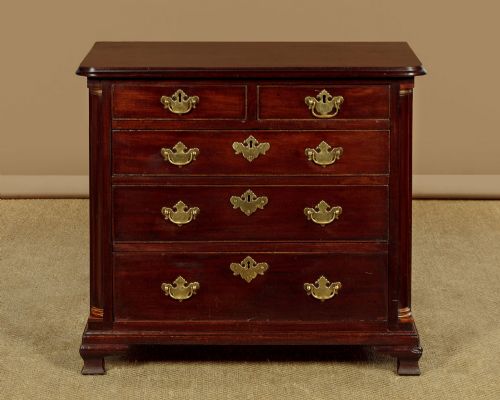
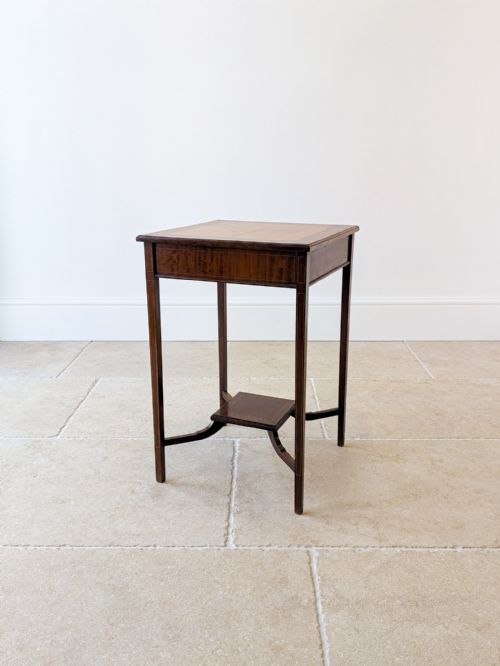
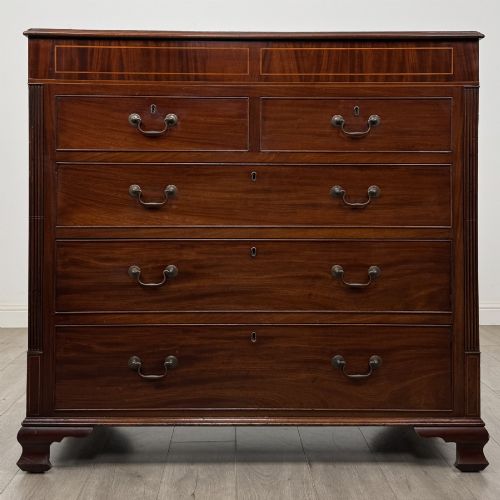
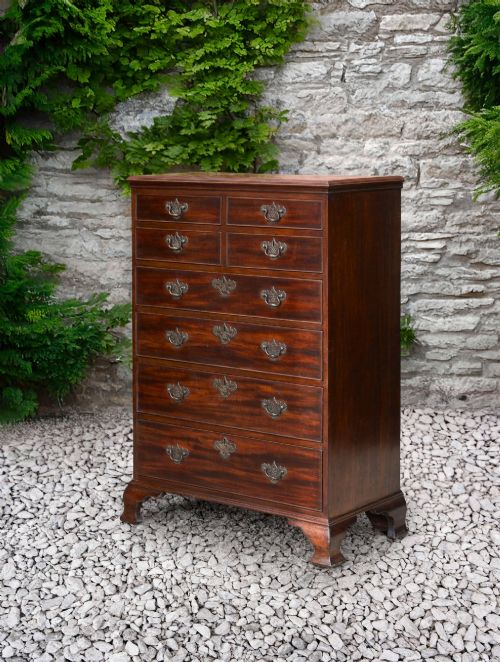
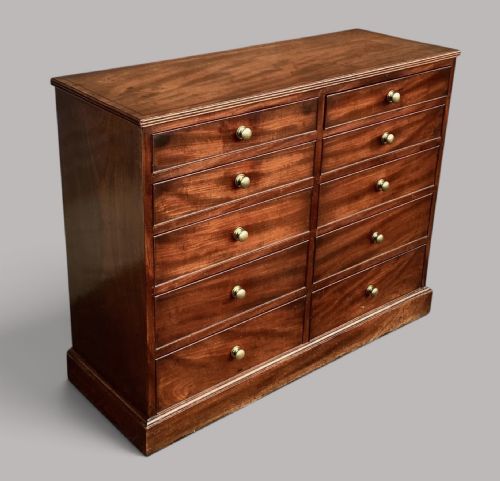
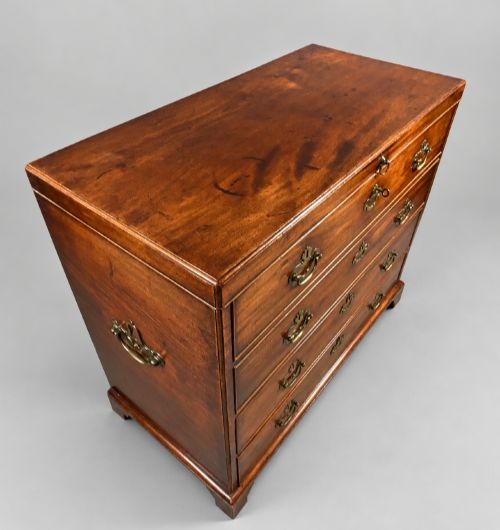
Chests of drawers dominate the offerings, appearing as standard four-height designs, tall chests on chests, and compact bachelor chests. Tables, desks, bureaux, and seating also feature prominently across the collection.
Origins stretch from English workshops to Dutch and Irish makers, with styles encompassing George II, George III, and Dutch Baroque. Oak and fruitwood marquetry often supplement the primary timber in secondary elements and decorative inlays.
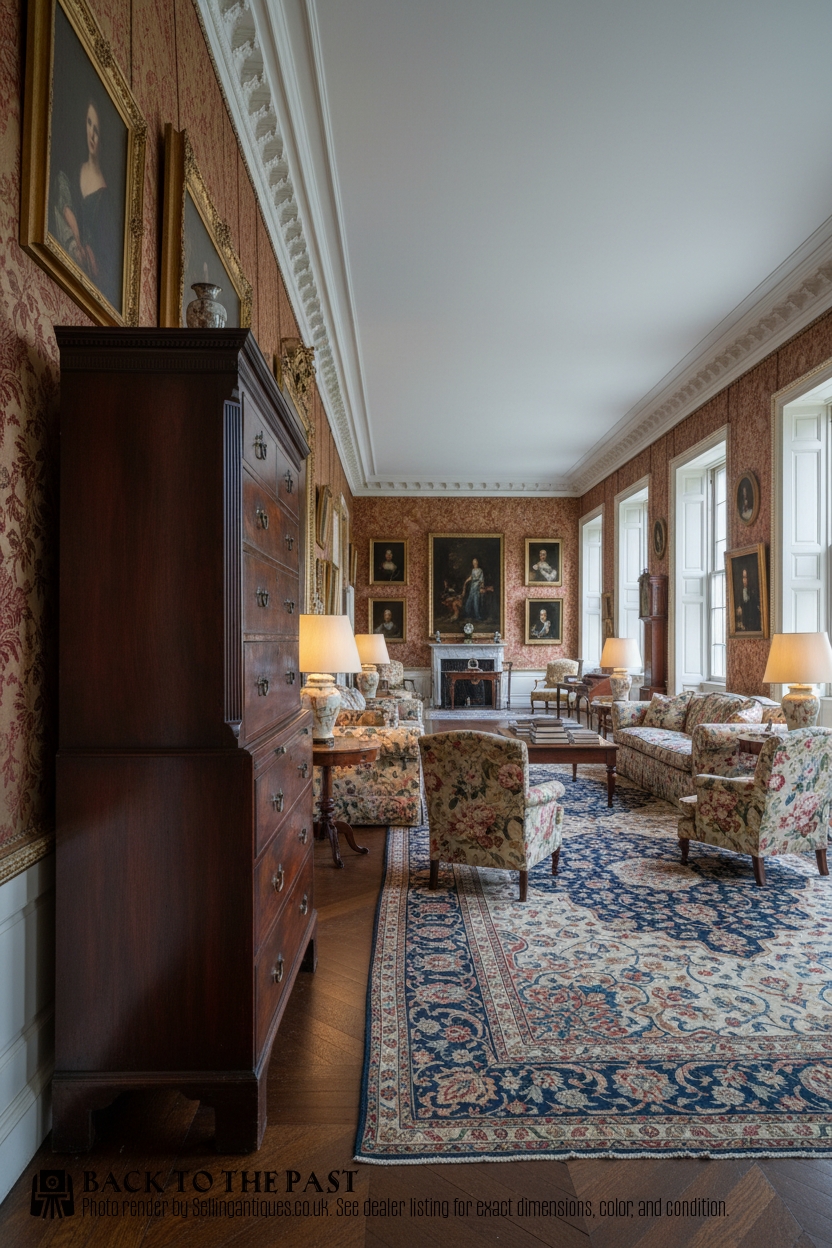
Materials and construction
Solid mahogany and figured mahogany veneers form the primary visible surfaces, supported by secondary timbers like oak in drawer linings and internal frames. Brass handles, escutcheons, and occasional bone details provide functional and decorative contrast.
Joinery relies on traditional methods such as dovetailing for drawer construction and mortise and tenon frames for seating and case pieces. Fruitwood marquetry and crossbanding add geometric patterns to table tops and cabinet fronts.
18th Century Mahogany Furniture Retail Price Guide 2026
Typical asking prices for 18th century mahogany furniture among the pieces listed under this phrase on Sellingantiques today, from the lower quarter to the upper quarter. They describe what is for sale here now, not the wider market.
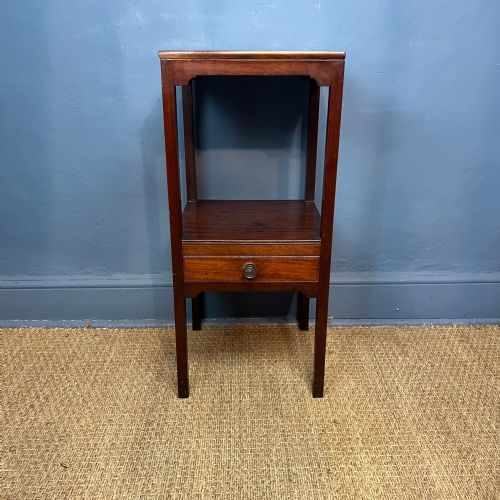
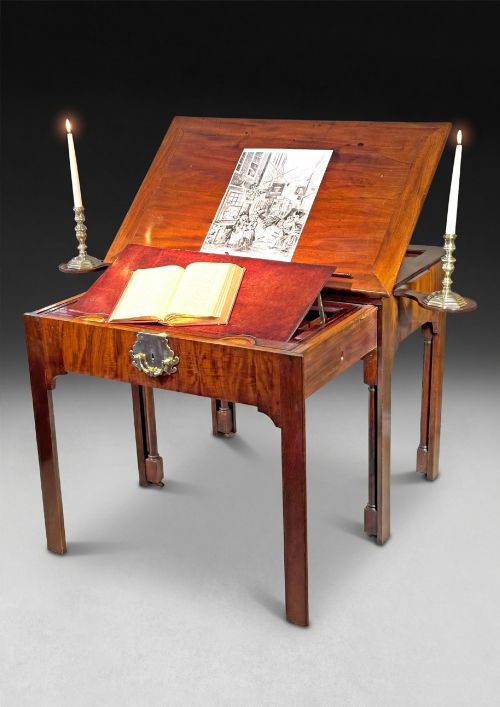
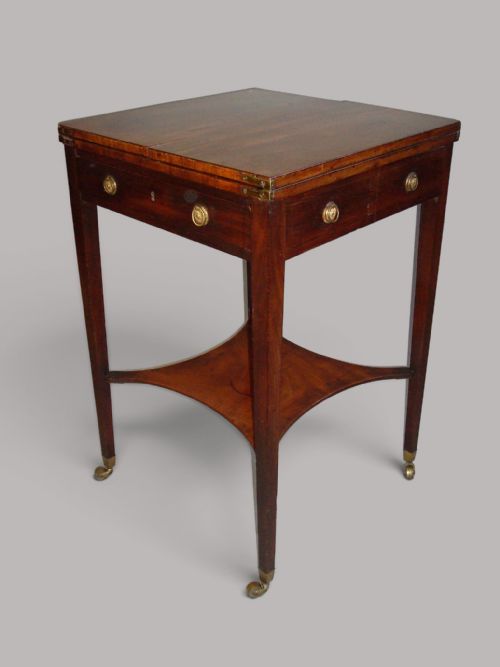
Several items include clever folding washstands and hidden writing compartments designed for discreet correspondence.
Standards of craftsmanship
Quality rests upon the selection of timber, particularly the depth of figure in the mahogany and the crispness of carved details like bracket feet and serpentine edges. Superior examples retain original brass hardware and exhibit thoughtful proportion.
The refinement of internal fitting defines better desks and bureaux, where secret compartments, fitted writing slides, and pigeonholes display meticulous joinery. Patination and surface preservation further separate everyday pieces from exceptional items.
Gillows
The 18th Century Mahogany Furniture Glossary
- Mahogany
- A durable tropical hardwood imported for cabinet making, prized for its rich reddish-brown colour and stability. It accepts fine carving and polished finishes exceptionally well.
- Brushing slide
- A pull-out shelf integrated into chests of drawers or wardrobes, originally used for dusting garments or temporary writing. It sits discreetly beneath the top surface when not in use.
- Chest on chest
- A tall storage unit comprising one cabinet stacked directly upon a larger base chest, creating substantial vertical capacity. This form is often termed a tallboy.
- Marquetry
- The art of applying decorative veneer pieces in wood, bone, or other materials to form pictorial or geometric patterns on a surface. It appears on continental cabinets and tables.
- Lowboy
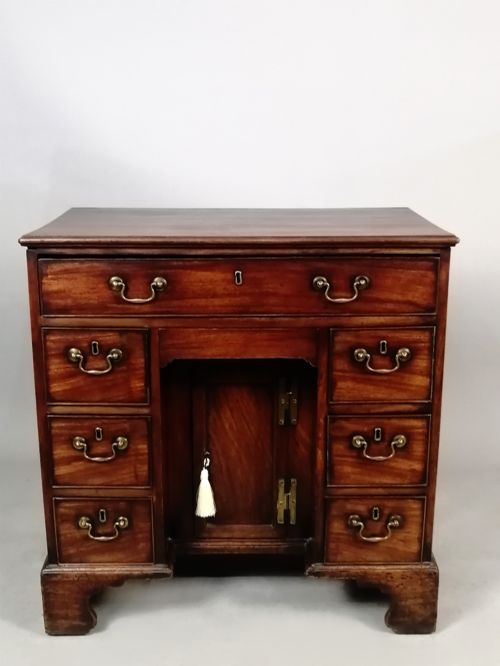
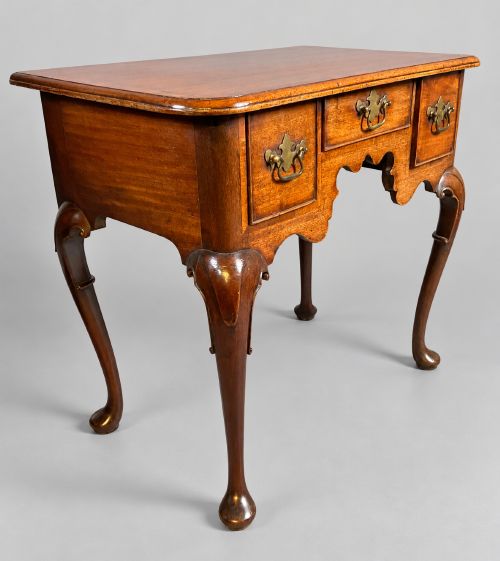
- A small side table or dressing table featuring a low set of drawers, popular during the Georgian period. It typically stands on slender cabriole or straight legs.
18th Century Mahogany Furniture: Frequently Asked Questions
What is a bachelor chest?
A bachelor chest is a compact chest of drawers featuring a fold-over top or a sliding writing board. These versatile pieces served as combined storage and writing surfaces in smaller bedchambers.
They date primarily to the Georgian period and offer substantial utility within a modest footprint.
Where were these pieces used?
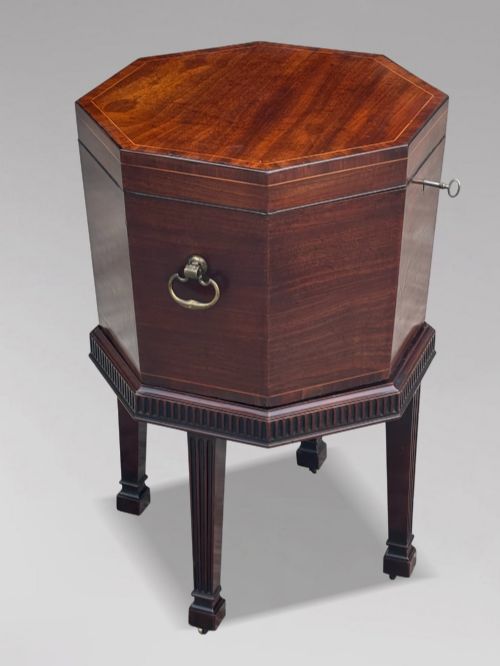
These items populated the principal rooms and private chambers of Georgian townhouses and country estates. Dining rooms held wine coolers and side tables, while libraries accommodated desks and bookcases.
Bedchambers utilised chests of drawers, washstands, and dressing chests for daily grooming and apparel storage.
How do I care for antique mahogany?
Antique mahogany benefits from stable room temperatures away from direct sunlight and heat sources to prevent wood movement. Gentle dusting with a dry cloth preserves the polished surface.
Occasional application of traditional beeswax helps maintain the timber's natural moisture and patination without building up heavy chemical residues.